הרהורים של אלה גרינבום בעקבות צפיה ב׳הפרדות / דום׳ של אנסמבל בת-שבע
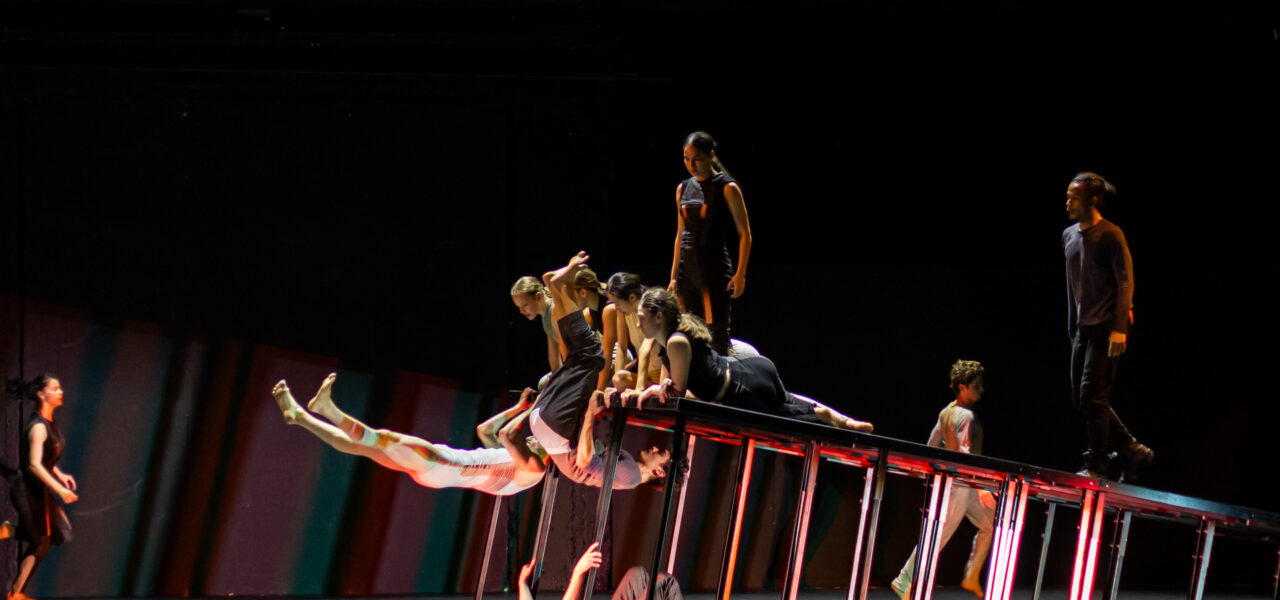
*Photo by Ascaf
*English follows


שקיעה יפיפיה בורוד, כתום וטורקיז עוטפת את חברתי ואותי בפארק המסילה.
פגישתנו האחרונה היתה ממש לפני המלחמה, בגל חיובי וחיוני של שתינו. חווינו שפע יצירה, פרנסה והזדמנויות.
המלחמה ייבשה את גל השפע והשאירה אותנו במדבר צחיח, שבורות, אבודות.
בנוסף לשברון הכללי, שתינו חווינו משבר לבבי בניסיון קלוקל לקשר עם בני המין השני.
הם רוצים, הם לא רוצים, ומה בסך הכל אנחנו רוצות? שיהיה נעים וכיף. קצת אהבה לא תזיק. אז למה להרוס?
תהינו ושתינו.

קצת לפני 20:00 שמנו פעמנו לאולם הגדול של סוזן דלל, כנראה בפעם האחרונה לפני שיעבור שיפוץ מאסיבי.
“כן, גם הוא צריך מתיחת פנים קטנה”, אמרה חברתי בצחוק..”אנחנו בטוח צריכות מתיחה אחרי המלחמה”, חשבתי לעצמי, פנינו הנפולים, נפלו פנינו.
התרגשנו לקראת הערב המשותף לשתי הכוריאוגרפיות רוני חדש ובשמת נוסן, לחברי אנסמבל בת-שבע הצעירים. נשים יוצרות בקדמת הבמות! מעניין מה יהיה להן לומר ולהביע.
התרגשנו לראות מופע תרבותי אחרי סגר הטילים הממושך.

במופע הראשון ׳הפרדות׳ מיד זיהיתי את השפה המובהקת של רוני חדש. הפרדות ופירוקי גוף ואיברים. כמה דקות לתוך המופע החלו הרקדנים לציין את שמות האיברים שהניעו. לכל איבר יש שם, לכל איש ואישה, רקדן ורקדנית, חייל וחיילת.
יהודי, ערבי, ישראלי, שחור, לבן, 22, 25, לא משנה.
בסופו של דבר. לכל אחד יש גוף, וכל גוף חשוב ונחשב. ולכולם/כולנו פחות או יותר אותו הגוף, מורכב מאותם איברים.  אז למה להפריד בינם לבינן, ביננו לביניהם? השפה התנועתית של פירוק מסודר עם התוספת של הטקסט העבירה לי בבירור את השאלה הזו. תהיתי אם זה היה עובר גם ללא הטקסט?
אחרי תביעת ההגדרות בקול, נוספה גם כתיבת שמות האיברים על הגוף. רקדן או רקדנית ניצבים, מוחזקים בתנוחה הפוכה ורקדן או רקדנית אחרים כותבים עליהם בטוש גדול את שם האיבר.
האקט הזכיר לי סימון בהמות או גושי בשר בקצבייה וכמו שוב סימן לי ׳לכולנו גוף׳, ו׳כל גוף חשוב׳.

במופע ׳דום׳ של בשמת נוסן ניצבת במה גדולה שבורה,  אלכסונית, חולשת על שמאל הבמה.
אולי שבורה כמונו,  אולי העולם שבור.
הרצפה עקומה אבל הרקדנים מושלמים, שועטים עליה, קופצים ממנה, ניתלים, מתפתלים וחוזרים.
הכל רועש, כיאוטי, מסחרר.
זה הזכיר לי במעט את הכאוס בסרט הסיוטי של גספר נואה, “קליימקס”, סרט אפל ומטריד שממש לא רציתי לזכור, בו מסיבה של חבורת רקדנים יוצאת משליטה והופכת לזירת רצח והתעללות אינסופית.
הרקדנים שועטים, מתפרעים, יש גם רגעי הנאה במסיבה הזאת ואולי זו רק אני שפוחדת שהיא תצא משליטה?

שני רמקולים גדולים על הבמה מכוסים בבדים גדולים, פועמים, מדברים או צועקים עלינו, אולי מנהלים את הכל כמו השליטים שהנהיגו את המלחמה, והרקדנים כמונו, רוקדים בטירוף מסחרר לצלילי הביטים שאולי מדמים יריות.

שתי העבודות מביעות היטב את הרגשות שעברנו בחודש וקצת האחרון.  חרדה, אימה, חוסר אונים, ניסיון לשרוד בתוך כל האופל.

אני יוצאת בתחושה מטורגרת, מדממת, ממורמרת, עדיין לא לגמרי מצליחה להינות ממופע מחול כעת.
אני מבינה שהאמנות נוצרת כרגע מתוך הטראומה ורוצה לדבר אותה, לצעוק אותה, לפרק אותה.
יש לה את כל התנאים להתקיים כאן: האולם הכי יפה, אנשי המקצוע הכי נחשבים, הרקדנים הכי מושלמים.
ואני תוהה, מתי תגיע הרכות?  מתי האמנות תנצח?

יצאנו לאוויר הלילה האביבי, חזרה לפארק המסילה שמשהו בו שקט עם הירח ונשאנו תפילה גדולה:
רק לא עוד מלחמה. ושנמצא אהבה או שהיא תמצא אותנו.

אנסמבל בת-שבע הציגו את ׳הפרדות/דום׳ ב23.4.2026 במרכז סוזן דלל. 

Ella Greenbaum’s Reflections After Watching ‘Separations / Dome” by The Batsheva Ensemble

A beautiful sunset in shades of pink, orange and turquoise wrapped itself around my friend and me at Park HaMesila.

The last time we met was just before the war, when both of us were riding a positive, vibrant wave. We were experiencing abundance: creativity, work, opportunities.
The war dried up that wave of abundance and left us stranded in a barren desert, broken and lost.

Alongside the collective heartbreak, both of us had also gone through our own romantic crises, the result of failed attempts at connecting with men.
They want us, they don’t want us, and what do we really want, after all? For things to feel good and easy. A little love couldn’t hurt. So why ruin it?
We wondered aloud and kept drinking.

A little before 8 p.m., we made our way to the main hall of Suzanne Dellal Centre, probably for the last time before it undergoes a massive renovation.

“Yes, it also needs a little facelift,” my friend joked.
We definitely need one after the war, I thought to myself. Our faces had fallen; our spirits had fallen with them.

We were excited for the shared evening of works by choreographers Roni Chadash and Bosmat Nossan, created for the young dancers of The Batsheva Ensemble. Women creators at center stage. I wondered what they would have to say, what they would choose to express.
Mostly, we were excited simply to witness a cultural event after the long missile lockdown.

In the first piece, ‘Separations’, I immediately recognized Roni Chadash’s unmistakable language: separation and the dismantling of bodies and limbs. A few minutes into the performance, the dancers began naming the body parts they were moving.
Every limb has a name. Every man and woman, every dancer, every soldier.
Jew, Arab, Israeli, Black, white, 22, 25, it doesn’t matter.

In the end, everyone has a body, and every body matters. All of us, more or less, are built from the same parts. So why separate them from us, us from them?
The choreographic language of methodical disassembly, together with the text, communicated this question to me very clearly. I wondered whether it would have come across without the text.

After the spoken declarations came another act: the names of the body parts were written directly onto the dancers’ bodies. One dancer stood upside down, held in place, while another used a thick marker to write the name of the limb across their skin.
The gesture reminded me of the marking of cattle or slabs of meat in a butcher shop and once again seemed to signal: we all have bodies, and every body matters.

In Bosmat Nossan’s piece, ‘Dome’, a large broken stage structure stands diagonally across the left side of the stage.
Maybe it is broken like us. Maybe the world itself is broken.

The floor is crooked, but the dancers are flawless, racing across it, leaping from it, hanging, twisting, returning.
Everything is loud, chaotic, dizzying.

It reminded me a little of the chaos in ‘Climax’, Gaspar Noé’s nightmarish film, dark and disturbing, not something I particularly wanted to remember, in which a party of dancers spirals out of control and turns into an endless scene of violence and abuse.

The dancers charge forward wildly, recklessly. There are moments of pleasure at this party too. Maybe it’s just me, afraid it will all lose control.

Two large speakers sit onstage covered in heavy fabric, pulsing, speaking or screaming at us, perhaps orchestrating everything like the leaders who conducted the war, while the dancers, like us, whirl frantically to beats that sound almost like gunfire.

Both works powerfully express the emotions we’ve all been carrying through this past month and more: anxiety, terror, helplessness, the attempt to survive inside all this darkness.

I leave feeling triggered, bleeding, bitter, still unable to fully enjoy a dance performance right now.

I understand that art is currently being created from within the trauma, and wants to speak it, scream it, dismantle it.
It has every condition necessary to exist here: the most beautiful hall, the most respected professionals, the most flawless dancers.

And I find myself wondering: when will softness return? When will art triumph?

We stepped back out into the spring night air, returning to Park HaMesila, where something about the moonlit quiet felt gentle again, and we carried with us one large prayer:

Just no more war.
And may we find love, or may it find us.

The Batsheva Ensemble presented ‘Separations/Dome’ on April 23 at the Suzanne Dellal Centre. 


אלה גרינבום

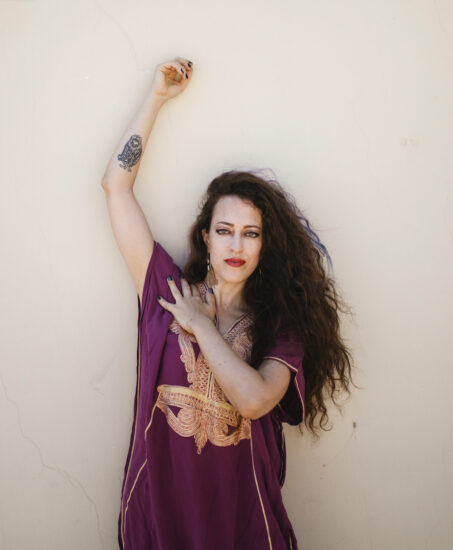
אלה גרינבום היא כוריאוגרפית ואמנית רב תחומית הפועלת בתל אביב-יפו. אלה למדה בתיכון הגימנסיה העברית במסלול תולדות האמנות וציור. בשנים 2001-2005 למדה בבצלאל אקדמיה לאמנות ועיצוב ירושלים, במחלקה לאנימציה. סרט הגמר שלה ״Wonderwoman״, זכה בציון לשבח בפסטיבל הבינלאומי לסרטי נשים ברחובות, והוצג בתערוכת אמניות עצמאיות בבית אנה טיכו בירושלים. עם סיום לימודיה בבצלאל החלה להשתלם במחול מזרחי והשתתפה במיצגים שונים כרקדנית, זמרת ושחקנית, בניהם: ״ערס פואטיקה״ – ערבי שירה שייסדה המשוררת עדי קיסר בתל אביב, ״אישה ללא בית” מאת ראידה אדון במוזיאון תל אביב לאמנות, “הנאשם הראשון” מאת סהר עזימי במוזיאון ישראל, וכן במופעים של להקות המוזיקה ״מידנייט פיקוקס״, ״וואצ’ומה בנד״, יוסי פיין ובן אילון, מקהלת אלשייך ומקהלת ראנה. משנת 2009 חברה בלהקת המחול של הכוריאוגרפית אורלי פורטל, איתה היא מופיעה באופן קבוע ביצירות שונות. גרינבוים התמחתה במחול מזרחי בסמינר הקיבוצים ובבי”ס ערבסק ירושלים, במוזיקה ותורת המקאם בבי”ס מוסררה וכן היא מדריכת פילאטיס מוסמכת מטעם Pilates Sports Center – PSC. אלה הצטרפה לעמותת הכוריאוגרפים בשנת 2022 ומשתתפת בשלל פרויקטים של העמותה כולל ׳חיים בתנועה׳. 

בין היצירות שלה ׳בנות הים שרות׳, ׳כוכבת המזרח׳ ו׳דרך הלב׳, ׳פעמוני רוח׳, ׳דלת לחדר׳, ו׳לילתי- הלילה שלי׳. 


Ella Greenbaum is a choreographer and multi-disciplinary artist working in Tel Aviv. Ella studied in the Hebrew Gymnasium High School’s program for art history. From 2001-2005, she studied at Bezalel Academy of Art and Design in Jerusalem in the animation department. Her final film “Wonderwoman” won the Audience Choice Award at the International Women’s Film Festival in Rehovot and was presented in exhibitions in the Anno Ticho Museum in Jerusalem. Upon finishing her studies, Ella began studying eastern dance, performing as a dancer, singer and actress is various installations, among them ‘Ars Poetica’- poetry evenings in Tel Aviv established by Adi Keisar, ‘Homeless Woman’ by Raida Adon at the Tel Aviv Museum of Art, ‘First Ladies’ by Sahar Azimi and the Israel Museum as well as with the music groups ‘Midnight Peacocks’, ‘Watchoma Band’, Yossi Fein and Ben Eylon, El Sheikh Choir and Rana Choir. In 2009, Ella joined Orly Portal Dance Company with whom she performed regularly. Ella specialized in eastern dances at the Kibbutzim College and at the Arabesque School in Jerusalem and studied music at the Musrara School for New Music Studies. She received certification from the Pilates Sport Center. Ella joined the Israel Choreographers’ Association in 2022. She has been part of the Creative Writing team since 2024.