

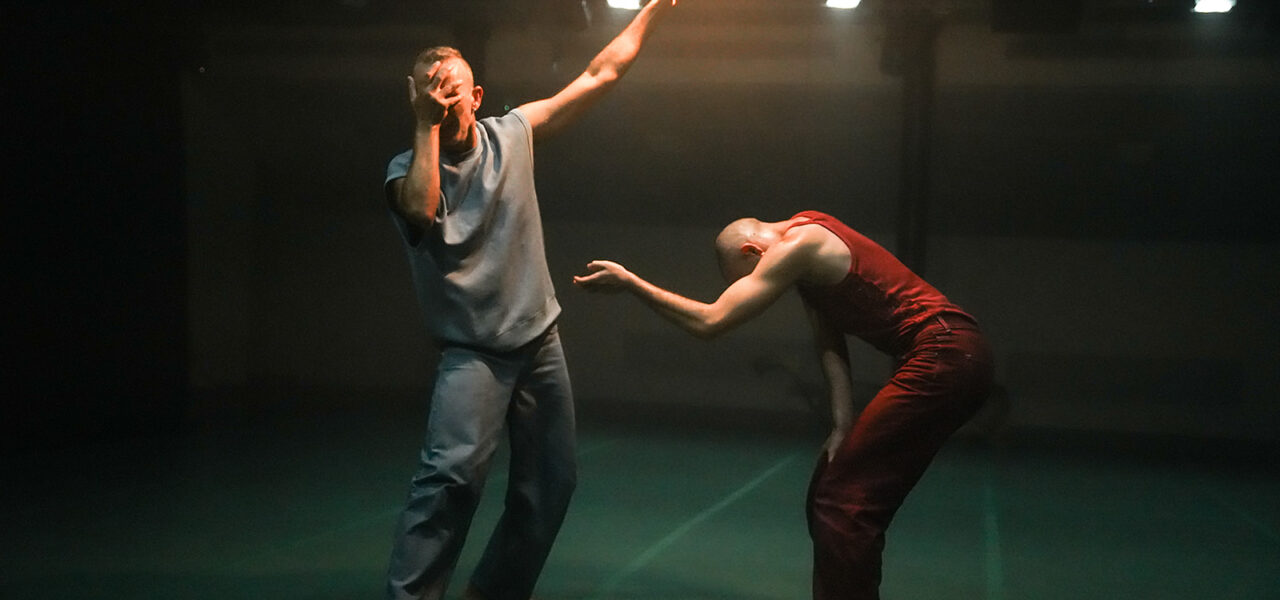
On stage, two men. One, 50 years of age. The other, 21. One wears a maroon ensemble, the other blue. They occupy a green floor alongside a stuffed deer whose origins trace back to the Dresden Opera Company. Yossi Berg, a brilliant performer, is no less intriguing, no less physical and no less commanding a presence than his counterpart, Ori Mbazbaz. Despite being at the beginning of his career, Mbazbaz is precise, grounded and direct. Together, these two men present a picture of life at different stages without falling prey to the societal tropes of aging.Read more
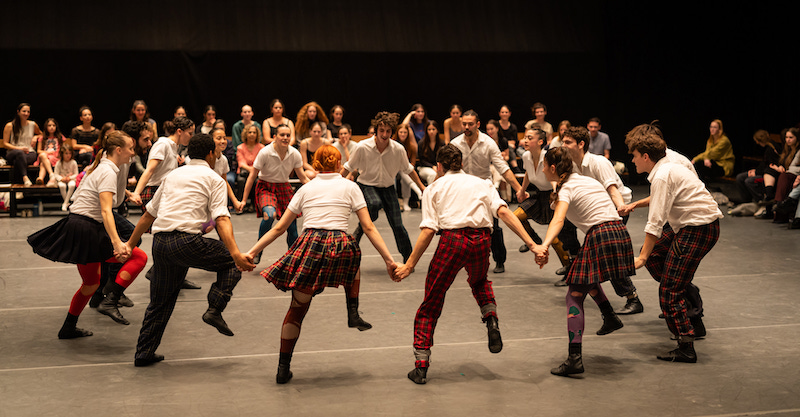
I wish for dance to offer this type of homecoming for my kids, an invitation to come home to themselves over and over again. For OUR kids. And the generations to come. Again and again. Keep extending the hand. Reach for the known to discover the unknown.Read more
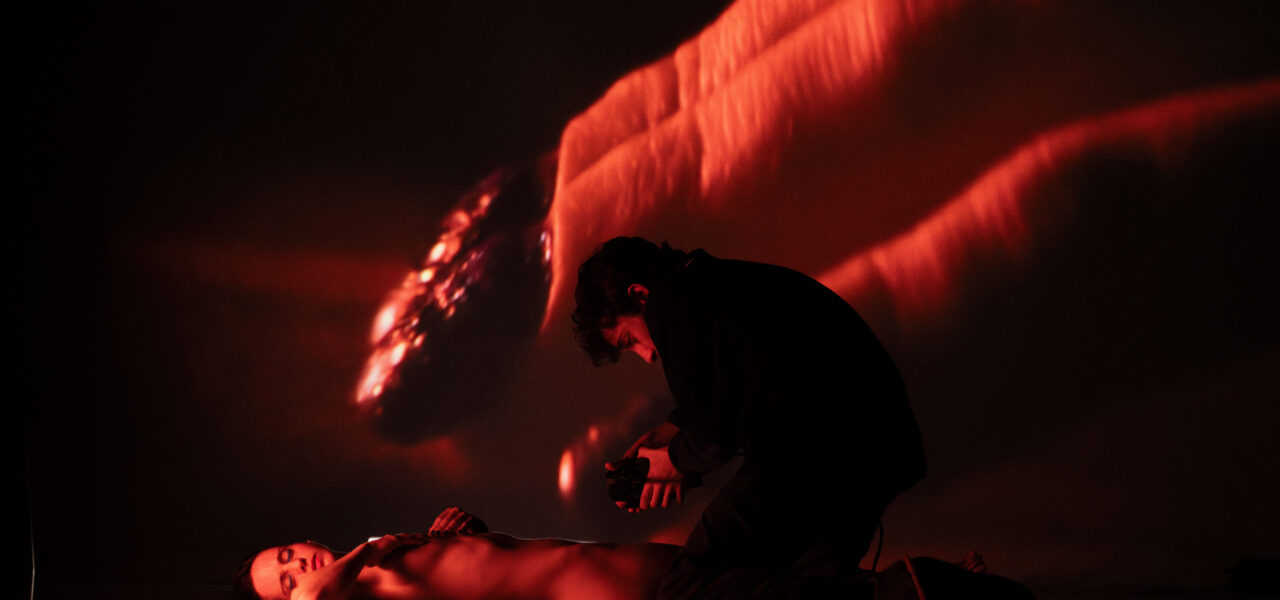
Onstage, a single, small woman dances in her real, mesmerizing, temporary and transient body. Behind her appears an entire company of identical figures. The projection is delayed, creating a canon. Instead of a corps de ballet or an elaborate ensemble of dancers, the dancer appears through dozens of reproductions of herself. This mechanical accumulation fills the stage with movement.Read more
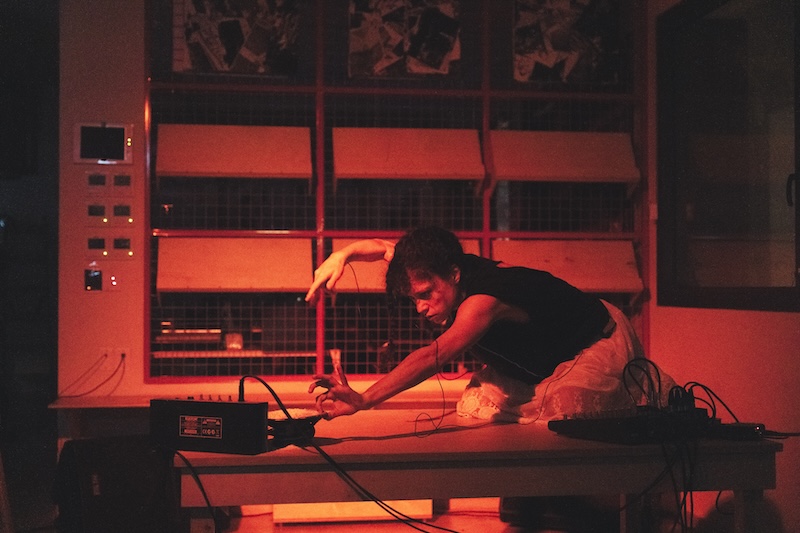
Before us is an experiment in sound, vibrations, movements of the body, voice. She has a unique physical language.
Movements repeated in a particular order create a structured choreography: a trembling cheek, gripping the nose, the head moving from side to side and backward.Read more
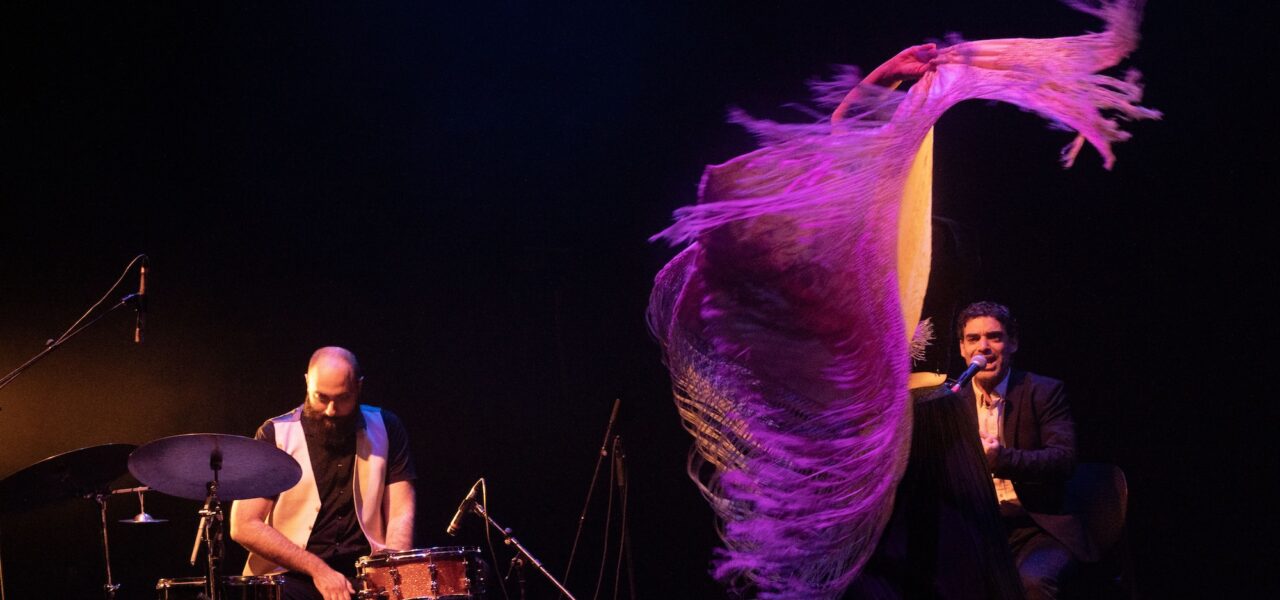
An epic evening fusing rich movement and sound cultures across the Mediterranean and Andalusia. Read more
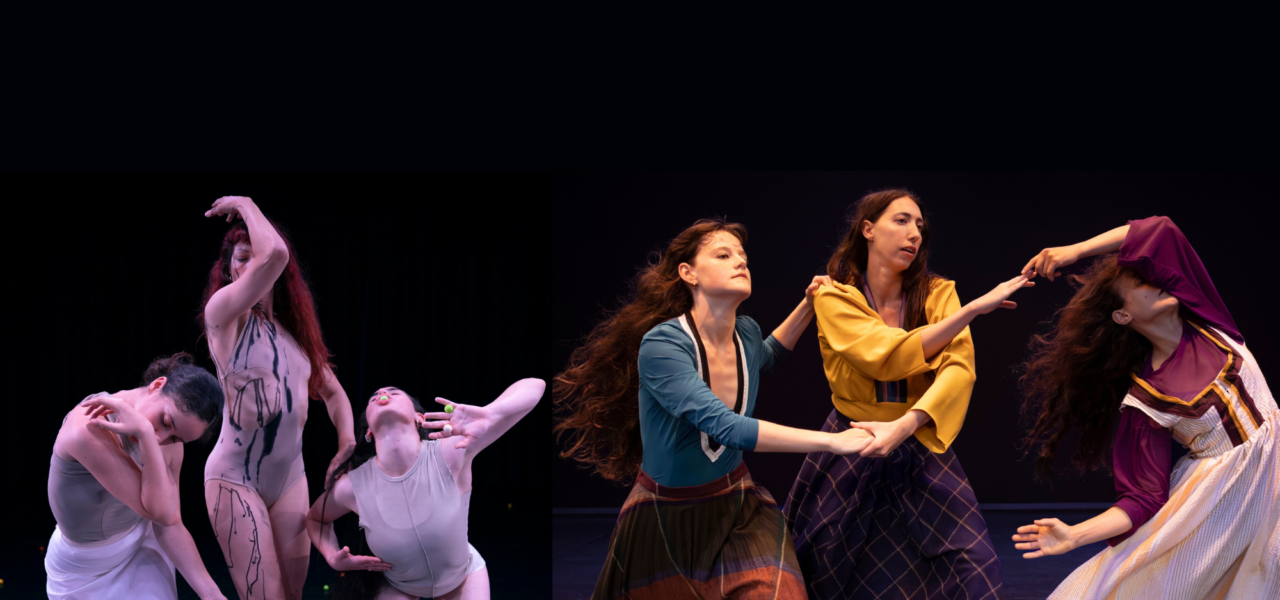
How does this type of artistic convergence happen?
Perhaps Bellahsen and Leibovits were growing in the same garden, drawing nourishment from the same soil.Read more
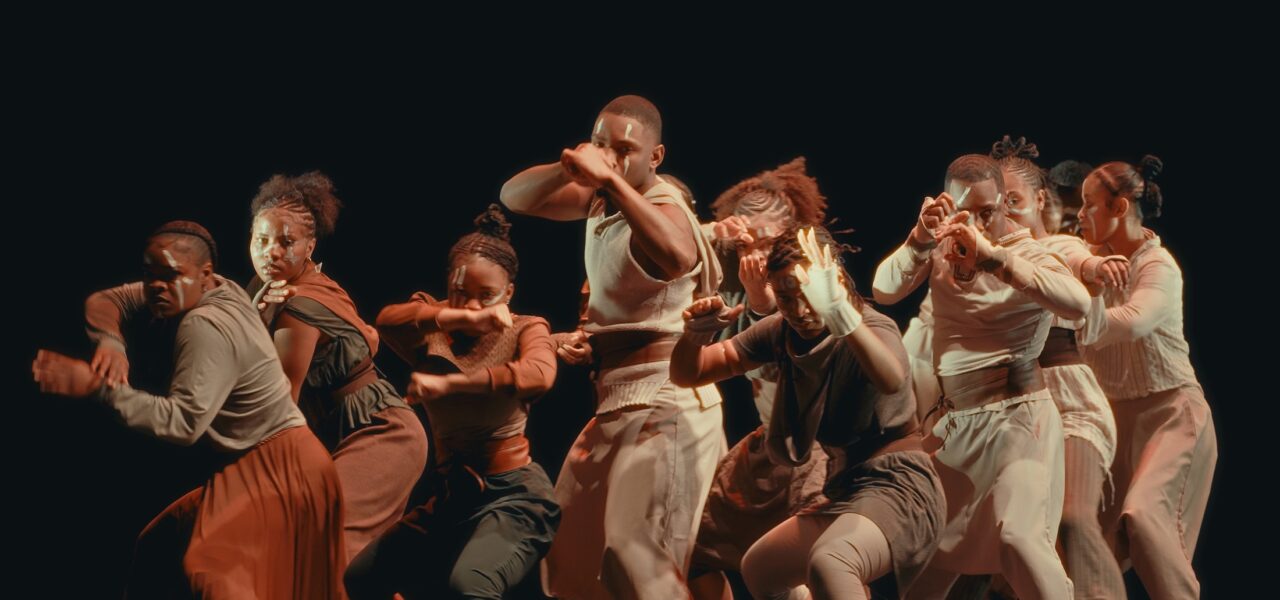
It was extraordinary to experience the entire theater as a living community. The audience surged with emotion, inhabiting the performance with their own bodies from their seats. The resonance could be felt everywhere, around us, above us and beneath us.Read more
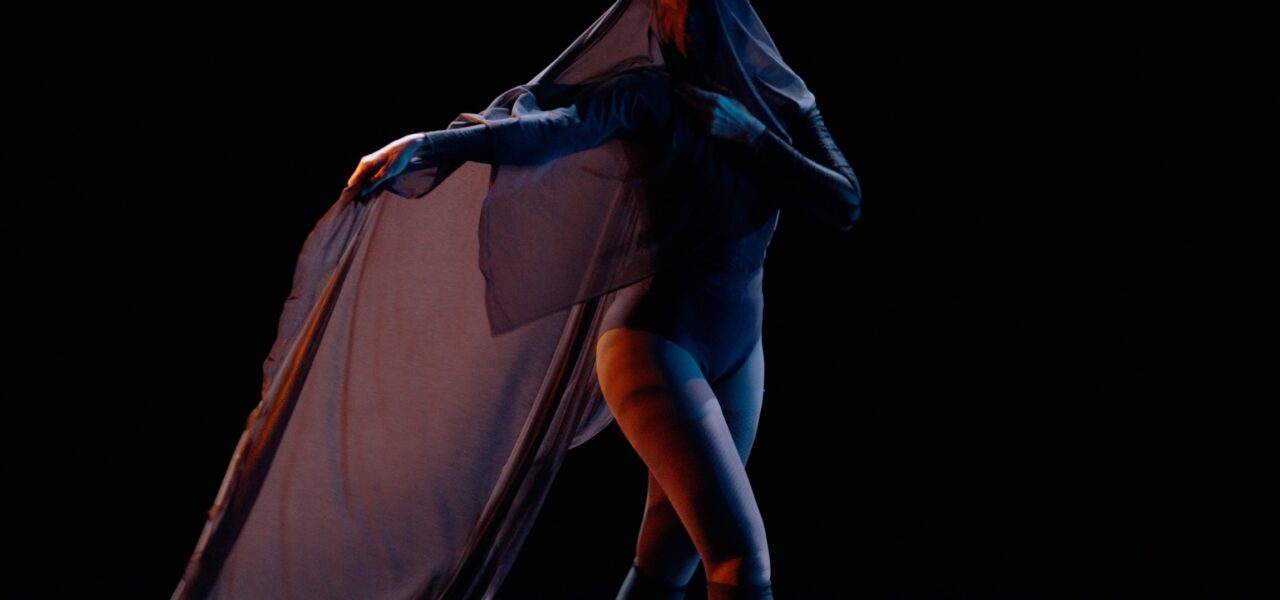
Danielle is a phenomenal performer. Total, fearless and deeply moving. There is something almost divine in the way she moves. It is mesmerizing, powerful and above all authentic.Read more
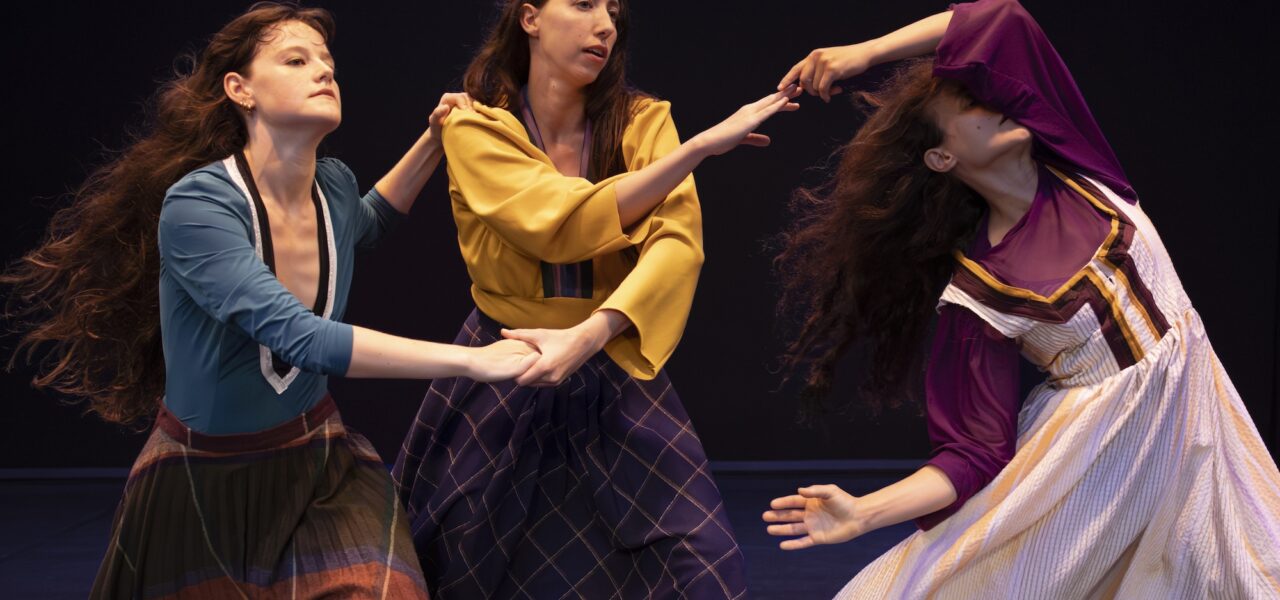
The dancers and musicians carry us with their voices toward a moment of transcendence. It feels as though the entire theater is washed in the colors of their voices, a moment of tenderness that stands in quiet contrast to the sounds of gunfire.Read more
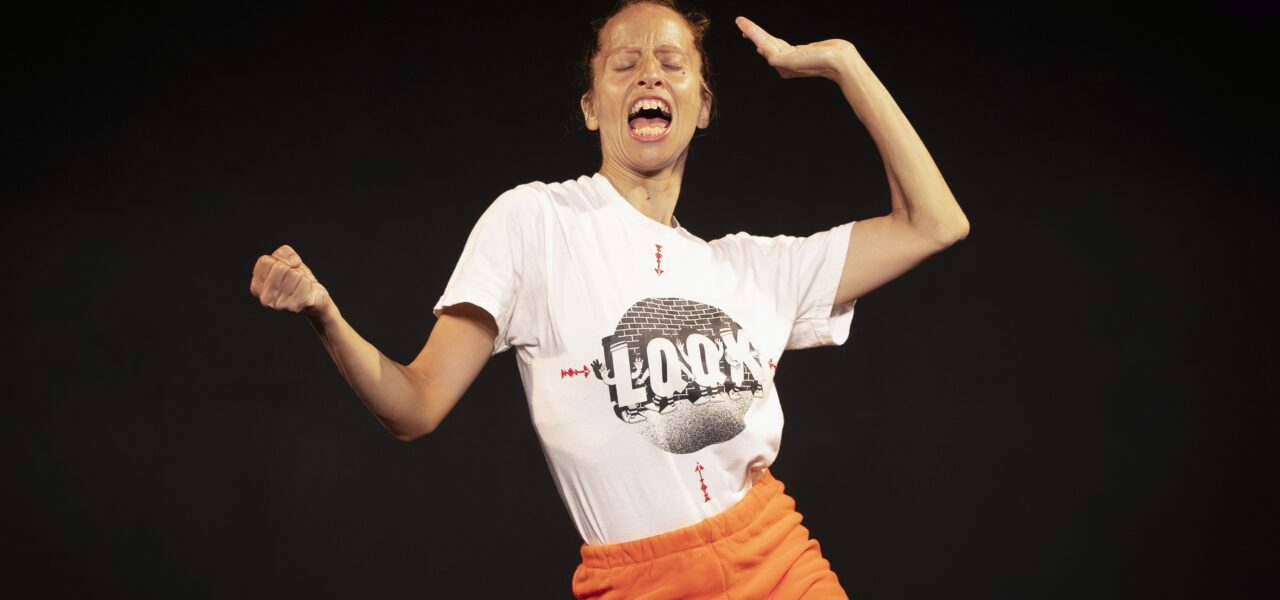
An original, piercing, intelligent work of dance theatre.Read more