

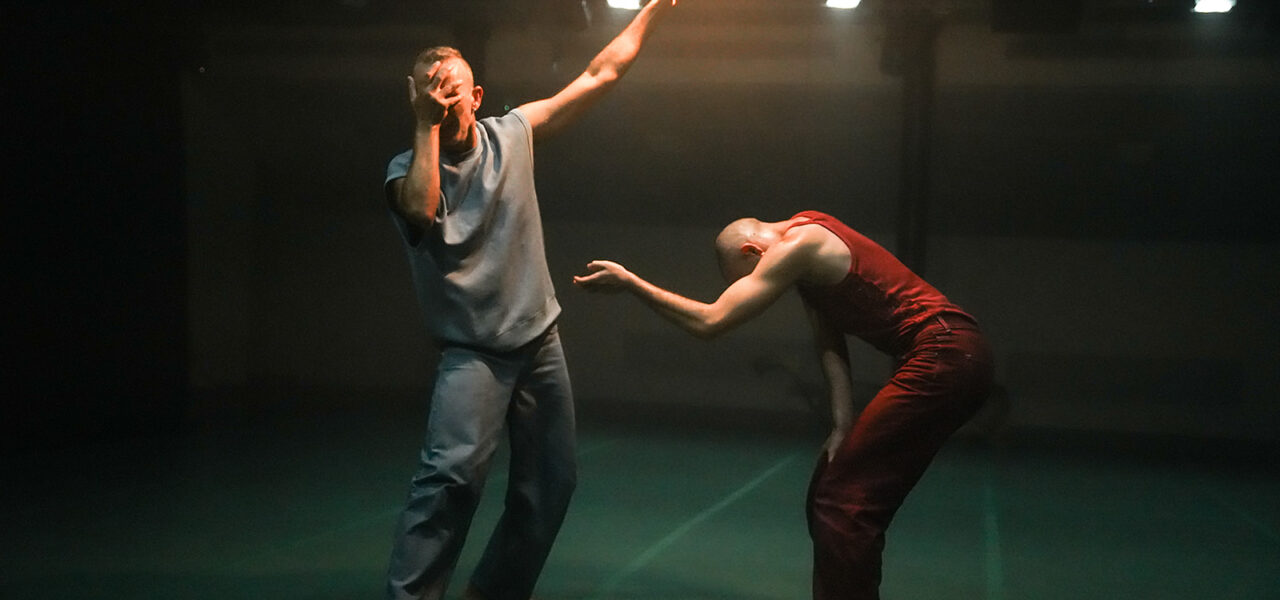
On stage, two men. One, 50 years of age. The other, 21. One wears a maroon ensemble, the other blue. They occupy a green floor alongside a stuffed deer whose origins trace back to the Dresden Opera Company. Yossi Berg, a brilliant performer, is no less intriguing, no less physical and no less commanding a presence than his counterpart, Ori Mbazbaz. Despite being at the beginning of his career, Mbazbaz is precise, grounded and direct. Together, these two men present a picture of life at different stages without falling prey to the societal tropes of aging.Read more
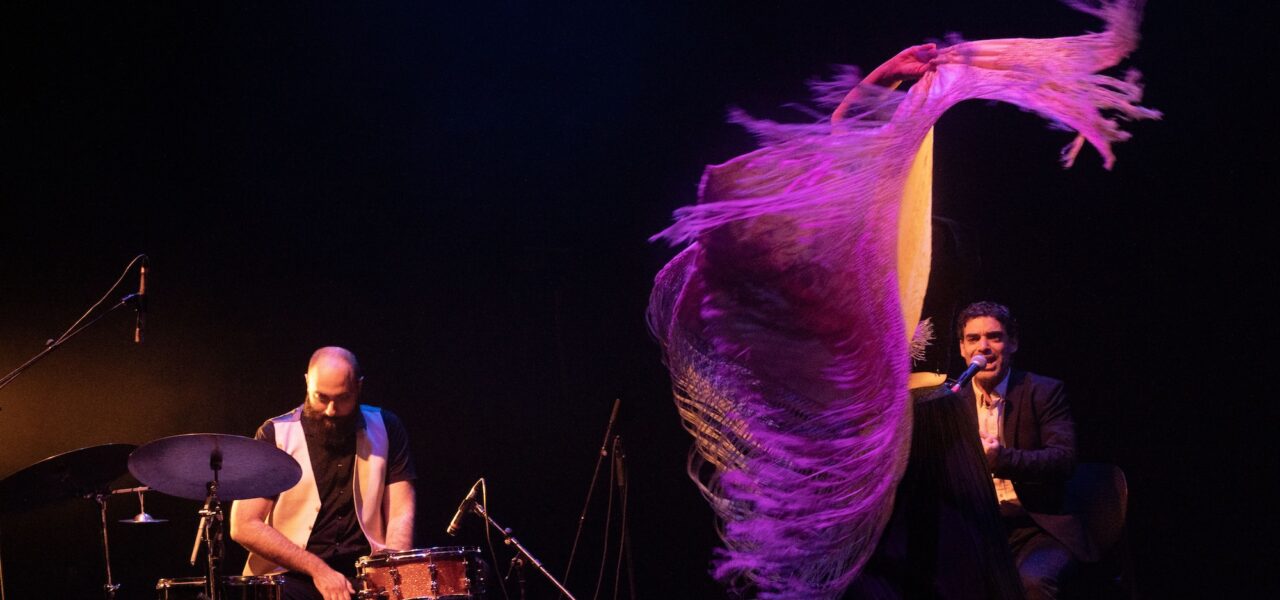
An epic evening fusing rich movement and sound cultures across the Mediterranean and Andalusia. Read more
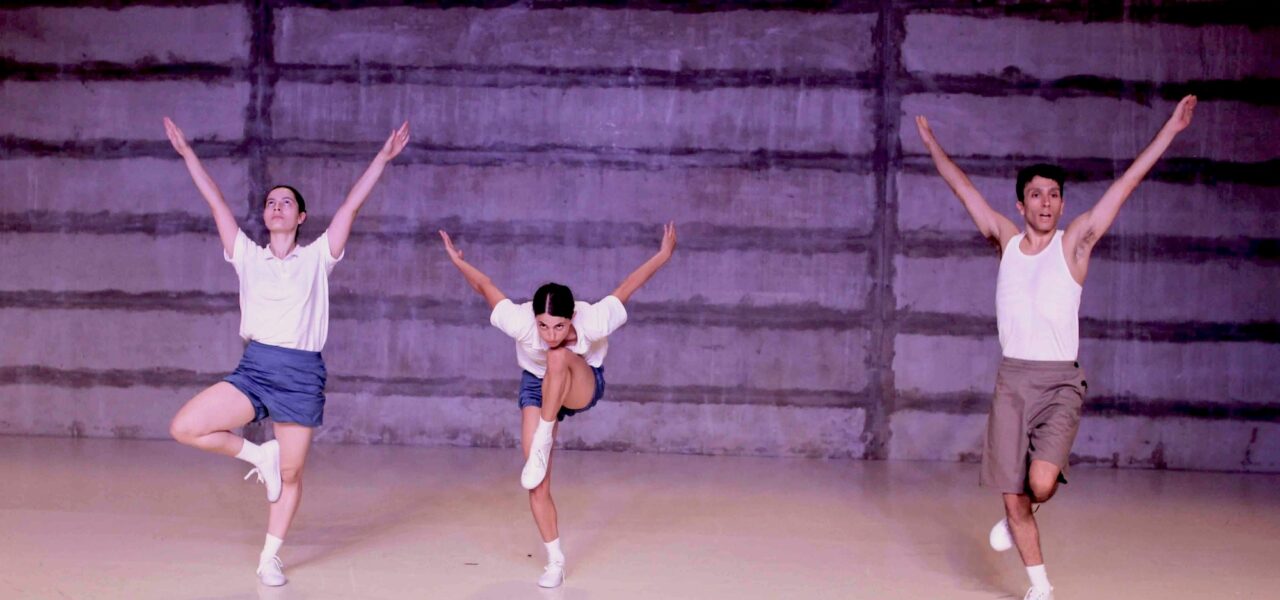
The work opens questions about the relationship between movement and education, education and ideology.Read more
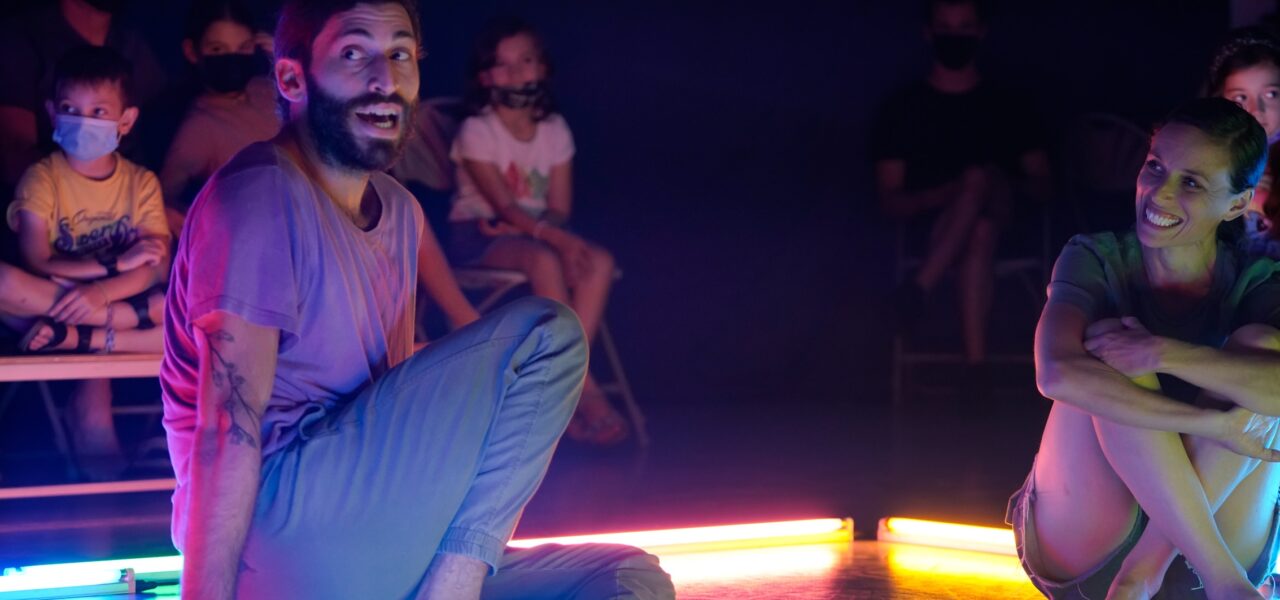
I’m about to use a word that parenting experts tend to hate: Etai’s Castle is simply… fun. Fun in the very best, most classic sense of the word. Like strawberry ice cream with sprinkles on a summer day.Read more
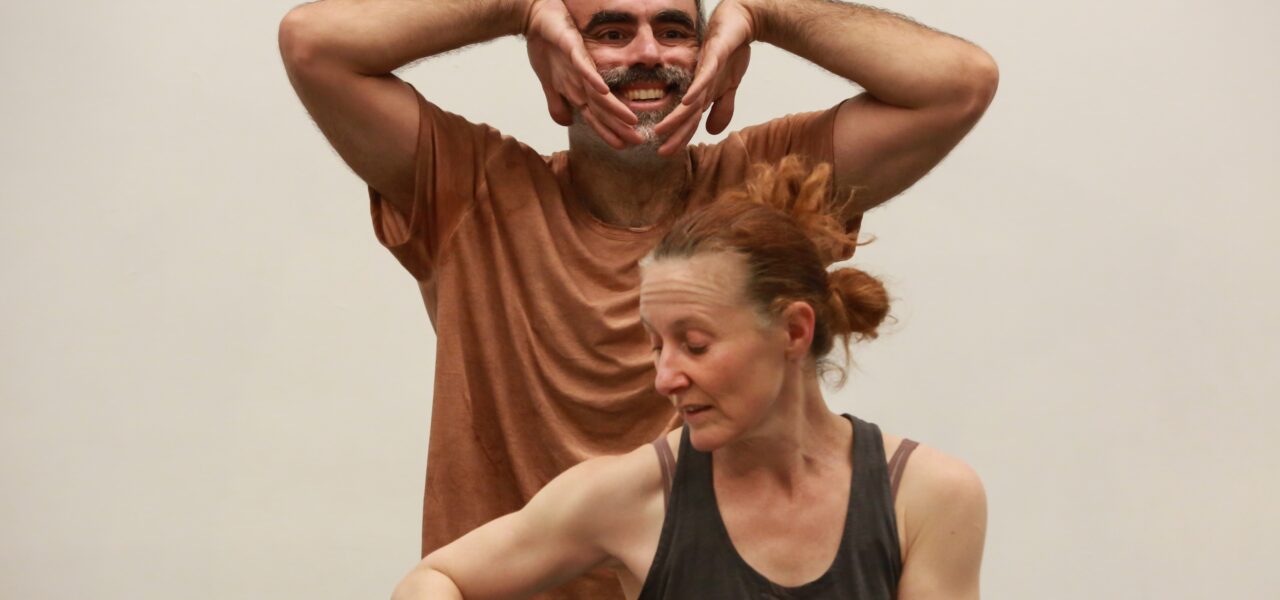
In this work, Dar demonstrates that good dance may turn its head backward, like Orpheus, but above all it surrenders itself to the present in every lifting of a dancer’s leg and every tossing of her head. It recognizes that “the pure present is the invisible progress of the past gnawing into the future. The truth is that every sensation is already memory,” as philosopher Henri Bergson wrote.Read more
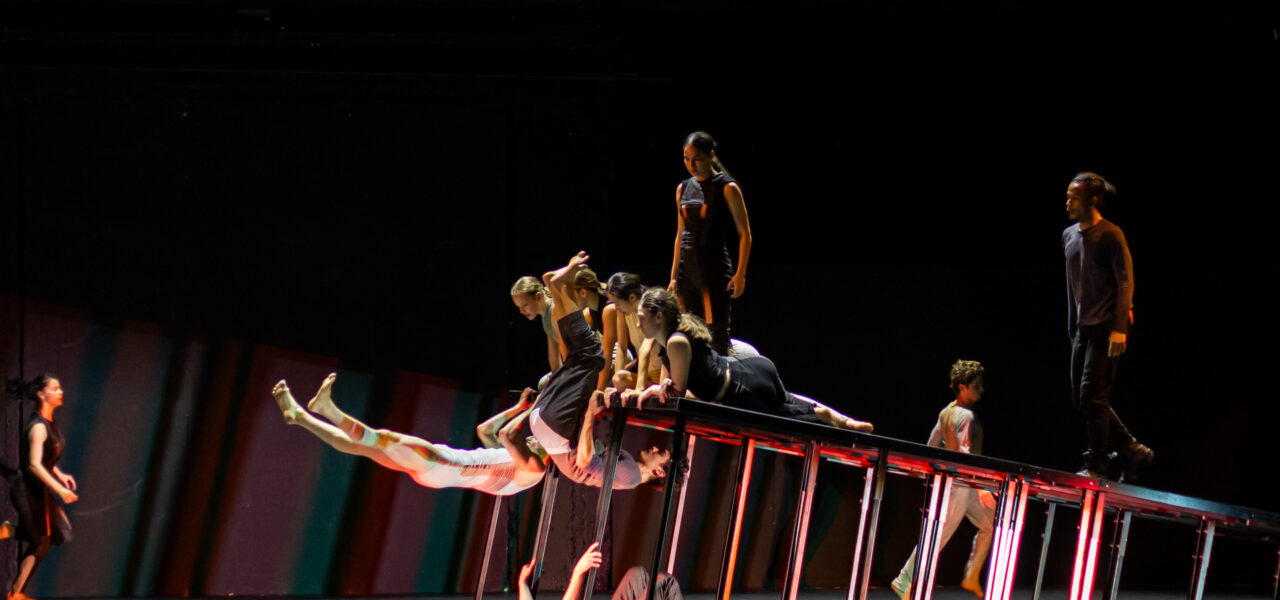
Both works powerfully express the emotions we’ve all been carrying through this past month and more: anxiety, terror, helplessness, the attempt to survive inside all this darkness.Read more
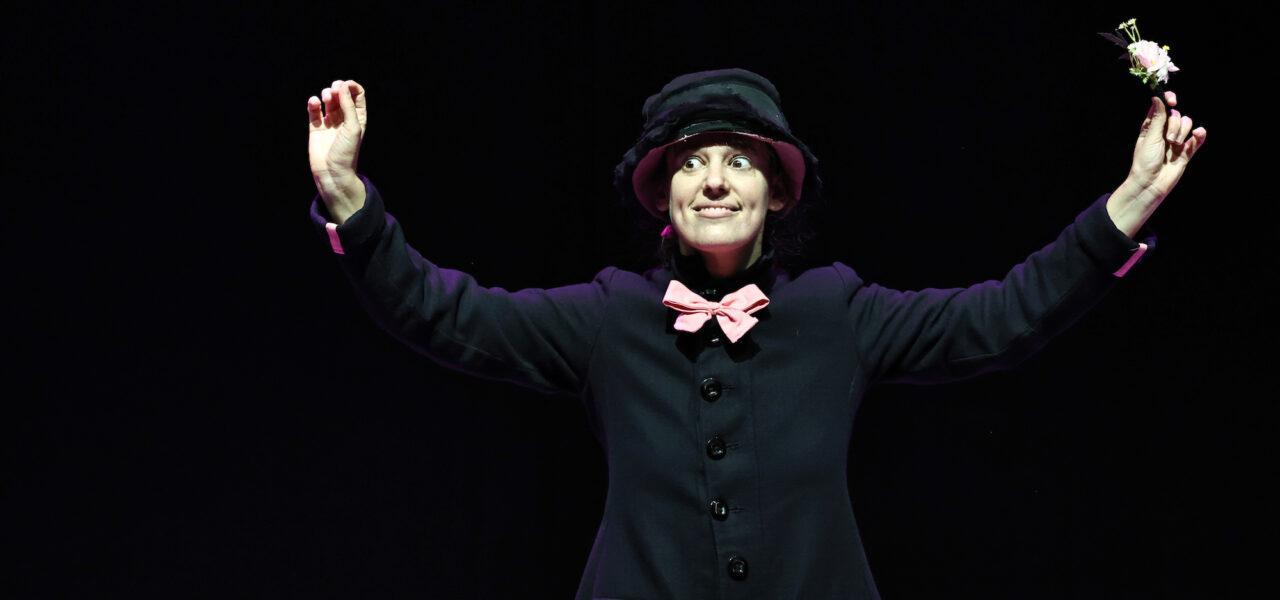
Popalinda in the Kingdom of Imagination is a dance-theater work for children, but first and foremost it is a work of the body. Adi Eytan as Popa and Shachar Dolinsky as Roberto, inspired by Mary Poppins and Bert (a wink also to the parents’ generation), create movement work that both children and adults can enjoy.Read more
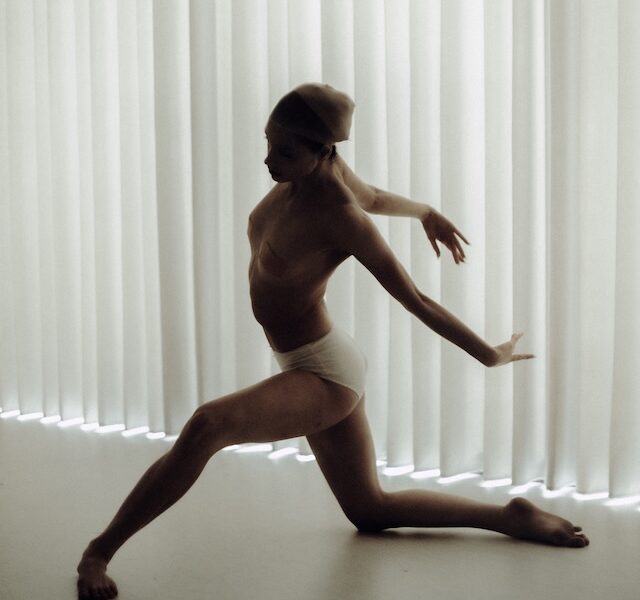
Each costume piece removed reveals not only Sirkis’ body but a transformation. A new character. A reference. A provocation. A version of how a body might be read.
She is not undressing.
She is multiplying.Read more
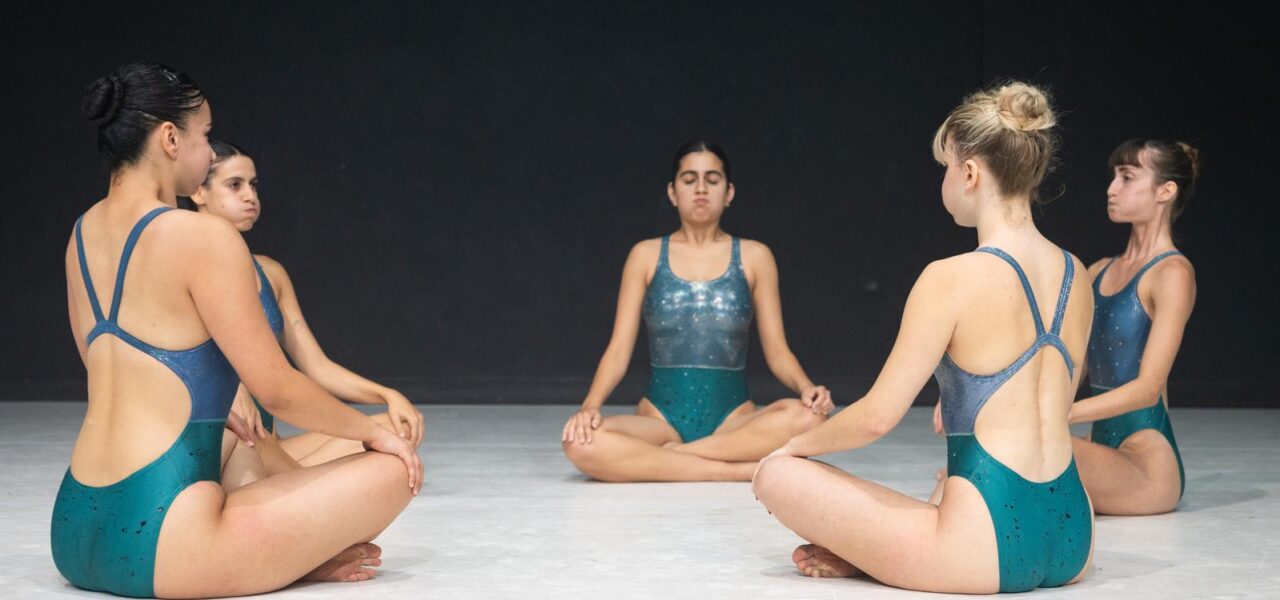
The greatness of a personal work, in my eyes, lies in its ability to touch even those who are far from its direct contexts. Podium does this wisely, and invited me to examine my relationship with rules, with the constant search for the firm hand and for excellence that are paired together in my imagination.Read more
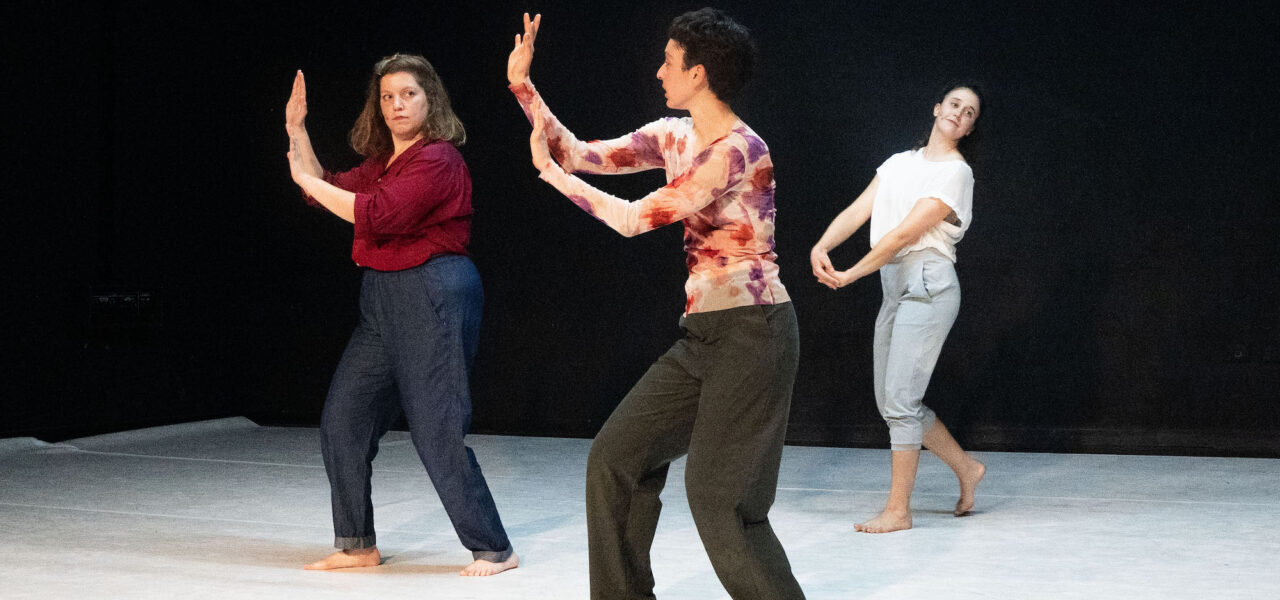
Throughout the work, the four performers repeatedly toy with the idea of transmuting thoughts into language; of expressing dance with words and vice versa; of making their inner and private dialects not only heard but understood by others — be it a dancer interpreting the choreographer’s score, a dancer reacting to a fellow dancer on stage or a dancer communicating her sensations and thoughts with the audience through words or movements.
Read more