

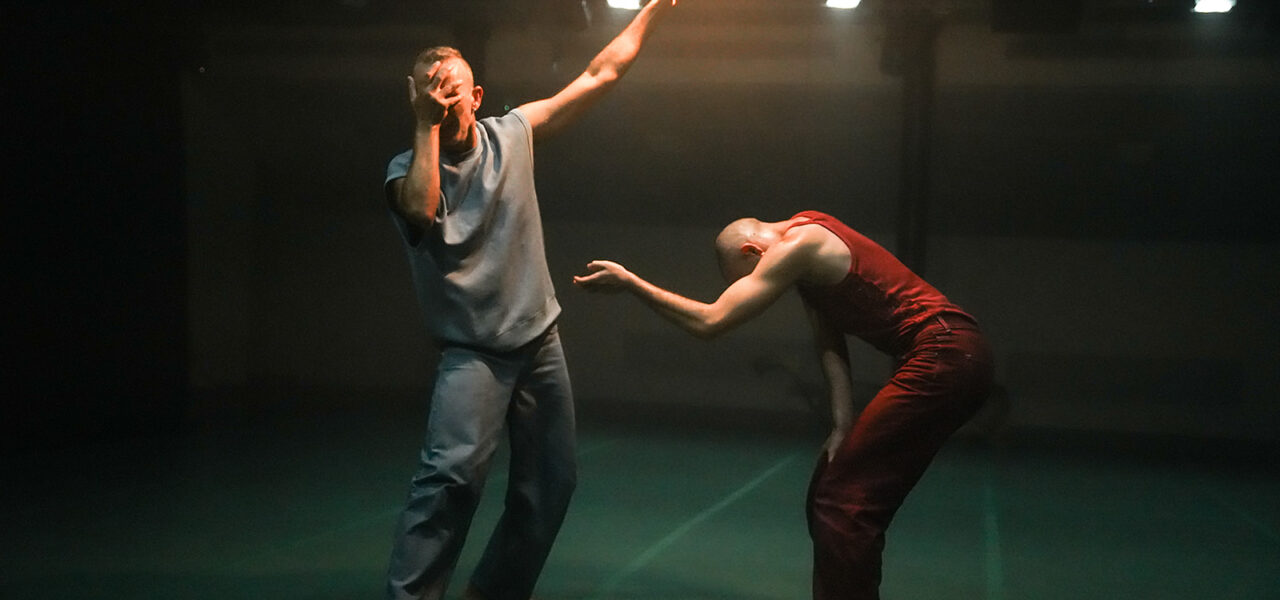
On stage, two men. One, 50 years of age. The other, 21. One wears a maroon ensemble, the other blue. They occupy a green floor alongside a stuffed deer whose origins trace back to the Dresden Opera Company. Yossi Berg, a brilliant performer, is no less intriguing, no less physical and no less commanding a presence than his counterpart, Ori Mbazbaz. Despite being at the beginning of his career, Mbazbaz is precise, grounded and direct. Together, these two men present a picture of life at different stages without falling prey to the societal tropes of aging.Read more
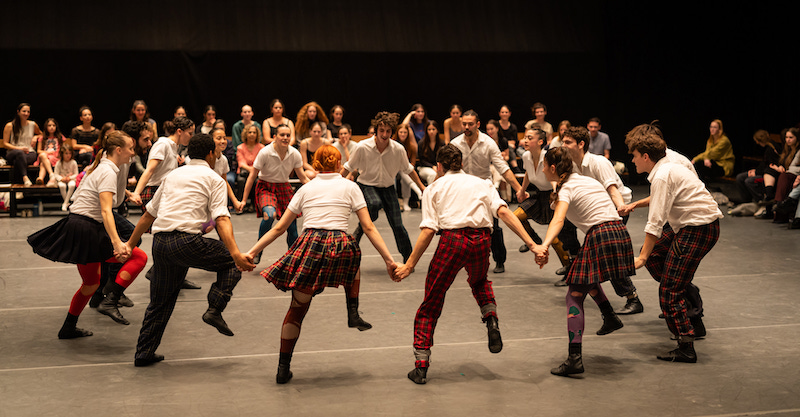
I wish for dance to offer this type of homecoming for my kids, an invitation to come home to themselves over and over again. For OUR kids. And the generations to come. Again and again. Keep extending the hand. Reach for the known to discover the unknown.Read more
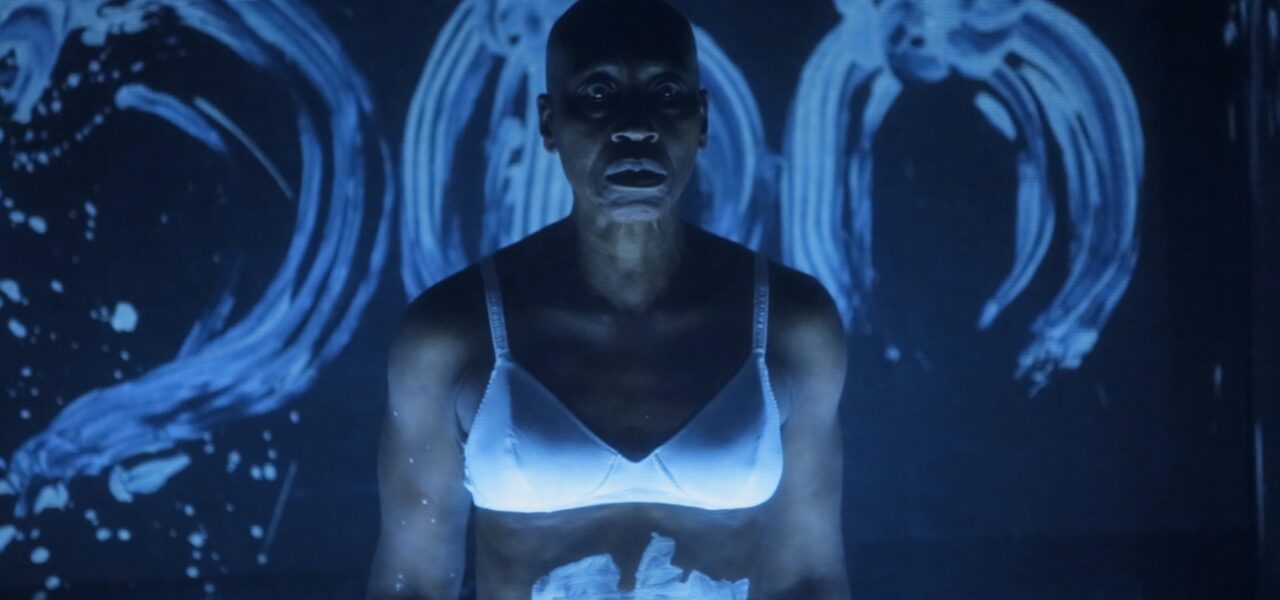
Anyone who comes to the film hoping for an orderly historical overview of the dancer, choreographer and teacher Germaine Acogny will not get what they came for. The film moves freely between present and past, between her works and those of other choreographers, between archival materials, moments from her private life and the renowned school she founded with her partner Helmut Vogt, École des Sables (School of the Sands). And there is something fundamentally right about this mixing.Read more
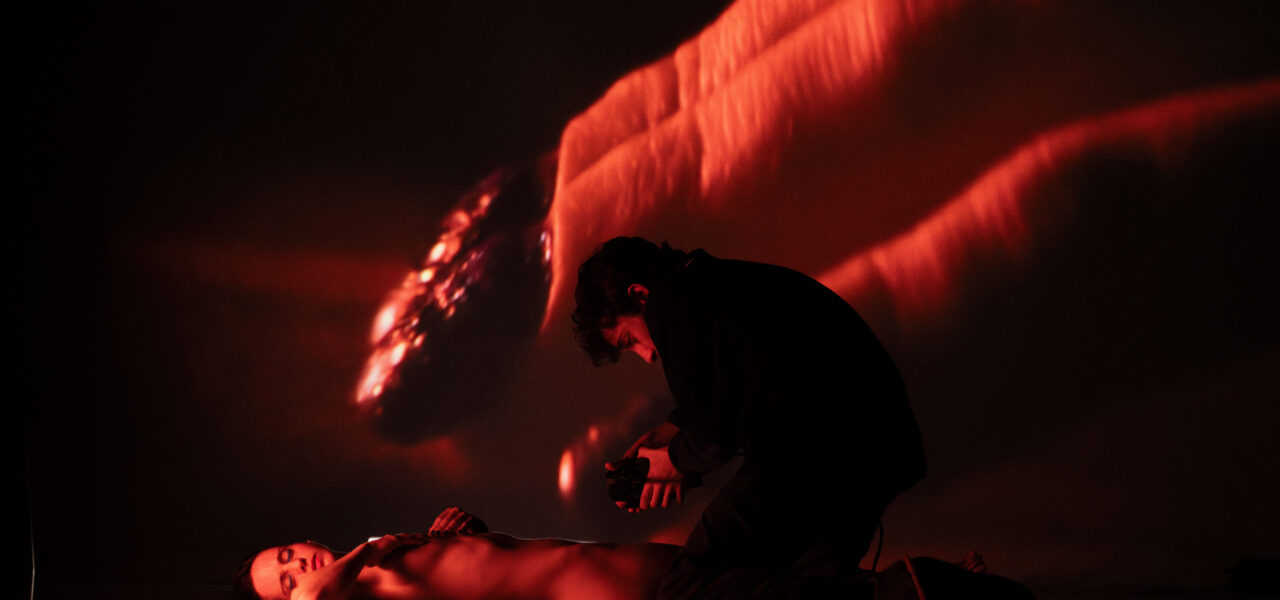
Onstage, a single, small woman dances in her real, mesmerizing, temporary and transient body. Behind her appears an entire company of identical figures. The projection is delayed, creating a canon. Instead of a corps de ballet or an elaborate ensemble of dancers, the dancer appears through dozens of reproductions of herself. This mechanical accumulation fills the stage with movement.Read more
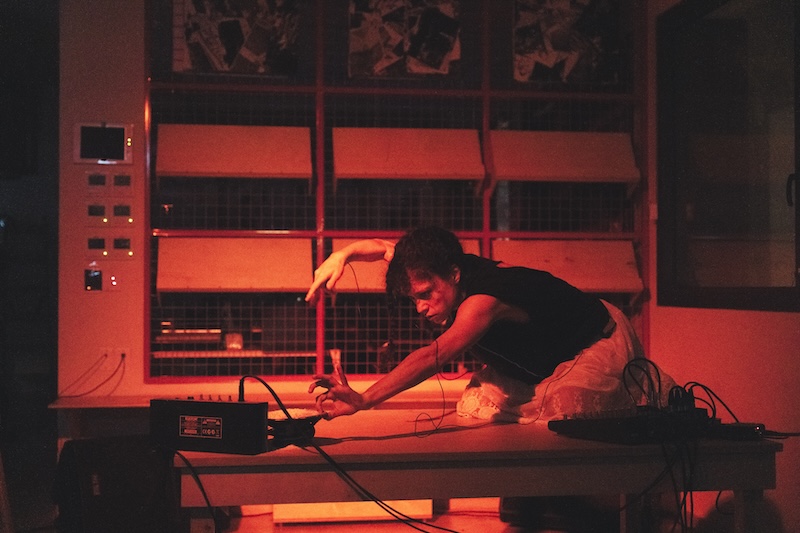
Before us is an experiment in sound, vibrations, movements of the body, voice. She has a unique physical language.
Movements repeated in a particular order create a structured choreography: a trembling cheek, gripping the nose, the head moving from side to side and backward.Read more
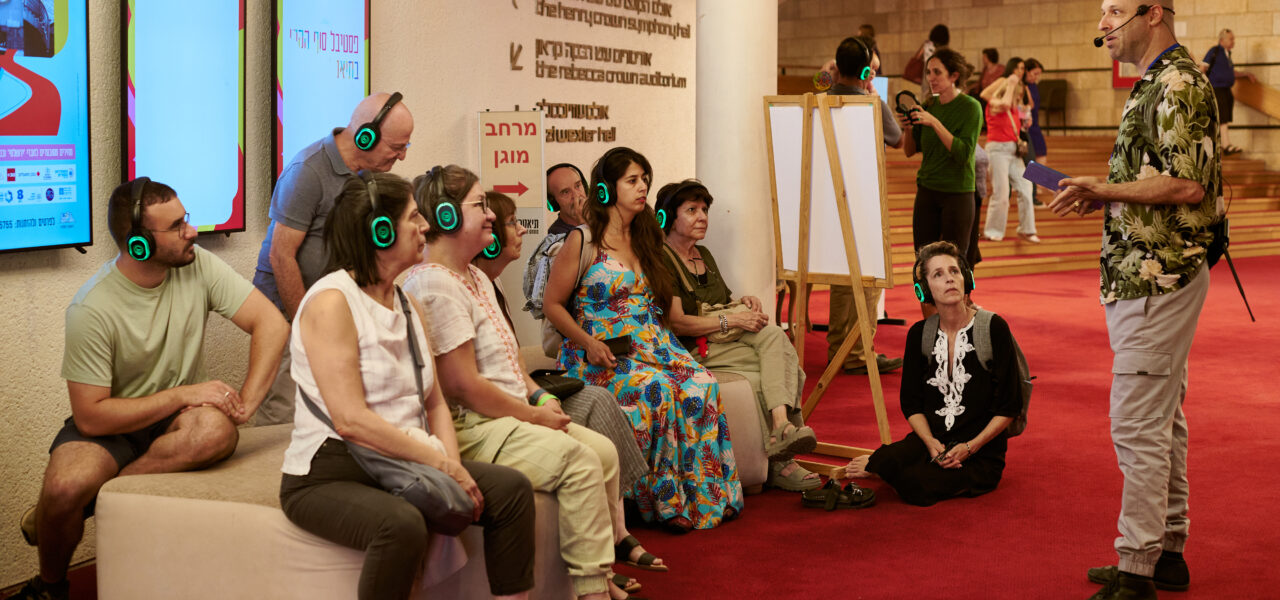
“Since the Israel Festival can no longer be a platform for international work, it has been asking itself what its role is at this moment,” Erez says.
Looking at this year’s program and those of previous years, the answer is very clear: the festival has taken it upon itself to create and sustain local art that thinks, that has compassion, that kicks back.Read more
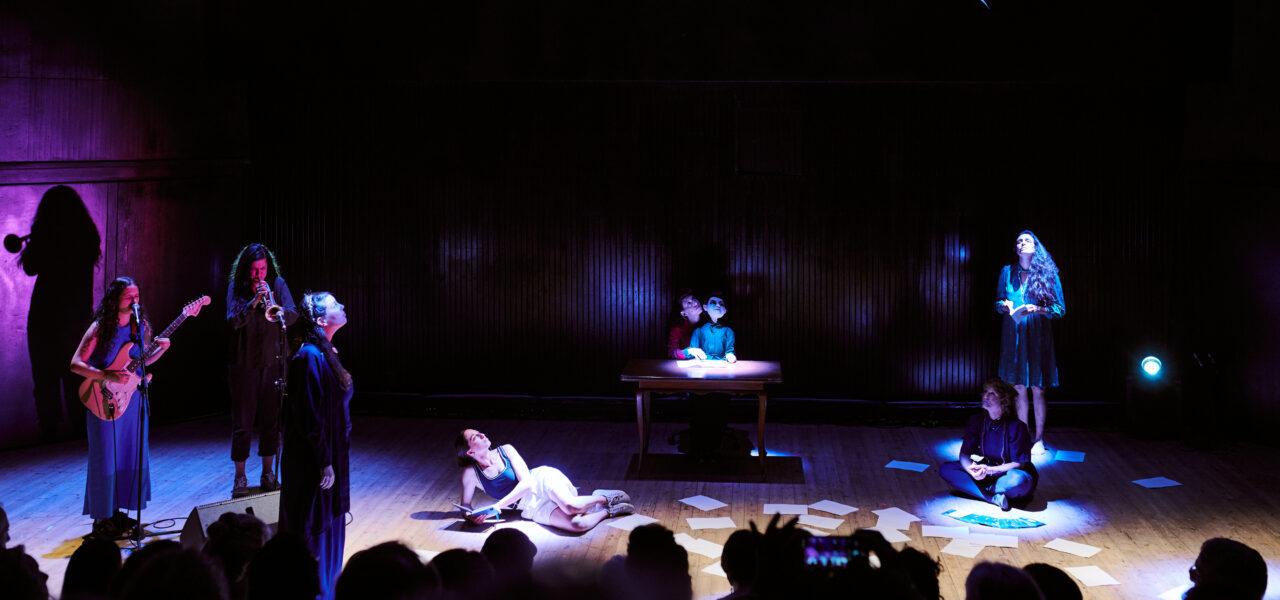
Before the audience, a kind of creative tapestry inspired by Hillesum was woven, speaking about her and with her through the experiences of our lives here today, and it was intelligent and delicate and moving and funny. And yet there was only one thing missing for me, one voice that was not heard or present onstage: the voice of the man, of the male performer.Read more
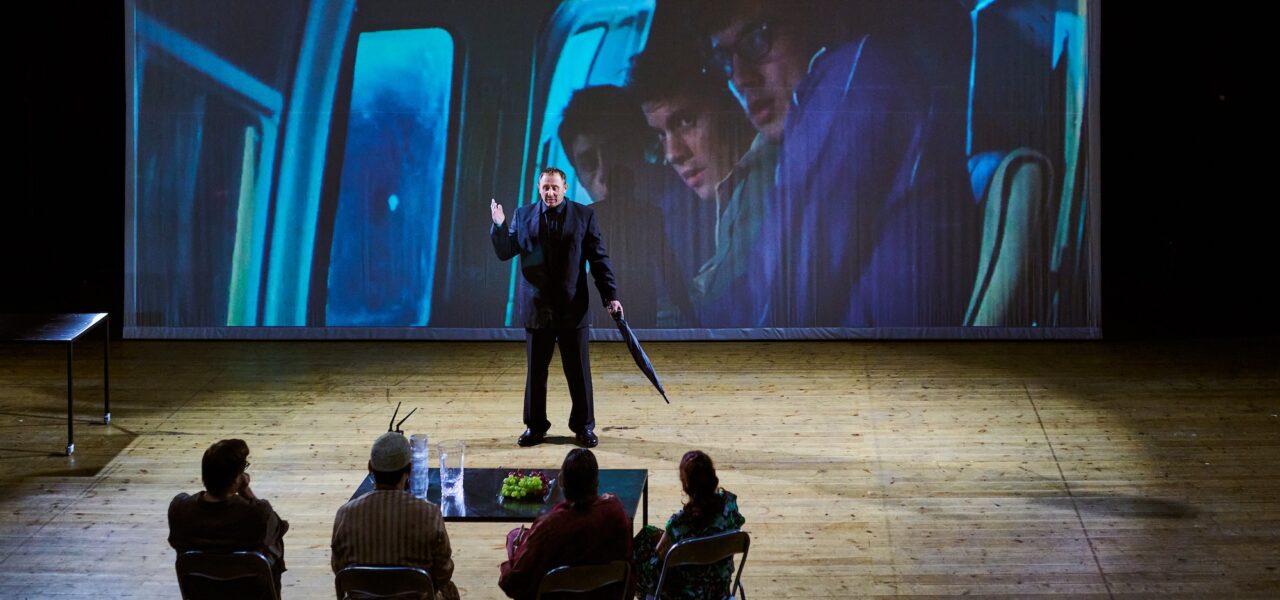
Jonathan and the work have managed to articulate a moving insight about the role of the extra in society as a whole, and not only in art. About the freedom afforded to marginal figures, beside whom the heroes seem domesticated, almost devoid of imagination. It is a beautiful way of unsettling the question of who tells the story, who is interesting to listen to, what stories we miss when we cling to familiar aesthetics and familiar melodies, and more broadly, what stories we allow ourselves to let slip away, to close ourselves off to, to lose.Read more
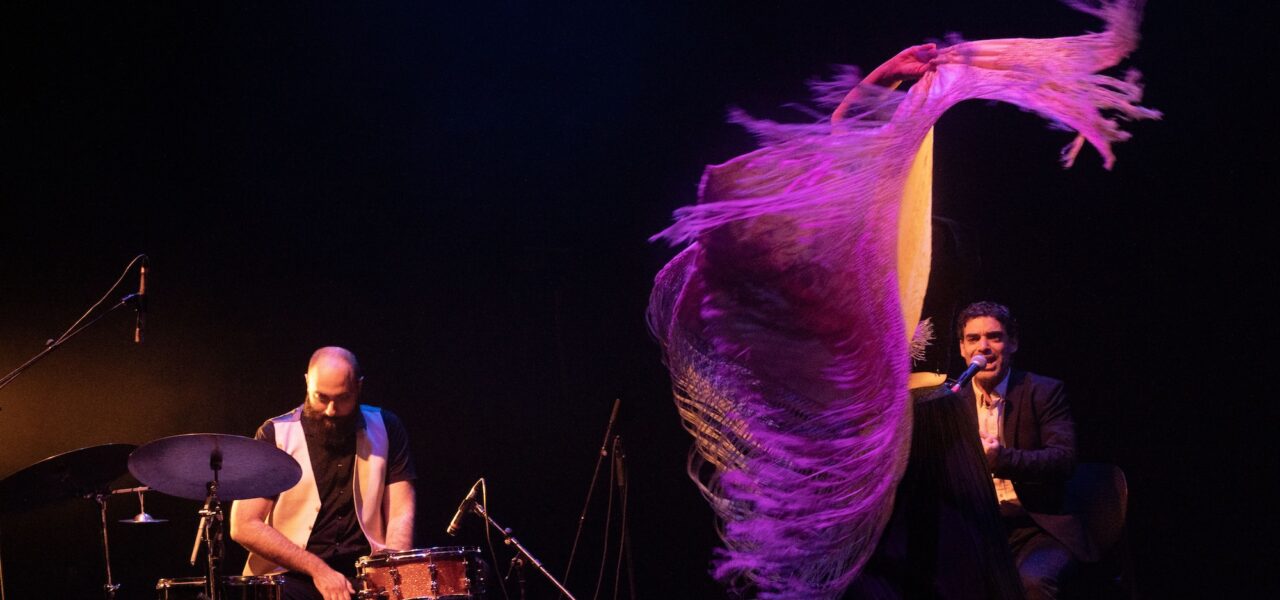
An epic evening fusing rich movement and sound cultures across the Mediterranean and Andalusia. Read more
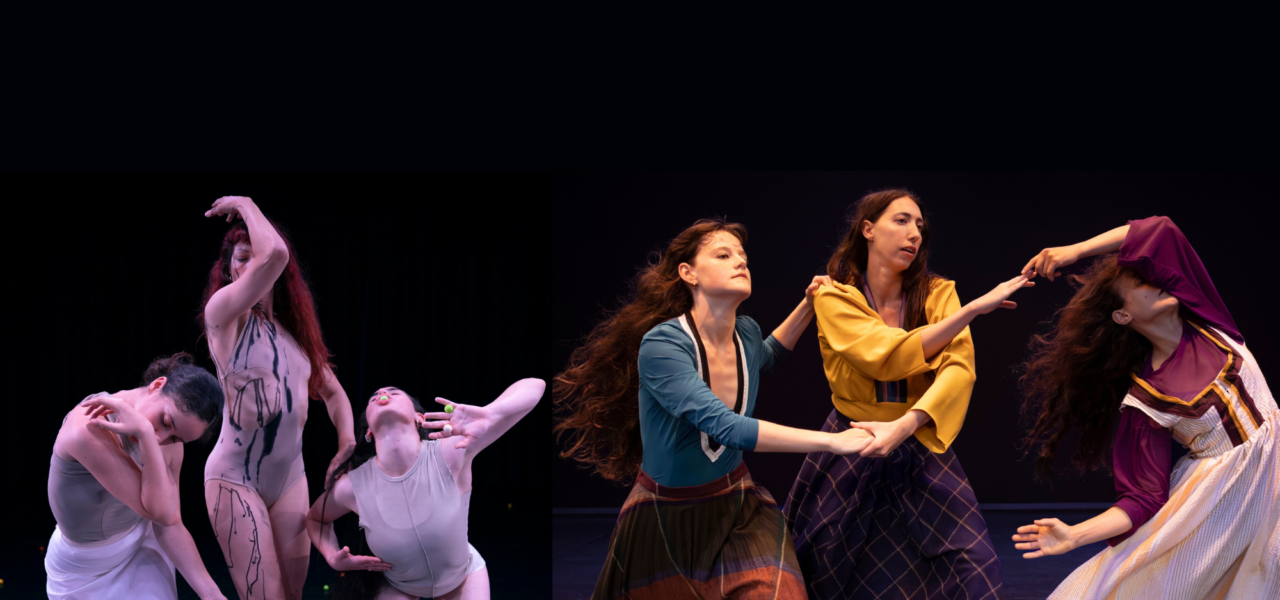
How does this type of artistic convergence happen?
Perhaps Bellahsen and Leibovits were growing in the same garden, drawing nourishment from the same soil.Read more