

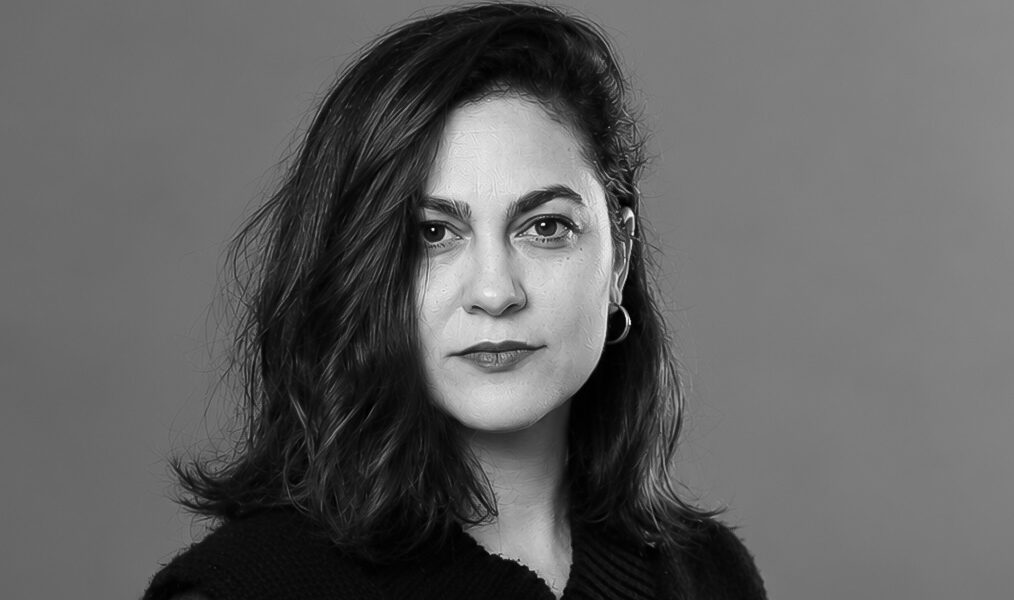
A former dancer, Mazor brings an embodied understanding of movement to her work, alongside a keen eye for moments that might otherwise disappear. Her presence in the theater is so discreet that audiences may not even notice her, yet she is one of the field’s most attentive observers, carrying with her a body of knowledge that encompasses the development of Israeli dance over the past decade and beyond.Read more

A normal person would categorize all skyborne activities as off-limits on family vacations and move on to other forms of entertainment. But, for a reason I could not exactly explain to myself until I heard Dana speak after her performance, I baked them into our holiday plans. On every vacation, I research the nearest cable car or funicular. Read more
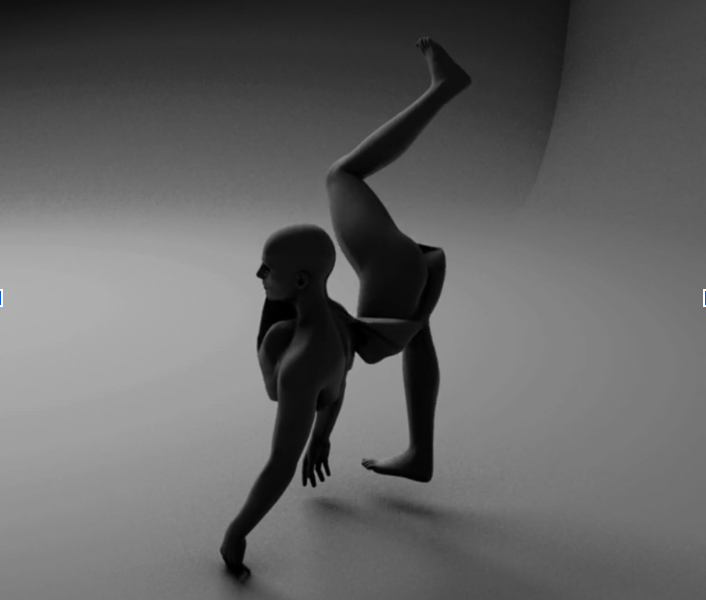
Our bodies are among the most significant tools available to us for perceiving and recognizing another person. The intercorporeal connection formed in the brain, partly through the activity of mirror neurons, may even dissolve the feeling that the person before us is a stranger, someone unfamiliar, and awaken an initial sense of empathy.Read more
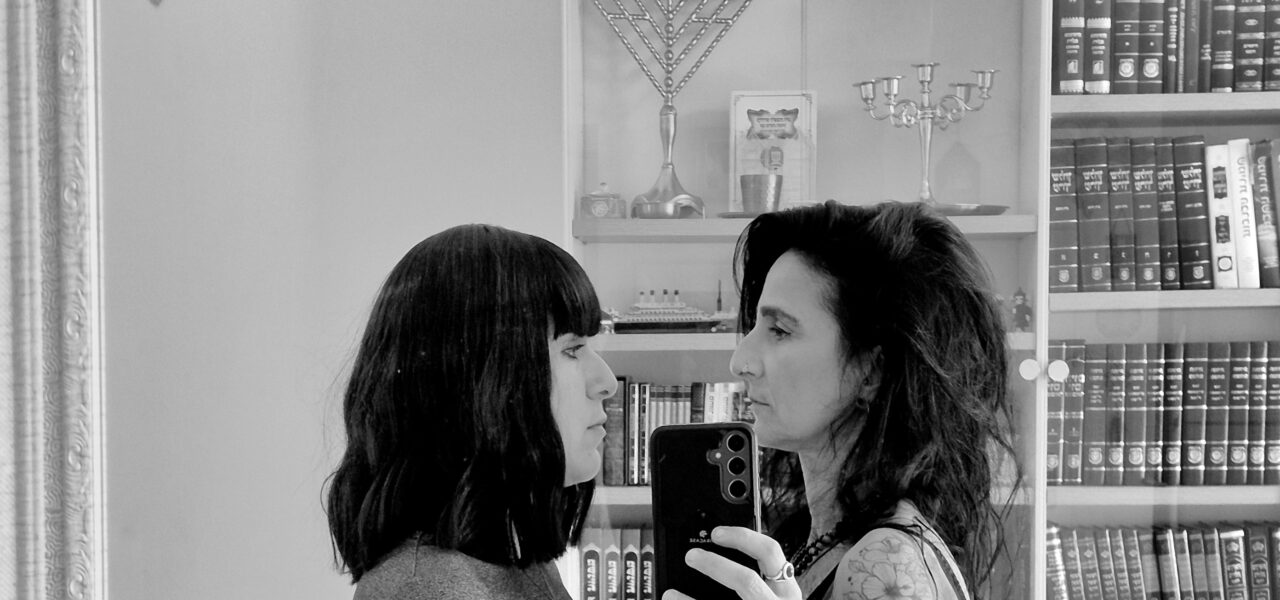
We grew up in the same home, sharing the same childhood memories, yet today our lives are far apart along almost every conceivable axis. She is ultra-Orthodox (a follower of Chabad), while I am traditional. In this work, the complex encounter between us takes place in front of a mirror. The mirror is, ostensibly, the antithesis of the Other, a place where we are accustomed to searching only for ourselves. But when we stand before it together, the mirror begins to crack. It forces us to look not only at our own reflection, but at the reflection of the Other within ourselves.Read more
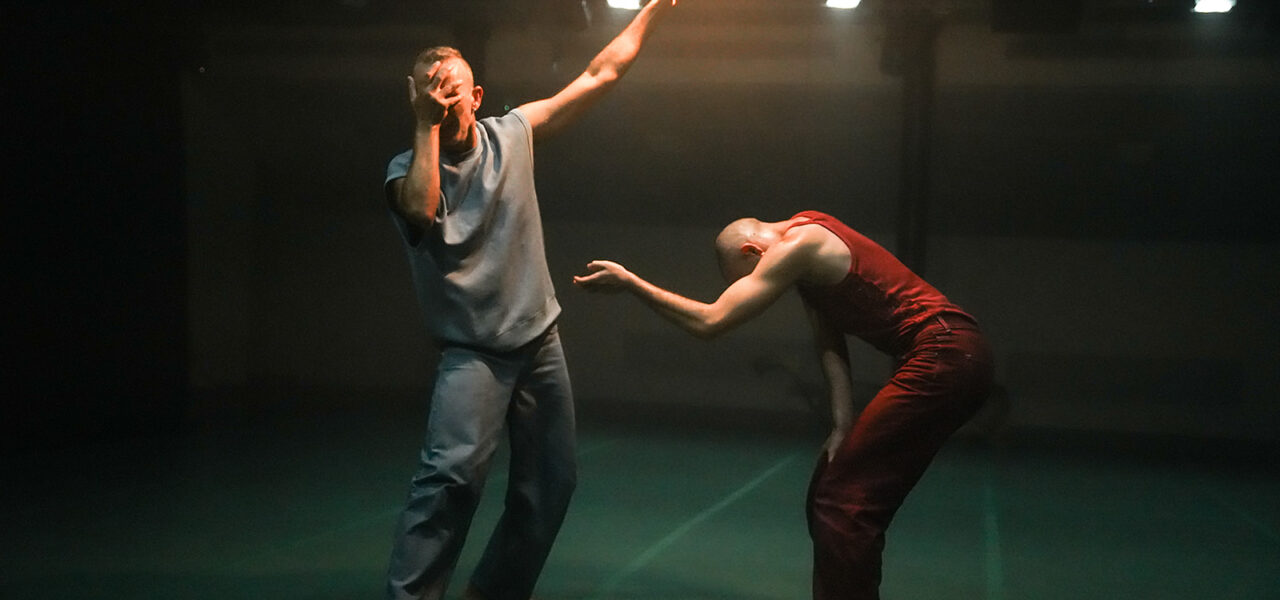
On stage, two men. One, 50 years of age. The other, 21. One wears a maroon ensemble, the other blue. They occupy a green floor alongside a stuffed deer whose origins trace back to the Dresden Opera Company. Yossi Berg, a brilliant performer, is no less intriguing, no less physical and no less commanding a presence than his counterpart, Ori Mbazbaz. Despite being at the beginning of his career, Mbazbaz is precise, grounded and direct. Together, these two men present a picture of life at different stages without falling prey to the societal tropes of aging.Read more
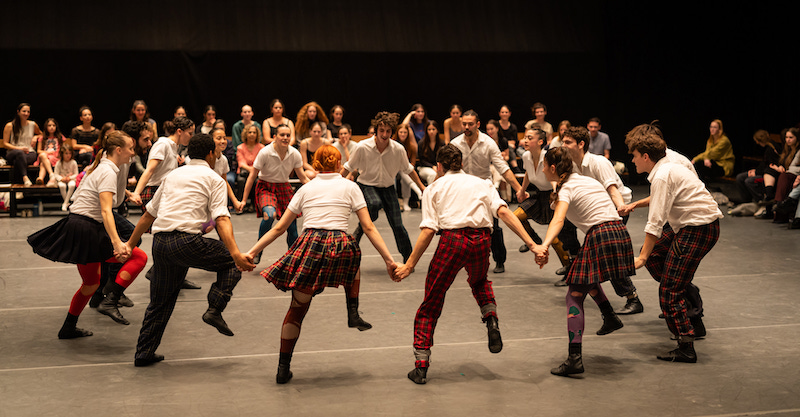
I wish for dance to offer this type of homecoming for my kids, an invitation to come home to themselves over and over again. For OUR kids. And the generations to come. Again and again. Keep extending the hand. Reach for the known to discover the unknown.Read more
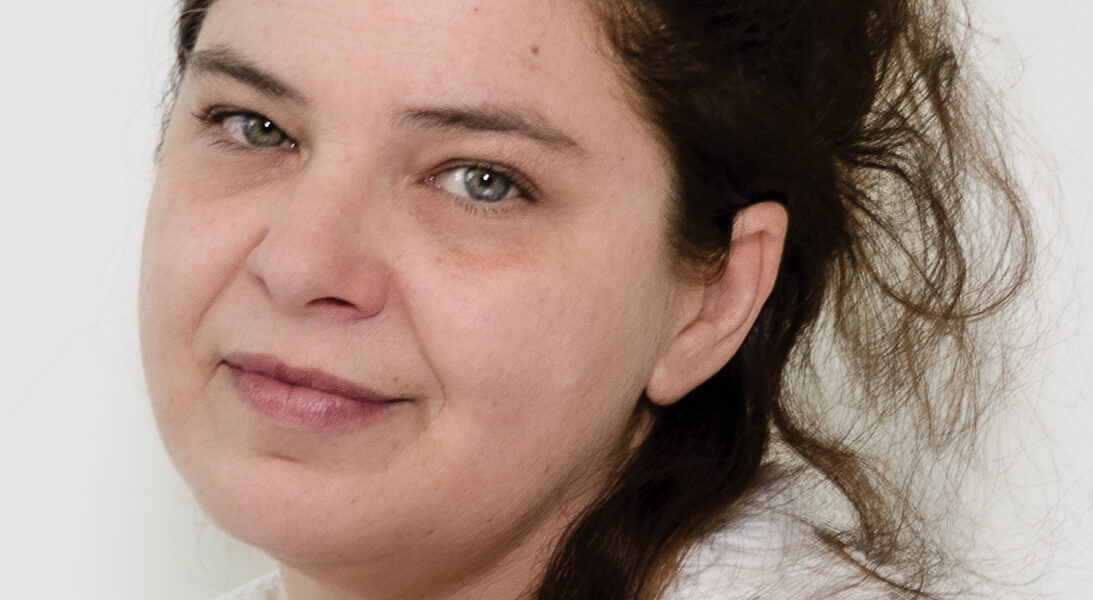
Laetitia Boulud is one of the more elusive characters in the Israeli dance community. Her name is whispered between choreographers looking for someone to elevate their productions, be it via stage design or online presence. A multidisciplinary artist in her own right, Boulud has become known for her sharp eye, clean aesthetic and no-nonsense attitude. As perhaps the only art director working in the local dance scene, she is both creating beautiful work and introducing a new function into the field.Read more
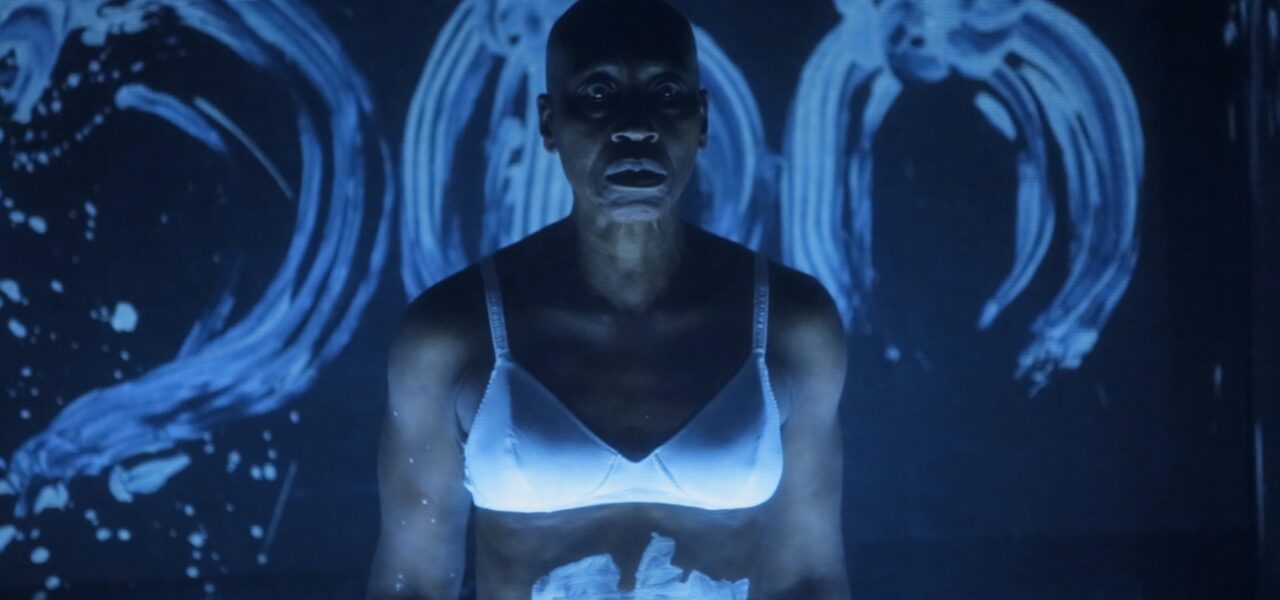
Anyone who comes to the film hoping for an orderly historical overview of the dancer, choreographer and teacher Germaine Acogny will not get what they came for. The film moves freely between present and past, between her works and those of other choreographers, between archival materials, moments from her private life and the renowned school she founded with her partner Helmut Vogt, École des Sables (School of the Sands). And there is something fundamentally right about this mixing.Read more
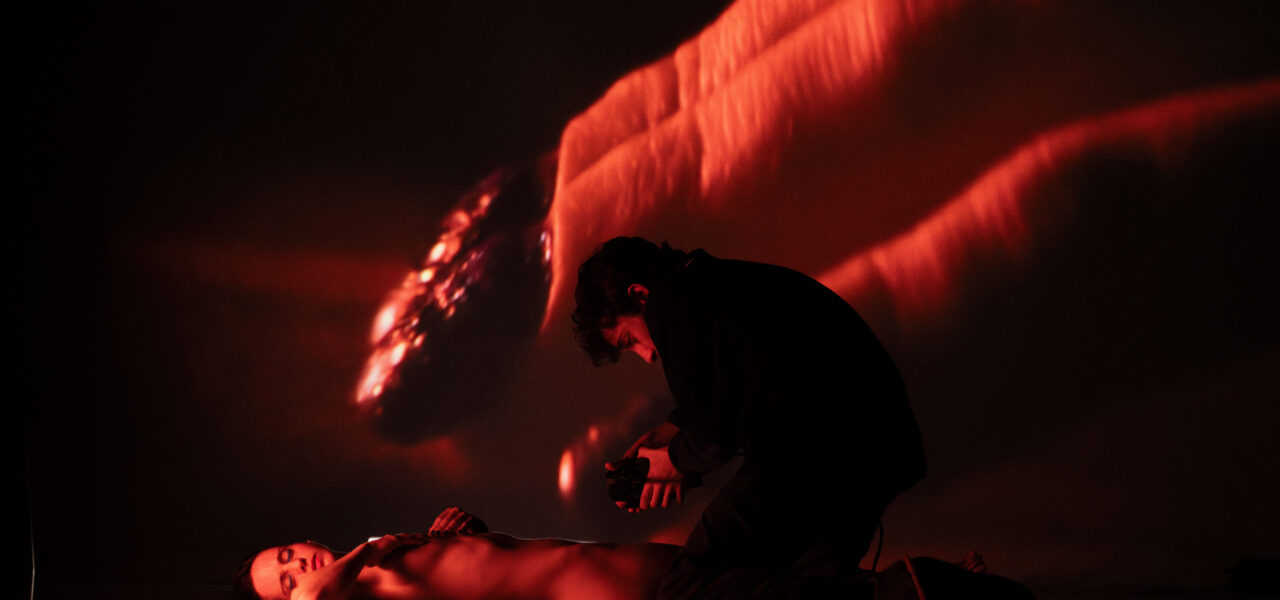
Onstage, a single, small woman dances in her real, mesmerizing, temporary and transient body. Behind her appears an entire company of identical figures. The projection is delayed, creating a canon. Instead of a corps de ballet or an elaborate ensemble of dancers, the dancer appears through dozens of reproductions of herself. This mechanical accumulation fills the stage with movement.Read more
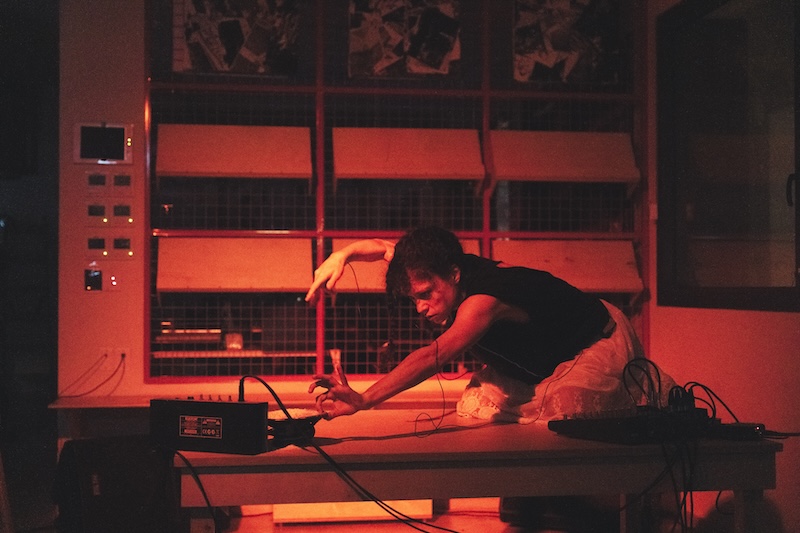
Before us is an experiment in sound, vibrations, movements of the body, voice. She has a unique physical language.
Movements repeated in a particular order create a structured choreography: a trembling cheek, gripping the nose, the head moving from side to side and backward.Read more