
רשמים בעקבות צפייה ב”הלך רוח” – דואט מחול משולב הרצאה חווייתית על פעולת ההליכה / מאת טלי זבילביץ’ (בהשתתפות רוני הלר)
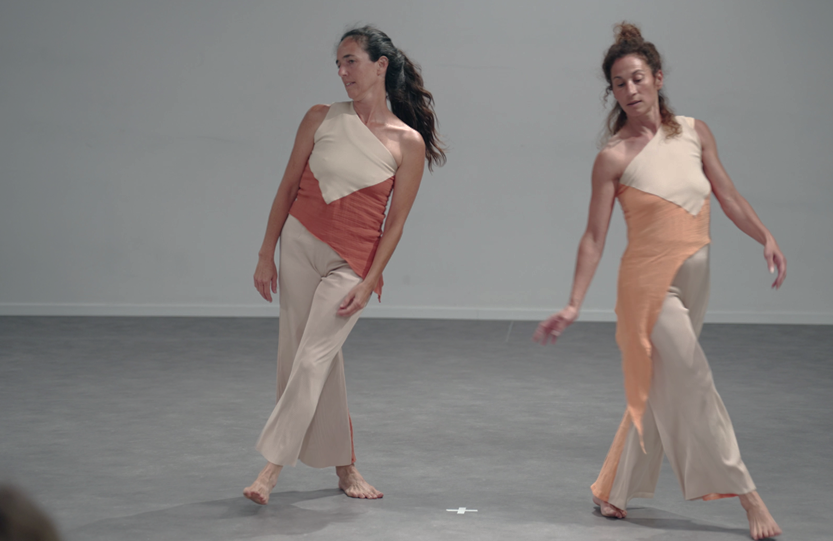
*צילום אביעד פוקס
English follows
הליכה. פעולה כה בסיסית, פשוטה ומוכרת – וכדרכם של הדברים הפשוטים, לעיתים קל לשכוח כמה מורכבות ועושר טמונים בתוכה. בתזמון מושלם בין איברי הגוף השונים, אנו מעבירים משקל, מכופפים, מיישרים, מותחים, משחררים, מפתלים, וחוזר חלילה. גופינו מנגן סימפוניה מרובת כלים והרמונית להפליא, בקלות ולרוב ללא מאמץ. ביצירתה “הלך רוח” טלי זבילביץ’ חוקרת את פעולת ההליכה לעומק ולרוחב ומאפשרת לנו, הקהל, לגלות מחדש את הריקוד המופלא אותו אנו רוקדים כל יום.
*
הרקדניות נכנסות לבמה, וטלי מזמינה אותנו לחלוץ נעליים (אם מתאים) ולצאת יחד עימן למסע משותף. “אל תדאגו, אני לא אבקש מכם שום דבר חוץ מללכת”. תזכורת חשובה בקונטקסט של מחול-משלב-קהל, ואני מרגישה שהמשפט הזה מאפשר לעוד אנשים להעיז ולצאת מהמרחב הבטוח של כיסאות הישיבה. “אם אתה יכול ללכת, אתה יכול לרקוד”, אומר הפתגם האפריקאי, והנה כולנו כבר רוקדים. טלי מנחה אותנו ברגישות רבה ועם הרבה שאלות. השאלות מפנות את הקשב לאיזורים שונים בגוף, לחוויית ההליכה והדריכה, ומציעות הצעות שונות – חלקן מוכרות לי וחלקן מאפשרות חוויות חדשות לחלוטין. אני מרגישה שאני בו-בזמן בשיעור פלדנקרייז, בסדנת מחול ובמופע מחול, וכשאני מביטה מסביב אני רואה אנשים נהנים, חוקרים, מקשיבים פנימה והחוצה. בדיוק כשטלי מבקשת מאיתנו להרגיש את המשקל מעל כפות הרגליים אני רואה מולי אישה עם פרוטזה ואני חושבת, מעניין מה החווייה שלה? אישה עם צליעה קטנה לידי מעבירה משקל מרגל לרגל, ואני מנסה לנחש איפה הכאב שלה. בחור הולך לצידי ואני רואה שהוא נושא אקדח, ופתאום המציאות מכה בי לרגע, והכאב שלי מכביד על כפות הרגליים. טלי מנחה אותנו לדמיין כאילו אנחנו הולכים במעלה הר, ואני מרגישה שאין צורך לדמיין, הרי כולנו מרגישים כך כבר שנתיים לפחות. אני נזכרת במשפט היפה של מוחמד עלי:
“It isn’t the mountains ahead to climb that wear you out; it’s the pebble in your shoe.”
אנחנו חוזרים למקומותינו עם טעם של עוד ועם הערכה מחודשת לרגליים הנושאות אותנו אל הכיסא הנבחר.
*
הרקדניות מתמקמות בקדמת הבמה, יורדות אל הקרקע, ונשכבות על הריצפה. אנו רואים אותן מניעות את כפות הרגליים והידיים, כאילו מגלות אותן מחדש. אני מביטה על כפות רגליהן ומתפעלת. עשרים ושש עצמות, יותר משלושים מפרקים, עשרות גידים ורצועות. מבנה ארכיטקטוני מתוחכם, המאפשר גמישות ויציבות בו זמנית. כמו זיקית המשנה את צבעה בהתאם לסביבה, כף הרגל מתאימה את עצמה לדרישות החיים, יצירת מופת וורסטילית, שלמה ומושלמת.
מתוך החקירה הפנימית נולד הצורך לנוע במרחב, ומכאן והילך אנו עדים להליך אבולוציוני מזורז, בו התנועה על הריצפה מתרוממת קומה-אחר-קומה עד שהיא מגיעה לזקיפות. טלי ורוני פורסות בפנינו מגוון רחב של אפשרויות התניידות – locomotion, באנגלית זה נשמע יותר טוב – כשכל קומה מאפשרת דפוסי תנועה והבעה ייחודיים. כשהן נעות על הגחון וגומעות את המרחב מסביבן, אני רואה מולי שתי חיות רעבות בעקבות הטרף. כשהן נעות על ארבעת הגפיים, אני רואה גורי נמרים משחקים זה עם זה בשובבות. כשהן על הברכיים אני נזכרת במופע האחרון שצפיתי בו וכתבתי עליו – Sepia של סתיו סטרוז בוטרוס – ואני רואה מולי זוג לוחמות גאורגיות. פתאום, כשהן מרימות את האגן מעל הראש ומתקדמות כך, אני עוברת לעולם שכולו צורות גאומטריות, כמו ביצירות מחול הבאוהאוס של אוקסר שלמר.

Die Buhne im Bauhaus, 1925
ואז, זה קורה. שתי כפות רגליים פוגשות את הקרקע – ולמרות שהן רק שתיים, מגוון הדרכים לנוע עליהן נדמה כאינסופי. כל דפוס הליכה מתחבר לי לארכיטיפ של מערכת יחסים בין שתי דמויות. פעם אני רואה אותן כשתי ילדות-חברות, מדלגות להן חזרה מבית הספר. כשהן נעות בהצלבה, עם מבט מפתה ומושך, אני רואה אותן כנשים בוגרות, אולי מתחרות על תשומת הלב של אדם אחד. פעם הן אם ובת, ואז שני לוחמים, ושוב שתי רקדניות, ולעיתים אישה והצל שלה. כל שינוי קטן בהפניית הראש, סיבוב האגן ופיתול כתפיים משנה את סיפור-ההליכה.
אני חושבת על יצירה מאד שונה של אן תרזה דה קירסמאקר, בו שתי נשים (ומספר משתנה של צלליות) נעות סביב עצמן, בתנועה רפטטיבית המושתתת על פעולת ההליכה. מינימליסטית כמו המוסיקה של סטיב רייך, היא מאפשרת לנו לצלול לתוך החזרתיות של ימין-שמאל-ימין-שמאל. היצירה של טלי זבילביץ’ מפתחת את שלל הוריאציות של הנושא – פעולה ההליכה – מבלי לברור או לסדר אותן באופן היררכי עבורינו. אני מרגישה שאני נמצאת בארוחת טעימות גדולה, מרהיבה, בשולחן רחב ועמוס כל-טוב. וגם אם מסקרן אותי לטעום כמה מנות יותר לעומק, או דווקא לנוח מאכילה לרגע, המלצרים ממשיכים להגיש עוד ועוד אפשרויות.
וכך, כמעט ללא הפוגה, הן נעות במרחב במסלולים אלכסוניים שבאורח פלא כמעט ולא נפגשים. קצת כמו אשליה אופטית, המסלול האלכסוני של תנועתן במרחב מייצר שתי התרחשויות הקורות במקביל, וכיאה לקווים מקבילים – הם חולפים זה על פני זה ללא נקודת השקה. כל אחת מפסלת את צעדיה במרחב, וביחד הן מייצרות תנועה רבה, מסחררת אפילו, עד כדי כך שכשהיא מגיעה אל הסוף – והמופע נגמר – הקהל מהסס קצת. מביט לאחור, לבמה, מחכה לראות את ההמשך.
היצירה של טלי זבילביץ’ פורסת בפנינו יריעה רחבה ומאפשרת הצצה לסיפורים הנתסרים בתוך כל צעד. החוויה השלמה של ההרצאה-התנסות והמופע ייצרו ערב מרתק ומלא בתחושות, שליוו אותי גם בהליכה חזרה הבייתה. אני סקרנית לגלות לאן היצירה תלך (pun intended) – למשל, דמיינתי עוד רגעים של מנוחה והפוגה, מעין זמן עיכול. דמיינתי גם ביצוע עם קאסט עם יכולות מגוונות, שיכול להאיר עוד איכויות ופרטים עלינו, ההולכים על שניים, ומביטים אל האופק בתקווה.
טלי זבילביץ׳ הציגה את ׳הלך רוח׳ ב5.6.2025 בסטודיו זהבה, מרכז סוזן דלל.
Reflections after viewing Mindset – a dance duet interwoven with an experiential lecture performance on the act of walking- by Tali Zavilevich (in collaboration with Ronnie Heller)
Walking. Such a fundamental, simple, familiar act – and like many simple things, it’s easy to forget the complexity and richness within. With perfect timing among various parts of the body, we shift weight, bend, straighten, stretch, release, twist – and repeat. Our body plays a symphony of many instruments, astonishingly harmonious, performed with ease and often without effort. In her piece Mindset, Tali Zavilevich explores the act of walking in depth, allowing us, the audience, to rediscover the marvelous dance we all perform every day.
*
The dancers enter the stage, and Tali invites us to take off our shoes (if we feel comfortable) and join them on a shared journey. “Don’t worry, I won’t ask anything of you except to walk.” An important reminder in the context of audience-participation dance piece, and I feel this statement gives more people permission to step out of the safety zone of their seats. “If you can walk, you can dance,” says the African proverb, and here we are, dancing already. Tali guides us with great sensitivity, asking many questions. Her questions direct our attention to different parts of the body, to the experience of walking and stepping, offering various suggestions – some familiar, others completely new. I feel like I’m simultaneously in a Feldenkrais class, a dance workshop, and a performance. Looking around, I see people enjoying, exploring, listening inward and outward.
Just as Tali asks us to feel the weight above our feet, I notice a woman in front of me with a prosthetic leg and wonder: what is her experience like? A woman beside me with a slight limp shifts her weight from foot to foot, and I try to guess where her pain resides. A man walks near me, and I see he’s carrying a gun, and suddenly reality hits me, and my own pain weighs heavily on my feet. Tali invites us to imagine we’re walking uphill, and I feel there’s no need to imagine – we’ve all felt that way for at least two years now. I’m reminded of Muhammad Ali’s beautiful quote:
“It isn’t the mountains ahead to climb that wear you out; it’s the pebble in your shoe.”
We return to our seats with a taste for more and a renewed appreciation for the legs that carry us to our chosen chair.
*
The dancers position themselves at the front of the stage, descend to the ground, and lie down. We watch them move their feet and hands, as if discovering them anew. I gaze at their feet in awe. Twenty-six bones, over thirty joints, dozens of tendons and ligaments. A sophisticated architectural structure enabling both flexibility and stability. Like a chameleon changing its color to match the environment, the foot adapts to life’s demands – a versatile, complete, and perfect masterpiece.
From this inner exploration, the need to move through space is born. We witness an accelerated evolutionary process, where floor-bound movement rises step by step until it reaches upright posture. Tali and Ronnie lay out a vast array of locomotion possibilities, each level enabling unique movement and expressive patterns. As they crawl and traverse the space, I see two hungry animals tracking their prey. On all fours, I see playful tiger cubs. On their knees, I recall the last performance I saw and wrote about – Sepia by Stav Struz Boutrus – and I see two Georgian warriors. Suddenly, when they lift their pelvis above their heads and move forward like that, I enter a world of geometric shapes, reminiscent of the Bauhaus dance works by Oskar Schlemmer.
Die Buhne im Bauhaus, 1925
And then, it finally happens. Two feet touch the ground – and though there are only two, the number of ways to move on them seems infinite. Each walking pattern evokes an archetype of a relationship between two characters. At one moment, they are two young girlfriends skipping home from school. Moving crosswise, with a tempting, alluring gaze, they appear as grown women, perhaps competing for one person’s attention. One moment they are mother and daughter, then two warriors, then two dancers again, and at times a woman and her shadow. Every small change in head direction, hip rotation, and shoulder twist transforms the walking narrative.
I think of a very different piece by Anne Teresa De Keersmaeker, where two women (and a variable number of shadows) move around themselves in repetitive motion based on walking. Minimalist like Steve Reich’s music, it invites us to dive into the repetition of right-left-right-left. Tali Zavilevich’s piece develops a wide array of variations on the theme – the act of walking – without organizing or prioritizing them for us. I feel like I’m at a grand tasting feast, at a broad, lavish table. And even if I’m curious to savor some dishes more deeply or perhaps take a break from eating altogether, the waitresses keep serving more and more options.
And so, almost without pause, they move through space on diagonal paths that, miraculously, almost never intersect. Like an optical illusion, the diagonal motion creates parallel events occurring simultaneously, and like true parallel lines – they pass one another without a meeting point. Each dancer sculpts her steps through space, and together they generate abundant, even dizzying movement. So much so that when it finally ends – the performance is over – the audience hesitates if to clap or not. Looking backwards, at the two performers that just left the stage, and then back at the stage, as if waiting to see more.
Tali Zavilevich’s piece presents a wide tapestry, offering glimpses into the stories contained within each step. The full experience of the lecture-workshop and performance created a fascinating and sensorial evening, one that accompanied me on my walk back home. I’m curious to see where this piece will go (pun intended) – I imagined moments of pause and rest, as a “digestion break” of sorts. I also envisioned a cast with more varied abilities, which could illuminate new qualities and details about us – species who walk on their two feet and gaze at the horizon with hope.
Tali Zavilevich presented “Mindset” on June 5, 2025 at Studio Zehava, the Suzanne Dellal Centre.
 ג׳ני בירגר היא רקדנית, יוצרת וחוקרת גוף רב-תחומית. יצירות הוידיאו-דאנס שלה הוקרנו במבחר פסטיבלים בארץ ובעולם (ביניהם Cinedans, Cyprus Film Festival, Burgundy Video Dance Festival, בית הנסן ועוד). היצירה lurking (2014) חקרה את התנועה במרחב הציבורי ויצרה פראזות כוריאוגרפיות תלויות-מקום בתל אביב; היצירה the rope (2016) חקרה את תנועת אמנית הקרקס על מה שנראה כחבל אינסופי; בלב ים (2022) חקרה את חוויית ריבוי-הקולות שבתוכינו בחיפוש אחר האיחוד והשלמות. יצירת המחול-תיאטרון פעם (2024) השתמשה בהשראה של משל אפריקאי ליצירה עבור “קהילה בתנועה”, רקדנים לא-מקצועיים החיים עם מחלת הפרקינסון.
בעלת קשת רחבה של הכשרה פיזית, בין היתר העמיקה במחול מערב-אפריקאי (עם מורים מגינאה, מאלי, סנגל), אלתור עם מוסיקה חיה ויצירת כוריאוגרפיה בזמן-אמת (ג’וליאן המילטון ומאיה מ. קארול), קרקס מודרני ומחול עכשווי. למדה תיאטרון פיזי ב”קליפה” וב”פרסונה”, למדה לאבאן-ברטנייף ב”סמינר הקיבוצים” עם מילכה לאון. כיום מעמיקה בלימודי פאשייה (ליאן האן) ומחול מערב-אפריקאי (עדי זלינגר).
כפרפורמרית, הופיעה ביצירות של תמר בנימיני, רוני הלר, אריאל כהן, נועה פריאל ובמבחר יצירות של מחול אפריקאי בארץ ובחו”ל.
למדה בתוכנית לכוריאוגרפיה ב”כלים” (2018), ובסיומה הציגה את הסולו נקודת היעלמות אשר חוקרת האם וכיצד אפשר להיעלם על הבמה.
בעלת תואר דוקטור בבלשנות מאוניברסיטת תל-אביב, בו היא חקרה את האופן בו ילדים מבינים דימויים ומטאפורות. אוהבת לחבר בין מילים ותנועות, ומפתחת סדנאות של אלתור בגוף, קול, ומילה כתובה בשם תנועהמילה (מ-2024). מלמדת אלתור והבעה בתנועה ב”קהילה בתנועה”, סדנאות של מחול אפריקאי, מפתחת רצועת “ג’אמים” – מרחב לאלתור חופשי-מונחה עם מוסיקה אפריקאית חיה – יחד עם סער קמפלרר. בעלת תעודות הוראה של איינגאר יוגה ופילאטיס מזרן, ומלמדת באופן פרטי ובשיעורי סטודיו בתל-אביב.