

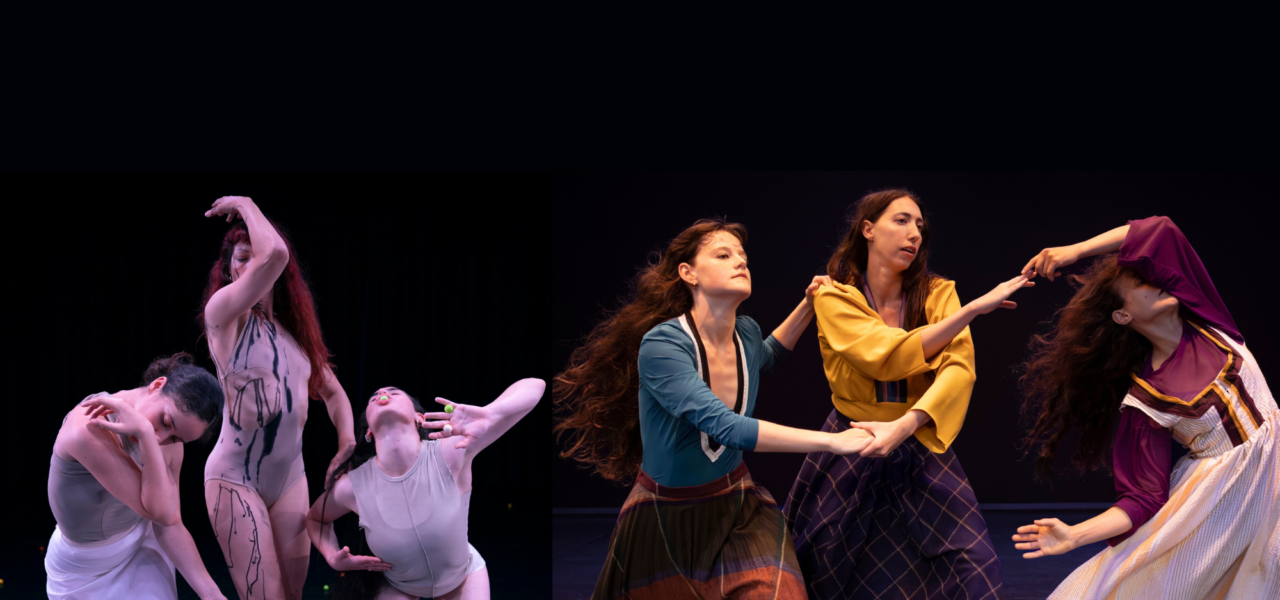
How does this type of artistic convergence happen?
Perhaps Bellahsen and Leibovits were growing in the same garden, drawing nourishment from the same soil.Read more
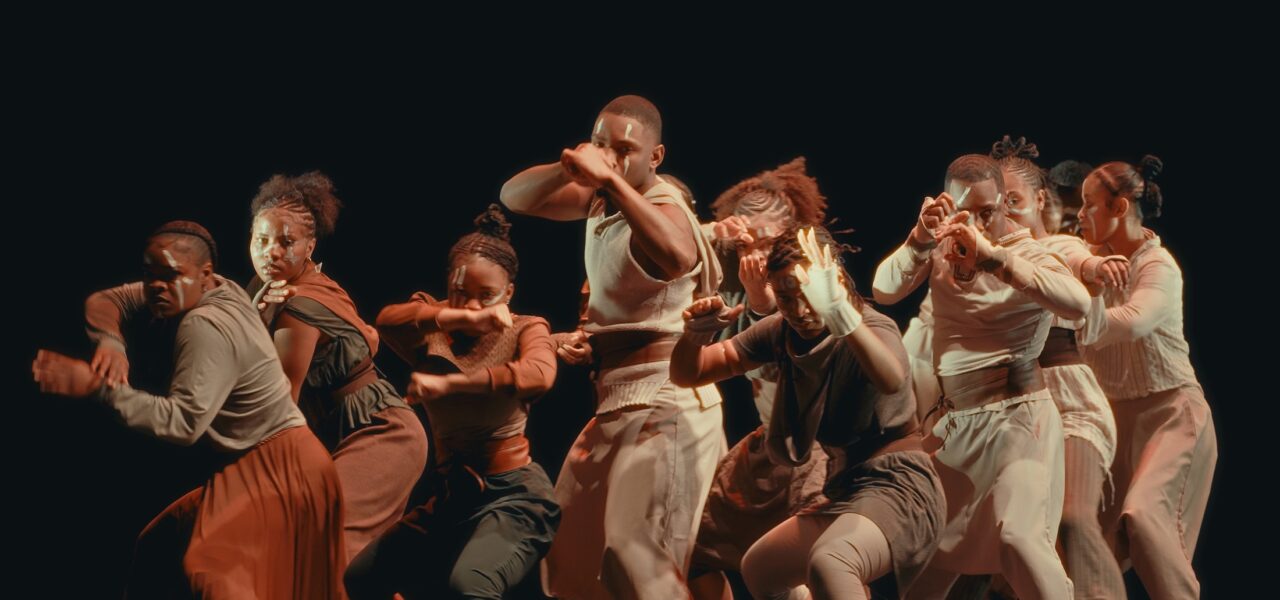
It was extraordinary to experience the entire theater as a living community. The audience surged with emotion, inhabiting the performance with their own bodies from their seats. The resonance could be felt everywhere, around us, above us and beneath us.Read more
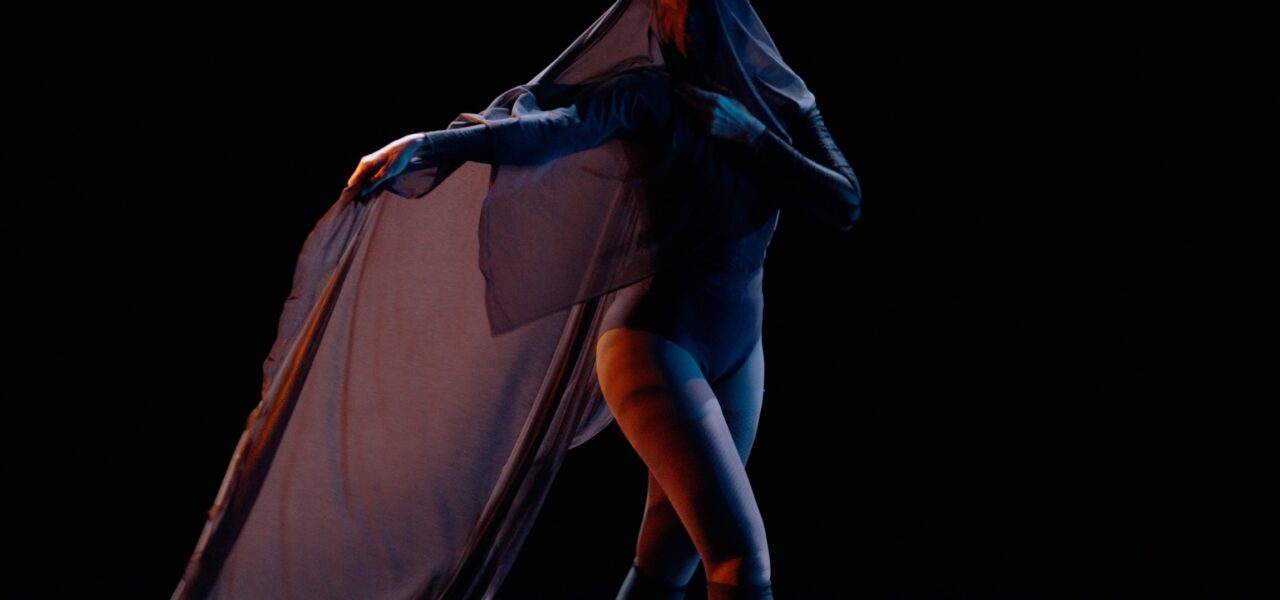
Danielle is a phenomenal performer. Total, fearless and deeply moving. There is something almost divine in the way she moves. It is mesmerizing, powerful and above all authentic.Read more
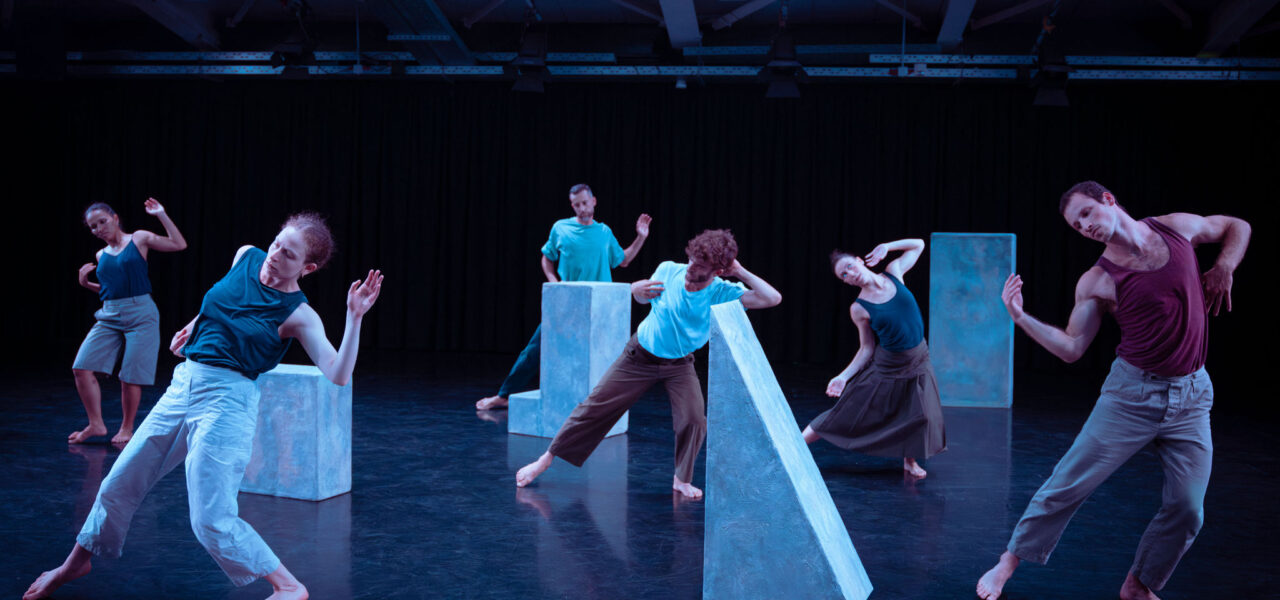
‘Wonder’ is a meditation on wonder through play.Read more
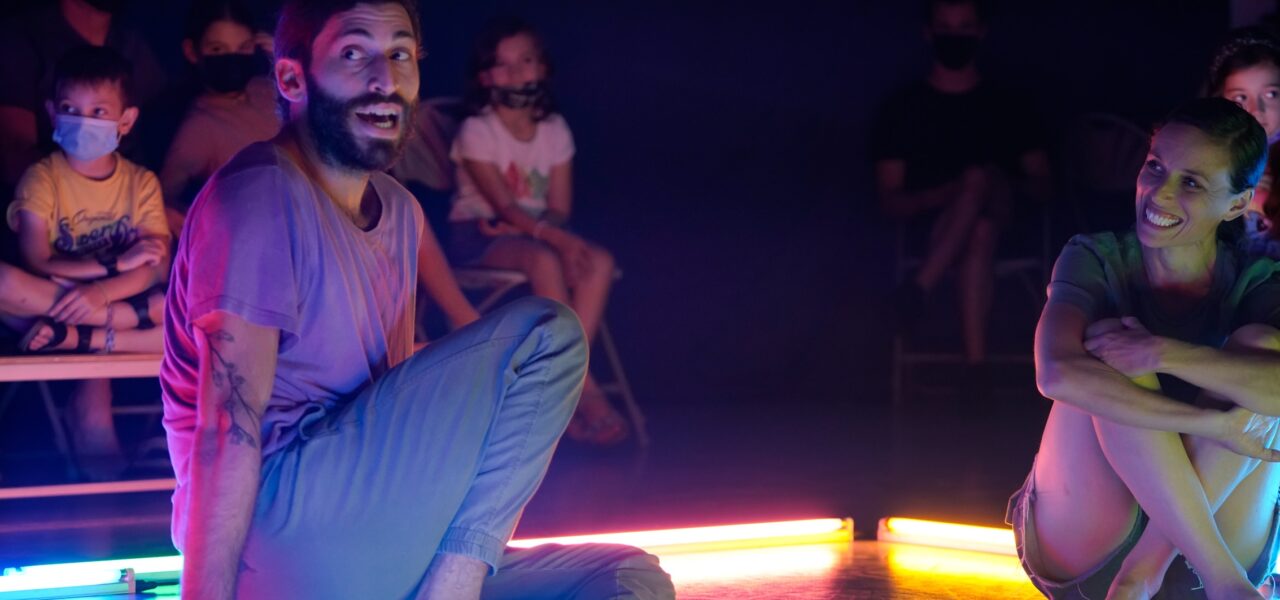
I’m about to use a word that parenting experts tend to hate: Etai’s Castle is simply… fun. Fun in the very best, most classic sense of the word. Like strawberry ice cream with sprinkles on a summer day.Read more
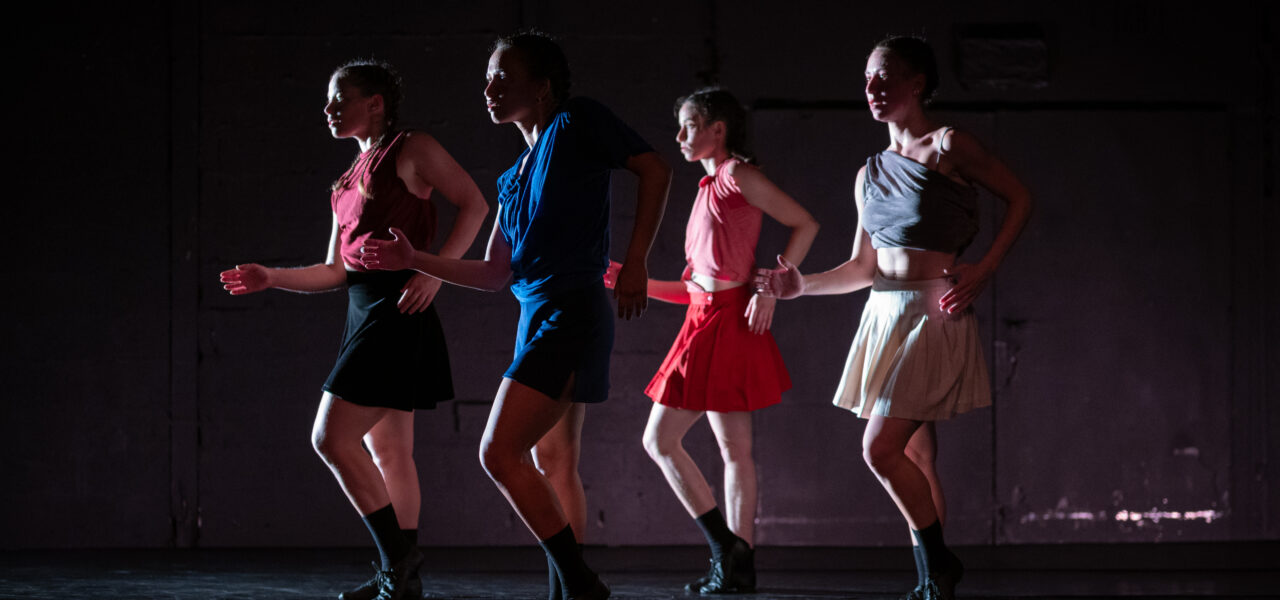
The pace of the work is relentless, transitioning from one rhythm to another, one pattern to the next, one dancer leading switched out for another. The dancers show no signs of listening for cues. Instead, they appear telepathically connected, pivoting and exchanging material with uncanny precision. Improvisational impulses are woven into a tightly organized, ever-shifting and unpredictable structure.Read more
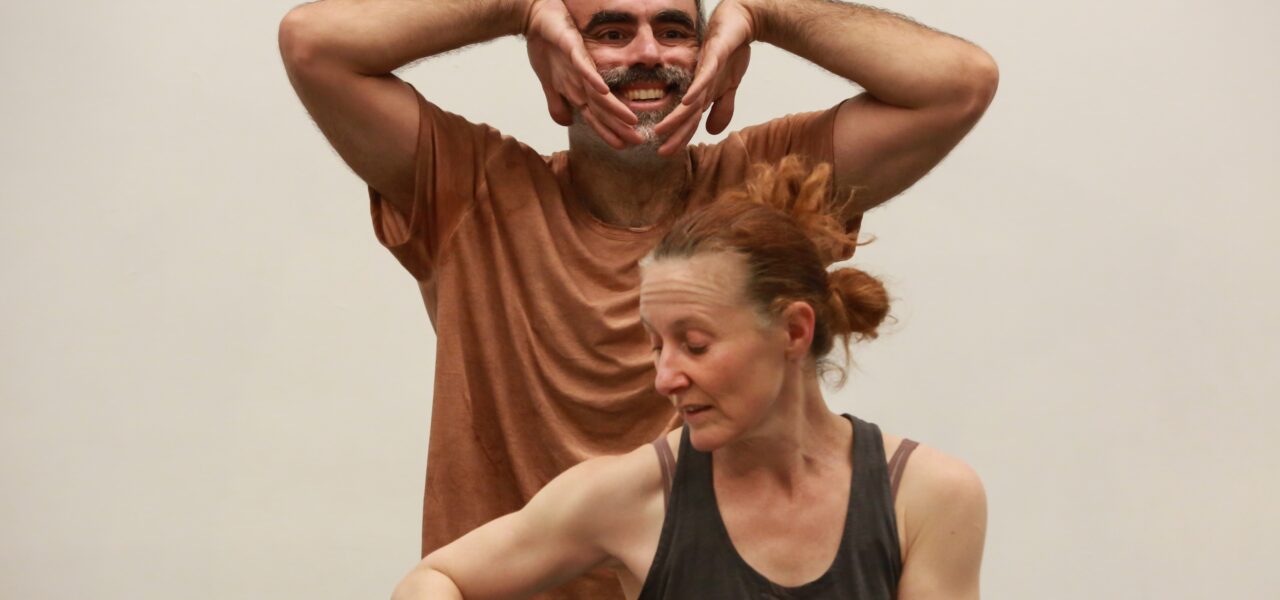
In this work, Dar demonstrates that good dance may turn its head backward, like Orpheus, but above all it surrenders itself to the present in every lifting of a dancer’s leg and every tossing of her head. It recognizes that “the pure present is the invisible progress of the past gnawing into the future. The truth is that every sensation is already memory,” as philosopher Henri Bergson wrote.Read more
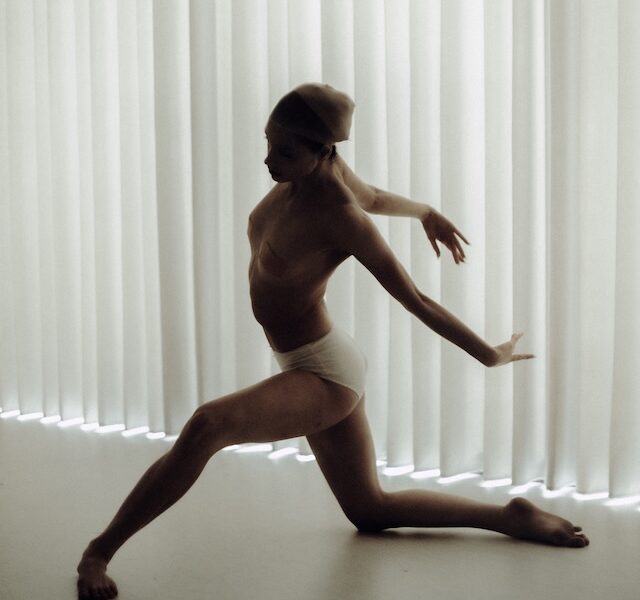
Each costume piece removed reveals not only Sirkis’ body but a transformation. A new character. A reference. A provocation. A version of how a body might be read.
She is not undressing.
She is multiplying.Read more
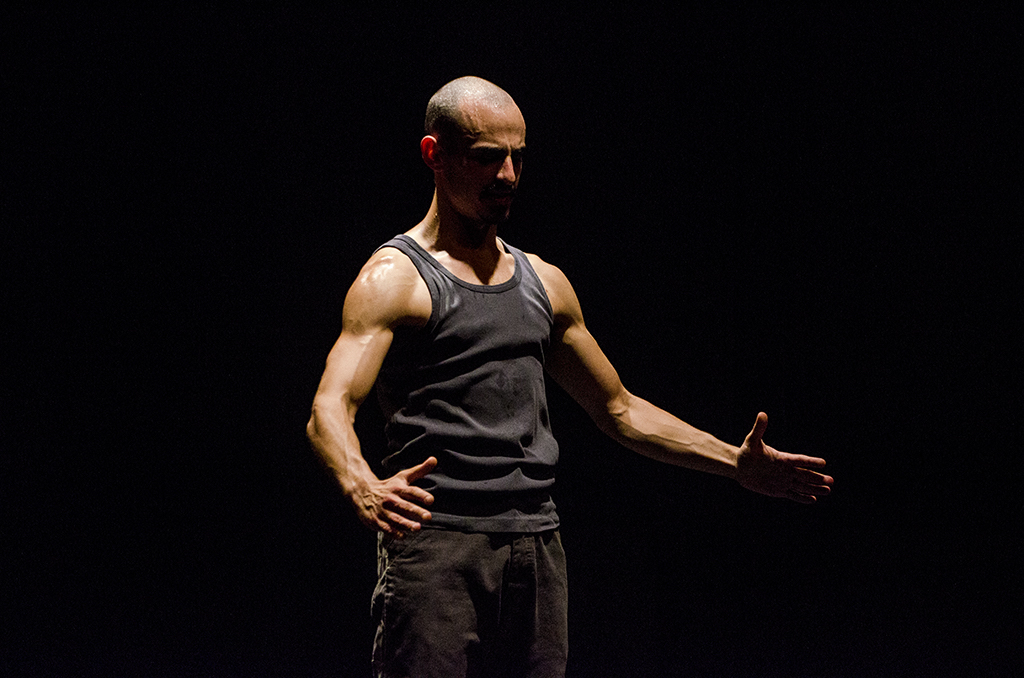
First Things by Michael Getman, performed with virtuosity by Ariel Gelbart, is a fascinating, deep, and multi-layered work. Fragments of textual and musical information meet a distilled choreography, and together they ask the most fundamental question: what is the human experience?Read more
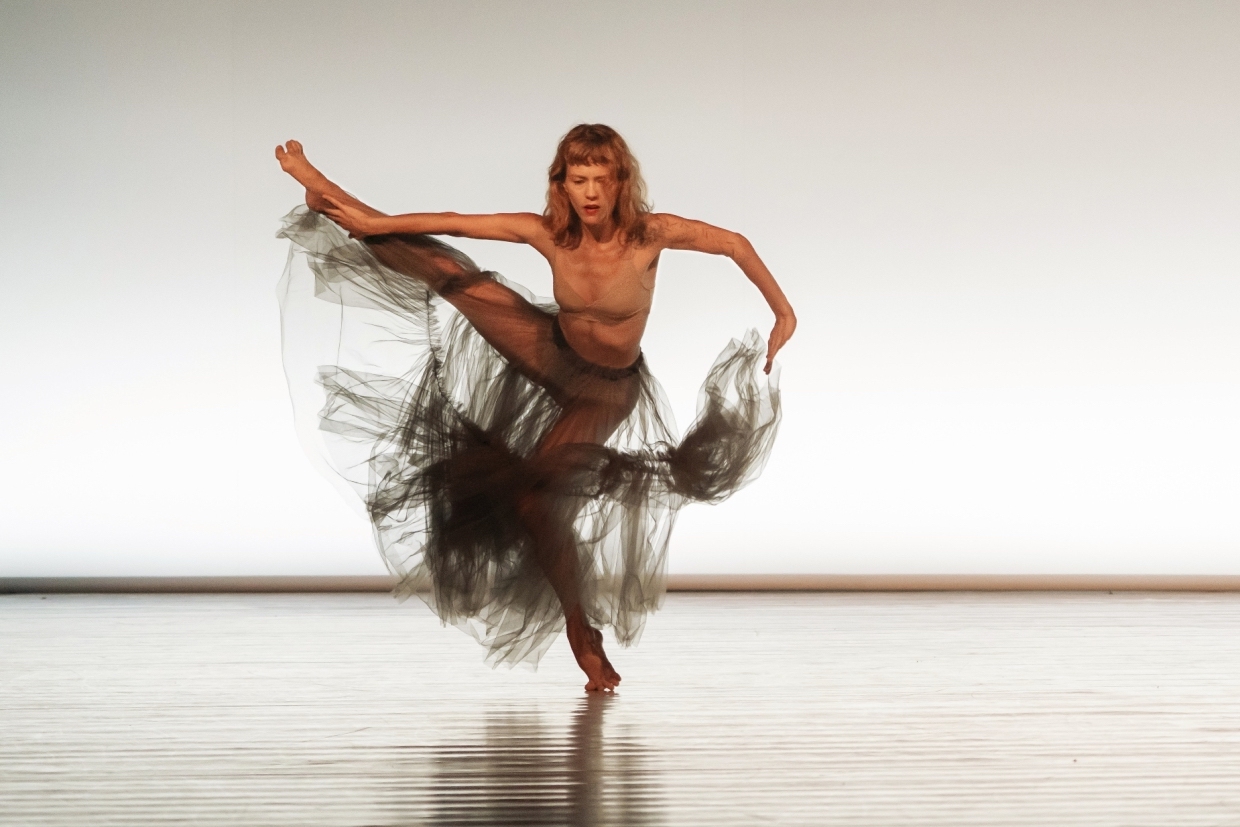
In a sense, this opening image encapsulates the work as a whole, with both its strengths and its shortcomings: NONA creates a highly precise and aesthetically refined world, within which an entire ensemble operates, yet in too many moments leans on a single standout soloist.Read more