
פוסט אורח: נמלה ופיל- רשמים של יובל גל מ׳מה שנותר׳ מאת עמרי חפץ
צילום: דניאל רוזנקרנץ
English Follows
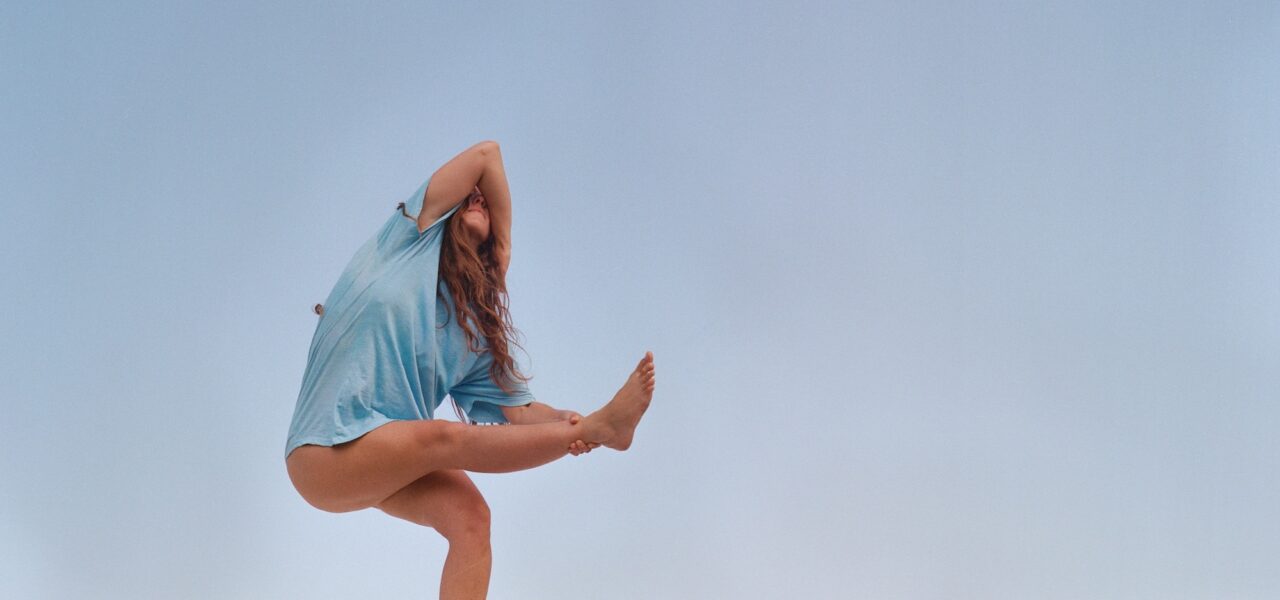
ביצירה ‘מה שנותר’ של עמרי חפץ שהועלתה בפסטיבל אסיף שהסתיים בשבת האחרונה אלה פולק רקדה במופע סולו. סולו שעונה על שאלת ה – להיות. הסולו העדין והחשוף הזה לא שואל על לא להיות וזה מנחם כל כך.
אלה עולה לבמה ונכשלת בלי הפסקה מהרגע הראשון. מציגה מצבים שונים ומאתגרים לגוף. נכנסת למצב אחד ועוד אחד ועוד אחד ברצף לא אורגני, לפעמים נוקשה, לא ריקודי ולא מחמיא. מכשילה את עצמה ומכשילה שוב. זורקת את עצמה מהבירכיים נוחתת על חצי הירך ורגל מושתת קדימה ויד אחת גם כן, מנסה כמו להשוות בין חלקי הגוף, בין האורכים שלהם, אולי בין היכולות שלהם.
אופן הפעולה הוא כזה שאין זה מרגיש טקס ואין הפרפורמנס מרגיש פרפורמנס. אלה נמצאת שם בביצוע, בלהיות הביצוע אולי. איננה דמות אלא ממש היא עצמה באופן חשוף כל כך שמצאתי אותו עובר אלי עד כדי כך שהעור שלי הפרטי מרגיש לי פתאום דק יותר ושקוף.
חוסר הדמות וחוסר הפרפורמנס מתבטא בין השאר כשלנוכח הניסיונות והכישלונות החוזרים שמעייפים אותה אין היא יכולה להסתיר (ואולי גם לא רוצה) את המאמץ וניכרים ‘עיוותים’ בפנים. בהתחלה ארשת הפנים שעוד לא התעייפה שמורה וחלקה ללא הבעת דעה פנימית על עצמה. לאחר זמן ממושך של מאמץ ולמרות היותה מודעת לכישלון שעומד להגיע שגם אנחנו עדים אליו, הבעתה משתנה ומביעה בלי לשאול, מתגנבת אל הפנים. הכישלון הוירטואוזי הופך מחמיא בפני עצמו כשההתבוננות בו זו התבוננות בהתמודדות. כשהיא מסתירה את העיניים עם יד אחת מבצבצות מתחת שאר הפנים וחיוך המאמץ אך מיד בסיומו של הכישלון היא לא מביעה עליו את דעתה, פניה מתנקות מהבעה והיא עוברת אל הכישלון הבא. אין אקומולציה רגשית ואין הבעה כללית על מצבה או על מה שהיא עברה עד כה אלא רק מאמץ עכשווי ביותר. מה שנראה נוקשה לא הופך לרך אבל את הטכני לרגשי.
הבחינה הבלתי פוסקת את עצמה ואת גופה יכולה להזכיר מחולות שכבר ראיתי אבל ההתעקשות על פעולה אחת חוזרת ונקייה ואותו חוסר טקס/דמות/פרפורמנס, אותו ניקיון מתחדש, משאירים את היצירה ריקה מדימוי כך שהיא עומדת באופן מרשים כאן ועכשיו בלבד, גם אם עברה המחשבה על רפרור למשהו אחר זה נעלם בכישלון הבא.
רצף התרגילים הופך לרגעים לחדר כושר של הבלתי אפשרי, של מה שאי אפשר להשיג. אפשר גם חדר כושר לכישלון. ביחד עם מילים כמו ‘התמודדות’ ‘כאן ועכשיו’, ו’מאמץ’ דמיינתי אפשרות בה החיים הם בדיוק זה, חדר כושר לכישלון. ואולי הם באמת זה ואני מביטה עליהם במשקפיים הלא נכונים של הצורך להצליח?
לקראת סוף היצירה מגיעה התרככות בגוף שאני לא בטוחה עד עכשיו האם הייתה שם עוד קודם או שדימיינתי בסוף כי אני בעצמי הייתי זקוקה לה. גם בתוך ההתרככות ההתבוננות העצמית ממשיכה. גם כשמתחלף האור אחרי זמן ארוך של שטיפה מנימליסטית ולראשונה מגיעה מחשבה על מופעיות גם אז הבחינה העצמית נשארת. מתווספת רק עוד זווית של המבט שלנו, תזכורת לאיפה אנחנו, בתיאטרון.
עמרי חפץ מביא דרך הפשטות הגדולה והפעולה החזרתית תוך היעדר דימויים תיאטרלים וצבעים את הגילוי של החוסר כנחת. כמה חשוב ורלוונטי לא להפסיק לנסות, להמשיך לקוות, להמשיך להיות, להיות נמלה ופיל.
עמרי חפץ הציג את ׳מה שנותר׳ כחלק מפסטיבל האסיף במרכז כלים.
 יובל גל עוסקת במחול ובמה מכיוונים שונים, יצירה הפקה וניהול פרויקטים. למדה בתוכנית RE–SEARCH להכשרת רקדנים, עובדת עם היוצרת אהרונה ישראל כרקדנית. השתתפה בפרויקטים קהילתיים כרקדנית ואסיסטנטית שמשלבים עבודה עם אנשים עם מוגבלויות שונות בהובלת היוצרים קים טייטלבאום, מורן אברג’יל, ושירי טייכר. עבדה כמלווה אמנותית ליוצר רותם תש”ח. עבדה כמפיקה של פסטיבל אינטימדאנס וכמפיקה של היוצרים אור מרין ואורן נחום, וענת כץ וארז מעין ועם ארגוני יוצרים עצמאיים. העלתה יצירת סולו בפסטיבל אינטימדאנס 2022. בחודש אוקטובר האחרון התחילה לעבוד כמנהלת משרד של עמותת הכוריאוגרפים.
Guest Post: Both Ant and Elephant- Yuval Gal’s Impressions of ‘What Remains’ By Omri Hefetz
In Omri Hefetz’s piece “What Remains” presented at the Asif Festival that ended this past Saturday Ela Pollak danced a solo performance. A solo that responds to the question of being. This delicate and exposed solo does not ask about not being and that is so comforting.
Ela comes on stage and fails continuously from the very first moment.
She presents different challenging situations for the body. She enters one state and then another and another in a sequence that is not organic sometimes rigid not dance like not flattering. She trips herself up and then trips again. She throws herself from the knees lands on half the thigh one leg stretched forward and one hand as well as if trying to compare the parts of the body their lengths perhaps their abilities.
The way she operates is such that it does not feel ritualistic and the performance does not feel like a performance. Ela is there in the act of performing perhaps being the performance. She is not a character but entirely herself in a way so exposed that I felt it pass into me to the point that my own skin suddenly felt thinner and more transparent.
This absence of character and absence of performanceness is expressed among other things in the fact that as the repeated attempts and failures tire her she cannot hide and perhaps does not want to hide the effort. Distortions appear in her face. At first her expression not yet tired is preserved and smooth without any internal judgment of herself. After a long period of effort and although she knows the failure is about to arrive and we are witnesses to it her expression changes and appears without asking creeping onto her face. The virtuoso failure becomes flattering in itself because watching it is watching someone confront something. When she covers her eyes with one hand the rest of her face peeks out along with the smile of effort but as soon as the failure ends she does not express any opinion about it. Her face clears of expression and she moves on to the next failure. There is no emotional accumulation and no general expression about her state or what she has gone through so far only the most present current effort. What seems rigid does not become soft but it turns the technical into emotional.
The constant examination of herself and her body could recall dances I have already seen but the insistence on a single recurring stripped down action and that same absence of ritual character performance that renewed cleanliness leave the piece empty of imagery standing impressively in the here and now alone. Even if a thought of some reference crosses the mind it disappears with the next failure.
The sequence of exercises becomes at moments a gym of the impossible of what cannot be achieved. Perhaps also a gym for failure. With words like confrontation here and now and effort I imagined a possibility in which life is exactly this a gym for failure. And maybe that truly is what life is and I am simply looking at it through the wrong glasses the ones that require success.
Toward the end of the piece a softening arrives in her body and I am still not sure whether it had been there earlier or whether I imagined it at the end because I needed it. Even within that softening the self observation continues. Even when the light changes after a long period of minimalist wash and for the first time a thought of theatricality arises even then the self observation remains. Only another angle of our gaze is added a reminder of where we are in the theater.
Through great simplicity and repetitive action without theatrical imagery or colors Omri Hefetz brings forth the discovery of lack as comfort. How important and relevant it is not to stop trying to keep hoping to keep being to be both ant and elephant.
Omri Hefetz presented ‘What Remains’ as part of the Kelim Choreography Center’s Asif Festival.
Yuval Gal works in dance and performance from various angles, including creation, production, and project management. She studied in the RE-SEARCH program for training dancers and works with the creator Aharona Israel as a dancer. She has participated in community projects as a dancer and assistant, integrating work with people with various disabilities, led by the creators Kim Teitelbaum, Moran Abrigil, and Shiri Teicher. She has worked as an artistic mentor to the creator Rotem Tashach. She has worked as a producer for the Intimadance Festival and as a producer for the creators Or Marin and Oren Nahum, as well as Anat Katz and Erez Maayan, and with independent creators’ organizations. She presented a solo piece at the Intimadance Festival in 2022. This past October, she began working as the office manager of the Choreographers Association.