
Ori Lenkinski reflects on ‘Puppet Party’ Plus
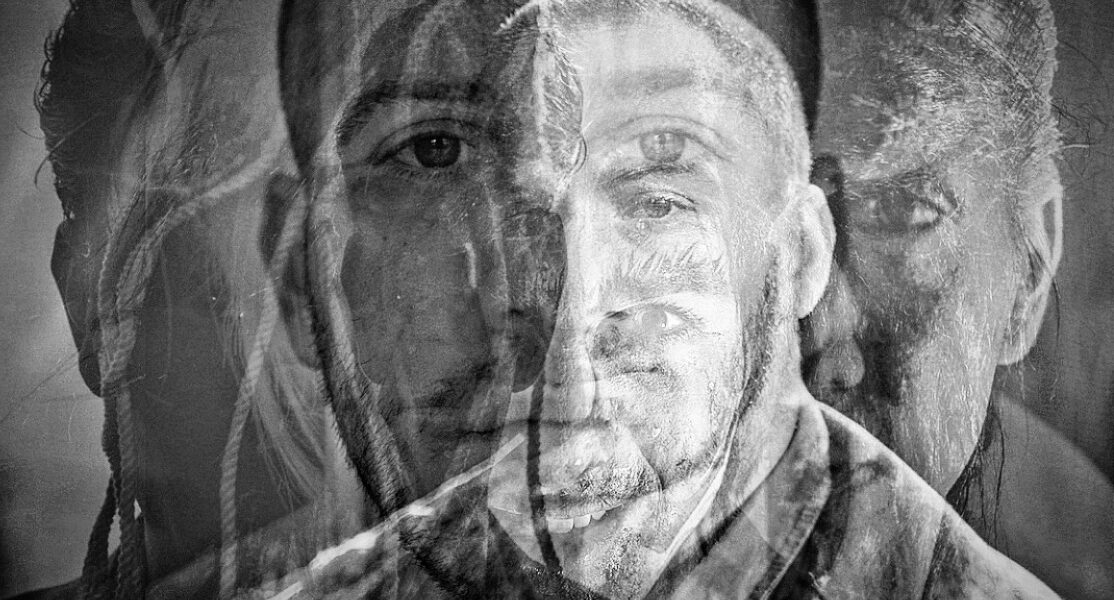
*Photo by Evyatar Nahmias, Yael Frenkel, Or Bar Ilan
*עברית בהמשך
Summer 2025. Tel Aviv Dance. The Suzanne Dellal Centre. Saturday afternoon.
On the surface, the invitation to the event was to watch a film, a dance piece and a panel discussion. Beneath that, the true invitation was to spend an afternoon with post-trauma.
In the current reality, twenty two months into this war, going to a performance that is disconnected from the conflict can feel like a guilty pleasure. Escapism is no longer a valid option for many. In this strange moment in time, cultural events that offer a reality to art ratio that leans heavily towards the former seem to be offering something much needed to the public. Instead of going to lunch, meeting friends or seeing an exhibition whilst constantly thinking or feeling guilty for not constantly thinking about the hostages or the fallen soldiers, come to an event where these subjects are on the mainstage.
I’ll start at the end.
Nave Rachman is leading the panel discussion. He lives with post-trauma and is accompanied by his service dog. He sits on stage with Itamar Galina and Yossi Daniel, the dog lying relaxed yet alert between them. Galina and Daniel have just performed Daniel’s duet Ah…I See live, and both men are sweating and catching their breath. Rachman tells the audience that one of the main symptoms of post-trauma is the sense of the loss of control. He turns to Itamar Galina and Yossi Daniel and says, “when I watch you dance, I can’t know for sure, but it appears to me that you are in complete control of every single muscle in your body. Do you feel that dance allows you to counter the loss of control you experience with post-trauma?”
“The thing is,” replies Galina, “the way those feelings work, sometimes when I’m dancing it really does bring me back to myself. But other times, I can be dancing and be completely disconnected. Just like you can be sitting here talking to me and be feeling all those feelings we’re so familiar with and I won’t know. You can’t ever know.”
You can’t ever know.
We won’t ever know how much talent walked into Gaza in October of 2023 or since. This is the thought I had while watching Puppet Party.
We won’t ever know how much meaning, beauty, ambition was left there, or extinguished, or silenced. When those boys put on their uniforms, they became one thing, THE ARMY. They became a unit, a platoon, a force, defense. But inside those uniforms are people and you can never know all of the things any one person is. You can never know.
You can never see all of the worlds they carry inside them. Maybe, amidst that sea of olive green, is an incredible chef, an amazing listener, a gifted pianist, a brilliant engineer. Israel is a small country and yet somehow, if one of those men isn’t your brother or cousin or friend or neighbor’s child, chances are you will see the forest and not the individual, olive green trees. Amidst those fighters was Galina, whose talents nearly overwhelm the small roll down screen of the Yerushalmi Hall.
Yaron Yerushalmi. Another fallen soldier.
I think of Nothing is Wrong by Noga Friedman, a film that serves as Friedman’s video diary in the year following the death of her husband on October 7. Friedman, who never made music before that day, found herself writing and recording song after song. In the film, she wonders aloud if Ido’s gift to her was a year of unbridled creativity.
Creation can stem from the darkest of places making Israel sadly fertile ground for artists.
We won’t ever know the real effect of walking in and out of this war but in the film Puppet Party, Galina uses his many talents to convey the fractured pieces of himself unraveling and being unraveled.
In the film, directed by Galina and Yahel Kabiri, Galina is seen in various states/characters. Some of them are recognizable; a dancer in a studio, a boyfriend in a small apartment, a soldier on a hill, a loved one mourning in a cemetery, and some are not; suit-clad animal-like beings superimposed onto Galina by the gifted makeup artist Blake Williams Seidel. In these different states of being, Galina works between stillness and movement, in one shot he sits quietly in a chair, in the next he is seen furiously twitching on the floor. He shatters himself into pieces to slough off the confines of trauma. His body is both a cage and a vehicle to unleash the beasts within.
My mother, who accompanied me to the event, volunteers for an organization that provides services for shell shocked soldiers. “The thing is, once they are back, they still feel the tension in their bodies. In some ways, they want to go back to combat because at least there, there is a good reason for the tension. It is much harder to deal with that level of stress and alertness in your house, with your family, or at work,” she says afterwards.
In scene after scene, it looks as though Galina is trying to dismantle that tension with every fiber of his being.
Puppet Party reads more like a visual album than a dance film. It is arranged in chapters, set to songs written by Galina such as “The Man Who Rests”, “Flirting With A Dream” and “I Used to be a Puppet”. The texts of these tracks, which are sung and rapped by Galina, are in English. One chapter, “Hat and Shirt” evokes American rapper Lil Dicky both in its intonation and comedic repetition. In it, Galina first argues with his real-life girlfriend Yael Aviram then with himself dressed in drag as her over who gets to wear his corduroy shirt out to a concert. A seemingly mundane tackle only, it is clear that the struggle evokes something far deeper and darker than the vanity of who looks cuter in the shirt.
In another chapter Galina is seen painted as a type of snake-like creature, hovering over a table laden with foods fit for a fairy-tale ogre. He uses his hands to shovel the slippery noodles and chunks of flesh into his mouth.
With these chapters, Galina and his team touch on the insidious, slimy, parasitic nature of post-trauma, the way it reaches into every mundane corner of life, warping and distorting the simplest of actions.
Many of the scenes were shot in the studio of Da Vinci Culture Factory, which is currently out of commission due to a missile hit during the Iran War. Another victim.
In one of such scene, a group of female dancers, including Galina’s two sisters Atalia and Ofir, are seen lying on the floor of Da Vinci as a uniform-clad Galina tip toes between their bodies. These same dancers are featured in the few documentary moments of the film- telling pieces of stories about their experiences of the war. Ofir talks about a friend who was missing for 48 hours after October 7 and the mixed feelings she experienced both hoping the friend survived but also not wanting to discover she was still suffering as a hostage. “When you die, the suffering ends, and I would never wish for her to suffer,” she says. Yossi Daniel is seen for a moment recalling a rocket attack that shook him deeply. Galina, sitting on a chair in the studio, says, “he just sat down on the chair and breathed in the gas,” an action he later reenacts in the film. He goes on to grapple with the conflicted feelings he has about said friend’s choice to end his life. “I know people say it’s cowardice but I think it’s also brave. There’s something brave about it.”
None of these stories are ever explained fully. The film is not narrative. The audience is left to put the pieces together, just as Galina attempts to come to terms with his imploded reality. The film presents glimpses, sharp and serrated as shrapnel. The scenes travel to us like embers, rising off the bonfire of war. In those smoldering bits we can feel the relentless vastness of the personal and communal destruction, the multiplicity of ongoing suffering endured by young people (not just) in this country.
The film goes out with a shot of Galina sitting at the edge of a canyon. We see the back of his head gazing out over the expanse, still and alone.
Following the film, the screen is rolled up and Yossi Daniel takes the stage with Galina at his side. The duet Ah…I See, which was created as part of the Suzanne Dellal Centre’s 123 Program for Emerging Choreographers, is short and abstract. The two men move lightly around the stage, often separately and occasionally in unison. There are bursts of energy, changes of dynamics, but overall the piece passes by smoothly. There is something lovely about the restraint in both their bodies, the refusal to explode.
During the discussion, Daniel explains that he didn’t think he was creating a piece about post-trauma and only understood it afterwards. “Our bodies are on stage, so it is too,” he says shyly. Wherever you go, there you are.
Rachman interjects, “it’s the body that undergoes the transformation. As a soldier, a man transforms his body into a tool of combat. In dance, the body also transforms.”
In Daniel’s piece, post-trauma is subtext. In Galina’s, text. Either way, their bodies contain the struggle whether they intend to show it or not.
“We were presenting this duet in Paris,” adds Naomi Perlov, Artistic Director of Suzanne Dellal during the discussion. “The director of the theater turned to me and said, ‘have you ever seen European dancers dance like that? I haven’t.’”
Israel is fertile ground for complex dancers.
The three men on stage each present their struggle with post-trauma in a different way, agreeing and disagreeing about the nature of its many faces. I watch them and know that the subject isn’t contained on the stage. I can feel it in my own body, too, having endured the past twenty-two months. I imagine that on some level, as a group of people sitting together in a theater in Israel in August of 2025, every member of the audience is grappling in their own way with post-trauma as well.
As we leave the theater, I ask the man sitting next to me if he is connected to one of the performers. “I’m connected to the subject,” he smiles.
You can’t ever know, I think.
‘Puppet Party’ and ‘Ah…I see’ were presented on August 9, 2025 as part of the Suzanne Dellal Centre’s Tel Aviv Dance Festival.
קיץ 2025. תל אביב. מרכז סוזן דלל. שבת אחר הצהריים.
על פני השטח ההזמנה לאירוע הייתה לצפות בסרט, יצירת מחול ושיח פאנל. מתחת לפני השטח ההזמנה האמיתית הייתה לבלות אחר הצהריים עם פוסט טראומה.
במציאות הנוכחית עשרים ושתיים חודשים אל תוך המלחמה, צפייה במופע שאינו קשור למצב יכולה להרגיש כמו עונג מלווה באשמה. אסקפיזם כבר איננו אופציה תקפה עבור רבים. ברגע המשונה הזה בזמן אירועים תרבותיים שמציעים יחס של מציאות מול אמנות שנוטה בצורה מובהקת אל המציאות הם נותנים מענה לצורך עז של הקהל. במקום ללכת לארוחת צהריים, מפגש עם חברים או ביקור בתערוכה בזמן שאתה חושב או מרגיש אשם על כך שאינך חושב כל הזמן על החטופים או על החיילים שנפלו בואו לאירוע שבו הנושאים האלה נמצאים במרכז הבמה. וכך היה.
אני אתחיל מהסוף.
נוה רחמן מנחה את הפאנל. הוא חי עם פוסט טראומה ומלווה בכלב שירות. הוא יושב על הבמה יחד עם איתמר גלינה ויוסי דניאל כשהכלב שוכב רגוע אך ערני ביניהם. גלינה ודניאל זה עתה ביצעו את הדואט של דניאל “כן… אני רואה” ושניהם מזיעים ומתנשפים. רחמן אומר לקהל שאחד מהתסמינים העיקריים של פוסט טראומה הוא תחושת אובדן שליטה. הוא פונה אל איתמר גלינה ויוסי דניאל ואומר, “כשאני צופה בכם רוקדים אני לא יכול לדעת בוודאות אבל נראה לי שאתם שולטים לחלוטין בכל שריר בגופכם. האם אתם מרגישים שהריקוד מאפשר לכם להתמודד עם אובדן השליטה שאתם חווים עם פוסט טראומה?”
“העניין הוא,” עונה גלינה, “הדרך שבה התחושות האלה פועלות היא כזאת שלפעמים כשאני רוקד זה באמת מחזיר אותי לעצמי. אבל לפעמים אני יכול לרקוד ולהיות מנותק לגמרי. בדיוק כמו שאתה יכול לשבת מולי ולדבר איתי ולהרגיש את כל הרגשות המוכרים האלה ואני לא אדע. אי אפשר אף פעם לדעת.”
אי אפשר אף פעם לדעת.
אנחנו לעולם לא נדע כמה כישרון נכנס רגלית לעזה באוקטובר 2023 או מאז. זו הייתה המחשבה שחלפה בי בזמן שצפיתי ב־Puppet Party.
אנחנו לעולם לא נדע כמה משמעות, יופי, ושאיפות נשארו שם או כובו או הושתקו שם. כשהנערים האלה לבשו את המדים הם הפכו לדבר אחד: הצבא. הם הפכו ליחידה, לפלוגה, לכוח, להגנה. אבל בתוך המדים נמצאים אנשים ואי אפשר אף פעם להכיר את כל מה שאדם אחד מכיל. אי אפשר לדעת.
אי אפשר לראות את כל העולמות שהוא נושא בתוכו. אולי בין כל הירוק זית הזה מסתתר שף מדהים, מאזין יוצא דופן, פסנתרן מחונן או מהנדס מבריק. ישראל היא מדינה קטנה ובכל זאת אם אחד מהגברים האלה אינו אח שלך, בן דודך, חבר שלך או הבן של השכנים הסיכוי הוא שתראה יער ולא עצים בודדים בצבע ירוק זית. בין הלוחמים היה גלינה שכישרונו כמעט גובר על המסך הנגלל הקטן באולם ירושלמי.
ירון ירושלמי. עוד חלל צה״ל.
אני חושבת על “שום דבר לא בסדר” של נוגה פרידמן, סרט שהוא יומן שכול שיצרה במהלך השנה שלאחר מותו של בעלה ב־7 באוקטובר. פרידמן, שמעולם לא יצרה מוזיקה לפני, מצאה את עצמה כותבת ומקליטה שיר אחר שיר. בסרט היא תוהה האם המתנה שעידו השאיר לה הייתה שנה של יצירתיות מתפרצת.
יצירה יכולה לנבוע מהמקומות האפלים ביותר מה שהופך את ישראל לצערנו לקרקע פורייה במיוחד לאמנים.
אנחנו לעולם לא נדע את ההשפעה האמיתית של הכניסה והיציאה מהמלחמה אבל בסרט Puppet Party גלינה משתמש בכישוריו הרבים כדי להציג את הרסיסים של עצמו המפורקים מתפרקים.
בסרט בבימוים של גלינה ויהל קבירי, גלינה מופיע במצבים ובדמויות שונות. חלקם מוכרים: רקדן בסטודיו, בן זוג בדירה קטנה, חייל על גבעה, אדם מתאבל בבית עלמין, וחלקם לא מובנים: יצורים דמויי חיות לבושים בחליפות שצוירו עליו באיפור מרשים של האמן בלייק וויליאמס סיידל. במצבים השונים האלה גלינה נע בין שקט לתנועה. בצילום אחד הוא יושב בשקט על כיסא ובצילום הבא הוא מתעוות בפראות על הרצפה. הוא מרסק את עצמו לחתיכות כדי להסיר את חנק הטראומה. גופו הוא גם כלוב וגם כלי לשחרר את הממותות שבתוכו.
אמא שלי שליוותה אותי לאירוע מתנדבת בארגון שמסייע לחיילים הסובלים מהלם קרב. “העניין הוא שכשהם חוזרים הם עדיין חשים את המתח בגוף. במובנים מסוימים הם רוצים לחזור לקרב כי שם לפחות יש סיבה טובה למתח. הרבה יותר קשה להתמודד עם הרמה הזו של מתח ודריכות בבית עם המשפחה או בעבודה,” היא אומרת אחרי האירוע.
סצנה אחר סצנה נראה שגלינה מנסה לפרק את המתח הזה בכל סיב של גופו.
Puppet Party מרגיש יותר כמו אלבום ויזואלי מאשר וידיאודאנס. הוא מחולק לפרקים המלווים בשירים שגלינה כתב כמו ׳The Man Who Rests׳ ׳Flirting With A Dream׳ ו־׳I Used to be a Puppet׳. מילות השירים באנגלית וגלינה שר או מדקלם אותן בעצמו. פרק אחד ׳Hat and Shirt׳ מזכיר את הראפר האמריקאי Lil Dicky גם בטון וגם בהומור הרפטטיבי. בפרק הזה גלינה מתווכח תחילה עם בת זוגו האמיתית יעל אבירם ואז עם עצמו מחופש לה על מי ילבש את חולצת הקורדרוי שלו להופעה. הוויכוח נראה שולי אבל ברור שיש בו משהו עמוק ואפל יותר מהשאלה מי נראה טוב יותר בחולצה.
בפרק אחר גלינה נראה צבוע כיצור דמוי נחש נשען מעל שולחן עמוס במזון כמו באגדה רעה. הוא דוחף לפיו באצבעותיו איטריות חלקלקות וחתיכות בשר.
באמצעות הפרקים האלה גלינה והצוות שלו נוגעים באופי הרירי החודר והטפילי של הפוסט טראומה, בדרך שבה היא מושיתה יד לתוך כל פינה בחיים ומעוותת ומעכירה את הפעולות הפשוטות ביותר
חלק מהסצנות צולמו בתל אביב תרבות דה וינצ׳י, שאינו פעיל כעת בעקבות פגיעת טיל במהלך המלחמה עם איראן. חלל נוסף.
באחת הסצנות קבוצה של רקדניות כולל אחיותיו של גלינה עתליה ואופיר שוכבות על רצפת הסטודיו בעוד גלינה במדים מטייל ביניהן על קצות האצבעות. אותן רקדניות מופיעות גם ברגעים הדוקומנטריים המעטים של הסרט מספרות קטעים מחוויות האישיים מהמלחמה. אופיר מספרת על חברה שנעדרה במשך 48 שעות אחרי ה7 באוקטובר ועל התחושות המעורבות שלה: גם תקווה שהחברה שרדה וגם פחד שאם כן היא אולי חטופה. “כשאתה מת הסבל נגמר ואני לא הייתי רוצה שהיא תסבול” היא אומרת. יוסי דניאל נזכר במתקפת רקטות שטלטלה אותו במיוחד. גלינה יושב על כיסא בסטודיו ואומר “הוא פשוט ישב על הכיסא ונשם את הגז” פעולה שהוא משחזר בהמשך הסרט. הוא ממשיך להתמודד עם התחושות המעורבות שיש לו לגבי אותו חבר שבחר לשים קץ לחייו. “אני יודע שאומרים שזה מעשה פחדני אבל בעיניי יש בזה גם אומץ. יש בזה משהו אמיץ.”
אף אחד מהסיפורים האלה לא מוסבר עד הסוף. הסרט אינו נרטיבי. הקהל נשאר לחבר את החתיכות בדיוק כפי שגלינה מנסה לחבר את המציאות המופגזת לו מול הפנים. הסרט מציג שברים של רגעים חדים כמו רסיסים. הסצנות מגיעות אלינו כמו גיצים מהמדורה של המלחמה. באותם גיצים אפשר להרגיש את ההיקף העצום של ההרס האישי והקולקטיבי, את ריבוי הסבל המתמשך שחווים צעירים (ולא רק) בארץ הזו.
הסרט מסתיים בצילום של גלינה יושב בקצה מחטש. אנחנו רואים את גב ראשו כשהוא מביט החוצה על התהום לבד ובשקט.
לאחר הסרט המסך מתגלגל ויוסי דניאל עולה לבמה כשגלינה לצידו. הדואט ׳כן… אני רואה׳ שנוצר במסגרת תוכנית 123 ליוצרים בתחילת דרכם של מרכז סוזן דלל הוא קצר ומופשט. שני הגברים נעים בעדינות על הבמה לעיתים כל אחד לחוד ולעיתים ביוניסונו. יש פרצי אנרגיה ושינויים בדינמיקה אבל בסך הכול היצירה חולפת על פני מי מנוחות. יש משהו יפה באיפוק של גופם ובסירוב להתפוצץ.
במהלך הפאנל דניאל מסביר שהוא לא חשב שהוא יוצר על פוסט טראומה ורק הבין את זה בדיעבד. “הגוף שלנו על הבמה אז גם זה נוכח שם,” הוא אומר בביישנות. איפה שאתה נמצא, אתה שם.
רחמן מציין, “הגוף הוא זה שעובר את השינוי. כחייל אדם הופך את גופו לכלי מלחמה. במחול גם הגוף משתנה.”
ביצירה של דניאל הפוסט טראומה קיימת בסבקטסט. אצל גלינה היא הטקסט עצמו. כך או כך גופם מכיל את המאבק בין אם הם בוחרים להראות אותו ובין אם לא.
“כשאנחנו הצגנו את הדואט הזה בפריז,” מוסיפה נעמי פרלוב, המנהלת האמנותית של מרכז סוזן דלל, “המנהלת של התיאטרון שם פנתה אליי אמרה לי ‘ראית פעם רקדנים אירופאים רוקדים ככה? אני לא.׳'”
ישראל היא קרקע פורייה לרקדנים מורכבים.
שלושת הגברים על הבמה מציגים כל אחד את המאבק שלו עם פוסט טראומה בצורה שונה, מסכימים ולא מסכימים על המהות הרבת פנים שלה. אני צופה בהם ויודעת שהנושא לא נשאר תחום על הבמה. אני מרגישה אותו גם בגוף שלי לאחר עשרים ושתיים חודשים האחרונים. אני מתארת לעצמי שבמובנים מסוימים כל מי שיושב איתנו באולם ירושלמי בישראל באוגוסט 2025 מתמודד עם פוסט טראומה בדרך משלו.
כשאנחנו יוצאים מהאולם אני שואלת את האיש שישב לידי אם הוא קשור לאחד מהאמנים. “אני קשור לנושא,” הוא מחייך.
אי אפשר אף פעם לדעת, אני חושבת.
Puppet Party וכן…אני רואה הוצגו ב9.8.2025 כחלק מפסטיבל תל אביב דאנס של מרכז סוזן דלל.
 Ori Lenkinski is a Tel Aviv-based dancer, actress, choreographer and journalist. Her work, be it on stage, the Internet or on paper, is devoted to exploring the connection between words and movement. As a dancer, Ori has worked with independent choreographers in the USA, Europe and Israel. Ori’s writing has been published in Dance Magazine, The Huffington Post, The Jerusalem Post, Haaretz and others. She is the founder and editor of www.creativewriting.me. Her choreographic works include The Painting, Portrait #2, The Suit, Meet Me in the Market, Help Desk, Birth Preparation Course, a dance piece, Jackie Pink and Black, Escape Room as well as the dance films Carriage and Expecting. Ori’s works have been presented throughout Israel, North America and Europe. To read more about Ori, visit www.orilenkinski.com.