
תגובתה של עדן קרמר ל׳תנועות ריקוד של אמצע מלחמה׳ מאת יוסי ברג ועודד גרף
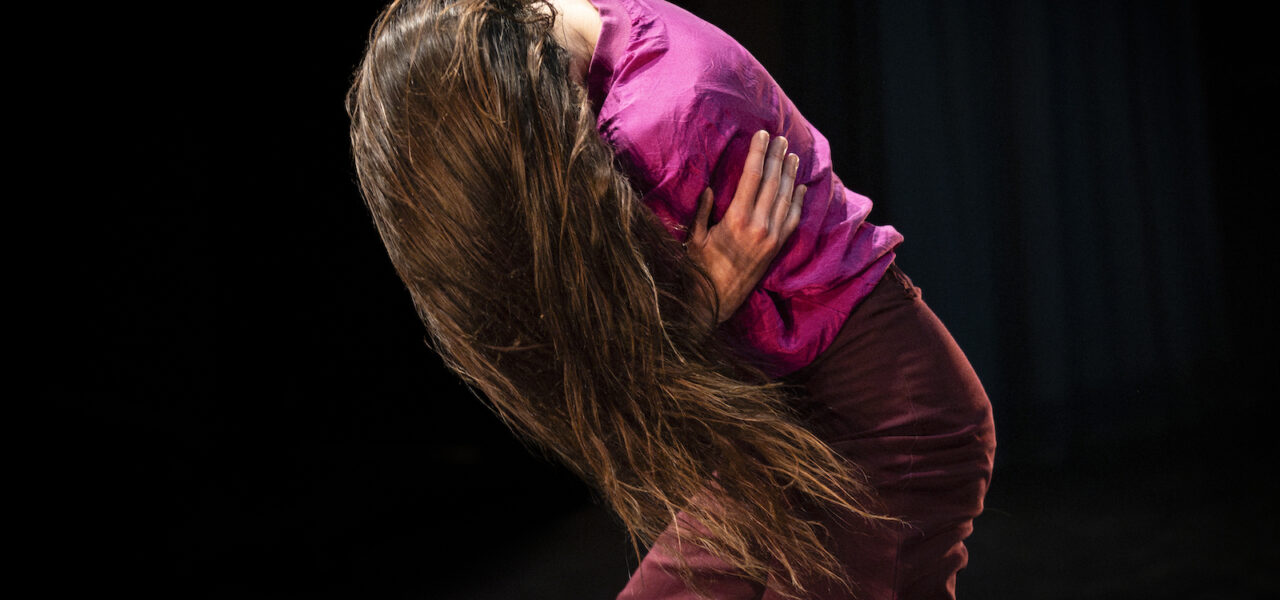
*Photo by Asya Skorik
*English Follows
חֵזִי לסקלי / מָחוֹל שֵׁנִי
א אֲנִי שׂוֹחָה בַּיָּם
וְהִנֵּה בָּאָה סִירָה.
סִירָה סִירָה אֲנִי אוֹמֵר לָהּ
קְחִי אוֹתִי מִכָּאן
וְהִיא לוֹקַחַת אוֹתִי מִכָּאן.
ב אֲנִי צוֹעֵד בַּיַּבָּשָׁה
וְהִנֵּה בָּאָה מְכוֹנִית.
מְכוֹנִית מְכוֹנִית אֲנִי אוֹמֵר לָהּ
קְחִי אוֹתִי מִכָּאן
וְהִיא לוֹקַחַת אוֹתִי מִכָּאן.
ג אֲנִי יוֹשֵׁב בְּחַדְרִי
וְלֹא זָז
וְלֹא זָז
וְלֹא זָז
אֲנִי בָּא וְאוֹמֵר: קַח אוֹתִי מִכָּאן
וַאֲנִי לוֹקֵחַ אוֹתִי מִכָּאן.
ד כְּשֶׁשָּׂחִיתִי בָּכִיתִי
וּכְשֶׁצָּעַדְתִּי הָיִיתִי צָמֵא וְרָעֵב.
כְּשֶׁיָּשַׁבְתִּי מִבְּלִי לָנוּעַ, רָקַדְתִּי
וּכְשֶׁהִפְסַקְתִּי לִרְקֹד,
רָקַדְתִּי שׁוּב.
רקדן נכנס לחדר באמצע מלחמה. הוא עומד. הוא מביט ימינה. מביט שמאלה. הוא ממלא הוראות קצרות וברורות שפוקדות עליו מה לעשות, ובה בעת מתארות את מה שהוא עושה. קלאסיקה של תיאטרון-מחול. לפעמים יש הלימה מושלמת בין התיאור לפעולה הפיזית וזה אסתטי ונעים. לפעמים, המרחק שבין התיאור לפעולה משעשע. גליצ’ במערכת.
בפרק הראשון בעבודה “תנועות ריקוד של אמצע מלחמה” מאת יוסי ברג ועודד גרף, עודד גרף עולה על הפודיום עם מחשב נייד, פותח אותו ומתחיל לתמלל, או למעשה לדברר לקהל את מה שמתרחש. קשה להתעלם מהדמיון המוזר בינו לבין דניאל הגרי. בהקשר לכותרת של העבודה, הקונוטציה היא מייד של דוברות חדשות: בליל אינסופי של הסברים, מלל בלתי פוסק שמנסה לעקוב אחרי המתרחש בזמן אמת כדי לתווך לנו מציאות שבלתי אפשרי לתפוס. כאילו אם נתאר שוב ושוב את מה שמולנו, אם רק נחזור בקול רם על הפרטים, תהיה לזה הצדקה.
העבודה ממשיכה בפורמט של פרקים קצרים, מבנה מפורק ותרגילי, שברובו המנגנון חשוף לקהל במתכוון. למשל: תרגיל השלמת משפטים בו עודד מנחה וכל יתר המשתתפים עונים, בנפרד, כנראה באילתור, תוך כדי יצירת תמונות נעות ואינטראקציות פיזיות על הבמה. הקומפוזיציות יפהפיות וחכמות, הביצוע מדויק וסוחף. תרגיל נוסף הוא ארבעה סולואים רצופים (של הרקדנים האדירים! יוסי ועודד עצמם, יחד עם שירה בן אוריאל ועמית זרצקי המעולות), כולם על אותו פסקול “חופים הם לפעמים” בביצוע חווה אלברשטיין.
המבנה הזה הוא למעשה לא רק מבנה אלא גם שפה בימתית שמאפשרת שימוש בהרבה רעיונות בתוך יצירה אחת: רעיונות כוריאוגרפיים, תיאטרליים, אסתטיים. יש למבנה כזה יתרונות, הבולט שביניהם הוא מיקוד הקשב: אין רגע אחד של שעמום על הבמה. בסטודיו זהבה המואר היטב אפשר היה לראות את הקהל תולה עיניים מרותקות ורוצה עוד ועוד. הפרקים שמתחלפים במהירות שומרים עליו ער, מעורב. יחד עם גימור מושלם בהכל – פיזיות, קומפוזיציה, הבעה, תלבושות – 60 דקות חולפות כהרף עין.
הרפרנס המרכזי מבין רבים, רבים מאוד (ניכר שעומס הרפרנסים מכוון: שירה, ספרות, מוסיקה) שחוזר כמוטיב לאורך העבודה הוא השיר האיקוני של חזי לסקלי. הוא מדוקלם בחלקים וגם במלואו על הבמה, ודימוי הסירה מגולם פיזית באמצעים שונים ובהם תמונה בה יוסי חותר עם משוט באוויר. מוטיב טוב חושף משהו על לב העבודה ובמקרה הזה הוא אכן קולע לשאלות המרכזיות שהיא מבקשת לשאול, שאיתן יצאתי.
מה בין ריקוד למלחמה? הגאונות בסירה של לסקלי היא בכפילותה: הדובר בשיר מבקש ממנה לקחת אותו למקום אחר, כלומר, לברוח, ובמישור הפשוט היא עושה זאת. אבל היופי גלום בפעולה השירית והשיר עצמו עושה פעולה הפוכה – הוא לא מרחיק אלא מקרב, לוקח את הקורא פנימה. הסירה שטה “מכאן”, מפליגה לעולמות רחוקים, ודווקא כשהדובר מפסיק לנוע, כשהוא מוותר על הריקוד – הריקוד האמיתי מתרחש. בתוכו.
“תנועות ריקוד של אמצע מלחמה” לא משלימה את אותו מהלך. היא נשארת בבקשה, כמעט תחינה, שמישהו ייקח אותנו כבר מכאן. לא רוצים יותר, עדיף לטמון את הראש בחול (התמונה הסופית של העבודה היא ליטרלי ארבעת הרקדנים טומנים את ראשם בתוך דלי, סביבם מפוזרים שלל חפצים שמרמזים קיומו של חוף מוזר וצלילי גלים נשמעים ברמקולים – האסקפיזם בהתגלמותו המודעת לעצמה, אימאג’ מהמם ומאוד אינסטגרמי). זאת יצירה שעושה עבודה מדהימה בתיאור המצב הקיומי העגום, המנוכר, של אמצע מלחמה. הניכור שבה מאוזן היטב באמצעות החום והאנושיות של ארבעת הרקדנים שפועלים על הבמה נטולי מניירות, בגוף מיומן ומבט בגובה העיניים, בחכמת גוף ושכל.
הצורך העמוק לעלות על סירה שתיקח אותנו הרחק מכאן ברור ואפשר כמובן לראות בו השתקפות של כל מי שעלה פיזית על סירה פיראטית בתקופת ההפצצות מאיראן, את החטופים שלנו שעוד בשבי ואף סירה לא מושיעה אותם, ואת כל המציאות הישראלית היומיומית שהופכת לבלתי נסבלת יותר ויותר עם כל יום שעובר. ובכל זאת, בתום שעה של מופע באמת מרשים בכל הגזרות, הנפש שלי ביקשה תנועה גם פנימה. שמישהו רק ילחץ לי על טריגר הדמעות, קיוויתי. הייתי בשלה לגמרי. למעשה, כל הקהל היה בשל. אחרי זריקת משפטים וחפצים לאוויר, במהלך אחד חשוף של כנות העבודה יכלה לרסק לכולנו את הלב. היא בנתה את עצמה לשם בחכמה רבה ובסוף השאירה אותי נטולת פורקן, עם הראש עמוק בחול ומחשבות געגוע לדניאל הגרי.
אולי השאלה שהעבודה באמת מנסה לשאול היא לא “אם לא היתה מלחמה איזה ריקוד היה קורה?”, כפי שכתוב בתכנייה, אלא איך אפשר בכל זאת להמשיך לרקוד באמצע מלחמה? איך אפשר לרקוד לא *על* המלחמה, לא עבורה, לא בשירותה, לא במחאה כלפיה, אבל גם לא תוך כדי עצימת עיניים? האם אפשר להמשיך לעשות תיאטרון-מחול, יחד עם המודעות העצמית למה שמתחולל סביבנו? האם צריך? ומה עם יוצרים שלא רוצים לעסוק ישירות במלחמה, מה מקומם בעת הזאת, בסיטואציית לב שבור של חול ואבן?
אולי הבחירה של היוצרים, לא לאפשר לקהל להתפרק עד דמעות, היא אמירה בפני עצמה. אולי זה מה שבעיניהם מבדיל בין ריקודים של אמצע מלחמה לבין ריקודים של סוף המלחמה. כי הרי אנחנו עוד בעיצומו של האירוע. האמצע הוא לא הזמן להתפרק, לבכות, להרפות. באמצע הזה אנחנו עוד נדרשים להחזיק חזק, לעצור את הדמעות כמה שניתן, לשנס מותניים ולהדחיק. האמצע משתייך לשכל, הסוף שמור ללב. ואולי, בראייה כזאת, כרגע אפשר רק לחלום על ריקודי סוף המלחמה, רגע שבו נבכה בלי מעצור, ונרקוד רק מהלב.
“והאדם, והאדם הוא לפעמים גם כן יכול
להישאר נטוש ובלי כוחות
ממש כמו חוף.”
(מתוך: חופים הם לפעמים / חווה אלברשטיין)
יוסי ברג ועודד גרף הציגו את הבכורה של ׳תנועות ריקוד של אמצע מלחמה׳ ב7.8 ו8.8 כחלק מפסטיבל תל אביב דאנס של מרכז סוזן דלל.
Eden Kramer Reflects on ‘Mid-War Dance Moves’ by Yossi Berg and Oded Graf
Hezy Leskly/ Second Dance
A I swim in the sea
And here comes a boat.
Boat, boat, I say to her
Take me from here
And she takes me from here.
B I walk on land
And here comes a car.
Car, car, I say to her
Take me from here
And she takes me from here.
C I sit in my room
And don’t move
And don’t move
And don’t move
I come and say: take me from here
And I take me from here.
D When I swam I cried
And when I walked I was thirsty and hungry.
When I sat without moving, I danced
And when I stopped dancing,
I danced again.
A dancer enters a room in the middle of a war. He stands still. He looks to the right. He looks to the left. He follows short, clear instructions that tell him what to do, while simultaneously describing what he is doing. A classic in dance theater. Sometimes there’s perfect synchronicity between the description and the physical action, it’s aesthetically pleasing, satisfying. Sometimes, the gap between the description and the action is funny. A glitch in the system.
In the first chapter of the piece “Mid-War Dance Moves” by Yossi Berg and Oded Graf, Oded Graf steps onto a podium with a laptop, opens it, and begins to transcribe or rather, narrate to the audience what’s happening. It’s hard to ignore the strange resemblance between him and Daniel Hagari (IDF spokesperson). In the context of the piece’s title, the immediate association is to media spokespersons: an endless jumble of explanations, nonstop chatter trying to track events in real time to mediate a reality that’s impossible to grasp. As if by describing what’s in front of us over and over again, repeating the details aloud, it will somehow be justified.
The piece continues in the format of short segments, broken apart, experimental structures where the mechanism is deliberately exposed to the audience. For example: a complete-the-sentence exercise where Oded leads, and the other participants answer, each separately, seemingly improvised, all while creating moving images and physical interactions on stage. The compositions are beautiful and intelligent, the performance precise and captivating. Another section features four consecutive solos (by the incredible dancers Yossi and Oded themselves, alongside the excellent Shira Ben Uriel and Amit Zaretsky), all set to the same soundtrack: “Beaches Are Sometimes” as performed by Chava Alberstein.
This structure is not just a structure, it’s a language that allows for the integration of many ideas in one work: choreographic, theatrical, and aesthetic concepts. There are clear advantages to this format, the most prominent being its ability to focus attention. There isn’t a single boring moment on stage. In the well-lit Studio Zehava, you could see the audience utterly absorbed, wanting more and more. The quick transitions between scenes kept everyone awake, involved. Thanks to perfect execution in physicality, composition, expression, costumes, 60 minutes pass in the blink of an eye.
The main reference among many, many others (the abundance of references is clearly intentional: poetry, literature, music) that recurs as a motif throughout the work is the iconic poem by Hezy Leskly. It is recited in fragments and in full on stage, and the image of the boat is physically embodied in various ways, including a scene where Yossi rows with an imaginary oar in the air. A strong motif reveals something central about the heart of the work, and in this case, it aligns with the key questions the piece seeks to explore, questions I was left with afterwards.
What is the relationship between dance and war? The brilliance of Leskly’s boat lies in its duality: the speaker in the poem asks the boat to take him somewhere else, in other words, to escape, and on a literal level, it does that. But the beauty lies in the poetic act, the poem itself does the opposite. It doesn’t take us away, it brings us closer, pulls the reader inward. The boat sails “from here,” sets off for distant worlds, but it’s precisely when the speaker stops moving, gives up dancing, that the real dance happens. Inside him.
“Mid-War Dance Moves” doesn’t complete that arc. It remains in the request, almost a plea, for someone to take us away from here already. Enough. We’d rather bury our heads in the sand (the final image of the piece boasts the four dancers burying their heads in buckets, surrounded by scattered objects hinting at a strange beach, while wave sounds play over the speakers, escapism in its most self-aware form, a stunning and very Instagrammable image). This is a work that does a remarkable job depicting the bleak, alienating existential condition of being in the middle of a war. Its alienation is well balanced by the warmth and humanity of the four dancers, who perform with no affectations, using skilled bodies and eye level presence, with the intelligence of both body and mind.
The deep need to get on a boat and be taken far away is clear. One can of course see it as a reflection of everyone who literally got on pirate boats during the Iranian missile attacks, our hostages still in captivity, no boat coming to save them, and the Israeli reality that grows more unbearable with each passing day. And yet, after an hour of a truly impressive performance in every aspect, my soul longed for movement inward as well. I hoped someone would trigger my tears. I was completely primed for it. In fact, the whole audience was ready. After throwing sentences and objects into the air, a singular act of honesty could have shattered all our hearts. The piece was brilliantly built toward that, and in the end, left me without catharsis, with my head deep in the sand and a longing for Daniel Hagari.
Maybe the real question the piece is asking isn’t “If there were no war, what kind of dance would happen?” (as the program states), but rather: How can one keep dancing in the middle of a war? How can we dance not about the war, not for it, not in service of it, not in protest of it, but also not with our eyes closed to it? Is it possible to continue making good dance theater, while still being self aware of what’s happening around us? Should we? And what about creators who don’t want to engage directly with the war, what is their place right now, in this heartbroken moment of sand and stone?
Maybe the creators’ choice not to allow the audience full emotional release is a statement in itself. Maybe this is what, in their eyes, distinguishes mid-war dances from post-war dances. Because we’re still in the thick of it and the middle is not the time to fall apart, to cry, to let go. In this middle, we still have to hold on tight, suppress the tears, roll up our sleeves, and repress. The middle belongs to the mind. The end is reserved for the heart. And maybe, from this perspective, all we can do right now is dream of post-war dances, a moment when we’ll cry without restraint and dance straight from the heart.
“And man, man too can sometimes
be left abandoned and powerless,
just like a beach.”
(from: “Beaches Are Sometimes” by Chava Alberstein)
Yossi Berg and Oded Graf presented the premiere of ‘Mid-War Dance Moves’ on August 7 and 8, 2025 as part of the Suzanne Dellal Centre’s Tel Aviv Dance Festival.
עדן קרמר
עדן קרמר היא יוצרת תיאטרון-מחול עצמאית, פרפורמרית ורקדנית, בוגרת תכניות רזידנסי בסדנא לאמנות רמת אליהו, במועצה אזורית חוף הכרמל ובסדנאות הבמה והמסך ביפו. עבודותיה האחרונות (“הטפט הצהוב” ו-“קתדרלה”) הוצגו בתיאטרון יפו ובמרכז נא לגעת לתיאטרון נגיש. עדן רקדה ביצירות של כוריאוגרפים שונים, ביניהם דניאל גליה-קינד, עירד אבני וגיא דולב. עבודתה האמנותית נתמכת על ידי מענקים מטעם מפעל הפיס, קרן רבינוביץ’ לאמנויות, עיריית תל אביב ומרכז “נא לגעת”. היא הופיעה בפסטיבלים ובמות בישראל ובחו”ל. עדן עוסקת הן ביצירתה והן במחקר תיאורטי בתחומים הקשורים בתנועה, נרטיב, סיפור, גוף והיחסים ביניהם. במקביל לעיסוקיה במחול, היא עורכת לשונית ועורכת תוכן עצמאית בעלת ניסיון בעריכת טקסטים אקדמיים וטקסטים בתחומי האמנות כגון תסריטים, מחזות ותערוכות. כתבות כמו גם מאמרים אקדמיים שלה התפרסמו במגזין “מחול עכשיו” בעריכת רות אשל. עדן היא לקטורית במאגר הלקטורים של קרן גשר לקולנוע וספקית תוכן (עריכה, ליווי ותרגום) של עמותת הכוריאוגרפים. שימשה כאסיסטנטית ומנהלת תוכן של הסופרת מיכל גוברין והקימה את אתר האינטרנט שלה. בעבר, עבדה כלקטורית בהוצאת הספרים “עם עובד”. עדן היא בוגרת תואר ראשון בהצטיינות במדעי הרוח, ספרות וחינוך ממכללת “אורנים” וסטודנטית לתואר שני בתכנית הבינתחומית באמנויות באוניברסיטת תל אביב. בנוסף, היא בוגרת קורס מורים דו-שנתי לויניאסה יוגה, מסלול “שלומבל” – לימודי המשך לרקדנים בהנחיית שלומית פונדמינסקי, וקורסים רבים במחול בטכניקות מגוונות בארץ ובעולם. היא חברה מובילה בקהילת אנ”ת, העוסקת באמנות, חינוך וחברה, וחברה ושגרירה של “קרן העתיד” גרמניה-ישראל.