עדן קרמר מגיבה ל׳קרשנדו זָהָב׳ מאת אנאבל דביר
*צילום אפרת מזור
    *English Follows

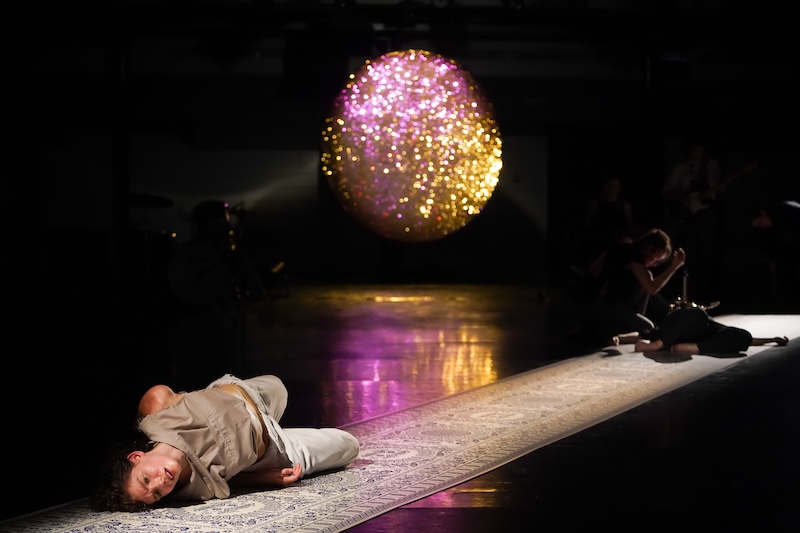
המילה שאני יוצאת איתה מ”קרשנדו זָהָב”, עבודתה של אנאבל דביר שראיתי בתיאטרון הבית היא: עוצמה. אם לסכם את העבודה במשפט אחד אפשר לתאר אותה כטקס פולחן של שבט נשים לוחמות, זאבות, שֵׁדוֹת, מכשפות. מה בפועל קרה שם על הבמה? שירה. נגינה. צעקות. רקיעות. רוקנרול. השתטחויות על הרצפה. רעל בעיניים וסכין בין השיניים, ליטרלי.

“קרשנדו זָהָב” היא יצירה ל-7 נשים: שלוש מוסיקאיות, שלוש רקדניות ואנאבל דביר אחת שמשמשת בשני התפקידים, מנצחת ביד רמה על המהלך כולו מבפנים, מנהיגה בין שוות. בסצנת הפתיחה, אחת הרקדניות יושבת בגב חשוף לקהל וסביבה נסגר לאט מעגל נשים, מקהלה ששרה אקפלה ממעמקי הגרון והבטן. יש תחושה של טקס סיאנס, העלאת רוחות, משהו קדוש ומסוכן. העבודה הקולית אדירה. אמנם לשמחתנו כבר נהוג לשלב קול במופעי מחול עכשווים, אבל כאן באמת נעשתה מלאכה מצוינת במיוחד. לאורך כל העבודה משובצים קטעים קוליים מרשימים בעברית, אנגלית, גי’בריש ואולי עוד כמה לשונות עתיקות שלא זיהיתי. שאפו מיוחד לצוות הרקדניות; אי אפשר היה להבחין בשירת המקהלה שיש משתתפות שאינן מוסיקאיות מקצועיות בהכשרתן. 

המופע כולו מבוסס על שני המדיומים – מוסיקה ומחול, על הטשטוש והחיבור ביניהם. יש כאן שבט אחד, שאמנם ברור שיש בתוכו שני “מקצועות” אבל הזליגה והאיחוי ביניהם מרתק. הגוף הוא כלי נגינה. הוא תוף, הוא תיבת תהודה. כלי הנגינה (המון כלים! תופים, גיטרה, גיטרה חשמלית, צ’לו, סקסופון, קלידים. קשה לזכור מי מנגנת על מה ומתי) הם גוף וחומר על הבמה, הם חלק מהקומפוזיציה המשתנה והם חלק מהפעולות הפיסיות, לא רק אמצעי להפקת צליל. 

לא הכרתי אף אחת משלושת המוסיקאיות המעולות (זוהר יחיאלי, תמר קמינסקי ויעל שרייבר) ושלושתן, כל אחת בדרכה הזיזה לי משהו בלב. אני מקווה שהן מתכננות להקים להקה. אם קודם ציינתי את העבודה המוסיקלית והקולית המפתיעה לטובה של הרקדניות, כאן אזכיר גם את העבודה הפיסית המרשימה של המוסיקאיות, שחלקן מצטרפות לקטעי יוניסון תובעניים פיסית ומחזיקות נוכחות בימתית לא פחותה מזאת של הרקדניות המקצועיות, לעתים קרובות אף יותר מהן. 

בסוף המופע רוב הקהל נעמד על רגליו ומחא כפיים במרץ. היה קשה להפסיק. אני חושבת שהתשואות הרמות במיוחד הן תוצאה של הכרה במאמץ הפיסי והמנטלי העצום שהמשתתפות בה לקחו על עצמן. מדובר בהתמסרות טוטאלית לחומרים בלתי מתפשרים, לעתים אגרסיביים ואפלים. זאת עבודה שדורשת, מה שנקרא, “להתאבד עליה” – גם במישור הגופני וגם בתוכן, שכן הפולחן הטקסי שבה עוסק בחיים ומוות. חלק גדול מהטקסטים, אלו מהם שהצלחתי להבין, עוסקים באלימות, מוות וברצח. אחת הרקדניות מלקה את עצמה בגב באמצעות רצועת עור. קשה שלא להעריך את שבע הנשים האלו שבאמת נותנות הכל על הבמה: דם יזע ודמעות.

כאמור, המובילה הבלתי מעורערת של המהלך היא אנאבל דביר בעצמה. קולה הרם והמהדהד והנוכחות הפיסית המיוחדת שלה תופסים את רוב הפוקוס רוב הזמן. היא חיית במה. היא לא רואה בעיניים. היא מהפנטת בכריזמה שלה, בטוטאליות חסרת הפשרות שלה. האתגר המרכזי כשיש כזאת נוכחות-טורנדו על במה היא איך לא לגרום ליתר המשתתפות להחוויר אל מולה. ניכר שהיא ניסתה לפתור את הבעיה על-ידי ליהוק של רקדניות מצוינות (ליל גורן, תמר סון ונועה שווה) ואפשרות לתת לכל אחת ביטוי קצת שונה, אינדיבידואלי. בכל זאת, קשה שלא להבחין בפער בין דביר לבין יתר הפרפורמריות. לרגעים הייתי צריכה להזכיר לעצמי להתיק את המבט ממנה כדי להתבונן בתמונה הרחבה. וכך, בעבודה שהיא לחלוטין בינתחומית אבל מסווגת כעבודת מחול, החלק הכי פחות מושך הוא… המחול. זאת למרות שהרקדניות עצמן מעולות ומביאות את עצמן במקסימום. אולי זה קשור לא רק לנוכחותה הדומיננטית של אנאבל דביר אלא גם לעומס הבימתי הכללי, ואולי פשוט זאת הנטייה של המחול המופשט – להתקפל בפני מדיומים אחרים כמו מוסיקה או טקסט. 

היצירה נחתמת בסצנה מהממת, שיר סיום מתוק ומורבידי מול הקלידים. יש ברגע הזה משהו מנחם, וגם הזדמנות לקהל רגע לנשום ולספוג את החוויה האינטנסיבית שעבר, יחד עם חבורת הנשים. יצאתי בתחושת הערכה גדולה למאמץ האדיר לעשות אמנות נשית Badass. לא מתחנפת, לא מתייפייפת, קשוחה ומחויבת לעצמה. אמנות שהיא מעבר לכיעור או ליופי, כזאת לא חוששת להביא את עצמה לבמה, במלוא העוצמה. 

אנאבל דביר הציגה את ׳קרשנדו זָהָב׳ ב24.7.2025 בתאטרון הבית. 

Eden Kramer’s Response to ‘Crescendo Gold’ by Annabelle Dvir

The word I take with me from Crescendo Gold, Annabelle Dvir’s work that I saw at Habait Theater, is: power. If I had to summarize the performance in one sentence, I’d describe it as a ritual of a tribe of warrior women, wolves, demons, witches. So what actually happened on stage? Singing. Playing instruments. Screaming. Stomping. Rock and roll. Collapsing to the floor. Eyes full of poison and a knife between the teeth, literally.

Crescendo Gold is a work for seven women; three musicians, three dancers, and one Annabelle Dvir who performs in both roles, conducting the entire piece from within with a firm hand, a leader among equals. In the opening scene, a dancer sits with her back bare to the audience, slowly encircled by women, a choir singing a cappella from deep in the throat and the belly. It feels like a séance, a summoning of spirits, something sacred and dangerous. The vocal work is magnificent. While it’s now thankfully common to include voice in contemporary dance, this piece takes it to another level. Throughout the show, impressive vocal segments are woven in, in Hebrew, English, gibberish, and possibly a few ancient languages I couldn’t identify. Special kudos to the dancers: from the singing alone, it was impossible to distinguish between professionally trained musicians and dancers.

The entire performance is built on two mediums: music and dance, and the overlap and connection between them. There is one tribe here, comprised of two “professions,” but the blending and fusion between them is fascinating. The body becomes a musical instrument, a drum or a resonance chamber. The instruments (so many! Drums, guitar, electric guitar, cello, saxophone, keyboard, it’s hard to remember who played what and when) are physical objects on stage, part of the shifting composition, part of the physical actions, far beyond tools for producing sound.

I wasn’t familiar with any of the three outstanding musicians (Zohar Yechieli, Tamar Kaminsky, and Yael Schreiber), and each of them moved something in me. I hope they’re planning to start a band. If earlier I praised the dancers’ unexpectedly excellent musical and vocal work, here I’ll also note the impressive physical performance by the musicians, some of whom joined trying unison sections and maintained their stage presence no less than the professional dancers, often even more.

At the end of the show, most of the audience was on their feet, applauding. It was hard to stop. I think the particularly enthusiastic applause was a recognition of the immense physical and mental effort the performers put in. There was total commitment to uncompromising, often aggressive and complex material. Crescendo Gold is a piece that demands, as they say, to give oneself over, physically and emotionally. The ritual centers around life and death. Much of the text, at least the parts I could make out, deals with violence, death and murder. One of the dancers lashes her own back with a leather strap. It’s hard not to admire these seven women who left everything on stage: blood, sweat, and tears.

As mentioned, the undisputed leader of the piece is Annabelle Dvir herself. Her booming voice and distinctive physical presence draw most of the focus most of the time. She is a force of nature. Fearless. Hypnotic in her charisma, her uncompromising totality. The main challenge, when there is such a tornado of presence on stage, is how to prevent the other performers from paling in comparison. It is clear she tried to solve this by casting excellent dancers (Layil Goren, Tamar Sonn, and Noa Shaveh), giving each a slightly different, tailored expression. Still, it’s hard to ignore the gap between Dvir and the rest of the performers. At times, I had to consciously remind myself to tear my gaze away from her in order to take in the broader picture.

Enigmatically, in a piece that is truly interdisciplinary but categorized as a dance work, the least captivating element is… the dance. Even though the dancers are excellent and fully committed. Perhaps this is due not only to Dvir’s dominant presence but also to the overall density of the staging, or maybe it’s simply the tendency of abstract dance to crumple in the face of other mediums like music or text.

The piece ends with a stunning scene, a sweet and morbid closing song played on the keyboard. There is something comforting in that moment, a chance for the audience to breathe and digest the intense experience they’ve just been through, together with this group of women. I left with deep appreciation for the tremendous effort to create bold, unapologetic, badass female art. Art that doesn’t pander, doesn’t try to look pretty, that is tough and true to itself. Art that goes beyond beauty or ugliness, unafraid to bring itself fully to the stage, in all its power.

Annabelle Dvir presented Crescendo Gold at Habait Theater on July 24, 2025. 


עדן קרמר

עדן קרמר היא יוצרת תיאטרון-מחול עצמאית, פרפורמרית ורקדנית, בוגרת תכניות רזידנסי בסדנא לאמנות רמת אליהו, במועצה אזורית חוף הכרמל ובסדנאות הבמה והמסך ביפו. עבודותיה האחרונות (“הטפט הצהוב” ו-“קתדרלה”) הוצגו בתיאטרון יפו ובמרכז נא לגעת לתיאטרון נגיש. עדן רקדה ביצירות של כוריאוגרפים שונים, ביניהם דניאל גליה-קינד, עירד אבני וגיא דולב. עבודתה האמנותית נתמכת על ידי מענקים מטעם מפעל הפיס, קרן רבינוביץ’ לאמנויות, עיריית תל אביב ומרכז “נא לגעת”. היא הופיעה בפסטיבלים ובמות בישראל ובחו”ל. עדן עוסקת הן ביצירתה והן במחקר תיאורטי בתחומים הקשורים בתנועה, נרטיב, סיפור, גוף והיחסים ביניהם. במקביל לעיסוקיה במחול, היא עורכת לשונית ועורכת תוכן עצמאית בעלת ניסיון בעריכת טקסטים אקדמיים וטקסטים בתחומי האמנות כגון תסריטים, מחזות ותערוכות. כתבות כמו גם מאמרים אקדמיים שלה התפרסמו במגזין “מחול עכשיו” בעריכת רות אשל. עדן היא לקטורית במאגר הלקטורים של קרן גשר לקולנוע וספקית תוכן (עריכה, ליווי ותרגום) של עמותת הכוריאוגרפים. שימשה כאסיסטנטית ומנהלת תוכן של הסופרת מיכל גוברין והקימה את אתר האינטרנט שלה. בעבר, עבדה כלקטורית בהוצאת הספרים “עם עובד”. עדן היא בוגרת תואר ראשון בהצטיינות במדעי הרוח, ספרות וחינוך ממכללת “אורנים” וסטודנטית לתואר שני בתכנית הבינתחומית באמנויות באוניברסיטת תל אביב. בנוסף, היא בוגרת קורס מורים דו-שנתי לויניאסה יוגה, מסלול “שלומבל” – לימודי המשך לרקדנים בהנחיית שלומית פונדמינסקי, וקורסים רבים במחול בטכניקות מגוונות בארץ ובעולם. היא חברה מובילה בקהילת אנ”ת, העוסקת באמנות, חינוך וחברה, וחברה ושגרירה של “קרן העתיד” גרמניה-ישראל.