
תגובתו של דורון גליה-קינד ל׳מבוסס על סיפור אמיתי׳ מאת מעין ליבמן-שרון
Photos by Vojtěch Brtnický
*English follows
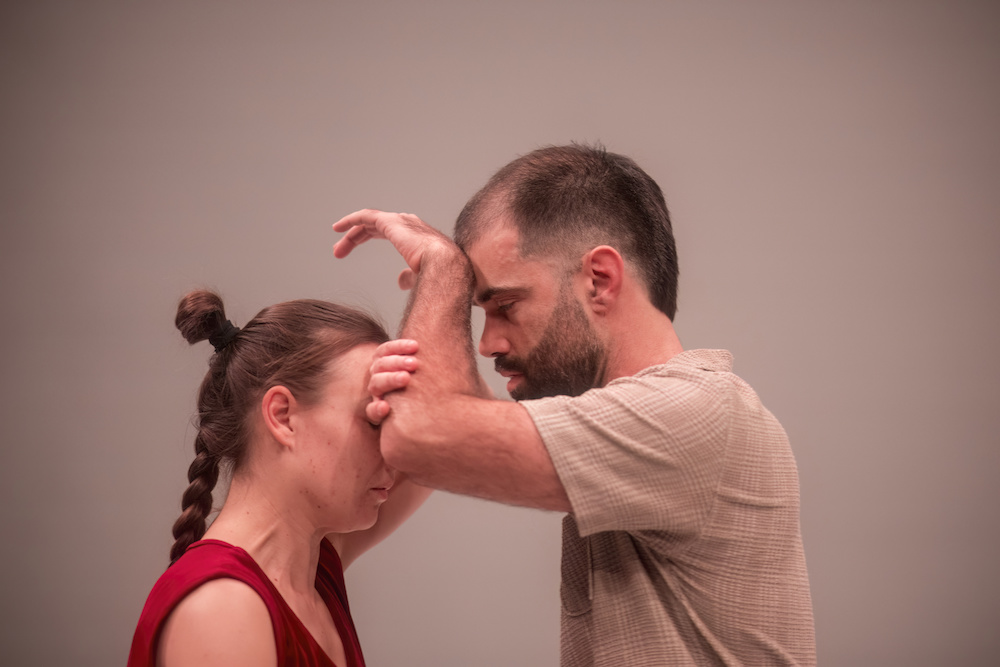
ישנם מופעים שמבקשים מאיתנו לשהות רגע בין המציאות לבדיה, בין הסיפור לבין זה המתרחש מול העיניים ממש. מבוסס על סיפור אמיתי של מעין ליבמן-שרון הוא בדיוק מסוג היצירות האלה – כאלה שנוגעות ברגש אך אינן לוחצות עליו. ולמרות שבשם היצירה מוצבת הצהרה ישירה על “סיפור אמיתי”, אני בוחר שלא לפרש את הסיפור הקונקרטי שעומד מאחוריה. דווקא משום כך אני בוחר להתייחס ליצירה עצמה, כפי שהיא מתקיימת על הבמה: למפגש בין הגופים, לקשרים הנוצרים בזמן אמת, ולתנועות שמספרות את מה שאינן אומרות במילים.
מהרגע הראשון ניתן היה לחוש בעוצמה האנושית של הרקדנים השותפים ליצירה (יוליה מז׳צקיה ואורי דיקר). הם לא רק ביצעו תנועה; הם החזיקו זה את זו, ממשית וסימבולית כאחד. כל נפילה, בין אם הייתה חלק מרצף מהיר או רגע מושהה של חוסר יציבות, לוותה בחיבוק. חיבוק שלא נראה ככוריאוגרפיה בלבד אלא כפעולה אנושית, כתגובה אמיתית לבן-זוג הנמצא במרחב משותף של אמון. הקשרים הפיזיים בין הרקדנים יצרו תחושה שהסיפור שעליו נשענת היצירה אינו רק סיפור “אמיתי” מבחינה תיעודית, אלא אמיתי במשמעותו העמוקה יותר: אמת של יחסים, של קרבה, של תלות הדדית.
השירה של החיטה צומחת שוב שליוותה את רוב חלקי המופע, הייתה כמו שכבה נוספת שאינה תמיד מחבקת את התנועה, אך גם כשהרגישה מעט מרוחקת או לא מתחברת באופן ישיר, היא הפכה למרחב מהדהד. היו רגעים שבהם המוזיקה כמעט התנגדה לגוף, ורגעים שבהם השניים התמזגו לכדי תמונה שלמה. דווקא הסתירה הזאת יצרה מימד נוסף, כאילו היצירה מבקשת להזכיר שהחיים עצמם אינם תמיד מסונכרנים. לפעמים אנחנו זזים בקצב אחד בעוד העולם מזמר בקצב אחר.
ליבמן-שרון ידועה ברעיונות כוריאוגרפיים חדים, ובמופע הזה היא מבטאת זאת באופן מדויק. הרצפים מהירים, מלאי החלטיות, מתוזמנים באכזריות כמעט, ומצליחים לשמור על הומניות. נראה כי הרקדנים לא רק מבצעים הוראות אלא לוקחים חלק פעיל בעיצוב השפה: שיתוף פעולה שמורגשת בו נשימה משותפת, אולי אפילו תהליך שנשען על חוויה קבוצתית עמוקה. יש בתנועה תחושה של פרגון הדדי, של תהליך שהיה ככל הנראה מרומם רוח גם עבורם.
בחירת השיר החיטה צומחת שוב נגעה ללב, כמובן. זהו שיר שמספר על בית שכבר אינו אותו הבית – על אובדן, שינוי וחזרה למקומות שאינם כפי שהיו. אך בתוך ההקשר הרחב של המופע, ניכר כי היה חסר בו גשר קטן, אדפטציה שתתרגם את המשמעות הזו למרחב בינלאומי. משהו מההקשר התרבותי נשאר מקומי מאוד, כמעט סגור בפני מי שלא מכיר את המטענים ההיסטוריים והרגשיים שמגיעים עם המילים. זו בחירה יפה, אך כזו שמעט הגבילה את הגישה לקהל של פסויבל שבוע מחול הבינלאומי, במיוחד שהשיר נשאר במקורו העברי.
ואז הגיע הסוף: פתאומי, כמעט זר. המעבר לטרנס, לאור אדום שהעלה מיד אסוציאציות לעולם אחר לחלוטין, שבר לרגע את הרצף העדין שנבנה קודם לכן. זו הייתה בחירה אמנותית נועזת, אך גם כזו שהרגישה פחות מחוברת ללב היצירה. אמנם יש משהו מעניין בניסיון לקחת את הצופה בחדות למקום אחר, אך הפער בין הטון הרגשי של המופע לבין האנרגיה המתפוצצת של הסיום יצר תחושה של קטיעה.
ובכל זאת – מבוסס על סיפור אמיתי הוא מופע מרגש, מלא חמלה ורוך, וברובו גם מלא בחמלה. הוא מפגיש אותנו עם מצבים של שבירות וחוזק, עם מערכות יחסים שנבנות ונפרמות ברגעים, עם האפשרות לספר סיפור מבלי לומר אותו במילים. יש בו נדיבות של גוף ושל לב, ויש בו הערכה עמוקה לאנושיות שמתקיימת בין הפרפורמרים.
זהו מופע שלא רק מבוסס על סיפור אמיתי. הוא עצמו מרגיש כמו סיפור כזה: מלא נוכחות, חיות, ולא אחיד או מושלם, אלא אמיתי בדיוק בגלל זה.
מעין ליבמן-שרון הציגה את ׳מבוסס על סיפור אמיתי׳ ב9.12.2025 במסגרת פסטיבל שבוע מחול הבינלאומי של מרכז מחול שלם.
Doron Gallia-Kind’s Response to ‘Based on a True Story’ by Maayan Liebman-Sharon
There are performances that ask us to linger for a moment between reality and fiction, between the story and what is actually happening before our eyes. Based on a True Story by Maayan Liebman-Sharon is precisely this kind of work, one that touches emotion without pressing on it. And although the title presents a direct declaration of a true story, I choose not to interpret the concrete narrative behind it. For that very reason I choose to relate to the work itself as it exists on stage, to the meeting of bodies, to the connections formed in real time, and to movements that tell what words do not say.
From the very first moment it was possible to feel the human intensity of the dancers who share the work, Yulia Mezhetskaya and Uri Dicker. They did not merely perform movement. They held one another, both literally and symbolically. Every fall, whether part of a rapid sequence or a suspended moment of instability, was accompanied by an embrace. An embrace that did not appear as choreography alone but as a human action, as a genuine response to a partner present in a shared space of trust. The physical connections between the dancers created the sense that the story on which the work rests is not only true in a documentary sense, but true in a deeper meaning, a truth of relationships, of closeness, of mutual dependence.
The singing of The Wheat Grows Again, which accompanied most of the performance, functioned as an additional layer that did not always embrace the movement. Even when it felt somewhat distant or not directly connected, it became a resonant space. There were moments when the music almost resisted the body, and moments when the two merged into a complete image. This very contradiction created another dimension, as if the work wished to remind us that life itself is not always synchronized. Sometimes we move at one rhythm while the world sings at another.
Liebman-Sharon is known for sharp choreographic ideas, and in this performance she expresses this with precision. The sequences are fast, decisive, almost cruelly timed, and yet they manage to preserve humanity. It seems that the dancers are not merely executing instructions but taking an active part in shaping the language. This is a collaboration in which shared breath is felt, perhaps even a process grounded in a deep collective experience. There is a sense of mutual generosity in the movement, of a process that was likely uplifting for them as well.
The choice of the song The Wheat Grows Again was, of course, deeply moving. It is a song that speaks of a home that is no longer the same home, of loss, change, and return to places that are not as they were. Yet within the broader context of the performance, it was evident that a small bridge was missing, an adaptation that would translate this meaning into an international space. Some of the cultural context remained very local, almost closed to those unfamiliar with the historical and emotional weight carried by the words. It is a beautiful choice, but one that slightly limited the accessibility of the work to the specific audience of Jerusalem International Dance Week, especially since the song remained in its original Hebrew.
And then came the ending, sudden and almost alien. The transition into trance, into red light that immediately evoked associations with a completely different world, broke for a moment the delicate continuity that had been built until then. It was a bold artistic choice, but also one that felt less connected to the heart of the work. There is something intriguing in the attempt to sharply take the viewer elsewhere, yet the gap between the emotional tone of the performance and the explosive energy of the ending created a sense of rupture.
And yet, Based on a True Story is a moving performance, full of tenderness and softness, and for the most part also full of compassion. It brings us into contact with states of fragility and strength, with relationships that are built and unraveled in moments, with the possibility of telling a story without speaking it in words. There is generosity of body and of heart, and a deep appreciation for the humanity that exists between the performers.
This is a performance that is not only based on a true story. It itself feels like such a story, full of presence and vitality, not uniform or perfect, but true precisely because of that.
Maayan Liebman-Sharon presented Based on a True Story on 9.12.2025 as part of Machol Shalem Dance House’s Jerusalem International Dance Week.
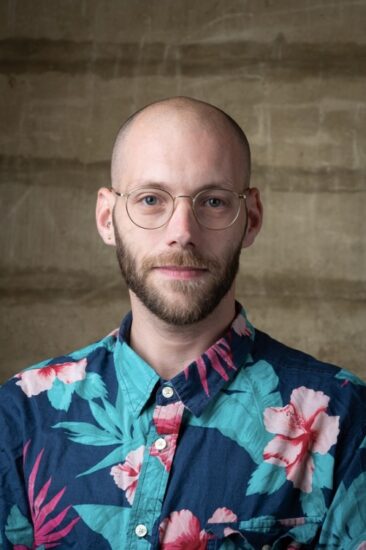
Doron Gallia-Kind (1990), works in Jerusalem and Amsterdam.
Creator, performer, Person of movement and processes, Father of Sol and Louie.
Co-director and artistic director of HaMiffal, Jerusalem.
Graduate of the School of Visual Theater and holds a bachelor’s degree in education from David Yellin College (2019)
Works in which he participated have included the the Israel Museum, Mekudeshet Festival, the International Puppet Festival, Zira theatre, IntimaDance Festival, Israel Festival and more.
Producer and co-creator of ‘Journeys to Dissolving Boundaries’ – Theatrical Docu Journeys at Mekudeshet Festival.
Member of the ANAT community, an interdisciplinary movement for artists and social art in Israel.
Producer and actor in the “Holot Theater” group.