
This dance-sex which is not one: Thoughts about Hani Sirkis’s work “Take Off”
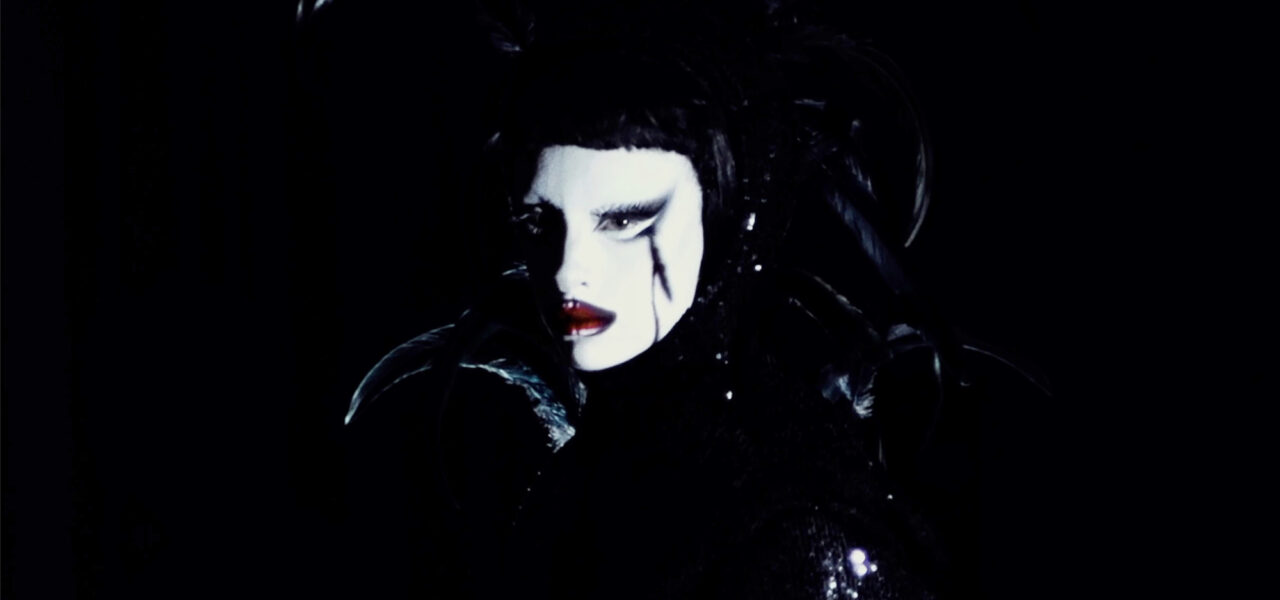
*Photo 9Ron9, Yoav Erteschik
*Hebrew follows
By Joy Bernard
What does it mean to be a woman in the 21st century? What does it mean to identify as a woman and work in the field of performance art, in which one’s body is both an object on display and the main tool of expression, the medium itself? Is it any different today than what it was like in the 16th century, when dances were initially introduced into court life in France, leading up eventually to the invention of ballet?
If a female dancer chooses to strip on stage in 2025, is she necessarily echoing, negating, enhancing or corresponding with the long tradition of nudity in performance art that preceded her (all the way from Isadora Duncan at the end of the 19th up through the 1970s during which time Pina Bausch rose to prominence with works that used nudity as a psychologically and politically charged act of revelation, and leading to present day, with the works of choreographers like Mathilde Monnier and Marina Otero, who explore the naked body as a means to express social critique and as a site of trauma, memory and sexuality)?
These were only some of the questions that raced through my mind while attending the premiere of “Takeoff,” a new work by dancer and choreographer Hani Sirkis which was presented at the Tel Aviv Dance Festival this month as a co-production of the Suzanne Dellal Centre. Sirkis seemed to attempt to grapple with these issues in her own unique, mesmerizing and unabashed performative dialect, which spoke to the audience in ways we have not heard before.
Prior to watching the show, my familiarity with Sirkis was mainly as a dancer in multiple works by Ohad Naharin as part of the repertoire of the Batsheva Dance Company. I was always immeasurably impressed by her physical prowess and her magnetic charisma, her undeniable stage presence that many other dancers can only envy. I still can’t quite shake away my vivid memories of Sirkis clad in a skin-tight little green dress and donning a pair of frighteningly high black leather heels, twisting and twirling her long legs in a bewitching mix of confidence and vulnerability throughout the work “2019.”
A little before leaving Batsheva in 2022, Sirkis began to develop a solo career that relies on a performative alter ego she invented for herself, a drag queen persona she dubs “Barbie Cute.” As part of this persona, she regularly alights the stages of underground dance bars in Tel Aviv alongside her contemporaries (male-born performers dressing as women) and dresses to fit the part: Tiny, sequin-covered mini dresses, impossibly long stilettos that correspond well with her impossibly long fake nails and full face of exaggerated makeup. Not only does Sirkis perform as “Barbie Cute,” she is actually the proud (pun not intended) founder and director of a successful line of drag performances titled “Kunty Klub,” whose lineup often includes surprise guest performances by Sirkis’s former colleagues at Batsheva.
This surprising career turn defies normal expectations the dance scene harbors for contemporary dancers, and it also clashes with the unwritten code book of the LGBTQ community (as aforementioned, the vast majority of “queens” are assigned male at birth and dress up as women. While not the first globally, Sirkis stands out as one of the only femme-bodied drag queens in Israel). This anomaly, coupled with her sheer beauty, have turned Sirkis into an Instagram sensation, and quite possibly led to her debut choreographic solo work getting sold out in a matter of days after ticket sales began.
Challenging the male-female power dynamic
Even before the show had started, I was made aware that Sirkis is an original stage and setting designer in her own right. Viewers queuing outside the Dallal hall were not only required to scan their tickets by the ushers, but were actually asked to hand over their smartphones so that their cameras would be covered by a black sticker, disabling them from snapping pictures once inside. A brilliant PR stunt serving to build up tension? Possibly. A clever reference to a customary habit in European sex clubs, subtly hinting at the atmosphere awaiting us within? Yes indeed.
Once seated, I noticed that the empty stage was flanked by two men dressed in black and sporting the same closely-cropped haircut. At first I mistook them for ushers, only to realize seconds later that they, too, were a reference to the clubbing scene, looking as they were like bouncers outside a club. According to the program, the two performers are Gilad and Ofir Asheri; they appear to be identical twins.
Aside from manipulating the lighting, which they did by carrying flashlights that they held up to Sirkis’s face and figure throughout the work or menacingly turned on the audience in moments when the hall turned pitch black, the two alternated as Sirkis’s sidekicks. At times she treated them almost like human props that she used in order to navigate the stage in her monstrous costume, or change from one pair of ridiculously high heels to the next.
This dynamic that Sirkis cultivated with the twins helped spell out for the audience what I believe she sets out to do in this work – harness the visual language of drag and the kinky world of associations it is affiliated with (a whole host of physical gestures she aimed at the pair often referenced the meta-world of BDSM and the dominance exerted by so-called “queens” on their male “slaves”) – to tell us something about her unique existential experience in the world as a woman, and not just any woman – a young dancer.
For the next thirty minutes or so, Sirkis clambered up and down the stairs of the Dallal Hall, gyrated on stage, tossed about the long black tresses of her wig and winked at the audience while lip-syncing a series of popular songs (in a surprisingly wide range that ran the gamut from jazz to present day pop) about lust, passion and seduction. While this bit garnered a lot of enthusiasm from the audience, I was less entranced, albeit impressed by her ability to maneuver freely in a restrictive outfit that consisted of multiple black feathers that reminded me all at once of 1920s and 1930s cabaret shows, horror figures from Hitchcock movies and the outfit Dana International wore to the Eurovision Song Contest in 1998 (if you know, you know).
What came next was far more enticing in my opinion: Sirkis, ever the dominating seductress, began to shed the layers of her outfit, remaining exposed in her undergarments. This wasn’t the titillating part. What was so thrilling was the fact that here she truly began to physically express herself as the skilled contemporary dancer that she is, bringing to life on stage her own signature and unparalleled mix of drag performance and dance.
Sirkis’s decision to strip appeared to come in direct response to everything I have mentioned thus far. It seems that she is well aware of her public image and her reputation, and is humorous and brave enough to address it by taking matters into her own hands. One could read her decision to strip on stage as a feminist act, kind of like saying to the audience: “I know you are all obsessed with my body and looks, and for those coming from the drag community, you probably want to know what I have between my legs or have something critical to say about it. So here you go, you get what you wished for. I’m going to proudly show off my femininity.”
Sirkis didn’t stop at that. She then embarked on a long journey to remove the rest of her minimal clothing, including her wig. She smeared her makeup off her face, and whatever traces she didn’t remove were erased by the strong hands of the two bouncer-twins, who approached her in an intimate gesture, getting dangerously and erotically close – close enough to caress or to slap. Instead, they just forcefully swiped their palms across her cheeks, erasing the remnants of stark white foundation and bright red lipstick. I couldn’t help but think of the iconic work “Kontakthof” (1978) by Pina Bausch, particularly of a sequence in which a female dancer is seen standing on stage passively as she is approached by one male dancer after another. They begin to touch her, at times caressing a cheek or adjusting the garment she is wearing; gradually, their contact becomes more and more aggressive, more and more invasive.
Internalizing the male gaze or finding a new way to look at ourselves as women?
Almost 50 years after Bausch first presented this work, Sirkis intelligently employed a rather similar choreographic tactic to show us that the power struggle between the sexes is still very much in place. This led me to wonder: What does it mean about her as a choreographer, and at large about us as a society, when she as a woman chooses to reenact on stage the violence and predatory manipulation women suffer at the hands of men?
In 1975, just several years before Bausch premiered Kontathof, writer Laura Mulvey drew on psychoanalytic theory to pen the important feminist essay “Visual Pleasure and Narrative Cinema.” In it, Mulvey argues that mainstream cinema is structured to depict women from a masculine and heterosexual perspective that presents women as passive objects of desire for the active male viewer.
She identified that this phenomenon is achieved through the gaze of the camera, the gaze of the male characters and the gaze of the spectators, pointing out that the audience – regardless of its gender – is positioned to identify with the male characters and adopt their voyeuristic and objectifying view of women. This process, Mulvey claimed, reinforced the patriarchal power structure by reducing women to spectacles to be looked at, rather than subjects with their own agency: “The woman’s look, as a matter of fact, is not even in question. In a world ordered by sexual imbalance, pleasure in looking has been split between active/male and passive/female” (Mulvey, pg. 11, Screen, vol. 16, issue 3, autumn 1975).
I am not the first dance critic to point out that Mulvey’s theory can be well applied to dance history too, but as I watched Sirkis remove her undergarments by solicitously rolling her hips , I wondered how feminist her decision to strip truly is if it still plays the familiar tune of male fantasy. As Sirkis spread her legs widely and provocatively reached between them, first with her back to the audience and then facing us directly, I couldn’t help but ask myself: Is her instrumentalization of nudity a liberating act that puts the power back in her hands and teases us, the viewers, by mirroring for us our innate fantasy facing a beautiful woman on stage? Or has Sirkis internalized what Mulvey termed “the male gaze,” turning it back on herself by self-objectifying and self-fetishizing?
Furthermore, by opting to strip entirely, Sirkis is not only alluding to the world of drag; she is placing herself in the territory of burlesque art and striptease dances, a world of performance that dovetails with the sex industry, if not downright belongs in it. She juxtaposes the image of the sought-after, elitist contemporary dancer whom society respects (if not downright admires) with the raunchier image of a woman who is paid to lose her clothes. By making such a juxtaposition, is she telling us that both types of artists are the same, that all women are equal? Or is this true for only certain performers?
Girls just wanna have fun
Sirkis then went on to incorporate in her piece a solo that was reminiscent of, or perhaps even directly quoted from, the “The Dying Swan” by Mikahil Fokine. For non-ballet buffs, I’ll clarify that this is a short but extremely iconic ballet that follows the last moments in the life of a swan, as its title suggests. It was fascinating to watch her, a young dancer in her peak, seemingly acknowledging quite boldly through this physical reference that she, too, still lives under the boot of the patriarchy, that she is well aware that she is fetishized and sexualized and at the same time expected to still be a tender, girly girl, a trained ballerina that accepts that her shelf life will be over once she hits middle age.
By dancing ballet in the buff, Sirkis seemed to be telling us: “I am completely defying all the rules. I can be a dainty ballerina and a wild beast at the same time, a former Batsheva dancer but with an avid classical background, a pop culture phenomenon but still well-versed in the canon and classics.”
The ballet sequence slowly progressed into dynamic floor work, with Sirkis rising up to her feet and succumbing to gravity several times, until she remained uplifted and held several poses, shifting between them graciously. As she did, I recalled the canonical book “This Sex Which Is Not One” (1977) by Luce Irigary, a French philosopher and linguist. In it, Irigary criticizes how Western philosophy has historically defined women in relation to men, often as a lack, absence, or a “not-man.” Irigary argues that the traditional discourse fails to account for female desire, identity and sexuality. The latter, she suggests, is not singular but rather multiple, diffuse, and “not one” in the same way that phallocentric discourse presents male sexuality.
While Sirkis gradually faded from view, stumbling upstage and disappearing into the delicate shadows crafted through the virtuosic lighting work of Bambi (Avi Yona Bueno, Suzanne Dellal’s house lighting designer and a terrific artist in his own right), I began to think that maybe the innovation that she offers lies exactly in the grey zone where I pose my questions about gender bias, gender roles and the ability of performance art to reflect or counteract the reality of the struggle between the sexes.
Maybe Sirkis isn’t out to offer answers to these questions, and is instead practicing freedom through her ability to shape-shift as a dancer/drag queen. Maybe her mastery is rooted in the fact that she is brave enough to show us a dance-sex “which is not one,” if I am to borrow Irigary’s phrasing. Sirkis is presenting us with a sexual and performative hybrid: Both drag and contemporary dance; both distinctly female and a genderless creature; both liberated and adhering to the customs and codes we know.
Maybe, as the song goes, “girls just wanna have fun,” and the stage is this artist’s deliberate playground where she gets to have fun and offer us some pleasure and respite from our reality. And maybe, by introducing a performative alternative and a queer way of life into the most well-respected dance institution in Israel, Sirkis is showing us that it is worthwhile to consider stretching our boundaries and celebrating our bodies in all their forms and ways of movement.
Hani Sirkis presented the premiere of ‘Take Off’ on August 13, 2025 as part of the Suzanne Dellal Centre’s Tel Aviv Dance Festival.
ריקוד ממין זה שאינו אחד: מחשבות על יצירתה של חני סירקיס
מאת ג’וי ברנרד
מה המשמעות של היות אישה במאה ה-21? מה המשמעות של היות אישה שעובדת בשדה המחול, שבו הגוף שלך הוא גם אובייקט המוצג לעיני כל וגם הכלי המרכזי שלך להבעה, המדיום עצמו שבו את עוסקת? האם חווית הקיום והעיסוק במחול כאישה מודרנית שונה מהחוויה שהייתה לנשים שעסקו בתנועה במאה ה-16, כשריקודים נכנסו בהדרגה לחיי האצילים בחצרות המלכותיות של צרפת במהלך שהביא בסופו של דבר לצמיחתו של הבלט?
אם רקדנית בוחרת להתפשט על הבמה בשנת 2025, האם היא בהכרח מהדהדת, מתנגדת, מעצימה או מתכתבת עם המסורת הארוכה של עירום בשדה הפרפורמנס אשר קדמה לה (החל מאיזדורה דאנקן בסוף המאה ה-19, דרך שנות ה-70 של המאה ה-20, בהן צמחה לתהילת עולם פינה באוש עם יצירות שהשתמשו בעירום כאקט טעון מבחינה פסיכולוגית ופוליטית כאחד, וכלה בימינו אנו, עם יצירות של כוריאוגרפיות כמו מאתילד מונייה ומרינה אוטרו, שחוקרות את הגוף העירום כאמצעי להביע ביקורת חברתית וכאתר של טראומה, זיכרון ומיניות)?
אלו רק חלק מהשאלות שהתרוצצו בראשי בשעה שצפיתי בפרמיירה של העבודה החדשה של הרקדנית והכוריאוגרפית חני סירקיס, Takeoff, אשר הוצגה בפסטיבל תל אביב דאנס החודש כקו-פרודוקציה שנוצרה בשיתוף עם מרכז סוזן דלל. נדמה שסירקיס ניסתה להתמודד עם הסוגיות הללו בדרכה הייחודית, המהפנטת והבלתי מתנצלת באמצעות תחביר תנועתי ופרפורמטיבי שדרכו דיברה אל הקהל בדרכים שהוא לא רגיל לשמוע.
ההיכרות המוקדמת שלי עם סירקיס טרם הצפייה בהופעה הייתה מושתתת על צפייה בה כרקדנית במגוון עבודות מאת אוהד נהרין, כחלק מעבודתה בלהקת המחול בת שבע. תמיד התרשמתי מהשליטה שלה בגופה, מהרהיטות הפיזית שלה ומהכריזמה הממגנטת שלה, מהנוכחות הבימתית הבלתי ניתנת לערעור שלה שרקדנים.ות אחרים.ות יכולים.ות רק להתאוות אליה. אני עדיין לא יכולה להתנער מחלק מהתמונות שנצרבו בי של דמותה של סירקיס עטויה בשמלת מיני ירוקה צמודה ונועלת זוג נעלי עקב שחורות, מפחידות בגובהן, תוך שהיא מעוותת ומסחררת את רגליה הארוכות בשילוב מכשף של ביטחון ופגיעות ביצירה “2019”.
קצת לפני שסיימה את עבודתה בלהקת בת שבע בשנת 2022, סירקיס החלה לפתח קריירת סולו הנשענת, בין היתר, על אלטר אגו פרפורמטיבי שיצרה לעצמה, מלכת דראג אותה היא מכנה “בארבי קיוט”. היא מופיעה תדירות על במות של מועדוני ריקוד מחתרתיים בתל אביב בתור הדמות הזאת, לצד מלכות דראג אחרות (פרפורמריות שנולדו כגברים ולבושות כנשים), ומתלבשת בהתאם: שמלות מיני קטנטנות המכוסות בנצנצים, עקבי סטילטו גבוהים המתכתבים עם ציפורניים ארוכות מודבקות ופנים משוחות באיפור כבד. סירקיס לא רק מופיעה בתור “בארבי קיוט”; היא גם המייסדת והמנהלת הגאה (נשבעת שמשחק המילים אינו מכוון) של ליין מוצלח של הופעות דראג העונה לשם Kunty Klub, שזוכה להופעות אורח מפתיעות מאת קולגות לשעבר של סירקיס מבת שבע.
המפנה המפתיע הזה בקריירה שלה נוגד את הציפיות שיש לעולם המחול מרקדניות עכשוויות, וגם מתנגש במידה מסוימת עם ספר החוקים הבלתי כתוב של הקהילה הלהט”בקית (כפי שציינתי לעיל, הרוב המכריע של מלכות הדראג הוגדרו כגברים בלידתן ומתלבשות כנשים. בעוד שהיא לא הראשונה לעשות זאת בעולם, סירקיס היא אחת ממלכות הדראג היחידות בישראל שנולדו כנשים).
העובדה החריגה הזו, בשילוב עם יופיה הניכר, הפכה את סירקיס לאושיית אינסטגרם ידועה, וככל הנראה הייתה גורם משמעותי בעובדה שכל הכרטיסים ליצירת הביכורים שלה נרכשו תוך ימים ספורים.
מאתגרת את יחסי הכוחות בין גברים לנשים
אפילו לפני שההופעה התחילה, נוכחתי לגלות שסירקיס היא מעצבת במה ותפאורה מוכשרת בזכות עצמה, כזו שגם יודעת לייצר אווירה. צופים שהתקהלו מחוץ לאולם דלל לא רק נדרשו לסרוק את הכרטיסים שלהם בטלפונים הניידים שלהם על ידי הסדרנים, אלא גם התבקשו להגיש לסדרנים את הסמארטפונים שכוסו במדבקות שחורות, כך שלא יוכלו לצלם תמונות במהלך המופע. האם מדובר במהלך שיווקי מתוחכם שנועד לבנות מתח? ייתכן. האם מדובר באיזכור שובב למנהג שגור במועדוני סקס אירופאים, כזה המרמז לנו על מה שמחכה לנו בפנים? בהחלט.
אחרי שהתיישבתי במקומי, הבחנתי שמשני עברי הבמה עומדים שני גברים לבושים בשחור שמתהדרים באותה התספורת הקצוצה. בהתחלה חשבתי שאלו סדרנים, אך אחרי כמה שניות הבנתי שגם הם מהווים רפרנס לסצנת המועדונים, משום שהם נראו כמו מאבטחים בכניסה למועדון. על פי התוכנייה, מדובר בצמד הפרפורמרים גלעד ואופיר אשרי; נראה שהם תאומים זהים.
חוץ מלתפקד כמפעילי במה ותאורה (תפקיד שהם מילאו כאשר האירו את פניה ואת גופה של סירקיס בפנסים במהלך המופע או הפנו את אלומותיהם המסנוורות באופן קצת מאיים אל עבר הקהל ברגעים שבהם האולם הוחשך לחלוטין), השניים שימשו בתור סוג של אסיסטנטים של סירקיס. לרגעים היא התייחסה אליהם כאל פרופס אנושיים, בהם השתמשה כדי לנווט על הבמה בתחפושת המפלצתית-משהו שלבשה, או כדי להחליף זוג אחד של פלטפורמות ענק בזוג אחר של נעלי עקב גבוהות להחריד.
הדינמיקה שסירקיס פיתחה עם התאומים עזרה להבהיר לקהל את הכוונה שאני סבורה שעומדת מאחורי המופע – שימוש בשפה החזותית של עולם הדראג והאסוציאציות הקינקיות שהוא מעורר (כולל סדרה של מחוות פיזיות שהיא כיוונה כלפי הצמד, שאיזכרו בבירור את עולם הסאדו-מאזו שבו “מלכות” מפעילות כוח ונוכחות דומיננטית כלפי “עבדים”) – על מנת לספר לקהל סיפור על החוויה הייחודית שלה בעולם כאישה, ולא סתם כל אישה, אלא רקדנית צעירה.
במשך שלושים הדקות הראשונות של היצירה, סירקיס עלתה וירדה במעלה ובמורד המדרגות של אולם דלל, עינטזה על הבמה, נפנפה בשערות הארוכות והשחורות של הפאה שלה וקרצה אל הקהל בזמן שביצעה ליפ-סינק לסדרה של שירים פופולריים (שנעו במנעד עשיר להפתיע מג’אז ועד שירי פופ בני זמננו) שעסקו בחשק, תשוקה ופיתוי. בעוד שהחלק הזה עורר תשואות נלהבות בקרב הקהל, אני פחות התרגשתי, אם כי התרשמתי מאוד לראות אותה נעה בקלילות בתלבושת המגבילה שלה שהורכבה משלל נוצות שהזכירו לי מופעי קברט משנות ה-20 וה-30, דמויות אימה מסרטים של היצ’קוק ואת התלבושת שלבשה דנה אינטרנשיונל כשיצגה את ישראל בתחרות האירוויזיון של שנת 1998 (מי שיודע על מה אני מדברת וודאי יזכר באאוטפיט האיקוני ההוא בהנאה).
מה שקרה בהמשך היה הרבה יותר עוצמתי בעיני: סירקיס, עדיין בתפקיד הפתיינית/מלכת הדראג/סאדו, החל להסיר את שכבות התחפושת שלה ונשארה בבגדים תחתונים בלבד. זה כשלעצמו לא היה החלק המרטיט. מה שהיה כל כך מרגש זה שבשלב הזה של היצירה היא החלה להביע את עצמה באופן פיזי ולהראות לנו עד כמה היא מנוסה ומוכשרת בתור רקדנית עכשווית, וכך הנכיחה על הבמה את החותמת הייחודית לה: שילוב נדיר בין הופעת דראג למחול.
נדמה שההחלטה של סירקיס להתפשט היא מעין תגובה לכל מה שציינתי עד כה. נראה שהיא מודעת מאוד לדימוי הציבורי שלה, ושיש לה מספיק אומץ וחוש הומור בריא כדי להתייחס לדימוי הזה באמצעות נטילת השליטה עליו לידיה. אפשר לקרוא את ההחלטה שלה להתפשט על הבמה בתור אקט פמיניסטי, כזה שכביכול אומר לצופים: “אני יודעת שכולכם אובססיביים לגבי הגוף והמראה שלי, ועבור מי שמגיע מקהילת הדראג, אתם בטח רוצים לדעת מה יש לי בין הרגליים או שיש לכם ביקורת כלפי זה. אז הנה, קיבלתם את מה שביקשתם. אני הולכת להציג לראווה את הנשיות שלי”.
סירקיס לא עצרה שם. בנקודה זו, היא יצאה למסע ארוך שנחתם בהתפשטות טוטאלית, כולל הסרת הפאה שלה. היא מחתה את האיפור שלה, ואת השאריות שהיא לא הצליחה להוריד הסירו עבורה בידיהם צמד התאומים/שומרי הסף של הבמה, שהתקרבו אליה פתע במחווה שנראתה מסוכנת כשם שהיא הייתה אירוטית, עד שהיו קרובים מספיק כדי ללטף אותה או לסטור לה. במקום לעשות זאת, הם גררו את כפות ידיהם לאורך הלחיים שלה בכוח, וכך מחו את שיירי האיפור הלבן ואת השפתון האדום הבוהק שלשפתיה. ברגע הזה, לא יכולתי שלא לחשוב על Kontakthof, עבודה שיצרה פינה באוש בשנת 1978. בפרט עלה בדעתי רגע שבו רקדנית נראתה עומדת לבדה בפסיביות על הבמה, כשלאט לאט התקרבו אליה בזה אחר זה מספר רקדנים. הם החלו לגעת בה, לפעמים מלטפים לחי או מרפרפים על רצועת בגד; בהדרגה המגע שלהם הפך יותר ויותר אגרסיבי, יותר ויותר פולשני.
מפנימות את המבט הגברי או מוצאות דרכים חדשות לראות את עצמנו כנשים?
כמעט חצי מאה אחרי שבאוש הציגה לראשונה את העבודה החשובה הזו, סירקיס משתמשת בחוכמתה בטקטיקה כוריאוגרפית דומה על מנת להראות לנו שיחסי הכוחות בין המינים עדיין לא שוויוניים. הבחירה הזו הובילה אותי לתהות: מה זה אומר עליה ככוריאוגרפית? ומה זה אומר עלינו כחברה, כאשר אישה בוחרת לשחזר על הבמה את האלימות ואת יחסי הרדיפה הכוחניים שנשים סופגות מידי גברים?
בשנת 1975, מספר שנים לפני שבאוש יצרה את Kontakthof, הכותבת לורה מאלווי נשענה על תיאוריה פסיכואנליטית בכותבה את המאמר הפמיניסטי החשוב “עונג חזותי וקולנוע נרטיבי”. במאמר זה, מאלווי טוענת שהקולנוע נבנה כך שהוא מציג נשים מנקודת מבט גברית והטרוסקסואלית כמושאי התשוקה הפסיביים של הצופה הגברי האקטיבי. מאלווי גרסה שהתופעה הזו מתאפשרת באמצעות המבט של המצלמה, המבט של הדמויות הגבריות והמבט של הצופים, והיא הצביעה על כך שהקהל – בין אם מדובר בנשים או בגברים – ממוקם כך שהוא מוצא עצמו מזדהה עם הדמויות הגבריות ומאמץ את נקודת המבט המציצנית והמחפיצה שלהן. מאלווי טענה שהתהליך הזה רק מחזק את מבנה הכוח הפטריארכלי ששורר בחברה, בכך שהוא הופך נשים לספקטקלים בלבד, במקום להכיר בהן כסובייקטים עם סוכנות וכוח רצון משל עצמן: “המבט של האישה, לצורך העניין, אפילו לא בא בחשבון. בעולם שמנוהל על ידי חוסר איזון מיני, העונג שבהתבוננות התחלק בין אקטיבי/זכר לבין פסיבית/נקבה” (מאלווי, עמ’ 11, כתב העת Screen, מהדורה 16, גיליון 3, סתיו 1975; תרגום המחברת מאנגלית לעברית).
אני לא מבקרת המחול הראשונה שמצביעה על כך שניתן להחיל את התיאוריה של מאלווי על מחול. כשצפיתי בסירקיס מסירה את התחתונים שלה באמצעות נענוע פתייני של ירכיה, תהיתי עד כמה ההחלטה שלה להתפשט היא אכן פמיניסטית אם היא עדיין מגשימה את הפנטזיה הגברית כלפיה. בשעה שסירקיס פישקה את רגליה ושלחה את ידה בפרובוקטיביות ביניהן, תחילה בגבה אל הקהל ובהמשך כשהיא ניצבת ישירות מולו, לא יכולתי שלא לשאול את עצמי: האם האינסטרומנטליזציה של העירום היא אקט ליברלי שמשיב את הכוח לידיה של סירקיס ומתגרה בנו, הצופים, בכך שהוא מציב לנו מראה המשקפת את הפנטזיה האינהרנטית שעולה בנו בכל פעם שאנחנו רואים אישה יפה על הבמה? או האם סירקיס הפנימה את מה שמאלווי מכנה “המבט הגברי”, וכעת מפנה אותו כלפי עצמה במעשה של החפצה-עצמית ופטישיזציה-עצמית?
כשסירקיס בחרה להישאר עירומה לגמרי, היא כבר לא פעלה רק במחוזות הדראג, אלא מיקמה את עצמה בטריטוריה של מופעי בורלסק וריקודי סטריפטיז, עולם פרפורמטיבי שמתכתב עם תעשיית המין (שלא לומר משתייך אליה, במידה רבה). סירקיס מציבה זה לצד זה שני דימויים: הדימוי האחד הוא של הרקדנית העכשווית הנחשקת, המוערכת, שהחברה מעריכה (אם לא מעריצה), בעוד שהדימוי השני הוא דימוי מיני יותר של חשפנית או אמנית בורלסק שמשלמים לה כדי להתפשט. כאשר סירקיס מניחה את שני הדימויים האלה זה לצד זה, האם היא אומרת לנו ששני סוגי הפרפורמנס (מחול וסטריפטיז) הם זהים? האם היא אומרת לנו שכל הנשים שוות, לא משנה באיזו קטגוריה אנחנו ממקמים אותן? או האם הקביעה הזו נכונה רק לפרפורמריות מסוימות?
היא רק רוצה לרקוד
בהמשך, סירקיס כללה ביצירה שלה סולו שהזכיר, או אולי אפילו ציטט ישירות, את העבודה “הברבור הגווע” מאת מיכאיל פוקין. לטובת הקוראים שאינם מעריצי בלט מושבעים, אבהיר שמדובר ביצירה קצרה אך איקונית שמתחקה אחר רגעיו האחרונים של ברבור גוסס, כפי שכותרתה מרמזת. זה היה מרתק לראות את סירקיס, רקדנית צעירה בשיאה, מתייחסת ככל הנראה דרך הרפרנס הפיזי הזה לעובדה שגם היא חיה תחת מגבלות הפטריארכיה, שהיא מודעת לכך שהיא עוברת החפצה ופטישיזציה ובאותה העת מצופה ממנה להיות עדינה ונשית, בלרינה שמסכימה לקבל על עצמה את העובדה שחיי המדף שלה יגמרו כשתגיע לגיל העמידה.
הבחירה לרקוד בלט בעירום נראתה לי כמו דרכה של סירקיס לומר לנו: “אני מצפצפת על כל החוקים. אני יכולה להיות גם בלרינה שברירית וגם חיה רעה, גם דוברת את שפת הגאגא וגם בעלת רקע קלאסי עשיר, גם תופעה תרבותית פופית עכשווית אך גם בקיאה בקלאסיקה ובקאנון המחולי”. רצף הבלט התפתח בהדרגה לכדי עבודת רצפה דינמית, שבמהלכה סירקיס עלתה ונעמדה על רגליה ואז נכנעה לכוח הכבידה מספר פעמים, עד שהיא נשארת עומדת והחזיקה מספר פוזיציות שביניהן נעה ברוב חן והדר.
תוך כך, אני נזכרתי בספר הקאנוני “מין זה שאינו אחד” שכתבה הפילוסופית והבלשנית הצרפתייה לוס איריגארי בשנת 1977. בחיבור זה, איריגארי מבקרת את האופן שבו לאורך ההיסטוריה, הפילוסופיה המערבית הגדירה נשים ביחס לגברים, בדרך כלל כחסר, כהיעדר, כ”לא גברים”. איריגארי טענה שהשיח המסורתי והשמרני הזה לא מתייחס כיאות לחשק הנשי, לזהות הנשית ולמיניות הנשית. האחרונה, היא קבעה, היא לא זהות סינגולרית אלא מרובה, מורכבת, “אינה אחת”, בניגוד לשיח הפאלוצנטרי שהתפתח סביב המיניות הגברית מבלי לקחת נשים בחשבון.
בשעה שסירקיס נעלמה לאט אל ירכתי הבמה, נעטפת ברכות בצללים שנוצרו באמצעות התאורה שעיצב ביד אמן במבי (אבי יונה בואנו, תאורן הבית של סוזן דלל ואמן בחסד), התחלתי לחשוב שאולי החידוש שסירקיס מציעה ממוקם בדיוק באזור האפור שאליו משתייכות השאלות שאני שואלת על דעות קדומות בנושאי מגדר, על תפקידים מגדריים ועל היכולת של אמנות המחול לשקף את או להתנגד למאבק בין המינים.
אולי סירקיס לא מתיימרת להציע מענה לשאלות הללו, ופשוט מתרגלת את החופש שלה להיות ולשנות צורה לנגד עינינו בתור רקדנית שהיא גם מלכת דראג. אולי הוירטואוזיות שלה נעוצה בעובדה שהיא אמיצה מספיק להציג לנו ריקוד “ממין זה שאינו אחד”, אם לצטט את איריגארי. סירקיס מפגישה אותנו עם היבריד מיני ופרפורמטיבי: מופע דראג שהוא גם מופע מחול; אישה נשית להפליא שהיא גם יצור נטול מגדר; אישה משוחררת וכזו שגם נענית לקודים ולמנהגים התרבותיים שאנחנו מכירים.
ו
אולי, כמאמר השיר, “היא רק רוצה לרקוד”, והבמה היא מגרש המשחקים של האמנית הזו, טריטוריה שבה היא יכולה לרקוד, להנות ולהציע גם לנו קצת הנאה והסחת דעת מבורכת מהמציאות. ואולי, על ידי כך שהיא מחדירה אלטרנטיבה פרפורמטיבית ואת דרך החיים הקווירית אל מרכז המחול הנחשב והמכובד ביותר לישראל, סירקיס מראה לנו שכדאי לנסות ולמתוח את הגבולות שלנו ולחגוג את הגוף שלנו על שלל צורותיו ודרכיו לנוע.
חני סירקיס הציגה את הבכורה של ‘Take Off’ ב13.8.2025 כחלק מפסטיבל תל אביב דאנס של מרכז סוזן דלל.
 ג׳וי ברנרד היא כותבת, כוריאוגרפית, רקדנית, שחקנית ואמנית רב-תחומית אשר חיה ויוצרת בין ירושלים לתל אביב. ג׳וי היא בעלת תואר ראשון במחול מטעם האקדמיה למוסיקה ולמחול בירושלים, שם היא לומדת בימים אלה לקראת תואר שני במחול, עם התמחות בכוריאוגרפיה. היא למדה משחק בסטודיו מיה מכר, ולימודים לקראת תואר ראשון בתולדות האמנות באוניברסיטת תל אביב.
Joy holds a B. Dance from the Jerusalem Academy of Music and Dance, where she is currently attaining her M. Dance, with a specialization in choreography. She also learned acting at the Maya Behar Studio and studied toward a B.A in Art History at Tel Aviv University.
In her works, Joy explores the connections between spoken language, written language and the language of the body. She creates in dance, physical theater, experimental cinema, sound and writing. She has been commissioned to perform and exhibit her works in various dance and film festivals, as well as galleries and museums, including the Ramat Gan Museum of Art, ZUMU Museum, Machol Shalem Dance House, Alfred Gallery, Hanut Theater, the Athens International Film Festival, Kyoto Film Festival, the Brooklyn Art Film Festival, Jerusalem Fringe Festival and others.
Joy’s writing as a journalist and critic is regularly published by Haaretz, The Jerusalem Post, Erev Rav, Portfolio Magazine, Flash Art, Collectors Agenda, Granta literary magazine and other publications.