

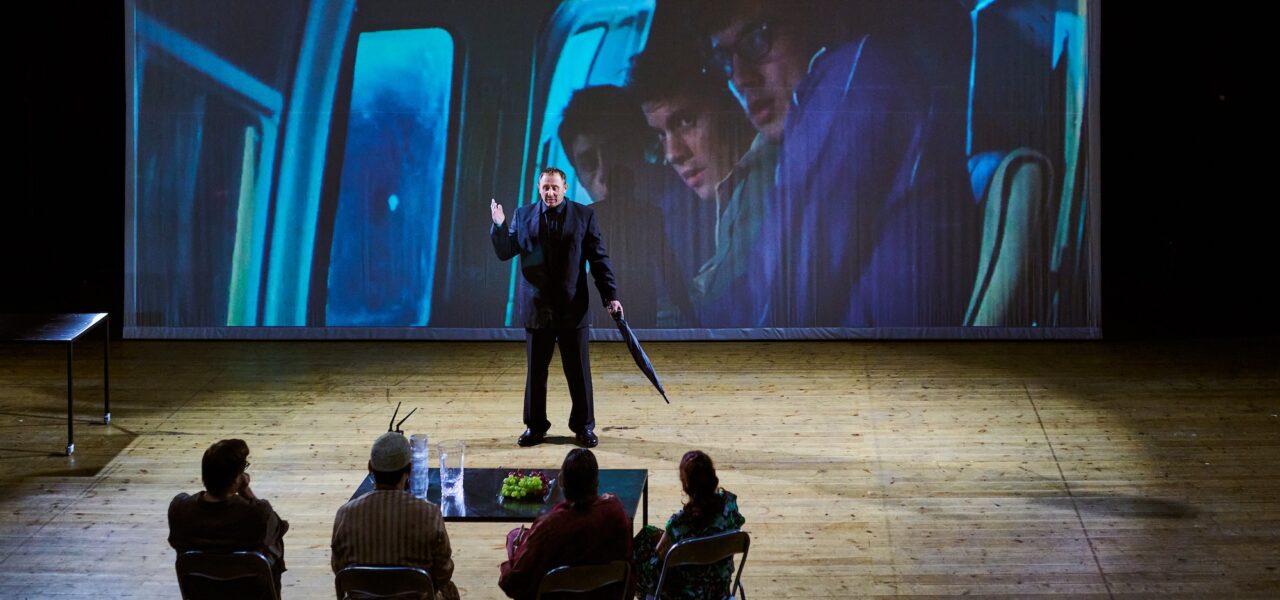
Jonathan and the work have managed to articulate a moving insight about the role of the extra in society as a whole, and not only in art. About the freedom afforded to marginal figures, beside whom the heroes seem domesticated, almost devoid of imagination. It is a beautiful way of unsettling the question of who tells the story, who is interesting to listen to, what stories we miss when we cling to familiar aesthetics and familiar melodies, and more broadly, what stories we allow ourselves to let slip away, to close ourselves off to, to lose.Read more
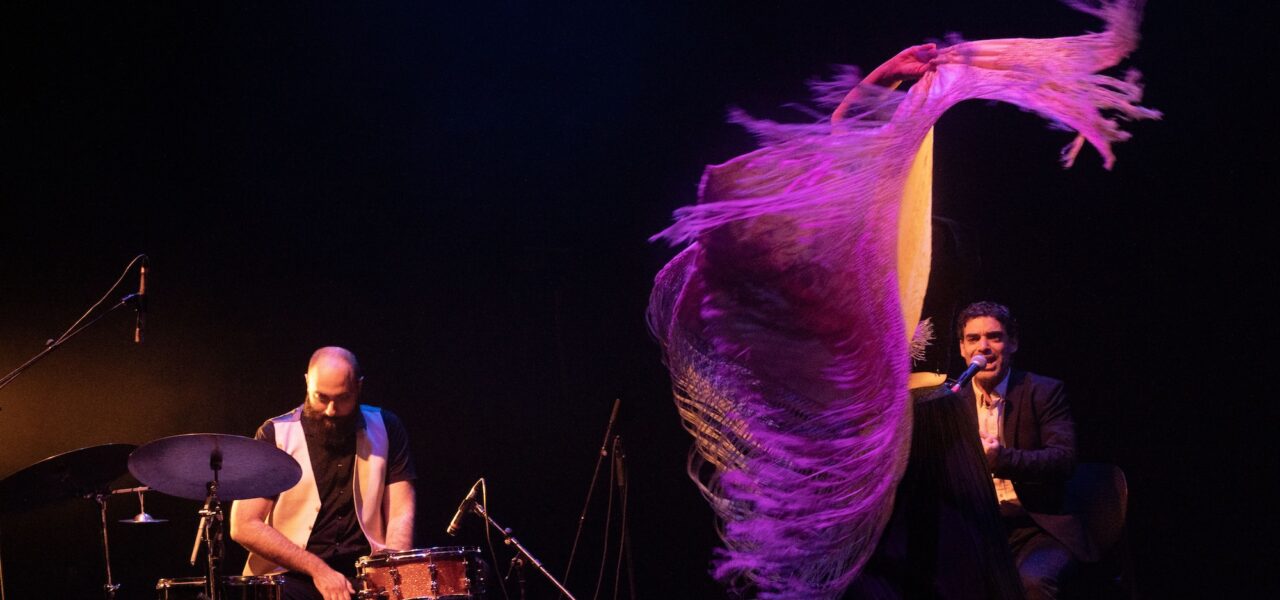
An epic evening fusing rich movement and sound cultures across the Mediterranean and Andalusia. Read more
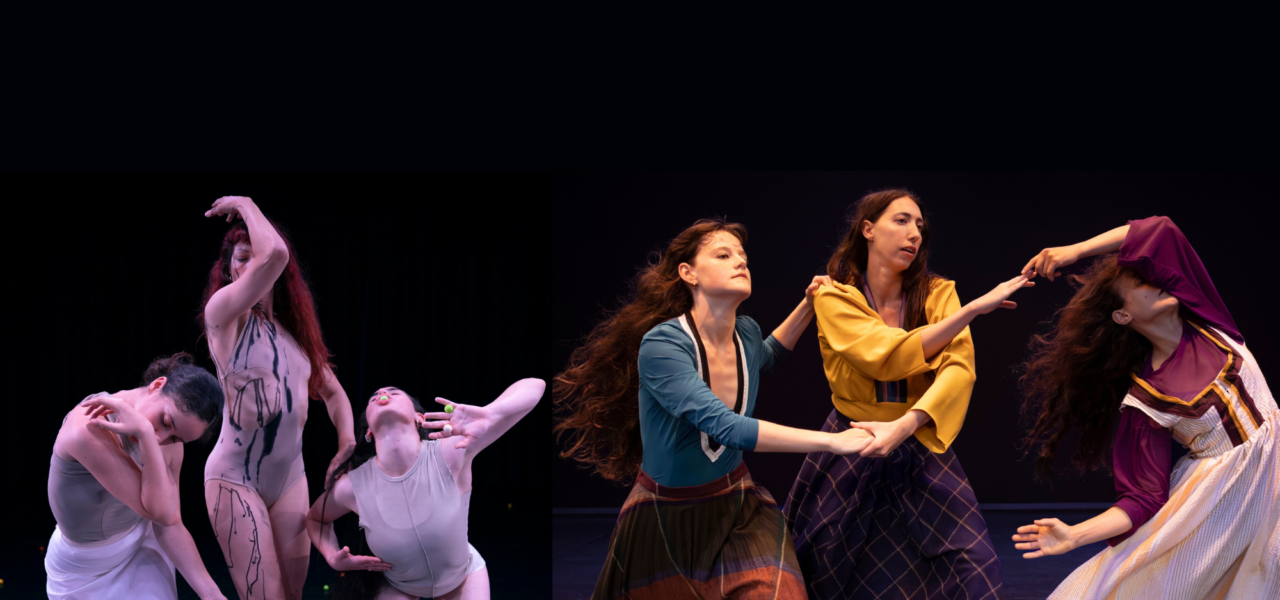
How does this type of artistic convergence happen?
Perhaps Bellahsen and Leibovits were growing in the same garden, drawing nourishment from the same soil.Read more
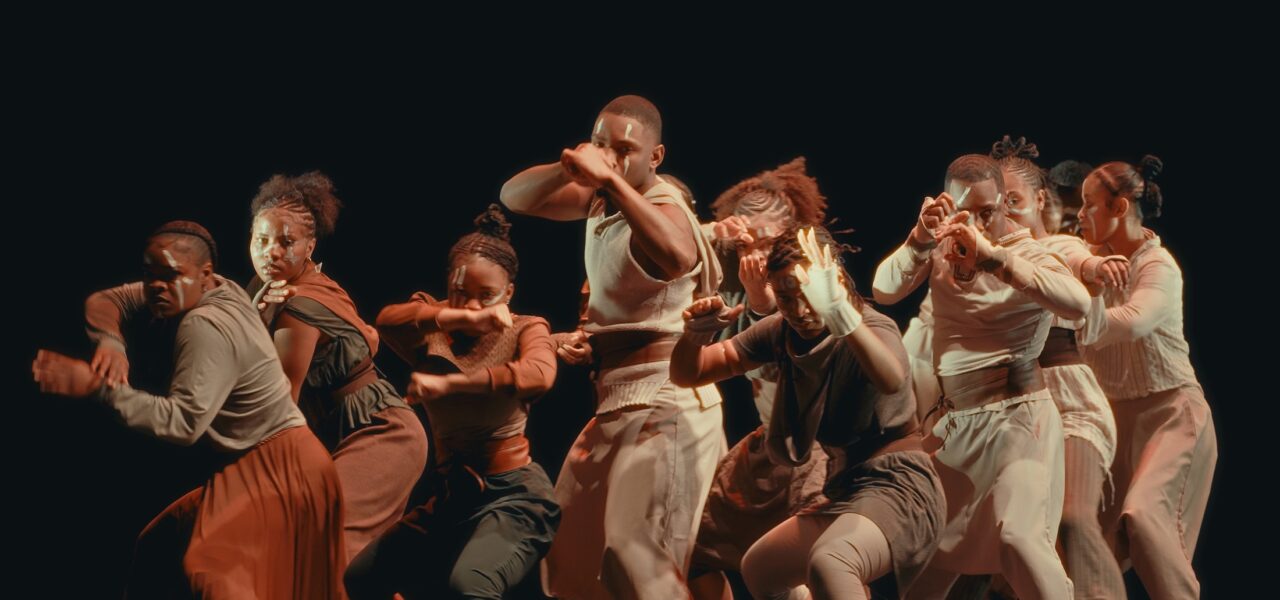
It was extraordinary to experience the entire theater as a living community. The audience surged with emotion, inhabiting the performance with their own bodies from their seats. The resonance could be felt everywhere, around us, above us and beneath us.Read more
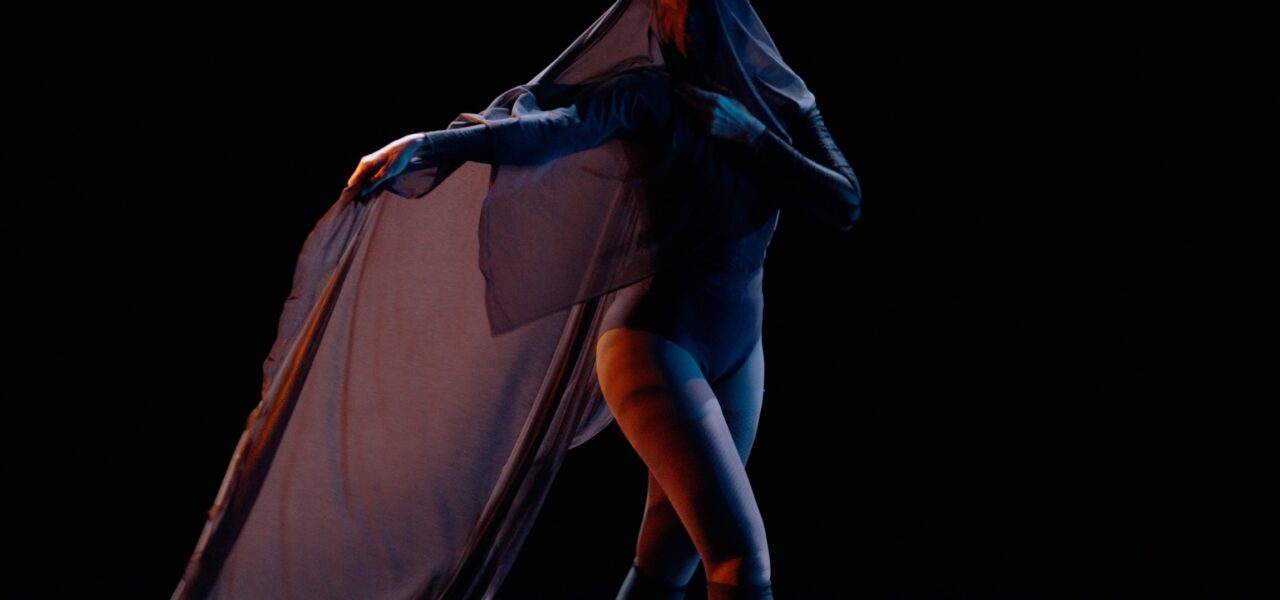
Danielle is a phenomenal performer. Total, fearless and deeply moving. There is something almost divine in the way she moves. It is mesmerizing, powerful and above all authentic.Read more
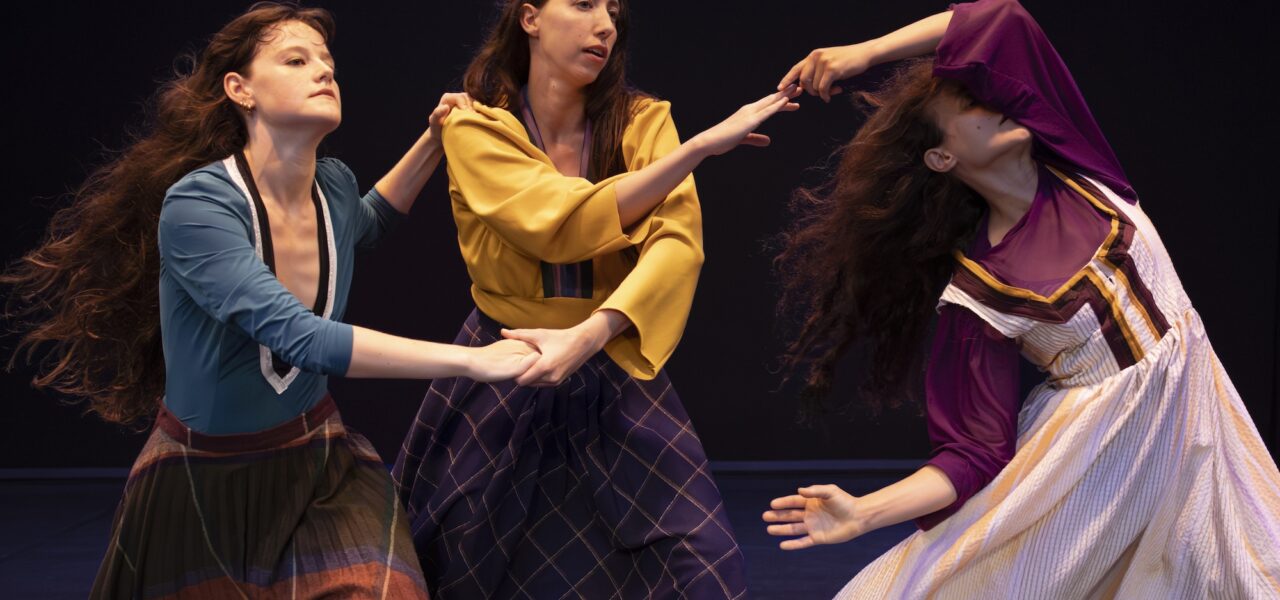
The dancers and musicians carry us with their voices toward a moment of transcendence. It feels as though the entire theater is washed in the colors of their voices, a moment of tenderness that stands in quiet contrast to the sounds of gunfire.Read more
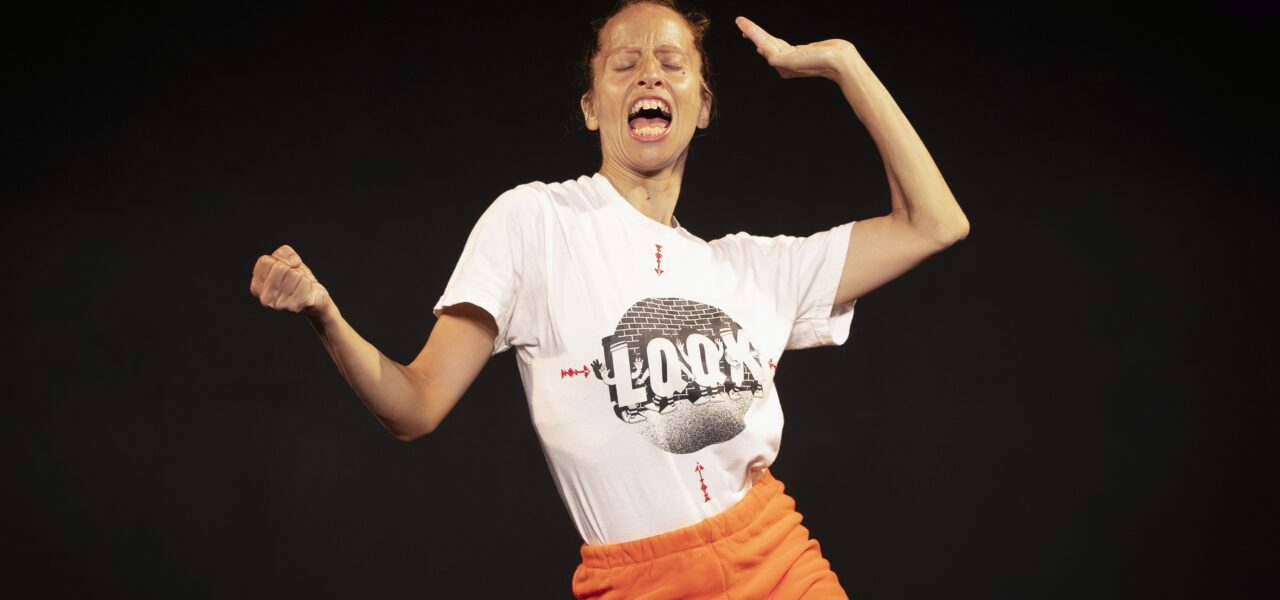
An original, piercing, intelligent work of dance theatre.Read more
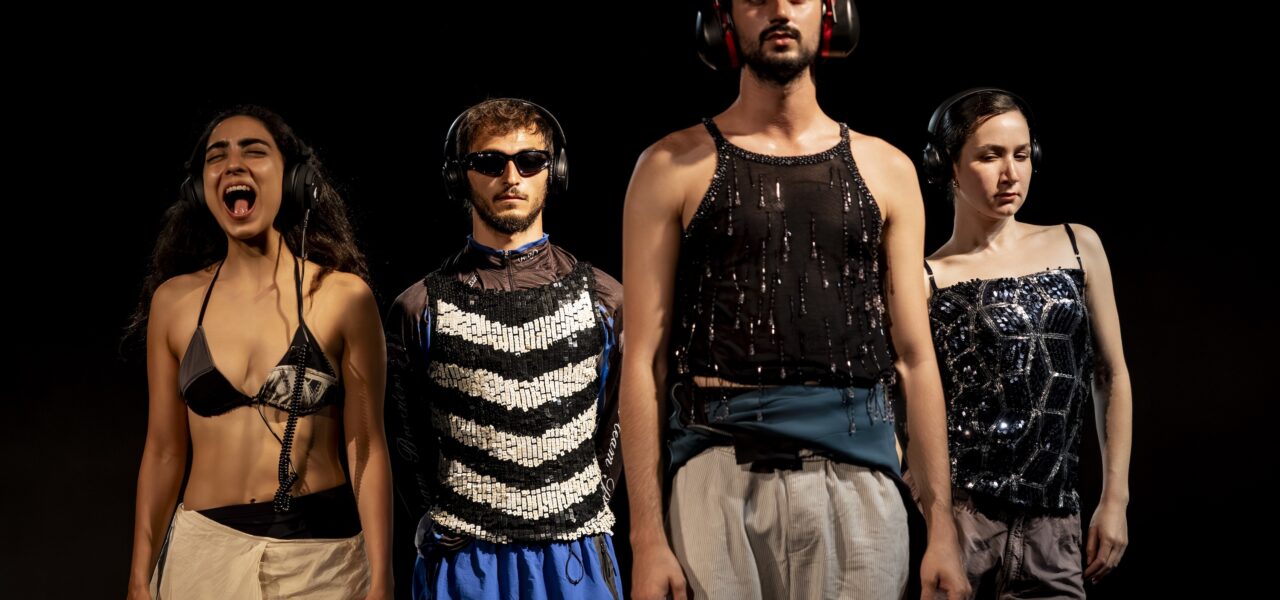
The entire performance feels like an ongoing investigation, almost childlike in its curiosity.Read more
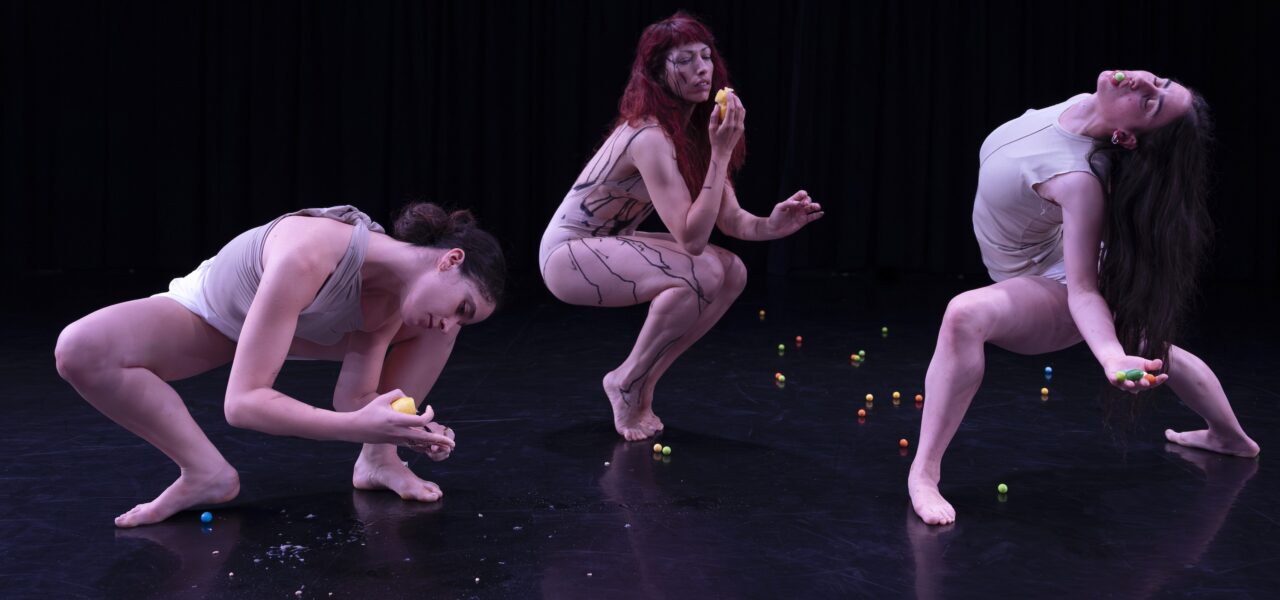
Bellahsen presented a female body that refused easy access: it concealed itself beneath shrouds, hid behind dark sunglasses, disappeared beneath grey bodysuits and repeatedly obscured itself with black and white liquids. This was a body that chose to make itself visible while resisting complete legibility. Read more
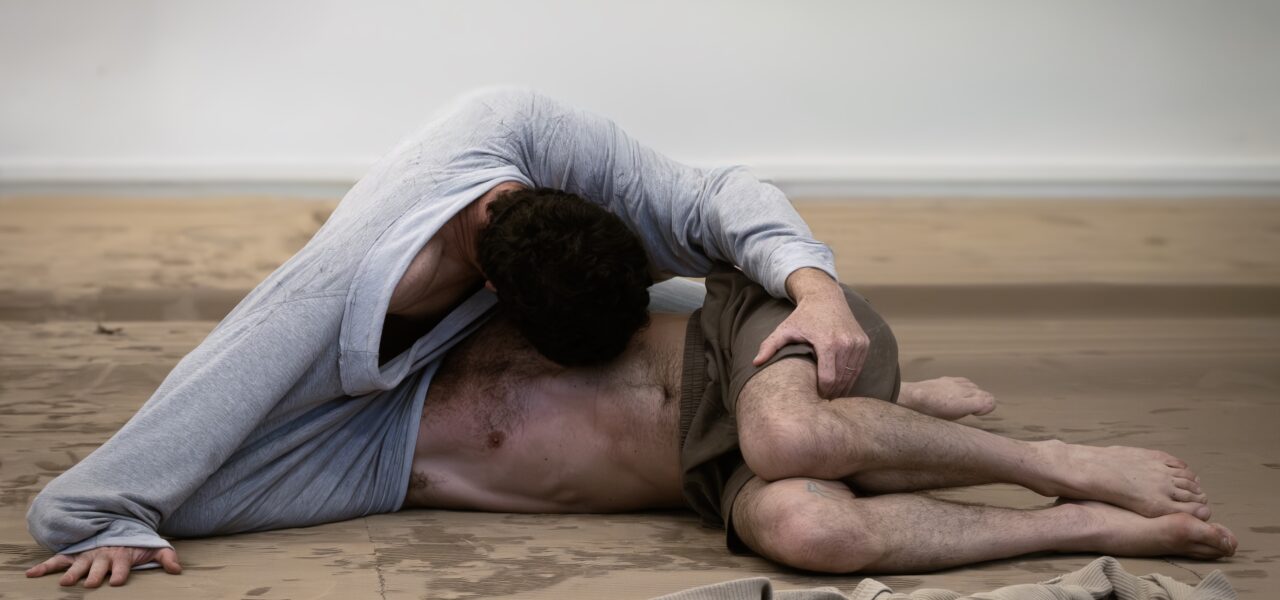
*English follows *Photos by Asya Skorik שישי בצהריים, שעה 14:00. נכנסים לאולם של תיאטרון ענבל. האולם מלא עד אפס מקום. על הבמה פרוש קרטון גדול, שהופך בהדרגה למצע המרכזי של העבודה. בהתחלה הוא נראה כמו אדמה יציבה, אבל ככל שהמופע מתקדם הוא מתחיל לזוז, להיקרע, להשתנות ולהפוך למרחב חי שנרשמים עליו סימני הגוף. יש תנועהRead more