מחשבות של עדן קרמר על הרמת מסך- מסך 1
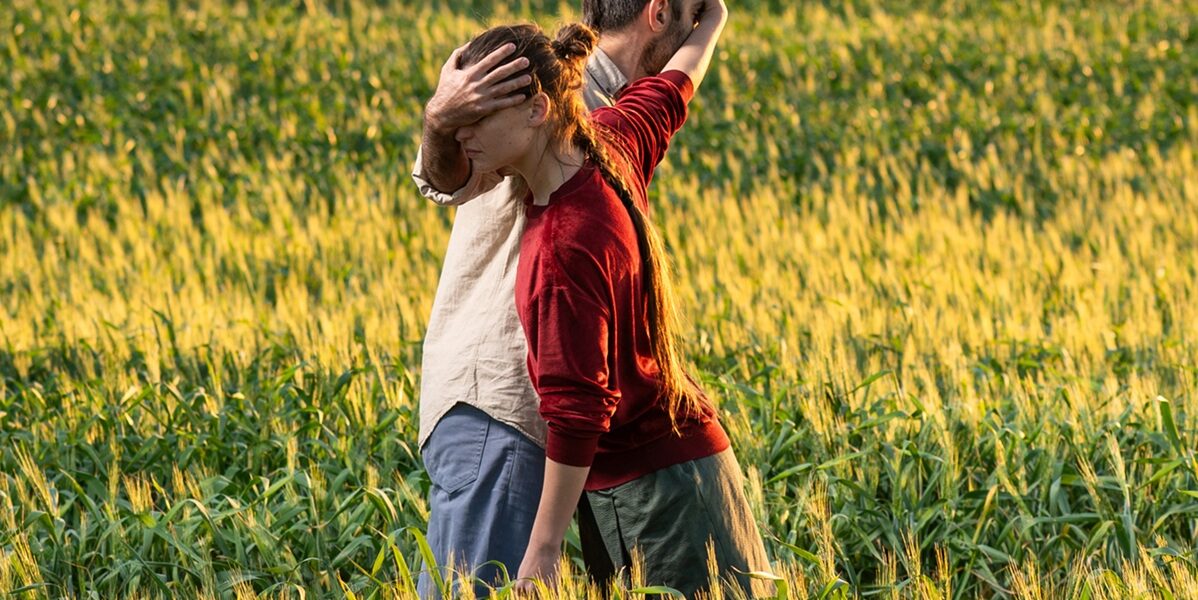
מתוך ״מבוסס על סיפור אמיתי״ מאת מעין ליבמן-שרון צילום יאיר מיוחס
*English Follows
אמנות בזמן מלחמה היא לא שאלה חדשה. היא נשאלה פעמים רבות בהיסטוריה של האמנות ואף הולידה תנועות אמנותיות שניסו להתמודד עם המציאות, או עם חוסר האונים לנוכח המציאות. זאת שאלה שמעסיקה לא רק יוצרים, אלא גם את הקהל ששואל את עצמו: האם לגיטימי להקדיש ערב כדי לצרוך תרבות במקום לצאת להפגין? לפעול? האם זה מוסרי? האם דווקא הכרחי? בטווח שבין אסקפיזם ואקטיביזם ישנן הרבה תשובות אפשריות לשאלות אלה. מה שבטוח הוא שהכל כרגע נמצא בצל המציאות, או יותר נכון עמוק בתוכה. בפתיחת הפסטיבל, מאיה ברינר, שמנהלת אותו אמנותית יחד עם ענת כ”ץ אמרה משהו כמו: אנחנו כאן, מופיעים. לא שוכחים. מופיעים ולא שוכחים. המבט שלה הסגיר שגם בעיניה זאת עמדה חלבית, לא מספקת, אלא המקסימום האפשרי לנו בתקופה בלי לוותר על עצמנו, על המחול. ואכן, לפחות התכנית שאני ראיתי, מסך 1#, כללה שתי יצירות שנוגעות באופן ישיר במלחמה ושתיים שלא. ניסיון להלך בין הטיפות: כן להתייחס, לא לצבוע את הכל.
יצירתה “מבוסס על סיפור אמיתי” מאת מעין ליבמן-שרון היא דוגמא מושלמת לעבודה שמסתכלת למציאות בעיניים. היא מצליחה, דרך גופם וקולם של הרקדנים, להעביר את הפצע דרך פילטר של עידון בימתי ולהגיש לקהל חוויה פואטית, אסתטית, רגישה וכואבת. מדובר בדואט של הרקדנים אורי דיקר ויוליה מז’צקיה, שמתאר ברב חכמה זוג במצב בלתי נסבל כאשר הגבר חוזר הביתה, כנראה ממילואים. גבר לבוש בפשטות הולך ומזמזם לעצמו באופן אגבי את שיר הרעות. הוא פוגש את האישה שלו כשהשיר עוד על שפתיו. הם מתקרבים, גופם מנסים להיפגש אבל מחליקים שוב ושוב, מאבדים אחיזה. הם ממשיכים לנסות למצוא את הדרך לגשר על התהום שפעורה ביניהם. הזמזום הופך למעיק, טורדני. שירי המולדת (אחרי “הרעות” מגיעים גם “מי שחלם” ו-“החיטה צומחת שוב”) חודרים למרחב הביתי, הפרטי, האינטימי. לא נותנים מנוח. הזוג מגביר את ניסיונותיו וככל שהם יותר מתאמצים להחזיק זה בזו כך הם מסתבכים, חונקים ונחנקים, לרגע מוצאים משענת או רבע חיבוק ומיד שוב נפרמים, מתעייפים, קרובים להתייאש.
הקהל, חלקו על סף דמעות, מקווה איתם שיצליחו, מתפלל שזה יעבור כבר, שנוכל לחזור כולנו לחיים נורמליים. אני יודעת שזה בלתי אפשרי. הצלקות, הפיזיות וגם אלו שלא רואים, כאן כדי להישאר. הנושא של העבודה כל-כך ספציפי, כמעט קטן, לא פצצות ורעב ושבי אלא זווית אחת: איך חזרה מן הקרב משפיעה על הקשר הכי קרוב, על הזוגיות של בוודאי אלפי זוגות שחיים כאן. דווקא בגלל השוליות לכאורה של הנושא, העבודה מצליחה לגעת ישר ועמוק. אין כאן “מסר” ולא ניסיון לגייס דעת קהל אלא שיתוף כן של סדק שכל אחד יכול, מהזווית שלו, להזדהות איתו. העבודה מציפה שאלות בנוגע לחדירה של האתוס הלאומי אל המרחב האינטימי ביותר, ועל איך הגורל האישי קשור בעבותות, בין אם נרצה בכך ובין אם לא – בגורל הלאומי, ומה זה בעצם אומר עלינו. כשהשניים שרים יחד, כמעט צועקים את המשפט האלמותי “ואיך קרה, ואיך קרה, ואיך קורה עדיין” – הלב נשבר. איך זה קרה, איך זה קורה עדיין.
הביצוע של דיקר ומז’צקיה מצוין. הפיזיות בדואט אמיתית מאוד, מקורקעת, אסתטית בגישתה הפצועה, הלא מושלמת. יש ביצירה רגעים וירטואוזיים של קונטקט ומשקליות מעניינת, אבל הוירטואוזיות היא לא העניין פה אלא האנושיות. הרקדן והרקדנית רוקמים בגופם ובקולם מערכת יחסים מורכבת, סוחפת בכאבה. הלוואי והיצירה הזאת תתפתח לכדי עבודה באורך מלא, אני אשמח לראות אותה.
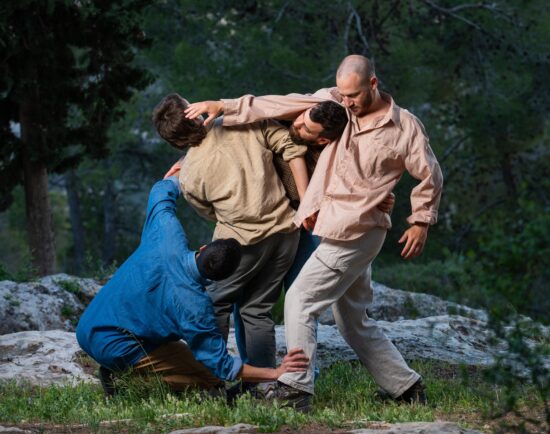
רעותא דליבא מאת עידו גידרון,. צילום יאיר מיוחס
היצירה השנייה שדיברה אליי היא “רֵעוּתָא דְּלִיבָּא” מאת עידו גידרון. זהו מחול של ארבעה גברים, הוא ביניהם. היצירה אמנם לא עוסקת באופן ישיר במלחמה אבל היא מביאה אנרגיה, כמו גם אסתטיקה, שחסרות פה בתקופה הזאת. מדובר בקטע תנועתי מופשט, נטול נרטיב, בו ארבעת הרקדנים מדגימים התנהלות של חברותא. הם נעים במבנים שנבנים ומתפרקים באופן אורגני, זורם. הם מסתכלים זה בעיניו של זה בלי להתבייש. הם נותנים לכל אחד מקום לנשום, לנוע, ומתייחסים זה לזה בכבוד. הם גברים גבריים – חזקים, קופצים גבוה, מתגלגלים, מרימים ומתרוממים באוויר אבל כל זה קורה באיזה מודוס עדין וקשוב. יש כאן עיצוב של גבריות חומלת, רכה, צנועה. למרות שאין כאן אמירה פוליטית מובהקת קשה שלא לחשוב על הדברים בהקשרם: איזה מין סוג של גבריות מודגש ומוערך בחברה הישראלית דווקא עכשיו, או אולי תמיד. האם אפשר ליצור מודל אחר, ואיך הוא נראה?
שרשרת של מנורות שמאירות באור חם תלויות מעליהם והמוסיקה, שילוב של מוסיקה בגוון חסידי יחד עם הקלטות של רבנים ביידיש, משלימה את אווירת החברותא. קשה לומר משהו על רקדן ספציפי מביניהם, ארבעתם (איתמר גלינה, בצלאל ברהמי, שחר דולינסקי, עידו גידרון) ניחנים בטכניקה וגם בנוכחות בימתית טובה והחוויה הכללית היא של אחדות ולא של אינדיבידואל. חוויה נעימה לעין ודווקא כאן, בניגוד לעבודה של ליבמן-שרון שרק עשתה חשק לראות אותה מתפתחת, נדמה שהפורמט הקצר מתאים בול. באוצרות חכמה ומתבקשת זאת היצירה שסגרה את הערב כך שיצאנו הביתה אחרי חוויה של יופי, עוצמה ורוך, ספוגים במעט תקווה.
העבודה השלישית היתה סולו של הרקדן והיוצר עירד בן גל, שעסק באופן מפורש במיוחד בנושא של גבול ופריצתו. הוא פתח במונולוג שיצר הקבלה עצובה ומשעשעת בין שתי שכבות משמעות – ה-7 באוקטובר ויחסים אישיים-רומנטיים שלו, ומשם עבר לקטע תנועתי תוך שימוש בפס תאורה שהוקרן על הרצפה מלמעלה, והיה הדימוי המוחשי לאותו גבול מדובר. הכריזמה השופעת של בן גל כמבצע, בתנועה מינימליסטית, עשירה ומדויקת וכן בהגשת טקסט מלאת חן וקסם, חיפתה על רעיונות פשטניים ועל כתיבה מעט ילדותית.
העבודה הרביעית, שפתחה את הערב, היא “פרמטה” מאת אפרת רובין. היא התרחשה בחוץ, ברחבה, והציעה חוויה של בליל רב-תחומי שכלל אנימציה, נגינה חיה של עדיה גודלבסקי על נבל וכלי הקשה גדול דמוי קסילופון, הנחייה קולית מקוטעת שלה וקטע תנועתי של שלוש רקדניות. הקשר הרופף בין כל האלמנטים הללו הוא התמה של היצירה – שינה. בהנחייתה הקולית רובין זרקה לחלל האוויר מילות מפתח אקראיות שקשורות לעולם השינה (גלי אלפא, שששש, מלטונין, צלילי פיהוק) בעוד הרקדניות נעות בהבעת פנים מודאגת ובתנועה נוירוטית, דמוית רוחות רפאים. אני מודה שלא הצלחתי לחבר בין הנקודות וליצור מהן תמונה שלמה, למרות שהערכתי את הבחירה למקם את העבודה בחוץ ולהשתמש בכלי נגינה חיים. נהניתי מהאנימציה שחור-לבן שהוקרנה בגודל מרשים על קירות המבנה של סוזן דלל, בה עיניים פקוחות ועצומות ואיורי עיפרון יפהפיים של דמויות מתכרבלות עם עצמן במיטה ומנסות להירדם.
כמו בכל שנה, גם השנה פסטיבל “הרמת מסך” הצליח להביא בכורות מסקרנות ומגוונות בתוכן וגם בצורה, עם ובלי קשר ל”מצב”.
הרמת מסך- מסך 1 הוצג ב28.5.2025 במרכז סוזן דלל.
 עדן קרמר היא יוצרת תיאטרון-מחול עצמאית, פרפורמרית ורקדנית, בוגרת תכניות רזידנסי בסדנא לאמנות רמת אליהו, במועצה אזורית חוף הכרמל ובסדנאות הבמה והמסך ביפו. עבודותיה האחרונות (“הטפט הצהוב” ו-“קתדרלה”) הוצגו בתיאטרון יפו ובמרכז נא לגעת לתיאטרון נגיש. עדן רקדה ביצירות של כוריאוגרפים שונים, ביניהם דניאל גליה-קינד, עירד אבני וגיא דולב. עבודתה האמנותית נתמכת על ידי מענקים מטעם מפעל הפיס, קרן רבינוביץ’ לאמנויות, עיריית תל אביב ומרכז “נא לגעת”. היא הופיעה בפסטיבלים ובמות בישראל ובחו”ל. עדן עוסקת הן ביצירתה והן במחקר תיאורטי בתחומים הקשורים בתנועה, נרטיב, סיפור, גוף והיחסים ביניהם. במקביל לעיסוקיה במחול, היא עורכת לשונית ועורכת תוכן עצמאית בעלת ניסיון בעריכת טקסטים אקדמיים וטקסטים בתחומי האמנות כגון תסריטים, מחזות ותערוכות. כתבות כמו גם מאמרים אקדמיים שלה התפרסמו במגזין “מחול עכשיו” בעריכת רות אשל. עדן היא לקטורית במאגר הלקטורים של קרן גשר לקולנוע וספקית תוכן (עריכה, ליווי ותרגום) של עמותת הכוריאוגרפים. שימשה כאסיסטנטית ומנהלת תוכן של הסופרת מיכל גוברין והקימה את אתר האינטרנט שלה. בעבר, עבדה כלקטורית בהוצאת הספרים “עם עובד”. עדן היא בוגרת תואר ראשון בהצטיינות במדעי הרוח, ספרות וחינוך ממכללת “אורנים” וסטודנטית לתואר שני בתכנית הבינתחומית באמנויות באוניברסיטת תל אביב. בנוסף, היא בוגרת קורס מורים דו-שנתי לויניאסה יוגה, מסלול “שלומבל” – לימודי המשך לרקדנים בהנחיית שלומית פונדמינסקי, וקורסים רבים במחול בטכניקות מגוונות בארץ ובעולם. היא חברה מובילה בקהילת אנ”ת, העוסקת באמנות, חינוך וחברה, וחברה ושגרירה של “קרן העתיד” גרמניה-ישראל.
Art in times of war is not a new question. It has been asked many times throughout history and even bred its own artistic movements that attempted to cope with reality or with helplessness in the face of it. It is a question that nags not only at artists but at the audience, who ask themselves: is it legitimate to devote an evening to consume culture instead of protesting? Instead of taking action? Is it moral? Perhaps necessary? In the space between escapism and activism there are many possible answers to these questions. What is certain is that everything currently exists in the shadow of reality, or more accurately, deep within it.
At the opening of the festival, Maya Brinner, co-Artistic Director with Anat Katz, said something along the lines of: We are here, performing. Not forgetting. Performing but not forgetting.
Her gaze betrayed that even in her eyes, this is a problematic position, faulty yet the maximum possible for us now without canceling ourselves, canceling dance. And as such, at least the program I witnesses, Curtain #1, included two works that touched directly on the war and two that did not. An attempt to walk a razor’s edge: to reflect without coloring everything.
Maayan Liebman-Sharon’s “Based on a True Story” is a perfect example of a creation that looks at reality in the face. She succeeds, through the bodies and voices of the dancers, to expose the pain through a subtle stage approach offering a poetic, aesthetic, sensitive and painful experience. The duet, performed by Uri Dicker and Yulia Mejetskaya, brilliantly depicts a couple in an impossible situation in which the man returns home, seemingly from reserve duties. The man, dressed in simple clothing, walks around humming a shepherd’s song to himself. He meets his partner with the song still on his lips. They get close, their bodies attempt to meet but slip away once and again, losing grip. They continue to try to bridge the distance that has opened between them. The humming becomes irritating, unsettling. Folk songs (after the shepherd’s tune he continues to “He who dreamed” and “The Wheat Grows Again”) invade the home, the private space, the intimate. They don’t relent. The couple tries harder but, the more they try to hold onto one another, the more they get caught up, strangling and being strangled. For a second they find a sliver of a hug but immediately are torn apart again, growing tired, close to giving up.
The audience, many of whom have tears in their eyes, hope that they will succeed, praying that it will end, that we will all be able to go back to our normal lives. I know that is impossible. The scars, physical and otherwise, are here to stay. The subject of this work is so specific, so small even, it isn’t bombs or hunger or hostages rather one angle: how the return from battle affects the closest bond, the relationship that thousands of couples are living now. Perhaps because of the “banality” of the topic, this work manages to hit strong and deep. There is no “message” here, no attempt to convince the crowd, rather a need to share a chasm that everyone, in their own way, can relate to. The work raises questions about the penetration of the national ethos into the most intimate of spaces and about how personal fate is thick as thieves, whether we wish it or not, with national fate, and what that says about us. When the two sing together, almost shouting the words, “How did this happen, how did this happen, how is it still happening”- the heart breaks. How did this happen, how did it happen, how is it still happening.
Dicker and Mejetskaya’s performance is excellent. The physicality of the duet is very real, grounded, aesthetic in its wounded, imperfect approach. There are moments of virtuosity- contact and intriguing weight sharing but the virtuosity here is not the point rather the humanity. The dancers weave with their bodies and voices a complex relationship rife with pain. I truly hope this piece continues to develop into a full evening, which I would love to see.
The second piece that spoke to me was “Reuta Deliba” by Ido Gidron. This is a work for four men, Gidron among them. The piece does not deal directly with the war however it presents an energy and an aesthetic that are much lacking during this period. This is an abstract piece of movement with no narrative in which four dancers act out the behavior of a group. They move through structures that are erected and dismantled in an organic, fluid manner. They look one another in the eye without pretense. They give one another space to breathe and move, treating each other with respect. They are manly men- strong, jumping high, rolling, lifting and being lifted into the air… all this occurring within a gentle and conscientious approach. This is a redesign of masculinity- empathetic, soft, humble. Although there is no clear political message here, it is impossible not to read the piece in its context: what type of masculinity is emphasized and appreciated in Israeli society now, or perhaps always? Is it possible to build a new model, and how does it look?
A string of lights fill the space with a warm glow and the music, a combination of Hassidic tunes and recordings of rabbis speaking Yiddish, completes the atmosphere of a Hevruta (group). It is difficult to point out a single dancer, the four of them (Itamar Galina, Betzalel Baharmi, Shahar Dulinsky and Ido Gidron) are blessed with technique and stage presence so much so that the overall experience is one of unity and not individualism. It is a pleasing sight and here, in contrast to iebman-Sharon’s work, which only created a taste for more, it seems the shorter format is a perfect fit. In an act of smart curation, this piece closed the evening leaving us walking home with a sense of beauty, power and suppleness, with even a tinge of hope.
The third creation was a solo by choreographer and dancer Eirad Ben Gal, which dealt explicitly with the subject of a border and its breaching. He began with a monologue that drew a sad and amusing parallel between two layers of reality- October 7 and Ben Gal’s personal-romantic relations, and from there moved on to a movement section illuminated by a strip of light projected onto the floor from above, presenting a concrete expression of that border. Ben Gal’s charisma as a performer, the minimalist movement, rich and precise and the charming delivery of the text made up for simplistic ideas and slightly childish writing.
The fourth work, which opened the evening, was “Fermata” by Efrat Rubin. This piece took place outside, in the courtyard, and offered a multi-disciplinary experience including animation, live music performed by Adaya Godlevsky on a harp and a large, percussion instrument akin to a xylophone, vocal narration and movement phrases performed by three dancers. The fleeting connection between these elements was the theme of the piece- sleep. In Rubin’s voiceover she threw out key phrases connected to the world of sleep (alpha waves, shhhh, melatonin, the sounds of yawning) while the dancers traversed the space with worried expressions whilst performing neurotic movement, as ghostlike characters. I admit that I didn’t manage to find a connection between the various points although I did appreciate the choice to position the work outside and the use of live music. I enjoyed the black and white animation that was projected in impressive proportions on the walls of the Suzanne Dellal Centre, in which eyes opened and closed as well as beautiful pencil drawings of people cuddling in bed, trying to fall asleep.
As in every year, this year “Curtain Up” managed to bring intriguing premieres both in concept and in form, with and without a connection to the situation.
Curtain Up- Curtain 1 took place on 28.5.2025 at the Suzanne Dellal Centre.