Ella Greenbaum’s Response to ‘Life in Lycra’ by Andrea Constanzo Martini and ‘Paradise’ by Matan Cohen
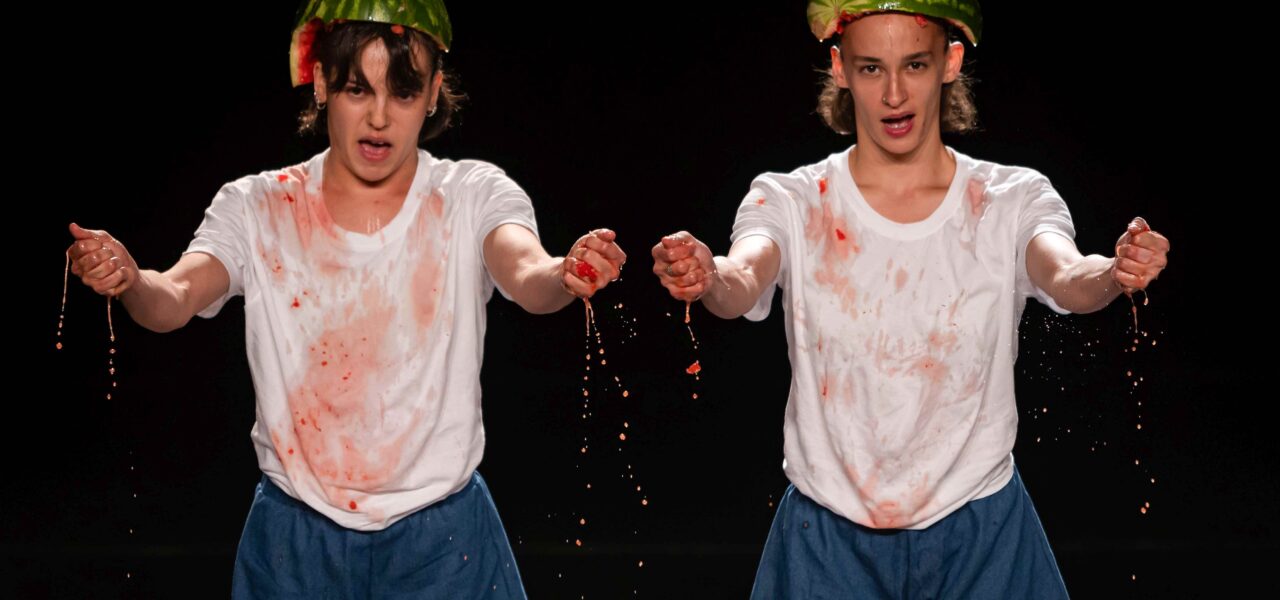
*Photo by Ascaf
*Hebrew Follows
An evening featuring two works: Life in Lycra by Andrea Costanzo Martini and Paradise by Matan Cohen.

Photo Ton Van Til
Andrea’s piece explores the relationship between a ballerina (Avigail Shafrir) and a choreographer, but also the relationship between the performers and the audience. Even before the performance begins, his voice is heard reciting the familiar “pre-show announcements.” He dwells on and repeats the instruction to turn off cell phones, and from there exaggerates and expands the directions, guiding us on how to cough, how to blink, how not to disturb the performers or the audience. He notes that dance is sometimes funny, sometimes sad, sometimes understandable, and sometimes not.
It’s all very funny but also thought-provoking, raising questions about the power dynamic between the creator and the audience. How much power does he have to instruct us on how to watch, what to think, how to understand and interpret, and when to applaud?
Throughout the show, the narration continues, in Andrea’s voice alongside another female narrator, voices that sound like artificial intelligence. The narration continues with axioms, and the dancer shows us with her body: “This is a rond de jambe. This is a leg. This is a turn.” Later, they say: “This is a dancer. This is not a dancer.”
Beneath their lightness and humor lies a deep philosophical discussion.
Who is more important: the dancer or the choreographer? Her interpretation or his instructions? Her emotions or his? The performance or the audience?
The narrators’ axioms reminded me of René Magritte’s painting: “This is not a pipe.” After all, it is a painting of a pipe. So here too – what is reality? What is truth? The words? The movement? What we see, what we know, or our interpretation?
Is a movement phrase a dance? Or is it just a leg, a knee, a movement? What is dance? Who is a dancer and who isn’t?
Are they real or robots? Their metallic leotards make their bodies appear mechanical, but their bare legs reveal muscles and skin, flesh and blood.
When are dancers perceived as automatic machines, and when is their humanity revealed? What is sincerity on stage? What is beauty?
And what does the choreographer mean when he talks about “this”? He speaks about “this,” and she does “that.”
Do we know how to distinguish between the two?
Between the real truth and the artificial one? Is his truth or our truth?
The work Paradise by Matan Cohen deals with the harsh truth of life in our country.
Dancers Adi Raban and Alma Karvat Shemesh stand on stage in blue and white outfits, with pregnant bellies, singing songs from The Sound of Music, but with new lyrics written by Matan.
“My Favorite Things”
becomes
“Terrible Things”
Words that hit right in the gut. And there they are, standing with their bellies and singing the terrible truth about what’s happening here, within us, and around us:
When the thoughts come
And despair sinks
And I’m feeling bad
I simply reflect on those terrible things
And then I just feel so sad
The choice of songs from The Sound of Music enhances the feeling of a broken dream. The story we grew up on, about a homeland, about resistance to Nazism and escaping from it. And now, where do we escape to?
Later, they give “birth” to watermelons from under their white shirts and ask:
How do you solve a problem like a leader?
The words are powerful and brave, presenting reality in painful rhymes. I felt like they were singing my truth.
Does everyone feel that way?
One woman hurriedly left the auditorium. An usher directed her to exit on the other side, and she had to walk past the dancers.
“Shame on you,” she muttered at them.
Apparently, she has a different truth.
But what should they be ashamed of, I wonder?
They are just speaking the truth.
They smash the watermelons into pieces and gently, tenderly, with motherly care, gather the pieces into plastic bags.

Photo Ascaf
All the while, they sing. Edelweiss becomes Paradise
a song about a blue-and-white homeland soaked in blood.
How long will mothers be forced to clean it?
The audience rose to their feet in long, thunderous applause and was invited to enjoy a glass of wine at the Dalal Restaurant in celebration of the festival’s closing.
I went there, to drink and reflect on motherhood,
and then I noticed the woman who had left the auditorium, still somewhat shaken.
I asked her how she was doing, and she replied with a choked voice that she was offended, surprised, that she couldn’t bear those images at this moment, and that a dance performance shouldn’t be political.
I thanked her for sharing, and chose not to explain or argue with her truth.
Andrea Constanzo Martini and Matan Cohen presented ‘Life in Lycra’ and ‘Paradise’ on August 16, 2025 as the closing event of the Suzanne Dellal Centre’s Tel Aviv Dance Festival.
צפייה במופע הנועל את הפסטיבל, ערב משותף לשתי יצירות: Life in Lycra מאת אנדראה קוסטנזו מרטיני ו – Paradise מאת מתן כהן
היצירה של אנדראה מדברת על מערכת יחסים בין בלרינה (אביגייל שפריר) לכוריאוגרף, אבל גם על מערכת היחסים בין המופיעים לקהל. עוד לפני שהמופע
Photo Ton Van Til
מתחיל, קולו נשמע ברצף ה”הנחיות של לפני מופע” המוכר. הוא מתעכב וחוזר על ההנחיה לכבות את הפלאפונים ומשם מעצים ומגזים את ההנחיות, הוא מדריך אותנו איך להשתעל, למצמץ, איך לא להפריע להם ולשאר הקהל, ומציין שמחול הוא לעיתים מצחיק לעיתים עצוב, לפעמים מובן ולפעמים לא.
הכל מאוד מצחיק וגם מעורר מחשבה על יחסי הכוחות בין היוצר לקהל, כמה כח יש לו להנחות אותנו איך לצפות בו, מה לחשוב, איך להבין ולפרש אותו, מתי למחוא כפיים.
לאורך המופע הקריינות ממשיכה, בקולו של אנדראה יחד עם קריינית נוספת, קולות שנשמעים כשל בינה מלאכותית.
הקריינות ממשיכה כאקסיומות והרקדנית מראה לנו בגופה: “זה טונדו. זוהי רגל, זה סיבוב”. בהמשך הם אומרים: זה רקדן וזה לא רקדן.”
מבעד לקלילות ולהומור שלהם מסתתר דיון פילוסופי מעמיק.
מי יותר חשוב? הרקדנית או הכוריאוגרף? הפרשנות שלה או ההוראות שלו? הרגשות שלה או שלו? המופע או הקהל?
האקסיומות של הקריינים מזכירות לי את הציור של רנה מגריט:
“זוהי לא מקטרת”
הרי זהו ציור של מקטרת. גם כאן, מהי המציאות? מהי האמת? המילים? התנועה? מה שאנחנו רואים או מה שיודעים? או הפרשנות?
האם המשפט התנועתי הוא ריקוד? או שזו רק רגל, ברך, תנועה. מהו ריקוד? מיהו רקדן ומי לא?
האם הם אמיתיים או רובוטים? בגדי הגוף המטאליים שלהם הופכים את גופם למכאני אך הרגליים החשופות מתארות שרירים ועור, בשר ודם.
מתי רקדנים נתפסים כמכונות אוטומטיות ומתי נחשפת האנושיות? מהי כנות על הבמה? מהו יופי?
ולמה מתכוון הכוריאוגרף כשהוא מדבר על “זה”?
הוא מדבר על “this” והיא עושה את “that”.
האם אנחנו יודעים להפריד בין זה לזה?
בין האמת האמיתית למלאכותית? האם האמת שלו היא האמת שלנו?
הרקדניות עדי רבן עולמה קרבט שמש, עומדות על הבמה בבגדי כחול לבן, עם בטן הריונית, שרות שירים מ”צלילי המוסיקה”, במילים חדשות שמתן כתב.
My favourite things
הפכו ל terrible things
מילים שפוגעות ישר בבטן, והן עומדות עם הבטן ושרות את האמת האיומה, על מה שמתרחש כאן ובתוכנו ומסביבנו.
And despair sinks
And I’m feeling bad
I simply reflect on those terrible things
And then I just feel so sad
How do you solve a problem like a leader?
אשה אחת נחפזת לצאת החוצה. הסדרנית מנחה אותה לצאת מהצד השני והיא נאלצת לחצות את האולם ולעבור ליד הרקדניות.
כנראה שיש לה אמת אחרת.
על מה הם צריכות להתבייש? אני תוהה.
הן רק אומרות את האמת ..הן מנפצות את האבטיחים לרסיסים ואוספות אותם בעדינות אין קץ, עדינות אמהית לשקיות ניילון.
Photo Ascaf
תוך כדי, הן שרות. edelweiss הפך לparadise
שיר על מולדת כחולה לבנה הרווייה בדם.
עד מתי אמהות יאלצו לנקות אותו?
הקהל נעמד על רגליו למחיאות כפיים סוערות וארוכות והוזמן להתכבד בכוס יין במסעדת דלאל, לכבוד חגיגות סיום הפסטיבל.
הלכתי לשם לשתות ולתהות על האימהות
כשהבחנתי בגברת שיצאה מהאולם, עדיין מעט נסערת.
שאלתי אותה לשלומה והיא ענתה לי חנוקה
שנעלבה, שהופתעה, שלא יכלה לשאת את הדימויים הללו כעת ושמופע מחול לא אמור להיות פוליטי.
הודיתי לה על השיתוף והחלטתי לא להסביר ולא להתווכח עם האמת שלה.
אלה גרינבום- כותבת 
אלה גרינבום היא כוריאוגרפית ואמנית רב תחומית הפועלת בתל אביב-יפו. אלה למדה בתיכון הגימנסיה העברית במסלול תולדות האמנות וציור. בשנים 2001-2005 למדה בבצלאל אקדמיה לאמנות ועיצוב ירושלים, במחלקה לאנימציה. סרט הגמר שלה ״Wonderwoman״, זכה בציון לשבח בפסטיבל הבינלאומי לסרטי נשים ברחובות, והוצג בתערוכת אמניות עצמאיות בבית אנה טיכו בירושלים. עם סיום לימודיה בבצלאל החלה להשתלם במחול מזרחי והשתתפה במיצגים שונים כרקדנית, זמרת ושחקנית, בניהם: ״ערס פואטיקה״ – ערבי שירה שייסדה המשוררת עדי קיסר בתל אביב, ״אישה ללא בית” מאת ראידה אדון במוזיאון תל אביב לאמנות, “הנאשם הראשון” מאת סהר עזימי במוזיאון ישראל, וכן במופעים של להקות המוזיקה ״מידנייט פיקוקס״, ״וואצ’ומה בנד״, יוסי פיין ובן אילון, מקהלת אלשייך ומקהלת ראנה. משנת 2009 חברה בלהקת המחול של הכוריאוגרפית אורלי פורטל, איתה היא מופיעה באופן קבוע ביצירות שונות. גרינבוים התמחתה במחול מזרחי בסמינר הקיבוצים ובבי”ס ערבסק ירושלים, במוזיקה ותורת המקאם בבי”ס מוסררה וכן היא מדריכת פילאטיס מוסמכת מטעם Pilates Sports Center – PSC. אלה הצטרפה לעמותת הכוריאוגרפים בשנת 2022 ומשתתפת בשלל פרויקטים של העמותה כולל ׳חיים בתנועה׳.
בין היצירות שלה ׳בנות הים שרות׳, ׳כוכבת המזרח׳ ו׳דרך הלב׳, ׳פעמוני רוח׳, ׳דלת לחדר׳, ו׳לילתי- הלילה שלי׳.
Ella Greenbaum is a choreographer and multi-disciplinary artist working in Tel Aviv. Ella studied in the Hebrew Gymnasium High School’s program for art history. From 2001-2005, she studied at Bezalel Academy of Art and Design in Jerusalem in the animation department. Her final film “Wonderwoman” won the Audience Choice Award at the International Women’s Film Festival in Rehovot and was presented in exhibitions in the Anno Ticho Museum in Jerusalem. Upon finishing her studies, Ella began studying eastern dance, performing as a dancer, singer and actress is various installations, among them ‘Ars Poetica’- poetry evenings in Tel Aviv established by Adi Keisar, ‘Homeless Woman’ by Raida Adon at the Tel Aviv Museum of Art, ‘First Ladies’ by Sahar Azimi and the Israel Museum as well as with the music groups ‘Midnight Peacocks’, ‘Watchoma Band’, Yossi Fein and Ben Eylon, El Sheikh Choir and Rana Choir. In 2009, Ella joined Orly Portal Dance Company with whom she performed regularly. Ella specialized in eastern dances at the Kibbutzim College and at the Arabesque School in Jerusalem and studied music at the Musrara School for New Music Studies. She received certification from the Pilates Sport Center. Ella joined the Israel Choreographers’ Association in 2022. She has been part of the Creative Writing team since 2024