
הפסיון של מיכאל גטמן מאת ג׳ני בירגר
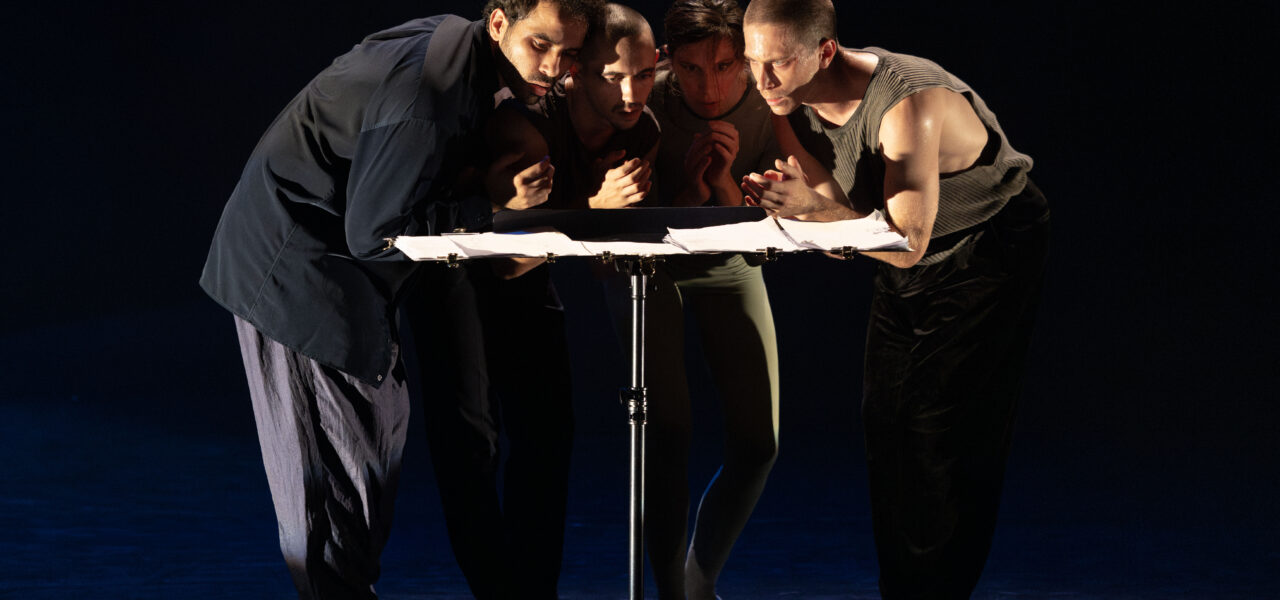
*Photo by Asya Skorik
*English Follows
בראשית היה הדבר, והדבר היה עם האלוהים, והדבר היה אלוהים (יוחנן 1, הברית החדשה).
היצירה הפועמת והפואטית של מיכאל גטמן “תשוקה היא צייד בודד” לקחה אותי אל הבראשית. הבראשית הקיומי האנושי במובן של שחר החברה והתרבות כפי שאנו מכירים אותם, אך גם הבראשית של כל פעולה: מילה, תנועה, נשימה. הרגע הזה שבו נולד דבר-מה, שאיננו מגולם עדיין באופן חומרי. אני נזכרת בשיר היפה של ישראל אלירז: “בא הדבר שבא / לא נתלוו אליו הוראות שמוש / אחרכך המעט שקם הלך למקום אחר / ועד שאני רוצה להצביע על זה כבר אין זה” (מתוך “האם צפויה התבהרות”).
“תשוקה היא צייד בודד” חוקרת את הזמן שעובר בין הדחף הראשוני להביע דבר-מה, והמסע שאנו עוברים בדרך אל הבעתו, שלעיתים מרגיש כמו מסע מטלטל בסירת דייגים קטנה בים סוער; עד שהגענו לחוף מבטחים כבר צריך לצאת לדרך שוב. המופע מאיר את התשוקה להמשיך ולנסות מתוך הידיעה שבמקרה הטוב, נתקרב במעט אל אותה המהות הנחשקת, וכל מה שנצליח להעביר זה רק צללית עמומה.
בראשית היצירה מתן כהן משוטט על הבמה, מבטו מופנה אלינו או מעבר לנו, ושפת גופו נעה בין החייתית לכמעט-אנושית. אני מדמיינת שזה בדיוק הרגע לפני, לפני המפץ הגדול בו נולדה שפה. הרבה לפני התיאטראות והאולמות והפרטיטורות הכתובות, רגע בו האדם כבר לא מה שהיה אך עדיין לא מה שיהיה. רגע חמקמק. לעיתים הנוכחות שלו זורעת פחד, לעיתים הוא מחפש אחר דבר-מה, תנועות גופו נושאות אותו במרחב בקלות וביעילות. הפסקול המותח מרמז שתיכף זה ישתנה, ואני מתענגת על כל רגע.
אורי מבזבז מצטרף אליו, רגליו מצייתות למקצב המיוחד של הפואמה Passionement של המשורר גרסים לוקה. השיר כולו מתאר את מסע הייסורים של המשורר ברצונו להגיד את המשפט “אני אוהב אותך בלהט” (Je t’aime passionement). בדרך המסועפת ביותר, העוברת דרך פירוקי מילים והברות, גמגומים ומשפטים שוברי שיניים, רבדים ושכבות של משמעות, המשורר מגיע אל היעד עם סיום השיר, אך סירתו מרופטת וכמעט שבורה. צורת השיר ממחישה את הקשר בין המילה passion (להט, תשוקה) והשרש הלטיני שלה passio (ייסורים). אני נהנית מהיכולת שלי לזהות חלק מהמילים בצרפתית, וללכוד את המשחקיות, שובבות, לעיתים אכזריות, בין המילים הסמוכות, שדוחפות זו את זו אל קצה יכולות ההבעה שלהן. הרקדנים מתענגים אף הם על רב-המשמעות ורב-השכבתיות שקיימת בכל רגע ורגע, לעיתים נענים למשמעות המילולית של הטקסט, ולעיתים נעים באופן בלתי תלוי. אני תוהה כמה מזה הולך לאיבוד עבור הצופה שאיננו מבין צרפתית, והאם זה משנה. העונג מלקלוט את המשמעות המשתנה במהירות האור, ואת הניואנסים התנועתיים והמילוליים נותן לי את התחושה שאני מבינה לעומק, אך אולי זו רק אשלייה.

Excerpt of ‘Passionament’ by Gherasim Luca
אביתר עומסי נכנס לבמה, נושא איתו מעמד פרטיטורות וממקם אותו בקדמת הבמה. הגעתו מביאה עימה את הנשימה, כתנועה, כפעולה, כמקצב. הנשימה היא כמעט-צליל, כמעט-מילה. תנועתם של שלושת הרקדנים נעה בין הדחיפות של האימפולס הפיזי, לבין הצורניות המוסדרת של הבלט הקלאסי. גם הדינמיקה ביניהם משתנה תדיר בין תמיכה זה בזה, להתגרות, לשליטה אחד באחר. הדחפים מניעים את גופם באינרציה שאיננה ניתנת למיקוח, ומאפשרים להם להביע ברגע אחד את אשר יקח דקות ארוכות לספר או להסביר במילים (במסע שמראש נועד לכישלון).
כניסתה של בשמת נוסן הוא רגע מיוחד. נוכחותה והבעתה מהדהדות בי זרות גדולה, כאילו הגיעה מעולם אחר. יש בה other worldliness שקשה לתאר, je ne sais quoi פרפורמטיבי מיוחד ומדויק בו-בזמן. תנועותיה הרכות אך גם נוקשות, נשברות ומתפרקות בלי לאבד את ההקשר. אני תוהה מה היא מרגישה וחשה שיש בינינו מחיצה, היא בעולמה שלה ואני בעולמי שלי. אני מנסה לשים את האצבע על מה-בדיוק מייצר את התחושה הזו, ונופלת בפח.
עם חזרתו של אביתר לבמה, אנחנו חוזרים אל השיר , הפעם דרך שפתיו של הרקדן. בדיבורו הסכר נפרץ והאדם צלל לתוך המילה, המגומגמת, מהוססת ולא בהירה לעיתים. תנועותיה של בשמת משחקות עם משמעות ומצלול המילים שיוצאות מפיו, ויחד הם מייצרים רצף תנועה כמעין רצף תודעה. אני חושבת על סמואל בקט והשיר האחרון שלו What is the word, בו המספר מחפש את המילים שאבדו, ומנסה להיאחז בכל כוחו במעט המשמעות שישנה.

Excerpt of ‘What is the Word’ by Samuel Beckett
וכאן מולי, זוג שנע בין כתלי תבונה, המילה, והפעולה. מחוויותיה של בשמת מזכירות לי את מריה הקדושה ואת דימוייה באינסוף ציורי ופסלי פיאטה, כמו גם ישו עצמו עם הזרועות המושטות לצדדים בצורת צלב, ואני חושבת על ההיסטוריה של כאן ועכשיו, שמחוברת באופן הדוק למסורות הנוצריות, נרצה או לא נרצה. כמו שאמר חוקר התרבות גדעון עפרת, “הנצרות נושפת בעורפו של הציור הישראלי”, ויש להוסיף , לא רק ציור.
אני נהנית לצפות בדואט של בשמת ואביתר, עם התנועה והדימויים שעולים, שברי המילים שמפלסים את דרכם באיחור קל לתוך החוויה. שמחתי על הרגעים הקצרים בהם הטקסט שונה לעברית, ונתן טעימה קטנה מהחוויה הרב-שכבתית של הטקסט הצרפתי.
אחר כך, ארבעת הרקדנים על הבמה, ועימם אינספור מלחינים וסופרים. תווים ומילים, באך ושומאן, סטיב רייך (שמאתגר את הרקדנים באופן שממחיש שהם אנושיים אחרי הכל), ועוד רבים שלא הצלחתי לזהות. המוסיקה והמילים מניעים אותם, מתחרים על תשומת הלב, כשהדחף לנוע לא תמיד מתאים למה שנאמר ולמה שמתנגן. ריבוי הקולות מגיע לשיאו כשכולם נעים ומדברים כמעט בו-זמנית עם פסקול עשיר שמזפזפ מיצירה ליצירה. אולי זו הדרך הקרובה ביותר לתאר באמצעים לינארים חוויה שלמה של רגע אחד. וכך מרוב האמצעים והנסיונות, הכישלון בולט יותר , וגם ההבנה שלא ניתן לגשר על הפער, ודף לבן לא יחליף את העוצמה של חוויה ישירה. אני נזכרת בתערוכה שראיתי בפריז של האמן הדני פיטר מרטנסן, וציוריו המתארים אנשים בחדר מלא דפים לבנים, מפוזרים, מחפשים משמעות היכן שיש רק צלליות.

Springtime by Peter Martensen

The Consequence by Peter Martensen
הבמה נותרת מלאת ניירות לבנים, ואנחנו חוזרים לסירת הדייגים של גרסים לוקה, בסולו של אורי המחזיר אותנו לתחילת המופע. שבבי משמעות שנזנחו והושארו, כפי שהם, דפים לבנים כמעט חסרי משקל, ואדם אחד שממשיך לנסות לומר דבר-מה. אני נזכרת בתחילת השיר של המשורר האמריקאי אי. אי. קאמינגס Since feeling is first, המתאר בדרכו שלו את הבראשית. המילה since (היות) מסמנת כעובדה שהרגש היה קודם, והשאר, נובע מאותו מעין קדום.
זה סיפור בראשית אחר מאד ממה שאנחנו מכירים, אך אולי זוהי האמת לאמיתה. סיפור שמעמיד בקדמת הבמה את הרגש הבראשיתי, והתשוקה להתקרב אליו, בכל רמה של קרבה, כשגם הכישלון הוא סוג של הצלחה. אני יוצאת מהמופע נרגשת מיצירת האמנות, שממשיכה לנסות, בדבקות ואמונה, לחזור אל ההתחלה.
מיכאל גטמן הציג בבכורה את ׳תשוקה היא צייד בודד׳ ב6.8.2025 כחלק מפסטיבל תל אביב דאנס של מרכז סוזן דלל.
The Passion of Michael Getman by Jenny Birger
In the beginning was the Word, and the Word was with God, and the Word was God. (John 1:1, New Testament)
Michael Getman’s pulsating and poetic creation, “Passion is a Lonely Hunter”, took me back to the beginning. The Genesis of humanity, the dawn of society and culture as we know them, but also the beginning of every action: word, movement, breath. That moment when something is born, not yet made manifest in material form. I’m reminded of the beautiful poem by Israel Eliraz: “Came the thing that came / no user manual attached / afterward, the little that rose went elsewhere / and by the time I point to it, it’s already gone.” (From the book of poems ‘Est-ce qu’on attend l’eclaircissement’)
“Passion is a Lonely Hunter” explores the time that passes between the initial urge to express something and the journey we take to articulate it: a journey that at times feels like a harrowing trip in a small fishing boat on a stormy sea; just as we arrive at a safe shore, it’s already time to set off again. The performance illuminates the drive to keep trying, despite knowing that, at best, we may only draw slightly closer to that coveted essence, and all we’ll manage to convey is a dim silhouette.
Going back to the beginning of the piece, Matan Cohen roams on stage, his gaze directed at us or beyond us, his body language shifting between animalistic and nearly human. I imagine this as precisely the moment before the big change, the Big Bang before language was born. Long before theaters and auditoriums and written scores, a moment when man was no longer what he was, but not yet what he would become. A fleeting moment. Sometimes his presence sows fear, sometimes it searches for something. His body moves through space with ease and efficiency. The suspenseful soundtrack hints that something is about to change, and I savor every second.
Ori Mbazbaz joins him, his feet responding to the distinct rhythm of the poem Passionément by poet Ghérasim Luca. The entire poem details the poet’s passion-suffering journey in trying to utter the phrase: “I love you passionately” (je t’aime passionnément). Through a meandering path, via word and syllable breakdowns, stutters, tongue-twisting phrases, layers and levels of meaning, the poet reaches his destination at the end, but his boat is nearly wrecked. The poem’s very form reveals the connection between the word passion and its Latin root passio (suffering). I delight in recognizing some of the French words and catching the playfulness, the mischief, even cruelty sometimes, between neighboring words, pushing each other to the edge of their expressive abilities. The dancers too revel in the multivalence and multi-layered texture of each moment, sometimes responding to the literal meaning of the text, sometimes moving independently. I wonder how much is lost for the Israeli viewer who doesn’t understand French and whether it matters. The pleasure of catching meaning shifting at the speed of light, the nuances in movement and sound, gives me the sense that I truly understand, but perhaps it’s just an illusion.
Excerpt of ‘Passionament’ by Gherasim Luca
Evyatar Omessy enters the stage, carrying a music stand and positioning it at the front. His arrival brings with it breath as a theatrical action, a movement, and a rhythm. Breath as almost-sound, almost-word. The trio’s movement flows between the urgency of physical impulse and the formal structure of classical dance. Their dynamic constantly shifts from support, to provocation, to control. Their bodies are propelled by a momentum that is non-negotiable, allowing them to express in an instant what would take minutes to say or explain in words (a journey doomed from the start).
The entrance of Bosmat Nossan is a unique moment. Her presence and expression echo a deep foreignness, as if she arrived from another world. There is an otherworldliness about her that is hard to describe, a certain performative je ne sais quoi, precise and singular. Her movements are soft yet held, breaking apart without losing coherence. I wonder what she’s feeling, and I sense a barrier between us; she in her world, I in mine. I try to pinpoint what exactly generates that sensation – and fall right into the trap.
With Evyatar’s return to the stage, we return to the poem, this time through the dancer’s lips. In his speech, the dam breaks and the human plunges into the word, stammering, hesitant, unclear at times. Bosmat’s movements dance with the meaning and sound of the words he speaks, together creating a flow of movement like a stream of consciousness. I think of Samuel Beckett’s final poem, What is the Word, in which the speaker searches for lost words, desperately clinging to the little meaning that remains.
Excerpt of ‘What is the Word’ by Samuel Beckett
And here before me, a couple oscillating between reason, word, and action.
Bosmat’s gestures make me think of the Virgin Mary and her depictions in countless Pietà paintings and sculptures, as well as Jesus himself, arms outstretched in crucifix form. I reflect on the history of the here and now, being tightly intertwined with Christian traditions, whether we like it or not. As the cultural scholar Gideon Ofrat once said, “Christianity breathes down the neck of Israeli painting”, and not only painting, I would add.
I enjoy watching this duet between Bosmat and Evyater, with its movement and rising imagery, the word fragments that find their way inside, delayed yet present, into the experience. I cherished the brief moments when the text switched to Hebrew, offering a small taste of the layered richness of the French original.
Then, the four dancers are on stage together, and with them, countless composers and writers. Notes and words, Bach and Schumann, Steve Reich (who challenges the dancers in a way that makes me remember that they’re human after all), and others I couldn’t identify. Music and language propel them, competing for attention, as the urge to move doesn’t always align with what is being said or played. The multiplicity of voices reaches its peak when all are moving and speaking nearly at once, with a rich soundtrack zapping from one composition to another.
Perhaps this is the closest we can get to convey the fullness of a single moment’s experience using linear means. And so, amid all the methods and efforts, the failure becomes clearer, and with it the realization that the gap cannot be bridged, and a blank page can never replace the power of direct experience. I recall an exhibition I saw in Paris by Danish artist Peter Martensen, and his painted men in rooms full of scattered white pages, searching for meaning where there are only shadows.
The Consequence by Peter Martensen
Spring by Peter Martensen
The stage is left strewn with white pages, and we return to Ghérasim Luca’s fishing boat, in Ori’s solo that brings us back to the beginning of the performance. Fragments of meaning, abandoned and left as they are, weightless white papers, and a solitary person still trying to say something. I’m reminded of the opening lines of E. E. Cummings’ Since feeling is first, his own take on Genesis. The word since states as fact that feeling came first, and everything else follows.
This is a very different story than the ones we know, but perhaps it’s the only one that dares to get close to the truth. A story that places primordial emotion center stage, and the yearning to draw near to it, where even failure becomes a kind of success. I leave the performance moved by a work of art that continues, with devotion and faith, to try to return to the beginning of things.
Michael Getman presented the premiere of ‘Passion is a Lonely Hunter’ as part of the Suzanne Dellal Centre’s Tel Aviv Dance Festival on August 6, 2025.
 ג׳ני בירגר היא רקדנית, יוצרת וחוקרת גוף רב-תחומית. יצירות הוידיאו-דאנס שלה הוקרנו במבחר פסטיבלים בארץ ובעולם (ביניהם Cinedans, Cyprus Film Festival, Burgundy Video Dance Festival, בית הנסן ועוד). היצירה lurking (2014) חקרה את התנועה במרחב הציבורי ויצרה פראזות כוריאוגרפיות תלויות-מקום בתל אביב; היצירה the rope (2016) חקרה את תנועת אמנית הקרקס על מה שנראה כחבל אינסופי; בלב ים (2022) חקרה את חוויית ריבוי-הקולות שבתוכינו בחיפוש אחר האיחוד והשלמות. יצירת המחול-תיאטרון פעם (2024) השתמשה בהשראה של משל אפריקאי ליצירה עבור “קהילה בתנועה”, רקדנים לא-מקצועיים החיים עם מחלת הפרקינסון.
בעלת קשת רחבה של הכשרה פיזית, בין היתר העמיקה במחול מערב-אפריקאי (עם מורים מגינאה, מאלי, סנגל), אלתור עם מוסיקה חיה ויצירת כוריאוגרפיה בזמן-אמת (ג’וליאן המילטון ומאיה מ. קארול), קרקס מודרני ומחול עכשווי. למדה תיאטרון פיזי ב”קליפה” וב”פרסונה”, למדה לאבאן-ברטנייף ב”סמינר הקיבוצים” עם מילכה לאון. כיום מעמיקה בלימודי פאשייה (ליאן האן) ומחול מערב-אפריקאי (עדי זלינגר).
כפרפורמרית, הופיעה ביצירות של תמר בנימיני, רוני הלר, אריאל כהן, נועה פריאל ובמבחר יצירות של מחול אפריקאי בארץ ובחו”ל.
למדה בתוכנית לכוריאוגרפיה ב”כלים” (2018), ובסיומה הציגה את הסולו נקודת היעלמות אשר חוקרת האם וכיצד אפשר להיעלם על הבמה.
בעלת תואר דוקטור בבלשנות מאוניברסיטת תל-אביב, בו היא חקרה את האופן בו ילדים מבינים דימויים ומטאפורות. אוהבת לחבר בין מילים ותנועות, ומפתחת סדנאות של אלתור בגוף, קול, ומילה כתובה בשם תנועהמילה (מ-2024). מלמדת אלתור והבעה בתנועה ב”קהילה בתנועה”, סדנאות של מחול אפריקאי, מפתחת רצועת “ג’אמים” – מרחב לאלתור חופשי-מונחה עם מוסיקה אפריקאית חיה – יחד עם סער קמפלרר. בעלת תעודות הוראה של איינגאר יוגה ופילאטיס מזרן, ומלמדת באופן פרטי ובשיעורי סטודיו בתל-אביב.
Jenny Birger
born in 1984 in Kiev, lives and works in Tel Aviv. Multi-media artist, dancer, teacher. Holds a PhD in Linguistics, passionate about language and movement, the language of movement, the movement of language.