
Jenny Birger’s Thoughts on ‘Waiting Places’ by Or Schraiber and Bobbi Jene Smith
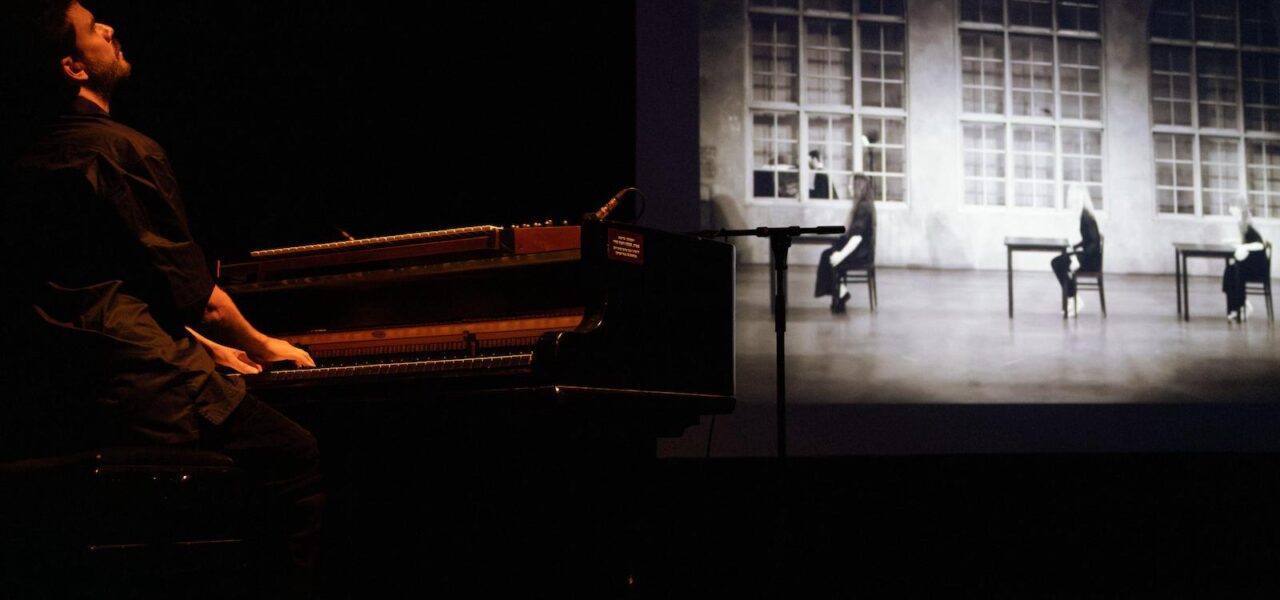
*Photo by Or Schraiber
*עברית בהמשך
Waiting Places by Bobbi Jene Smith and Or Schraiber is unarguably beautiful. Its beauty shines like a dew drop rolling from a rosebud, or the reflection of soft sunrise’s rays glimmering on the sea. Highly skilled and expressive dancers perform exquisite choreography, screened in black and white. The women’s long hair and dresses move along their athletic bodies, the men’s heels mark the fast tempo of the passing of time. The craftsmanship of everyone involved: the dancers, the choreographers, the camera and editing, and of course the music, is impressive and inspiring. I’m still left waiting, though, for something else. Something that perhaps was never intended to be part of this particular piece, yet without it the work feels incomplete.
*
My seat has talkative neighbors on the right, an empty space and an older woman on the left, who is enjoying the vacancy and spreading her belongings. I wonder if she’s waiting for someone to join her, or simply living in the moment. She chews a large bubble gum, her red lips opening wide and closing rhythmically. I look at the empty piano on stage, almost willing it to make a sound to muffle the loud chewing, but it remains silent. Can you imagine how many beautiful Bach, Schubert and Ravel pieces lie dormant between the eighty-eight black and white keys? It’s 21:08 and I’m starting to feel edgy, glancing at the entrance door and wondering who else is expected to come. Seconds pass by, stretched like bubble gum, and no one enters, yet the door remains open. I look around. Most people are on their phones, a few are talking. No one is simply waiting. It seems we do all we can to avoid feeling the slow passing of time before the desired event begins. And once it does, we forget all about it and sink deeper into our upholstered theatre chairs.
*
Yonatan Daskal enters the stage, sitting at the piano. The stage is empty and yet full at the same time: the musician, his instrument and a large screen rolled down from the ceiling. The action begins on screen with a young man entering a large hall with three enormous windows, black tables and chairs. He hangs his coat and draws a vertical line on the wall with white chalk. There is something deeply satisfying in the screeching sound of chalk meeting the wall, stirring long-forgotten memories. He launches into the first of five short bursts, dense choreographies, loaded with movement and expression, fast and furious. Each time his hand reaches for the chalk, between sequences of dance, I rejoice. A simple act that speaks volumes on its own.
This first solo opens the door to various choreographic constellations, following five characters each yearning and longing for connection and love. We witness duets, solos, trios, and moments when all the dancers inhabit the same space, the “waiting place”, their dance occasionally interrupted by an old-fashioned telephone call. Yonatan moves between atmospheric sound that complements the recorded audio in the film, and playing the piano live. With no sheet music, he occasionally glances at the screen, as if checking that his tempo matches the action, or perhaps looking for connection with the characters trapped in their two-dimensional world. The sound of the live music is thrilling, yet it somehow underscores the absence of live performers on stage.
The timeless beauty of Bach highlights the dancers’ flawless interpretation of complex, rich choreography. The camera guides my attention, sometimes to the composition as a whole, sometimes to the smallest details: a hand moving over a shirt, a woman tracing another’s shadow on the wall, water splashed onto a face. I enjoy zooming in and out, letting the invisible hand of the camera and the editing to frame my attention. This aspect of the piece is only made possible thanks to the screen, and I’m letting myself be guided with pleasure. The black table and chairs, the somewhat frenetic tempo of the actions, and the deep longing for love bring me back to Café Müller by Pina Bausch. Made in a different time and place, it seems that little has changed for us humans; we still yearn to be seen, heard and appreciated.
And then, the few moments when their skilled bodies allow themselves to let go, literally collapsing into their chairs, remind me of another iconic dance film, Rosas danst Rosas by Anne Teresa de Keersmaeker. In Waiting Places the dancers’ letting go feels like a “last resort,” as if reluctant to be shown in such despair, whereas de Keersmaker left more space for it, weaving release seamlessly into the choreography. Those brief moments of exhalation and collapse help me connect to the undertones of waiting, and I’m grateful for their presence.
A curious feature of the evening is Yonatan Daskal’s double presence. Mostly in the background, we see him play the piano in the movie, his gestures mirroring the live Yonatan before us, creating an intriguing relationship between the two. Sometimes they almost look at each other, and I wonder, does the screen-Yonatan know he’s not the only musician? Does he feel threatened by the aliveness of his counterpart? Does the real Yonatan envy his perfect twin, who will never make a mistake, while he might? Almost like a detective, I search for tiny discrepancies in their performances, hints that perhaps they are not parallel after all. Apart from the “black and white Yonatan” having sheet music and the live one playing from memory, I notice nothing, and it makes me wonder about the choice to have live music with the piece. Yes, the vibration of an instrument touches us in a way no recording can. But again, his presence makes the absent all the more absent. I long to see this work live on stage, with the dancers performing in front of my eyes, the musician playing alongside them. I’m convinced its artistry would shine in full color.
*
Waiting Places.
Six hundred seventy-four. Unless a miracle happens, tomorrow will be six hundred seventy-five. We’ve been counting for almost two years now, day after day, waiting and longing for the hostages to return, for the war to end, for people on both sides to begin the long process of healing. Waiting, for me, is long and stretched like that bubble gum my neighbor abandoned at some point during the film, mixed with yearning and hope but also with despair, disbelief and a lack of trust. It’s dark and cold, and then warm again, a suspension of breath longer than the deepest dives. Waiting keeps us in parallel time zones: the present, with its Allegro-paced tempo, and the solemn Largo of waiting-time.
Waiting is boring, and boring is uncomfortable. We hate discomfort and so we go to great lengths to avoid feeling it. Waiting Places feels like a beautiful façade of a large storied building, and for that I appreciate its imagery, artistry and aesthetic pleasure. But there are more rooms to explore, staircases to climb, windows to open, and emotions to experience, and I am saddened that these were not part of this piece.
‘Waiting Places’ by Or Schraiber and Bobbi Jene Smith was screened on August 9 as part of the Suzanne Dellal Centre’s Tel Aviv Dance Festival.
מחשבות של ג׳ני בירגר בעקבות צפייה ב׳המתנות׳ מאת אור שרייבר ובובי ג׳ין סמית׳
המתנות של בובי ג׳ין סמית ואור שרייבר היא יצירה יפייפיה. יופיה בהיר כמו טיפת טל שמתגלגלת מניצן ורד, או קרני שמש רכות של זריחה המרצדות על פני הים. קאסט רקדנים מוכשרים ומלאי הבעה מבצעים כוריאוגרפיה מרהיבה, המוקרנת כסרט שחור-לבן. שיערן הארוך והשמלות של הנשים נעים יחד עם גופן האתלטי, נקישות העקבים של הגברים מסמנים את הקצב המסחרר של הזמן החולף. זוהי הפקה מרשימה ומעוררת השראה מכל הבחינות; הרקדנים, הכוריאוגרפים, הצילום והעריכה, וכמובן המוזיקה. ועדיין, אני מחכה למשהו. משהו שאולי מראש לא היה אמור להיות פה, אבל בלעדיו זה מרגיש לוקה בחסר.
*
אני מתיישבת בכיסא המיועד. השכנים מימין מדברים, משמאלי כיסא ריק ומעבר לו אישה מבוגרת ממני שנהנית מהמרחב הפתוח. אני תוהה אם היא מחכה למישהו, או שפשוט נהנית מהרגע. היא לועסת מסטיק גדול, שפתיה האדומות נפתחות ונסגרות בקצב אחיד. העיניים שלי מביטות אל הפסנתר הריק שעל הבמה, כמעט מתחננות שינגן ויחליש קצת את סאונד הלעיסה, אבל הוא שותק בינתיים. אני נדהמת מהמחשבה שבאך, שוברט וראבל נחים להם שם בין השמונים ושמונה קלידים בשחור לבן, מחכים ליד אדם שתעיר אותם. השעה 21:08, ואני מתחילה להיות קצת חסרת סבלנות. מציצה שוב אל דלת הכניסה, מי עוד צריך להגיע? השניות נמתחות כמו מסטיק, אף אחד לא נכנס, אבל הדלת עדיין פתוחה. מסביבי רוב האנשים עמוק בתוך הטלפונים הניידים, ומעטים משוחחים ביניהם. אף אחד לא סתם ממתין. נדמה שאנחנו עושים הכל כדי לא להרגיש את הזמן החולף, וכשמשהו כבר מתחיל, אנחנו שוכחים מהכול ונשאבים לתוך הכיסאות הנוחים של האולם.
*
יונתן דסקל נכנס ומתיישב ליד הפסנתר. הבמה ריקה ובו זמנית מלאה, מוזיקאי, כלי נגינה, ומסך גדול מגולל מהתקרה. הסרט מתחיל עם בחור צעיר שנכנס לחדר גדול עם שלושה חלונות עצומים, שולחנות וכיסאות שחורים. הוא תולה את המעיל, וחורט קו אנכי בגיר לבן על הקיר. יש משהו מספק ונעים בסאונד שנוצר מהמפגש של הגיר והקיר, והוא מחזיר זכרונות רחוקים. הרקדן יוצא לסולו ראשון מבין חמישה של ריקודים קצרים, צפופים, ומלאי אנרגיה. בכל פעם שהוא חוזר לגיר, בין ריקוד לריקוד, אני מתמלאת שמחה. פעולה כל כך פשוטה, וכל כך חזקה, אומרת הרבה במעט אמצעים.
הסולו הזה מהווה פתיח לרצף של יצירות כוריאוגרפיות שונות עם חמש דמויות שכל אחת מהן כמהה לחיבור ואהבה. אנחנו צופים בדואטים, סולואים, טריואים, ורגעים שבהם כולם רוקדים יחד ב”מרחב המתנה” משותף, כשצלצול טלפון ישן לעיתים קוטע את הרצף. יונתן נע בין הפקת צלילים אטמוספריים שמשתלבים בסאונד של הסרט, לבין נגינה חיה. בלי תווים, מדי פעם מציץ במסך, אולי כדי לבדוק שהוא בקצב של ההתרחשות, ואולי כדי ליצור קשר עם הדמויות הכלואות שם בשחור־לבן. נגינתו בלייב מרגשת, אך גם בו-בזמן מדגישה את מה שחסר, נוכחות חיה של רקדנים על הבמה.
היופי הנצחי של באך פוגש את הרקדנים על המסך, מדגיש את הפרשנות המדויקת שלהם לכוריאוגרפיה עשירה ומורכבת. המצלמה משחקת עם המבט שלי, ומכוונת אותי לעיתים למכלול ולעיתים לפרטים הקטנים: יד שמחליקה על חולצה, אישה שמשרטטת את צלה של חברתה, מים שמשפריצים על הפנים. אני נהנית מהקרוב-רחוק שמתאפשר בזכות המדיה המצולמת, ונותנת ליד הנעלמה לכוון את תשומת ליבי. הבחירה בשולחן ובכיסאות השחורים, הקצב הכמעט היסטרי, והכמיהה העמוקה לאהבה, מזכירים לי את קפה מילר של פינה באוש. עבודה מתקופה ומקום אחרים, אבל אולי לא כל כך הרבה השתנה עבורינו, בני-האנוש, שעדיין כמהים לנראות ולהערכה.
ברגעים הבודדים בהם הרקדנים מאפשרים לעצמם להרפות, ליפול ולהתמסר אל הכיסא או השולחן, לוקחים אותי ליצירה קאנונית אחרת, הפעם וידיאו-דאנס Rosas danst Rosas של אן תרזה דה קירסמאקר. ובעוד שכאן, ב”המתנות”, השחרור הוא המוצא האחרון, אצל דה קירסמאקר זה חלק מכובד מהכוריאוגרפיה. אותם רגעים קטנים של קריסה מאפשרים לי להתחבר לצבעים הקרירים יותר של פעולת ההמתנה, ואני מעריכה את נוכחותם.
היבט מסקרן של הערב הוא הנוכחות הכפולה של יונתן דסקל – הן על המסך והן מולינו בשר ודם. לרוב הוא ברקע, במעין מראה של יונתן החי שמולנו. לפעמים נראה שהם כמעט מביטים זה בזה, ואני חושבת, האם היונתן שעל המסך יודע שהוא לא היחיד? האם הוא מרגיש מאוים מהחיות של הכפיל הממשי שלו? האם יונתן האמיתי מקנא בתאום המושלם שלו, שלא יפספס אף צליל, בזמן שהוא עלול? כמו בלשית קולנוע, אני מחפשת הבדלים קטנים, סימנים לכך שהם לא באמת זהים. אך חוץ מזה שיונתן בשחור-לבן מציץ מדי פעם לעמוד התווים, יונתן הממשי מנגן מזיכרון. וזה מעלה שאלה אודות ההחלטה לשלב נגינה חיה יחד עם ההקרנה. נכון, אין תחליף לתהודה של כלי נגינה חי. אבל דווקא הנוכחות שלו כאן מדגישה את מה שאיננו. אני סקרנית לראות את היצירה הזאת בגרסה חיה, עם רקדנים ומוסיקאי חולקים את הבמה, ואני בטוחה שזה יאפשר את הביטוי המלא של האמנות הטמונה בתוכה.
*
המתנות.
שש מאות שבעים וארבעה ימים. אלא אם יקרה נס, מחר נספור שש מאות שבעים וחמישה. כמעט שנתיים שאנחנו סופרים, יום אחרי יום, מחכים ומייחלים לשובם של החטופים, לסוף המלחמה, להתחלה של ריפוי אמיתי בשני הצדדים. המתנה, בשבילי, היא פעולה ארוכה ונמתחת כמו המסטיק של שכנתי מתחילת המופע, מלאה גם בכמיהה ותקווה, וגם בייאוש וחוסר אמון. לפעמים צבעיה קרירים, לפעמים חמים יותר, זוהי עצירת נשימה ארוכה שמתעלה על הצלילה העמוקה ביותר. היא מחזיקה אותנו בשני אזורי זמן במקביל, ההווה הממשי בקצב האלגרו, והלארגו האיטי של זמן ההמתנה. המתנה משעממת לעיתים, ושעמום לא נוח לנו. היות ואנחנו לא אוהבים לחוות אי-נוחות, נעשה הכל כדי לא להרגיש. המתנות עבורי היא כמו חזית מרהיבה של בניין עתיק ורב־קומות, ואני נהנית מהאסתטיקה והיופי המוצגים. אבל בפנים יש מדרגות לטפס חלונות לפתוח ודלתות להעיז ולהיכנס דרכן – וחבל לי שאלו אינם חלק מהיצירה.
׳המתנות׳ מאת אור שרייבר ובובי ג׳ין סמית׳ הוקרן ב9.8.2025 כחלק מפסטיבל תל אביב דאנס של מרכז סוזן דלל.
 ג׳ני בירגר היא רקדנית, יוצרת וחוקרת גוף רב-תחומית. יצירות הוידיאו-דאנס שלה הוקרנו במבחר פסטיבלים בארץ ובעולם (ביניהם Cinedans, Cyprus Film Festival, Burgundy Video Dance Festival, בית הנסן ועוד). היצירה lurking (2014) חקרה את התנועה במרחב הציבורי ויצרה פראזות כוריאוגרפיות תלויות-מקום בתל אביב; היצירה the rope (2016) חקרה את תנועת אמנית הקרקס על מה שנראה כחבל אינסופי; בלב ים (2022) חקרה את חוויית ריבוי-הקולות שבתוכינו בחיפוש אחר האיחוד והשלמות. יצירת המחול-תיאטרון פעם (2024) השתמשה בהשראה של משל אפריקאי ליצירה עבור “קהילה בתנועה”, רקדנים לא-מקצועיים החיים עם מחלת הפרקינסון.
בעלת קשת רחבה של הכשרה פיזית, בין היתר העמיקה במחול מערב-אפריקאי (עם מורים מגינאה, מאלי, סנגל), אלתור עם מוסיקה חיה ויצירת כוריאוגרפיה בזמן-אמת (ג’וליאן המילטון ומאיה מ. קארול), קרקס מודרני ומחול עכשווי. למדה תיאטרון פיזי ב”קליפה” וב”פרסונה”, למדה לאבאן-ברטנייף ב”סמינר הקיבוצים” עם מילכה לאון. כיום מעמיקה בלימודי פאשייה (ליאן האן) ומחול מערב-אפריקאי (עדי זלינגר).
כפרפורמרית, הופיעה ביצירות של תמר בנימיני, רוני הלר, אריאל כהן, נועה פריאל ובמבחר יצירות של מחול אפריקאי בארץ ובחו”ל.
למדה בתוכנית לכוריאוגרפיה ב”כלים” (2018), ובסיומה הציגה את הסולו נקודת היעלמות אשר חוקרת האם וכיצד אפשר להיעלם על הבמה.
בעלת תואר דוקטור בבלשנות מאוניברסיטת תל-אביב, בו היא חקרה את האופן בו ילדים מבינים דימויים ומטאפורות. אוהבת לחבר בין מילים ותנועות, ומפתחת סדנאות של אלתור בגוף, קול, ומילה כתובה בשם תנועהמילה (מ-2024). מלמדת אלתור והבעה בתנועה ב”קהילה בתנועה”, סדנאות של מחול אפריקאי, מפתחת רצועת “ג’אמים” – מרחב לאלתור חופשי-מונחה עם מוסיקה אפריקאית חיה – יחד עם סער קמפלרר. בעלת תעודות הוראה של איינגאר יוגה ופילאטיס מזרן, ומלמדת באופן פרטי ובשיעורי סטודיו בתל-אביב.
Jenny Birger
born in 1984 in Kiev, lives and works in Tel Aviv. Multi-media artist, dancer, teacher. Holds a PhD in Linguistics, passionate about language and movement, the language of movement, the movement of language.