
The Barricades Within the Heart by Jalal Masarwa
*English follows
המיתרסים שבלב
מאת ג׳לאל מסארוה
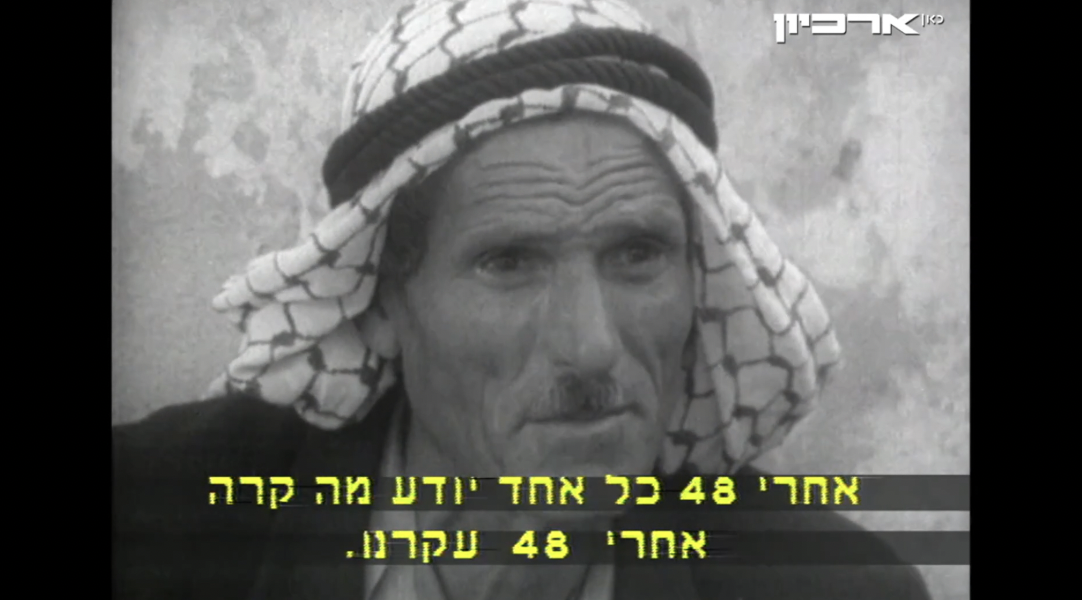
כאשר רם לוי בוחר להעמיד במרכז סרטו שתי משפחות, האחת פלסטינית, שבה אבי המשפחה נושא את יגון אביו שנספה, ומולה משפחה יהודית ששכלה את שני בניה, הוא יוצר מפגש טעון בין שני נרטיבים שראשיתם בנקודת השבר של 1948.
תחילה, הסרט פותח בפנינו צוהר אינטימי אל תקופה המעוגנת בשיח הקולקטיבי בעיקר דרך הקשרים היסטוריים רחבים ומנוכרים. אולם ב’מיתרסים’, הטראומה ההיסטורית פושטת את גלימתה ולובשת את דמותו של ‘האדם הקטן’. כל אחת מהמשפחות גוללת בפנינו את מסכת השכול הפרטית שלה, ובכך הופכת את האסון הכללי לממשות אישית, נושמת וחשופה.
היצירה, שנחשבה לחלוצית ופורצת דרך בשדה הדוקומנטרי של זמנה, עושה שימוש במבנה נרטיבי של מונולוגים מקבילים. המצלמה נעה לסירוגין בין בתי המשפחות, מעניקה לכל אחת מהן את הבמה להשמיע את קולה באופן בלעדי. אף שהמיקוד המרכזי נותר בדמויות האבות, נוכחותם של האמהות והילדים המגיחים מדי פעם מעניקה לטקסט האנושי רבדים נוספים של כאב יומיומי.
בתוך המרחב הקולנועי הזה, נסדקת חומת הניכור של הצופה. אל מול זעקתם החשופה של אלו שאיבדו את יקיריהם במלחמה עקובה מדם, שהשלכותיה ממשיכות להדהד במציאות המקומית עד היום, המחסומים הרגשיים שלנו כלפי ‘האחר’ קורסים. עם זאת, כאן טמון הניגוד המריר: בעוד שהצופה חווה התקרבות, המיתרסים בין הדמויות עצמן נותרים איתנים כשהיו. הבחירה המודעת של לוי למנוע כל מפגש פיזי בין המשפחות לאורך הסרט מדגישה את קיומם של שני קווים מקבילים המאכלסים מרחב גאוגרפי אחד, אך נידונים להישאר מופרדים בחלל התודעתי.
לצד התכנים הטעונים העולים מן היצירה, לא ניתן להתעלם מהשפה הקולנועית המרהיבה, השואבת השראה מובהקת מהזרמים האירופיים של שנות החמישים והשישים. המצלמה של לוי חיה, נושמת ומשוחררת מכבלי האולפן, מהדהדת את מסורת ה’סינמה וריטה’ ו׳הגל החדש׳. הפשטות הגולמית והאותנטיות של השפה החזותית מעניקות לסרט רובד אמנותי נוסף, כזה שלפרקים כמעט ומפתה את העין להתמסר לאסתטיקה הקולנועית על חשבון הנושא המורכב.
אולם, חסד חזותי זה הוא רגעי בלבד, במהרה אנו מוטחים חזרה אל המציאות המדממת שמציג הסרט. יגון המשפחות כה תהומי, עד שכל הברה הנפלטת מפי הדמויות שזורה ללא הפרד במארג הטראומה הקולקטיבית שחוו, ובכך הופכת כל רגע קולנועי לזעקה אנושית נוקבת.
לאורך היצירה כולה, אם נקלף את המעטפת האסתטית ונשיל את הסגנון התקופתי, ניוותר עם הליבה החשופה- המילים. כאשר מקשיבים לקולותיהן של הדמויות, למשפטים הספוגים ביגון ובכאב קדמוני, מתרחשת תופעה מצמררת, המרחק ההיסטורי נמוג. כל הגה, כל זעקה וכל טענה שנאמרו ב-1969, יכולים היו להיאמר היום, כמעט מילה במילה, ב-2026.
התחושה הזו, של זמן שקפא מלכת, מגיעה לשיאה בסיקוונס הסיום המהדהד, שבו נדרשים בני המשפחות השכולות להגדיר את רגשותיהם כלפי ‘העם האחר’. המנעד שנחשף שם, הנע בין סלידה עמוקה ושנאה יוקדת לבין תקווה שברירית ומותנית לקבלה, הוא אותו מנעד שממשיך לקרוע את המרחב שבו אנו חיים. קשה, ואולי אף בלתי אפשרי, לצפות בדברים הללו מבלי לשקוע במחשבה מטלטלת, כיצד ייתכן שלאחר כמעט שישה עשורים, אנו עדיין כלואים באותו תא תהודה רטורי? נראה כי בעוד שהחומות הפיזיות עשויות ליפול ולקום, המיתרסים שבלב נותרו יציבים ומבוצרים, ממשיכים להדהד את אותן אמירות נואשות לתוך חלל ההיסטוריה הממאן להשתנות.
נכתב בתגובה למיתרסים מאת רם לוי.
״׳מיתרסים׳ מספר את סיפורן של שתי משפחות, האחת יהודית והשנייה פלסטינית, שאיבדו ילדים במהלך מלחמת העצמאות של ישראל, המוכרת לפלסטינים בשם הנכבה. הסרט מפגיש בין שני סיפורי שכול ומביט בפצעי המלחמה מנקודות מבט שונות.״
[1969, 65 דקות]
When Ram Loevy chooses to place two families at the center of his film, one Palestinian family in which the father carries the grief of his own father’s death, and opposite them a Jewish family that has lost both of its sons, he creates a charged encounter between two narratives whose origins lie in the rupture of 1948.
At first, the film opens an intimate window onto a period that is usually anchored in collective discourse through broad and alienating historical contexts. Yet in Barricades, historical trauma sheds its ceremonial cloak and takes on the form of the “little person.” Each family unfolds the private tapestry of its bereavement before us, transforming a collective catastrophe into something personal, breathing, and exposed.
The work, considered groundbreaking and pioneering within the documentary field of its time, employs a narrative structure built on parallel monologues. The camera moves back and forth between the families’ homes, granting each side an exclusive stage upon which to voice its story. Although the primary focus remains on the fathers, the occasional appearances of mothers and children add further layers of everyday pain to the human texture of the film.
Within this cinematic space, the viewer’s wall of alienation begins to crack. Faced with the exposed cries of those who lost loved ones in a blood-soaked war whose consequences continue to reverberate throughout local reality to this day, our emotional barriers toward the “other” collapse. Yet herein lies the bitter contradiction: while the viewer experiences a sense of closeness, the barricades between the characters themselves remain as firm as ever. Loevy’s conscious decision to prevent any physical encounter between the families throughout the film underscores the existence of two parallel lines inhabiting the same geographic space, yet condemned to remain separated within the realm of consciousness.
Alongside the charged subject matter, one cannot ignore the film’s magnificent cinematic language, which draws clear inspiration from the European movements of the 1950s and 1960s. Loevy’s camera is alive, breathing, liberated from the constraints of the studio, echoing the traditions of cinéma vérité and the French New Wave. The raw simplicity and authenticity of the visual language grant the film an additional artistic layer, one that at times almost tempts the eye to surrender to cinematic aesthetics at the expense of the complex subject matter.
Yet this visual grace is only momentary. Very quickly, we are thrust back into the bleeding reality the film presents. The families’ grief is so abyssal that every syllable uttered by the characters is inseparably woven into the fabric of the collective trauma they endured, transforming every cinematic moment into a piercing human cry.
Throughout the work, if we peel away the aesthetic shell and strip away the period style, what remains is the exposed core: the words. When one listens to the voices of the characters, to sentences saturated with sorrow and ancient pain, a chilling phenomenon occurs: historical distance dissolves. Every sound, every cry, every accusation spoken in 1969 could just as easily be spoken today, word for word, in 2026.
This feeling of time standing still reaches its peak in the closing sequence, in which the bereaved family members are asked to define their feelings toward the “other people.” The spectrum revealed there, ranging from deep revulsion and burning hatred to fragile, conditional hope for acceptance, is the very same spectrum that continues to tear apart the space in which we live. It is difficult, perhaps even impossible, to watch these moments without sinking into a disturbing thought: how is it possible that after nearly six decades, we remain trapped within the same rhetorical echo chamber? It seems that while physical walls may rise and fall, the barricades within the heart remain stable and fortified, continuing to echo the very same desperate declarations into the unchanging void of history.
Written in response to Barricades by Ram Loevy.
” ‘Barricades’ tells the story of two families, one Jewish and the other Palestinian, who both lost children during Israel’s War of Independence, known to Palestinians as the Nakba, or “Catastrophe.”
[1969, 65 min]
ג’לאל מסארווה (מנהל שותף של תכנית הסטודנטים של אלבי) הוא שחקן, יוצר קולנוע ויזם תרבות מהעיר טייבה, ייסד ומנהל האמנותי של رَ Ra – פורום ליוצרי קולנוע, הפועל לקידום קולנוע מקומי באזור המשולש ומעבר לו. סרטיו הוצגו בפסטיבלי הקולנוע סולידריות, חיפה וירושלים.
Jalal Masarwa (Co-Director of Albi Student Program) is an actor, filmmaker, and cultural entrepreneur from Tayibe, and serves as the founding artistic director of رَ Ra – Filmmakers Forum, fostering local cinema in the Triangle and beyond. His films have been recognized at the Solidarity, Haifa, and Jerusalem Film Festivals.