

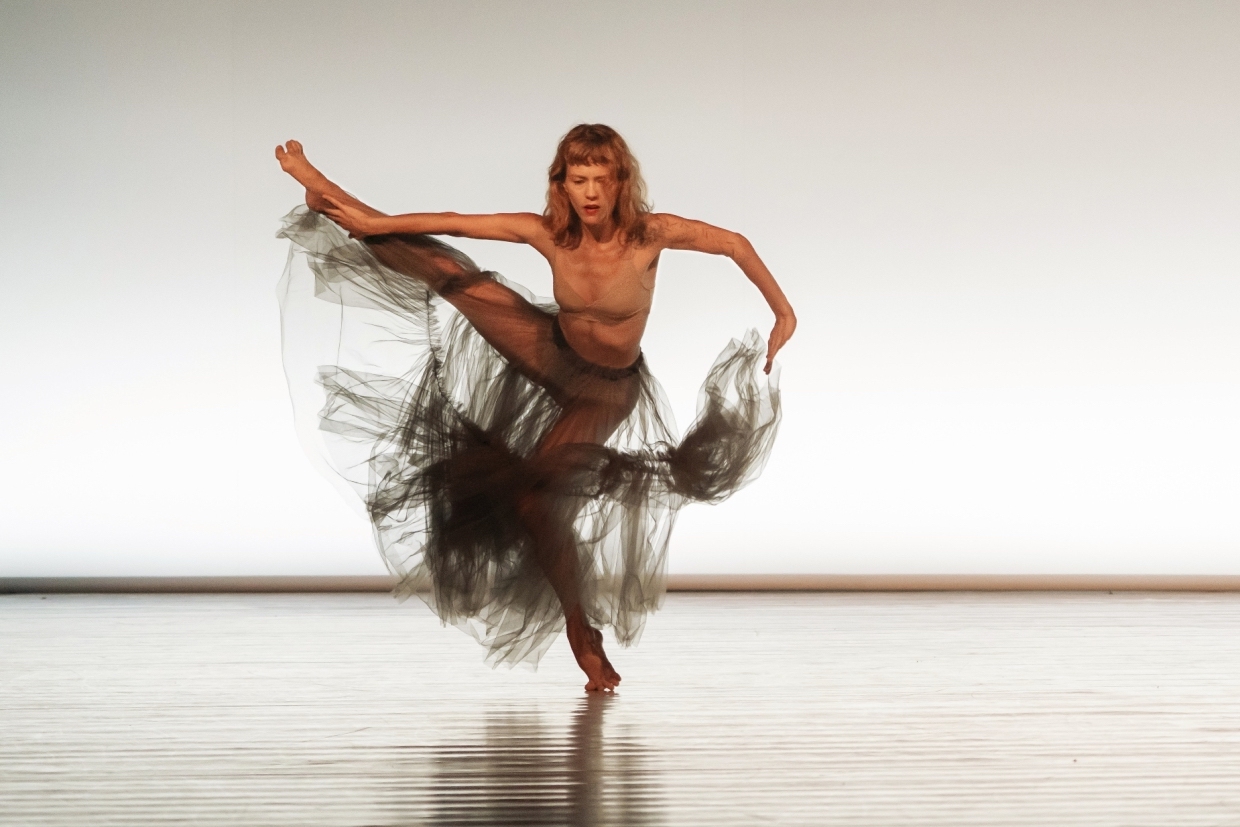
In a sense, this opening image encapsulates the work as a whole, with both its strengths and its shortcomings: NONA creates a highly precise and aesthetically refined world, within which an entire ensemble operates, yet in too many moments leans on a single standout soloist.Read more
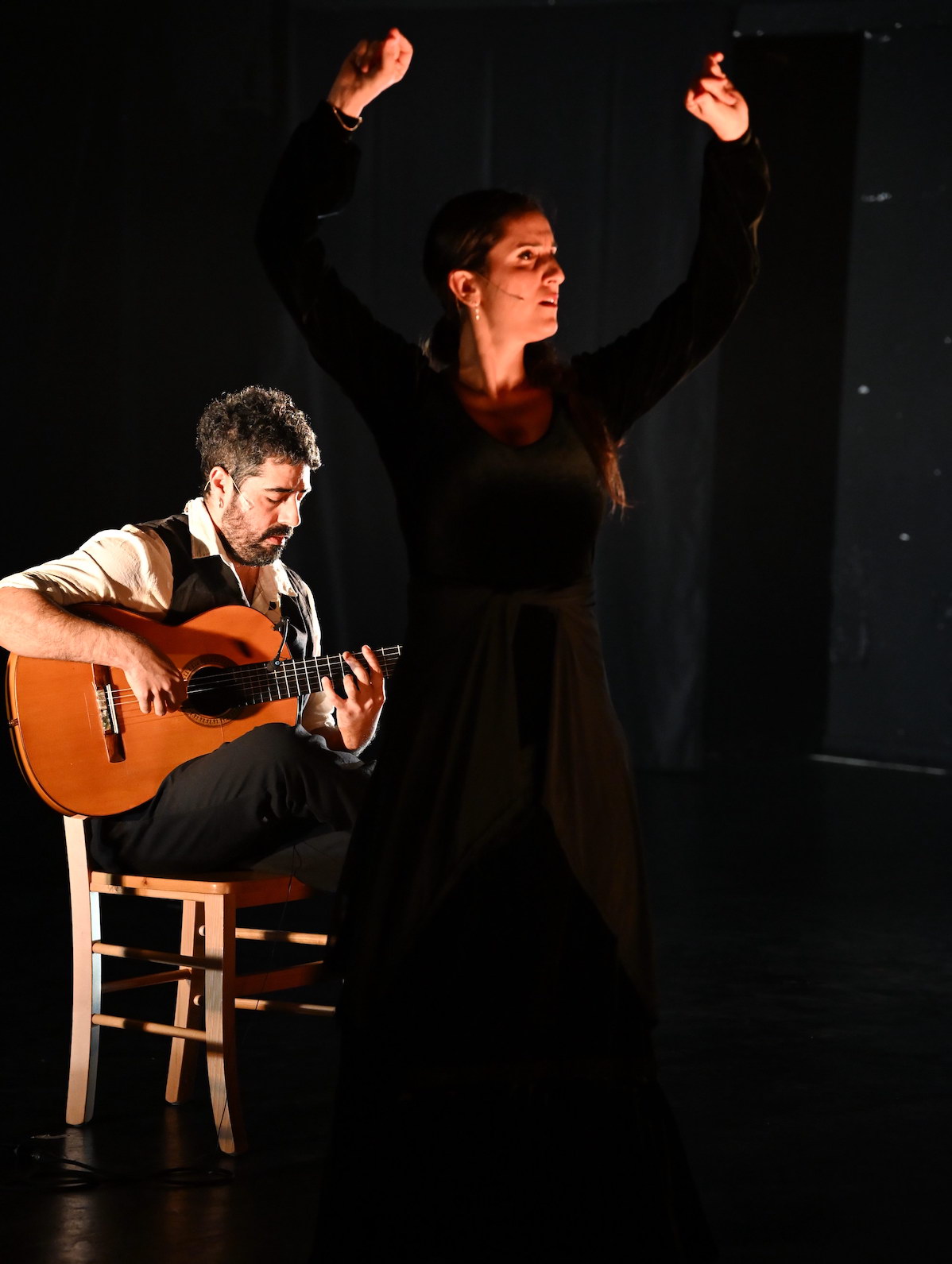
…it seemed that together, the four embodied in their bodies and movements the nomadic, hybrid spirit so characteristic of flamenco’s history. This was precisely because the four insisted on integrating — alongside typical Spanish gestures and sounds —movement languages and imagery external to flamenco, whether through the use of Hebrew, plastic objects, or references to modern dance.Read more
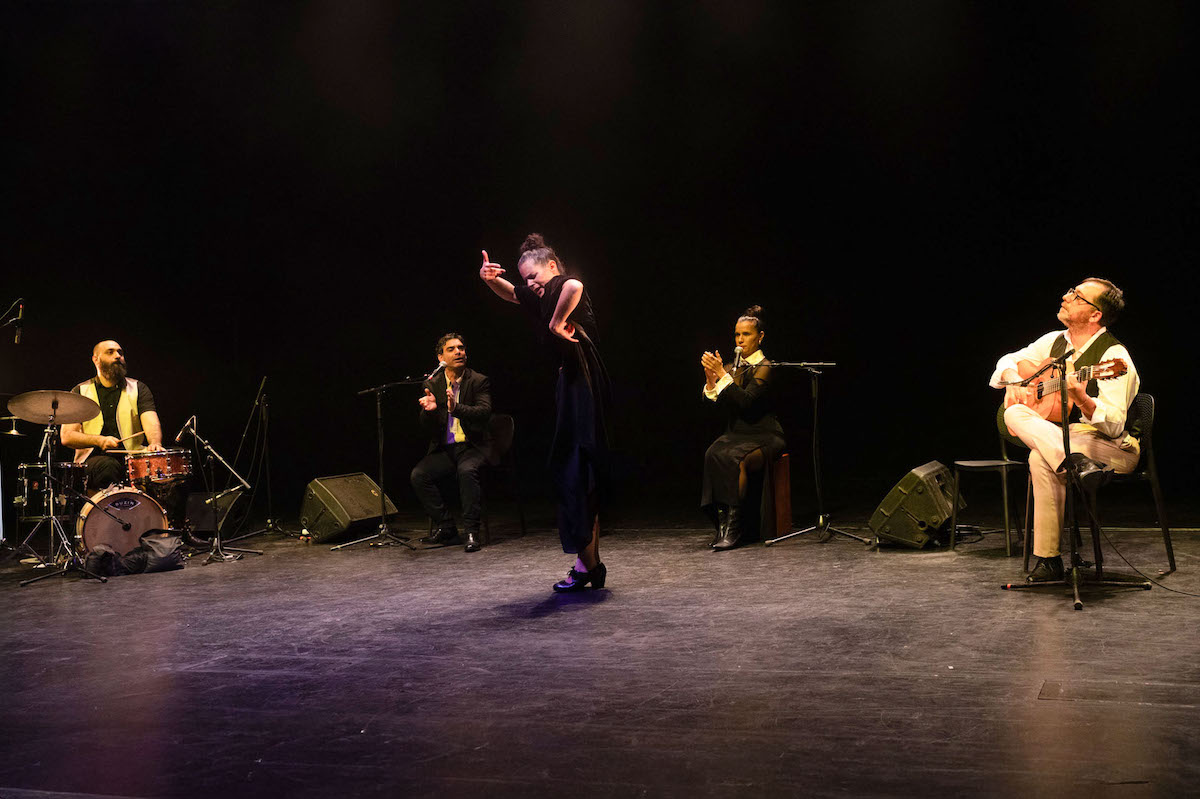
Tula Ben Ari, a singer of Yemenite and Polish descent, decided to step into the very large shoes of Ofra Haza and did so with great success in this performance.
She did not try to imitate Ofra Haza’s singing. Her voice was deep, strong, present, enveloping the entire space with its power and resonating into the fibers of the soul.Read more
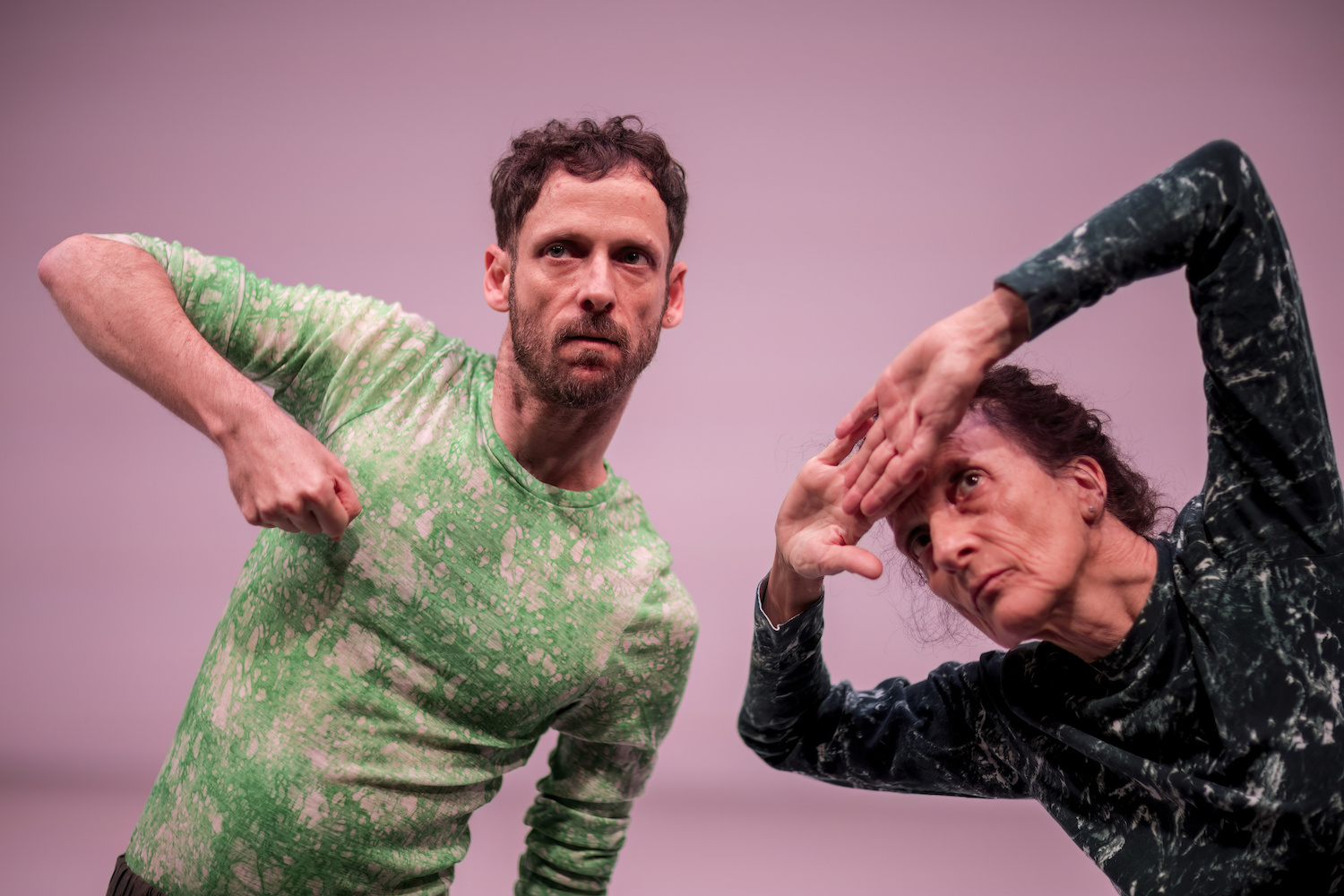
This gap between the two, between Shamgar’s certainty and Shafir’s searching, creates the backbone of the performance. It is an intriguing gap, full of potential. At times, their meeting feels like a dialogue interrupted between sentence and sentence. Rather than producing conceptual unity or emotional fusion, the separateness remains clear, and as a viewer I felt it strongly.Read more

Everything about this production was thoughtfully designed and executed by Poda.
A true Renaissance man. Accompanied by my 6 year old daughter, I felt so fortunate that this was her introduction to the magic realm of opera. I was charmed by her questions throughout the piece, especially “Ima, when will they stop singing?!” Poda made this ancient world of Carthage, shipwrecks, Gods and witches so sumptuous, the aesthetics alone could hold the attention of a young art lover. Read more
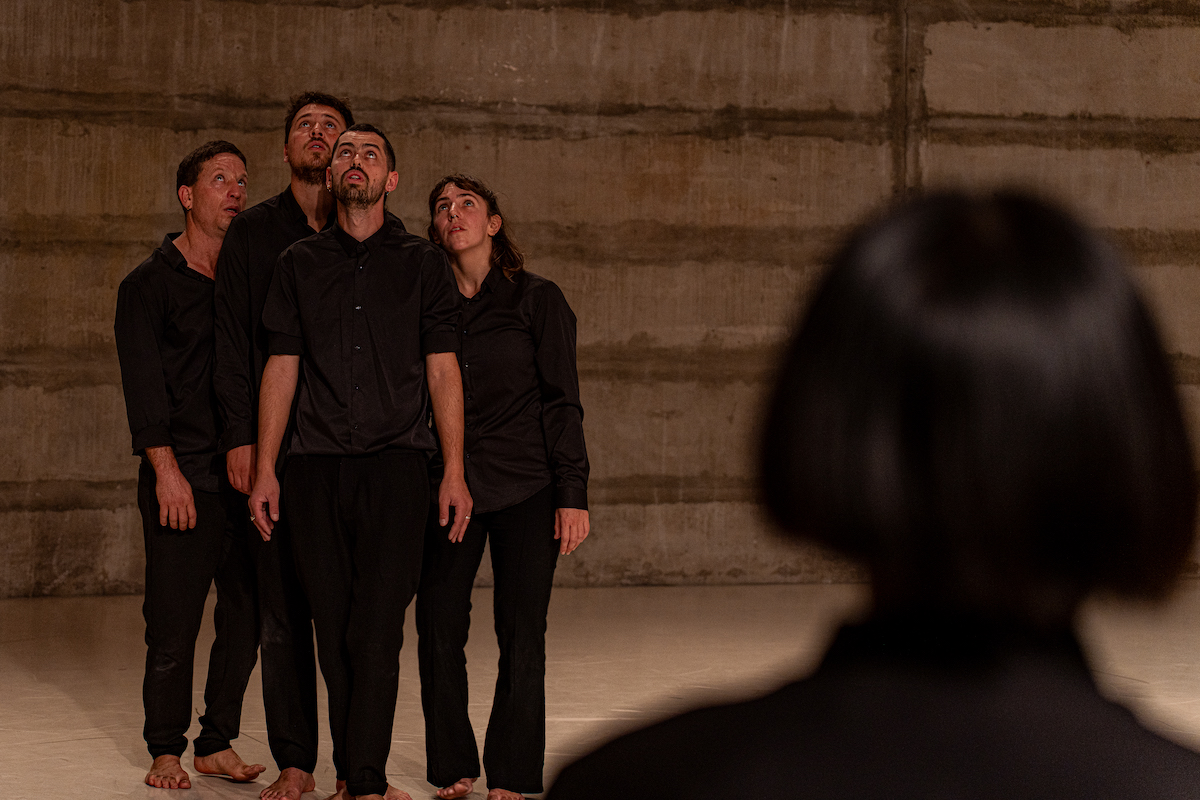
There is so much magic in simple things, especially when simplicity is born from long and demanding labor. Such is the work of Kazuyo Shionoiri and Dror Liberman Keep it up: simple and profound, shifting from moment to moment and from performance to performance, and above all, touching and lingering.Read more
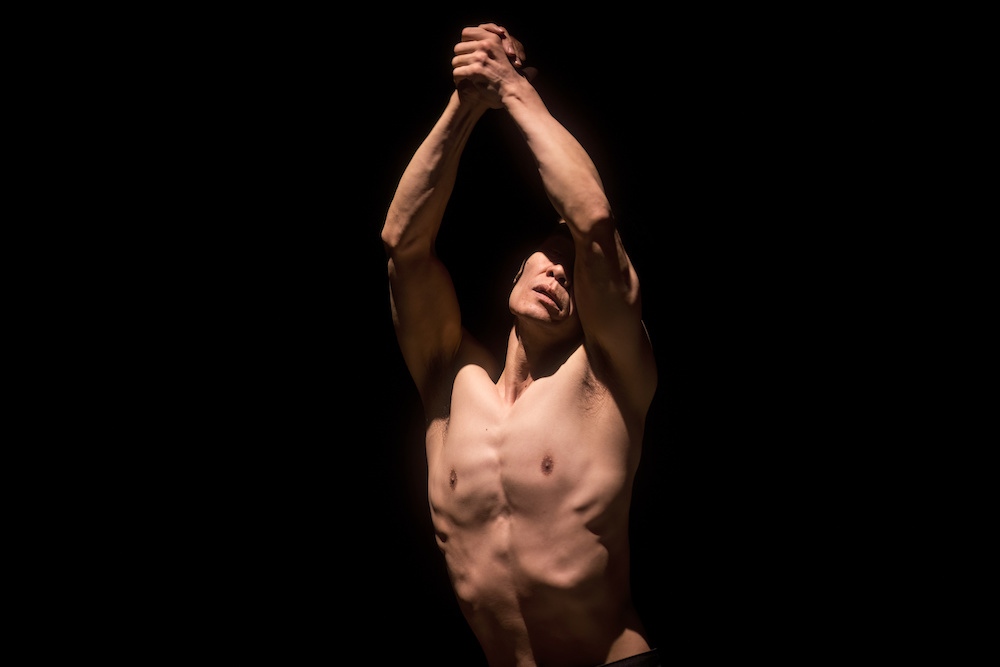
The final round of the International Choreography Competition, in which four works were presented, does not coalesce into a overarching theme, rather it reveals itself as a consistent emotional space. Loneliness emerges as a point of departure and as raw material. Three solo works and one trio draw a portrait of contemporary dance as a practice of being alone, even when others are present on stage and despite the presence of spectators. This is not romantic or sentimental loneliness, but an existential loneliness of the artist and the dancer, those who operate within themselves, out of division, tension and inner struggle, and who seek to communicate it not through confession or narrative, but through a moving body in inner and outer space and in time.Read more
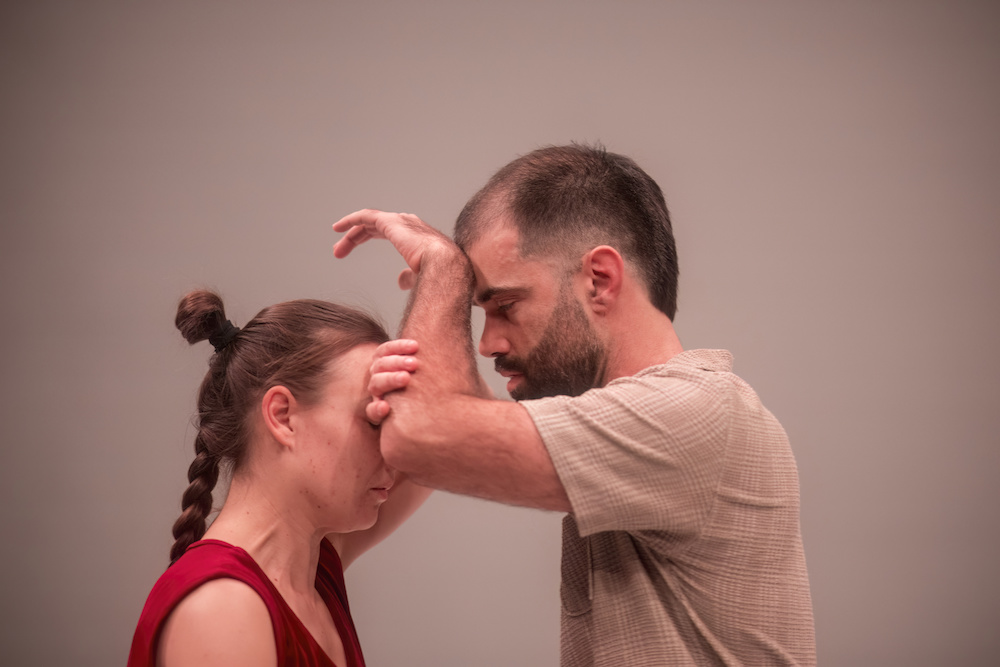
Based on a True Story is a moving performance, full of tenderness and softness, and for the most part also full of compassion. It brings us into contact with states of fragility and strength, with relationships that are built and unraveled in moments, with the possibility of telling a story without speaking it in words. There is generosity of body and of heart, and a deep appreciation for the humanity that exists between the performers.Read more
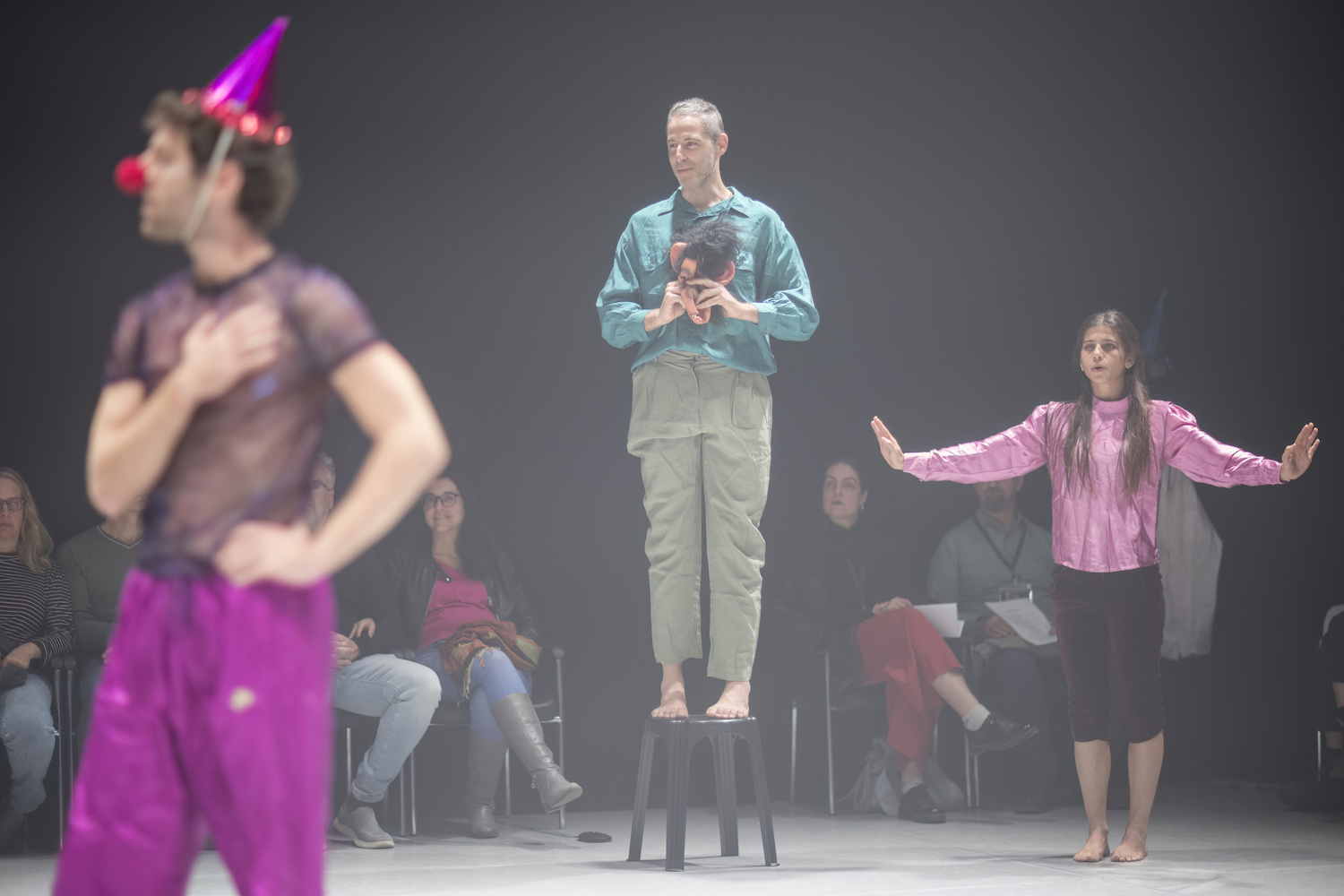
The power of the work ‘4 Fantasies and a Monkey’ lies in its ability to allow and create an imagined space to wander through, even if only for a few moments. The audience is invited to walk through the forest clearing, and it does not fear crossing it, because it is faithfully guided by a multitude of images. Like Hughes’s eternal fox, ‘4 Fantasies and a Monkey’ turns the one-time moment into the eternal, and the human consciousnesses within it into a walkable, infinite space.Read more
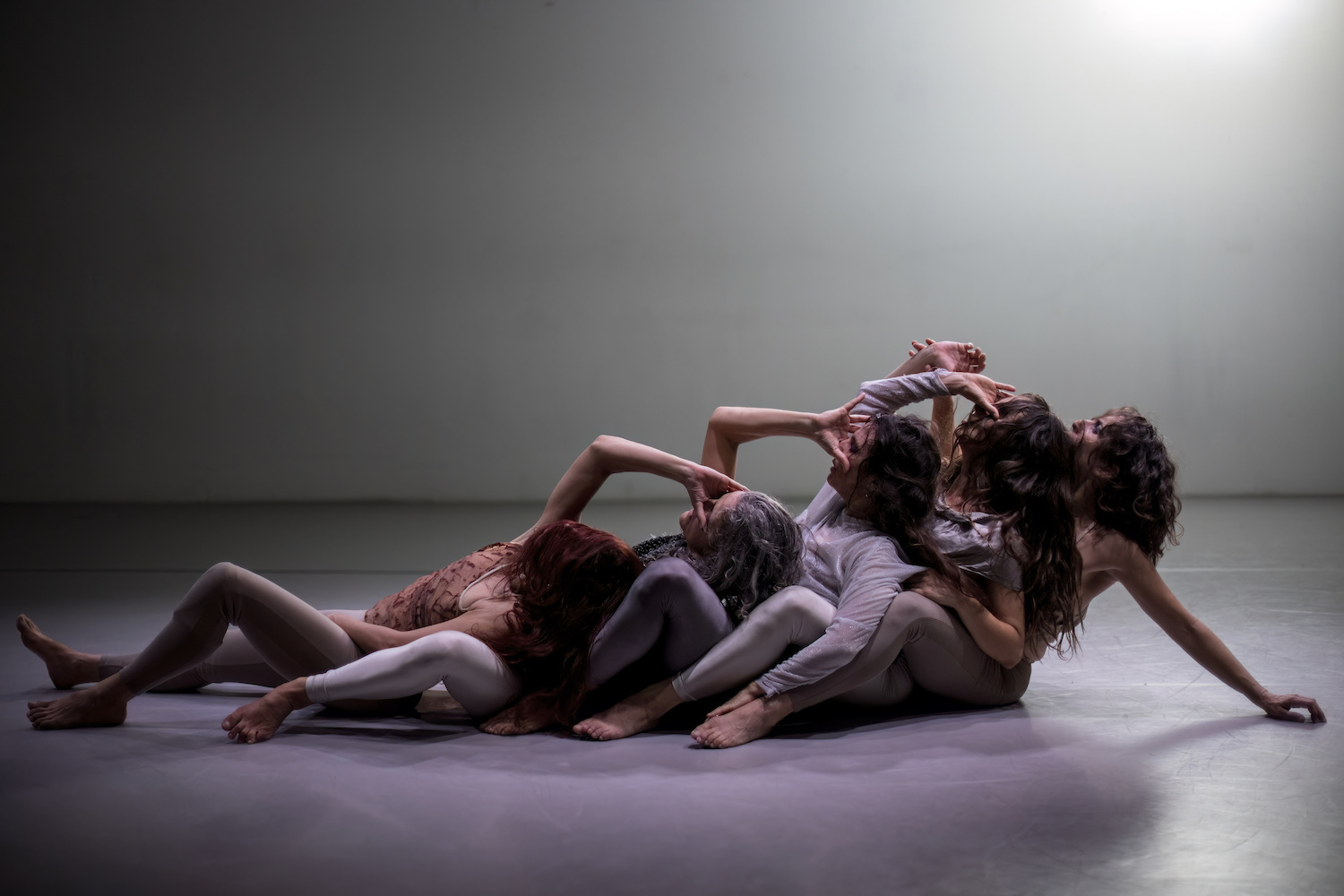
It is clear to me even from this opening image that this time Godder is not inviting us to a party, as in “Shout Aloud,” her company’s previous show created in collaboration with the singer Dikla, which was a showcase of explosive and sensual feminine energy. Nor is she withdrawing inward with the same fragility that characterized “Practicing Empathy 3.” No, this time Godder is leading us through the gates of the underworld, deep into a universe of feminine lamentation and illusion.Read more