
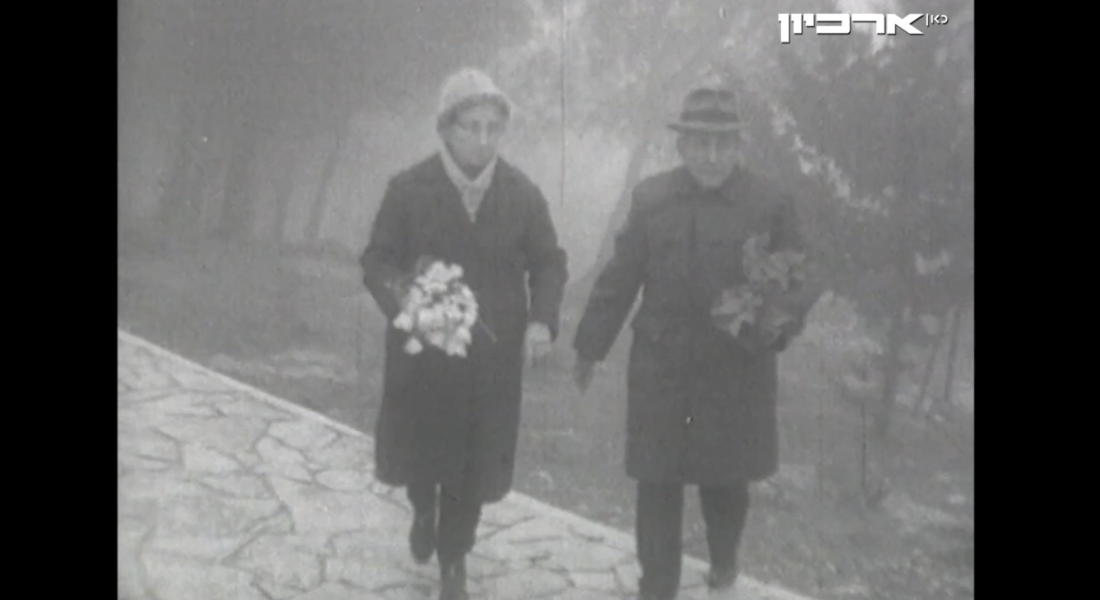
Created in response to ‘Barricades’ by Ram Loevy.Read more
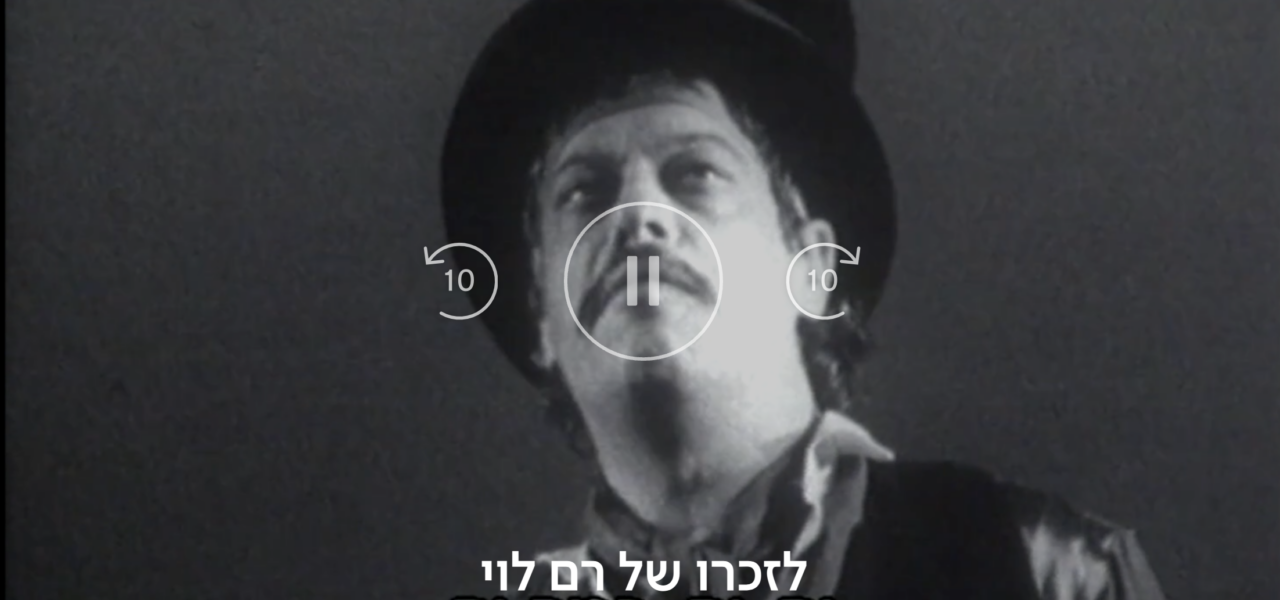
Even cities need dramaturgy, and of all the cities in the world, I believe Jaffa has the first claim to receiving devoted dramaturgical care. Among all the commentators, thinkers, journalists, influencers, documentary filmmakers, project entrepreneurs, investors, green investors and their opponents, there should be at least one dramaturg, for God’s sake.Read more
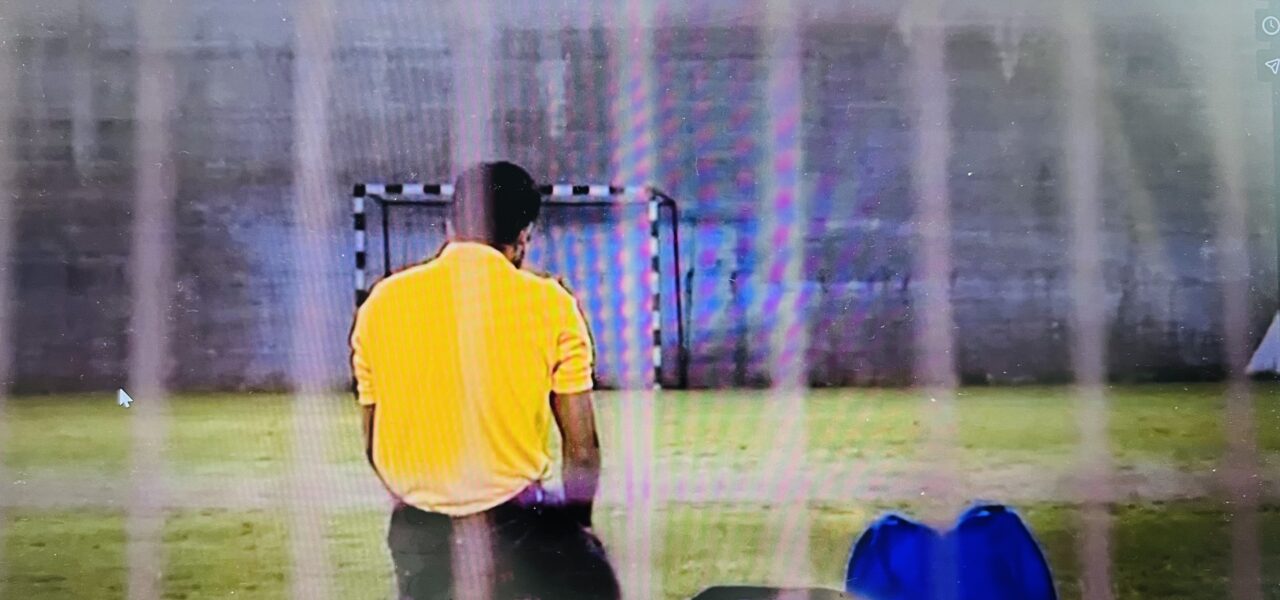
Rewatching Ram Loevy’s “Sakhnin, My Life” brought back three moments I experienced alongside Arab Israeli creators and made me understand something that I spent years allowing myself not to fully feel.Read more
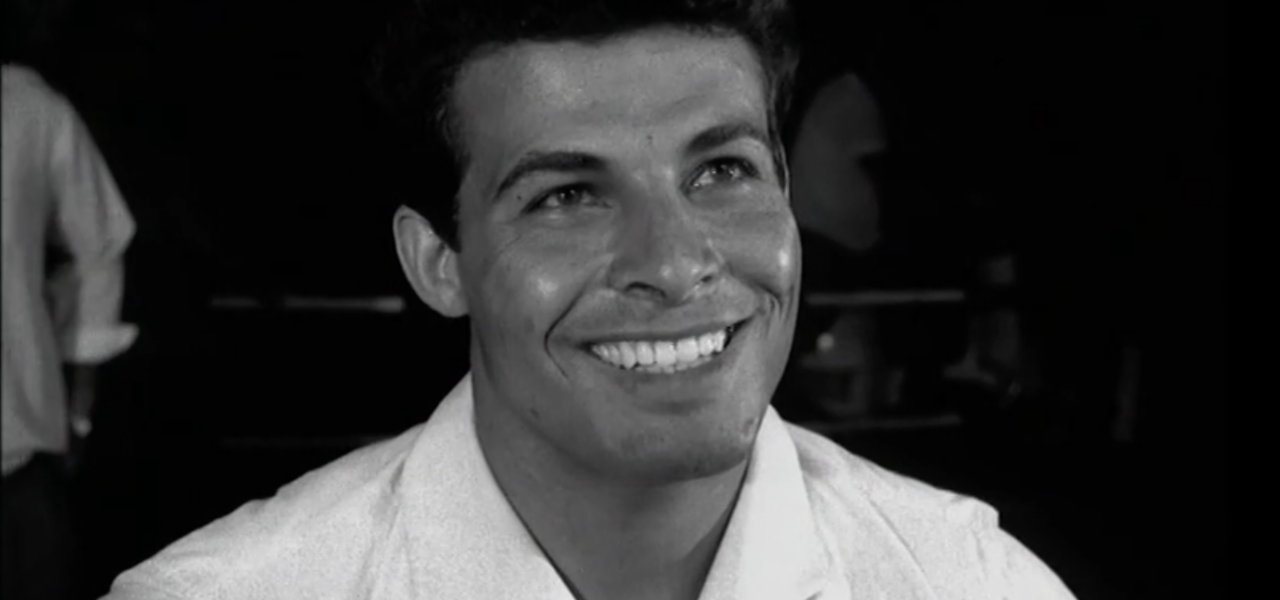
To your credit, Ahmad Habibi,
you figured it out way back then.
By ’67, you already knew that between the river and the sea, the best thing to be –
is Jewish.
And democratic.
But Jewish first.
Not Jewish – no democracy.Read more
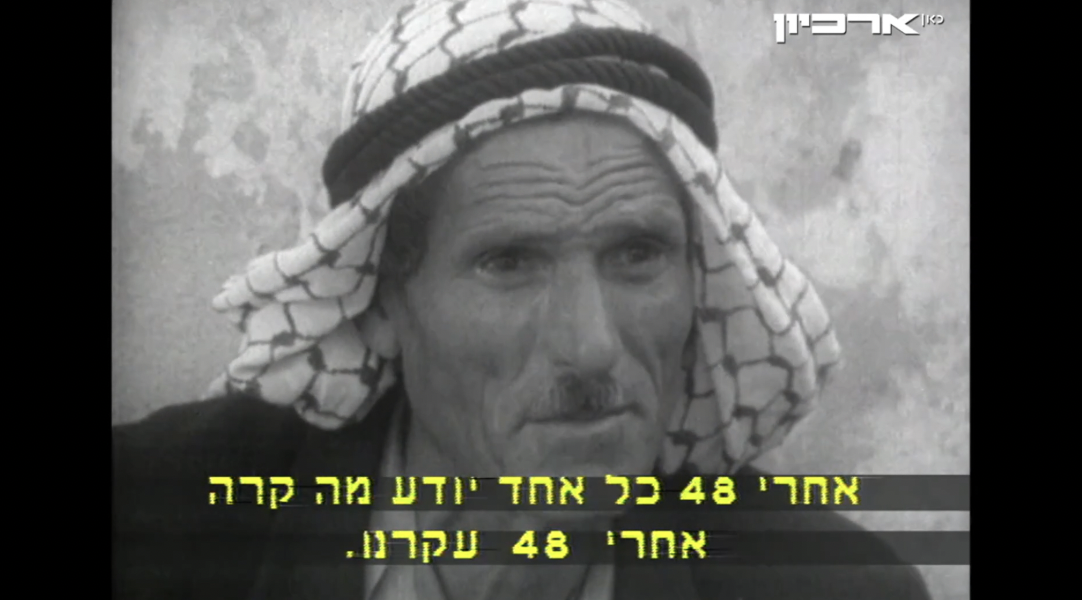
Throughout the work, if we peel away the aesthetic shell and strip away the period style, what remains is the exposed core: the words. When one listens to the voices of the characters, to sentences saturated with sorrow and ancient pain, a chilling phenomenon occurs: historical distance dissolves. Every sound, every cry, every accusation spoken in 1969 could just as easily be spoken today, word for word, in 2026.Read more
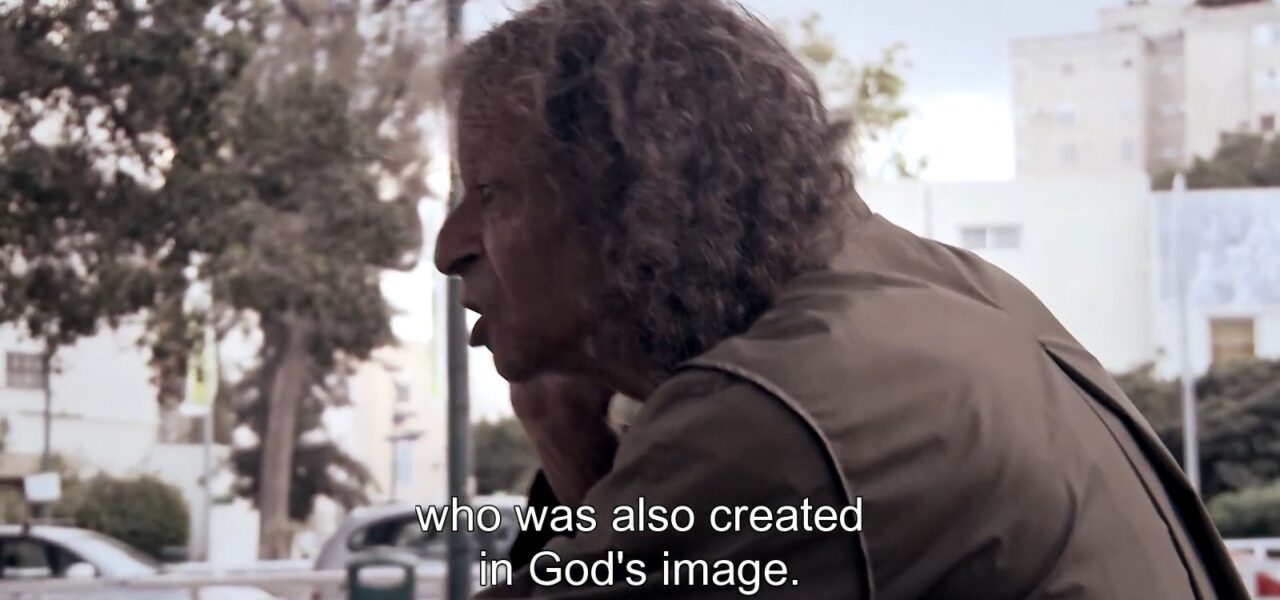
This is also the film’s deepest cinematic argument. The camera, even when it claims objectivity, always chooses. Always arranges. Always decides what enters the frame and what remains outside it. And if that is so, what is the difference between documentary and fiction?Read more
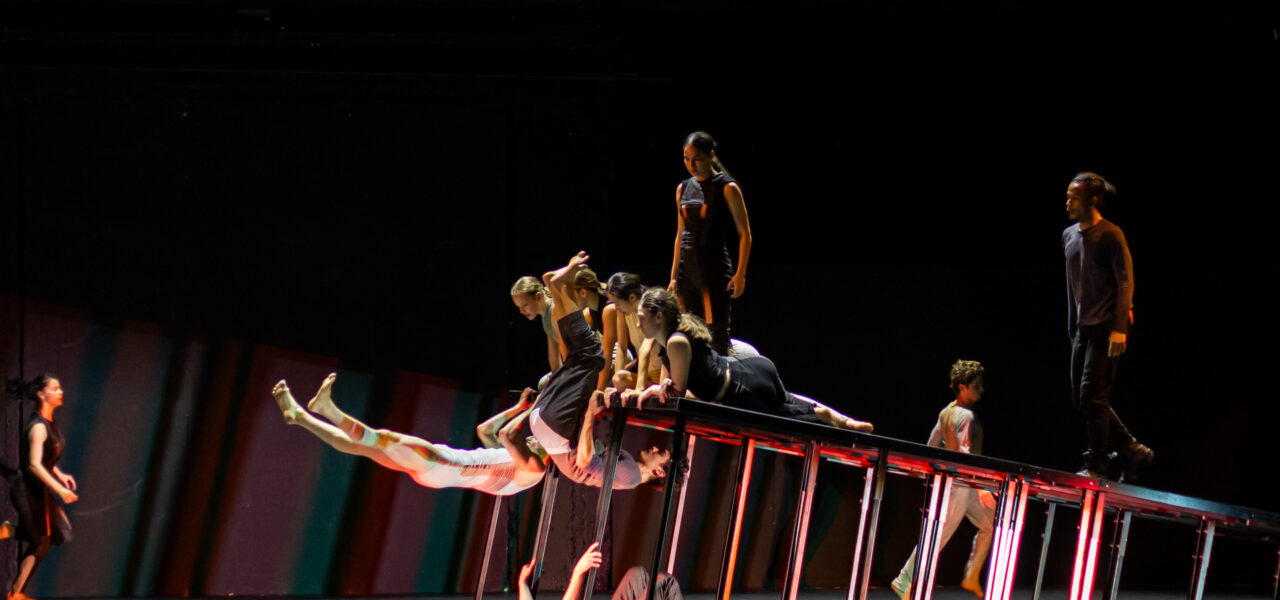
Both works powerfully express the emotions we’ve all been carrying through this past month and more: anxiety, terror, helplessness, the attempt to survive inside all this darkness.Read more
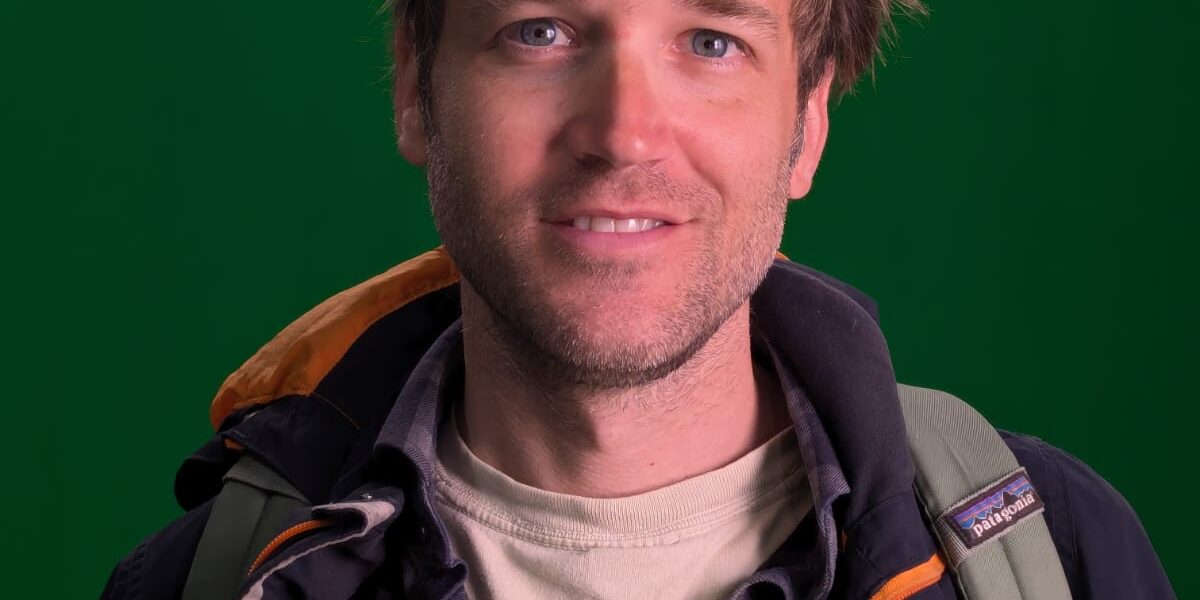
Nearly every night of the week, dance videographer Daniel Pakes can be found in a theater somewhere in Israel, positioned behind the lens of one of his many cameras. With a background in physical theater and performance, Pakes has developed a filming language deeply attuned to choreography, stage dynamics and the ephemeral nature of live art.Read more

…each choreographer speaks a distinct language. We often call this “movement language,” but it extends beyond steps to every choice a work contains: dancers, music, costumes, composition, props, design. Together, these elements form a syntax, a way of speaking.
And while in life I have only one mother, in dance I have had many mothers and fathers. These are the artists whose work shaped my understanding of what the stage is and what a performative act can hold. The ones who influenced how I “speak” today were those who allowed me to walk through their creative worlds, absorbing fragments of vocabulary along the way.Read more
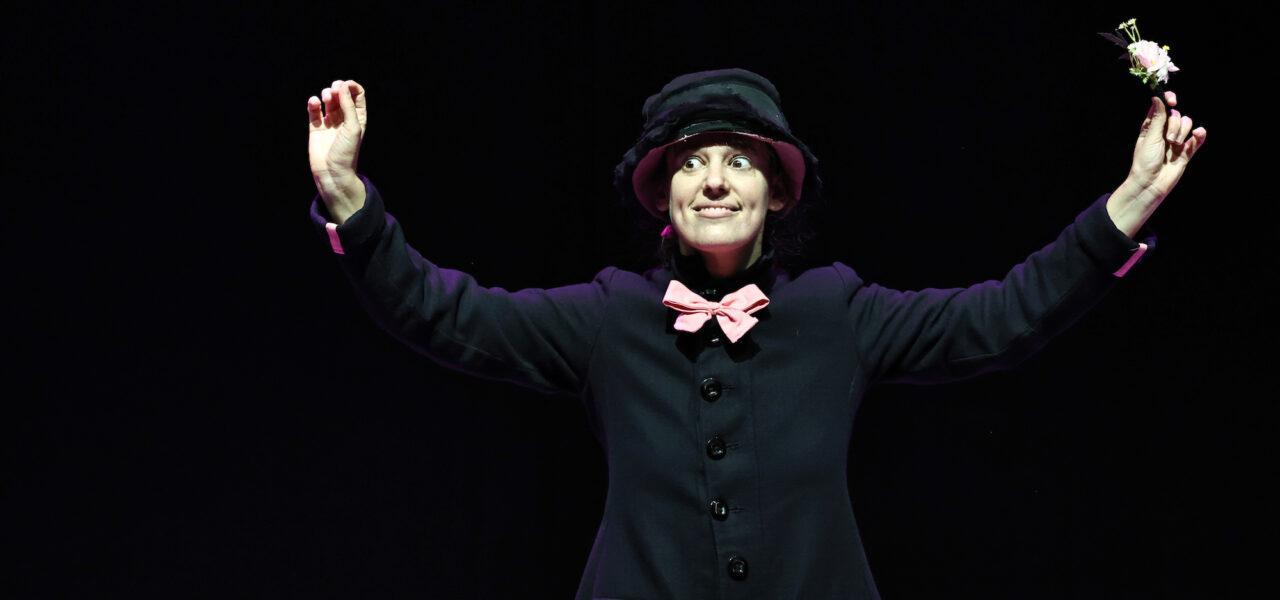
Popalinda in the Kingdom of Imagination is a dance-theater work for children, but first and foremost it is a work of the body. Adi Eytan as Popa and Shachar Dolinsky as Roberto, inspired by Mary Poppins and Bert (a wink also to the parents’ generation), create movement work that both children and adults can enjoy.Read more