
מחוזות הכמעט: מחשבות של ג׳ני בירגר בעקבות הצפייה ב’המתלמדת’ של רועי אסף
*English follows
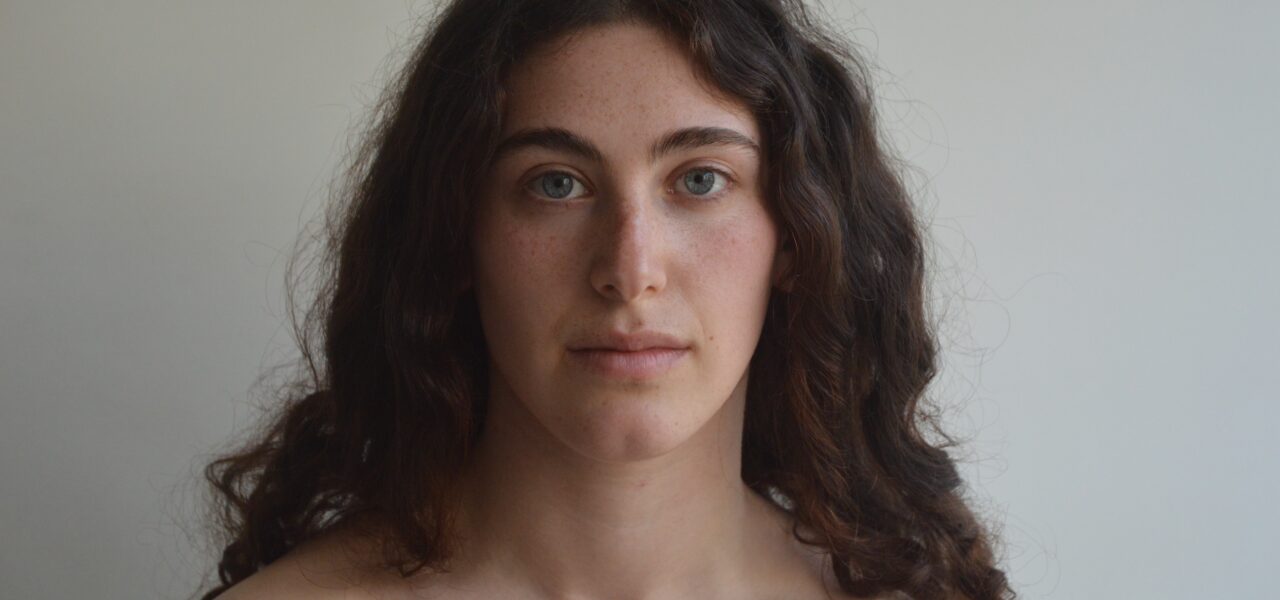
*Photo by Aya Assaf
כשנכנסנו לאולם ירון ירושלמי, אישה שישבה מאחוריי פנתה לגבר שלצידה:
“זו הפעם הראשונה שלך במופע מחול?”
“כן”, הוא ענה.
היא המשיכה “וואו. מחול זה דבר מוזר.”
לא יכולתי לבקש הקדמה טובה יותר למה שעמד להתרחש. חילופי הדברים הקצרים והמקריים האלה פתחו חלון אל אחת השאלות שנמצאות בלב “המתלמדת” של רועי אסף: מהו הדבר המוזר הזה שאנחנו קוראים לו מחול? על מה בעצם אנחנו מסתכלים כשגוף נע מולנו? ומה אנחנו מדמיינים שאנחנו יודעים על האדם שבתוך הגוף הזה?
זה היה כמעט מושלם מדי, כאילו הכוריאוגרף שתל אותה שם.
הבמה היא קופסה שחורה, כמעט ריקה. כיסא, דלי, סטנד של מיקרופון. מרכז הבמה מואר, וסיאה סיון, המתלמדת שבשם היצירה, נעה בקווי המתאר של התאורה, כנזהרת לא להכניס את גופה כולו אל תוך אלומת האור הבוהקת. הרגעים הנדירים בהם היא מוארת הם ליד עמדת המיקרופון. היא מתקרבת אליו, קדה בטקסיות, שוב ושוב, בזמן שאנחנו שומעים את קולה המוקלט שחושף בהדרגה עוד ועוד מעולמה הפנימי כמתלמדת בלהקה של רועי אסף.
משחק האור והצל משקף באופן מדויק את ההוויה של להיות מתלמדת: כבר בפנים, אבל לא לגמרי חלק ממשהו. מכירה את העבודה, נושאת אותה בגוף, אבל עדיין לא מחזיקה לגמרי במקום משלה בתוכה. זה מזכיר לי מצבים אחרים, כמו הגירה ואת הזרות שמגיעה איתה, את החוויה של להיות במקום בלי להרגיש שייכת.
“המתלמדת” מציגה את עצמה כסוג של מחקר על “כמעט להיות”. אבל הנוכחות של הרקדנית חורגת הרבה מעבר לכמעט. היא נוכחת לחלוטין, באופן שאי אפשר להתכחש אליו. הווירטואוזיות שלה, הנעורים והכריזמה מרגישים מקצועיים לגמרי, גם אם היא “רק” מתלמדת.
כפי שהיא מספרת לנו בקולה המוקלט, מתלמדת צריכה לדעת את התפקידים של כולם ולהיות מסוגלת לבצע אותם טוב יותר מרקדני הלהקה. אסף לוקח חומרים מיצירות קודמות, מפרק אותם ומניח אותם על גופה. דרך סיאה אנחנו פוגשים רקדנית אחרי רקדנית, כשגוף אחד הופך לרבים. זהו מנגנון תיאטרוני יפהפה, והוא מעלה שאלות. מה זה אומר להכיר את התפקיד של רקדנית אחרת באופן כל כך מוחלט, עד שאת יכולה להחליף אותה? מתי חיקוי הופך להתגלמות? מה נשאר מהרקדנית המקורית כשהתנועה שלה עוברת לגוף אחר? ואיפה, בין כל המחוות המושאלות האלה, נמצאת סיאה?
אולי זה הפרדוקס של המתלמדת. התפקיד שלה הוא להיעלם בתוך התפקידים של אחרים, אבל הנוכחות שלה הופכת את ההיעלמות לבלתי אפשרית.
הקול מסבך את הדברים עוד יותר. חלק גדול מהטקסט של סיאה מוקלט מראש ואני תוהה למה. האם קשה מדי לדבר ולרקוד בו זמנית? האם דיבור חי היה חשוף מדי? באופן מוזר, דווקא ההקלטה הרגישה לי חשופה יותר. יכולתי לשמוע את החספוס של הקול שלה, משהו אינטימי במרקם שלו, שנעדר בקולה החי והמתנשם.
בהמשך היא מדברת בקולה החי, ושאלה נוספת עולה. למה לא הכול היה חי? האם גם הקושי הזה הוא חלק מלהיות מתלמדת? האם הקול המוקלט הוא עוד סוג של תחליף, כפי שהגוף שלה מחליף את גופם של הרקדנים האחרים? אז איפה המקור?
כמה רקדנים סיאה כבר גילמה? חמישה? שישה? שבעה? אני מאבדת את הספירה. המעברים מרשימים, אבל אני מתחילה לתהות מה קורה ברגע שאני כבר מבינה את המנגנון. לאן הוא יכול לקחת אותי מכאן? האם החזרתיות מעמיקה אותו, או הופכת אותו ללופ? ואם אני מרגישה לכודה בתוך הלופ הזה, אולי גם זה חלק ממה שהיצירה עושה?
אני מתחילה להתגעגע לשקט, לרגע שבו סיאה פשוט תעמוד. לרגע שבו לא התנועה ולא הדיבור צריכים למלא את החלל.
“המתלמדת” גרמה לי לחשוב באופן בלתי נמנע על “ורוניק דואנו” של ז’רום בל. אני נזכרת באופן ספציפי ברגע יפהפה ביצירה שבו דואנו מדגימה קטע מתוך “אגם הברבורים”. אנחנו מצפים לראות אותה רוקדת, אבל מכיוון שהריקוד בחלק הזה של הבאלט מבוצע ברובו על ידי רקדניות האטואל (סולניות וכוכבות של להקת הבאלט), היא נשארת במקומה ומחזיקה את התנוחה דקות ארוכות. כמעט שום דבר לא קורה. ובתוך הכמעט כלום הזה, אנחנו מרגישים כל כך הרבה.
במקום שבו “ורוניק דואנו” יוצרת מרחב, “המתלמדת” מעניקה לנו שפע, שלעיתים הרגיש לי מוגזם ומציף. עוד ועוד תנועות יפות, מבוצעות באופן וירטואוזי והדיבור הנלווה להן, המשלב הגיגים, רפרפנסים לא.נשים מעולם המחול הישראלי ולא רק, רפרפנסים לרקדניות הלהקה ה”אמיתיות”, להן היא מאחלת רק בריאות (אך גם לא תבכה אם אחת תקרע את המיניסקוס, מה שיפתח את הדלת עבורה). לאורך הדרך, חיכיתי לפגוש את ה”כמעט”, אך הביצוע של סיאה הוא ביצוע מושלם, לראות עיני. ואז נפל לי האסימון: הכמעט שוכן בחוויה הפנימית של הרקדנית, אותה אנחנו זוכים להכיר מקרוב דרך מילותיה. אף גופה נוכח באופן מלא ומרשים, ולמי נאמין? לשפה או למחווה?
זוהי יצירה עם פסגה מאד ברורה בסוף, כשהדרך אליה הרגישה כמו טיפוס על הר באופן מטאפורי. לא אתאר את הנוף של הפסגה כי היא טומנת בחובה הפתעה אמיתית, עוצמתית וחגיגית שהשאירה אותי בחוויית היי שעות ארוכות. אך בדרך לשם רציתי לפעמים לעצור, להסתכל מסביב, לנשום קצת אוויר הרים טהור. מחול הוא אכן נוף מוזר, אבל עשיר וכל כך יפה. לכו לראות בעצמכם.
רועי אסף הציג את ׳המתלמדת׳ ב31.7.2026 בפסטיבל תל אביב דאנס של מרכז סוזן דלל.
The Landscape of Almost
Jenny Birger’s Thoughts on “The Apprentice” by Roy Asssaf
As we entered the Yaron Yerushalmi Hall, a woman sitting behind me turned to the man beside her.
“Is this your first dance performance?” she asked.
“Yes,” he said.
She smiled. “Wow. Dance is a weird thing.”
I couldn’t have asked for a better introduction to what was about to unfold. That brief, accidental exchange opened a window onto one of the questions at the heart of Roy Assaf’s The Apprentice: what is this strange thing we call dance? What exactly are we watching when a body moves in front of us? And what do we imagine we know about the person inside that body?
It felt almost too perfect, as though the choreographer had planted her there.
The stage is a black box, almost empty. A chair, a bucket, a microphone stand. The central spotlight carves the space into distinct territories, and Sia Sivan, the apprentice of the title, moves around them, careful never to let her whole body enter the bright spotlight. The rare moments in which she is fully illuminated take place beside the microphone stand. She approaches it, bows ceremonially, again and again, while we hear her recorded voice gradually revealing more and more about her inner world as an apprentice in Roy Assaf’s company.
The interplay of light and shadow reflects the condition of apprenticeship with remarkable precision: already inside, but not entirely part of something. Knowing the work, carrying it in the body, yet not fully occupying a place of one’s own within it. It reminds me of other states of being: immigrants, strangers, anyone who finds themselves somewhere without quite experiencing a sense of belonging, if such a thing even exists.
The Apprentice presents itself as a kind of research into “almost being.” But Sia’s presence goes far beyond almost. She simply is, in the fullest sense of the word. Completely, undeniably present. Her virtuosity, youth and charisma all feel deeply professional, even though she is “only” an apprentice.
As she tells us in the voiceover, an apprentice has to know everyone’s roles and be able to perform them better than the company dancers. Assaf takes material from previous works, disassembles it and places it on her body. Through Sia we encounter dancer after dancer. One body becomes many.
It is a beautiful theatrical mechanism, and it raises questions. What does it mean to know another dancer’s role so completely that you can replace them? When does imitation become embodiment? What remains of the original dancer when the movement enters another body? And where, among all these borrowed gestures, is Sia?
Perhaps this is the paradox of the apprentice. Her job is to disappear into other people’s roles, but her presence makes disappearing impossible.
The voice complicates things further. Much of Sia’s text is prerecorded. I found myself wondering why. Is speaking and dancing at the same time simply too demanding? Would speaking live feel too exposed? Strangely, it was the recording that felt more vulnerable. I could hear the grain of her voice, something intimate in its texture that seemed absent from her live talking.
Later she speaks live, and another question appears. Why wasn’t it all live? Is this difficulty part of apprenticeship too? Is the recorded voice another substitute, just as her body substitutes for the bodies of the other dancers? Where, then, is the original?
At some point I notice another voice entering the room. Mine.
How many dancers has Sia already embodied? Five? Six? Seven? I lose count. The transformations are impressive, but I begin to wonder what happens once I understand the mechanism. Where can it take me now? Does repetition deepen it, or does it turn it into a loop? And if I feel caught in that loop, might that itself be part of what the work is doing?
I begin longing for silence, for Sia to stand still. For a moment in which neither movement nor speech needs to fill the space.
The Apprentice inevitably made me think of Jérôme Bel’s Véronique Doisneau. I kept returning to one particular moment in which Doisneau demonstrates a passage from Swan Lake. We expect her to dance, but because that section belongs almost entirely to the étoiles, she simply remains in position, holding the pose for what feels like a very long time. Almost nothing happens. And within that almost nothing, we feel so much.
Where Véronique Doisneau creates space, The Apprentice gives us abundance, at times more than I could fully absorb. More beautiful movement, performed with astonishing virtuosity, accompanied by a stream of thoughts, references to figures from the Israeli dance world and beyond, and affectionate remarks about the “real” company dancers, to whom she wishes only good health, while admitting she would not exactly cry if one of them happened to tear a meniscus and leave the door open for her.
I kept waiting to encounter the “almost.” Yet everything I saw in Sia’s performance seemed complete. Then something clicked. Perhaps the “almost” does not reside in the dancing at all, but in the dancer’s inner experience, which we come to know through her words. Her body is fully present, confident and accomplished. So whom do we believe, the language or the body?
The work has a very clear summit at its end, and the journey toward it felt, metaphorically, like climbing a mountain. I won’t describe the view from the top because it holds a genuine surprise, one that is powerful, celebratory, and left me exhilarated for hours afterward. On the way there, however, I sometimes wanted to stop. To look around. To breathe in the clear mountain air.
Dance is indeed a strange landscape, but a rich and beautiful one. Go and see for yourself.
Roy Assaf presented ‘The Apprentice’ on July 31, 2026 as part of the Suzanne Dellal Centre’s Tel Aviv Dance Festival.
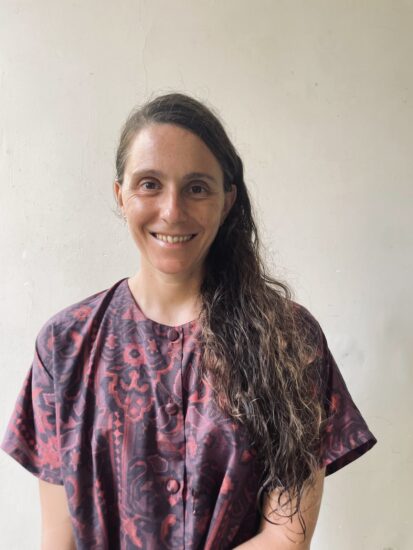
ג’ני בירגר
ילידת אוקראינה, היא אמנית רב־תחומית, פרפורמרית ומורה, המתגוררת בתל אביב. יצירתה עוסקת במפגש שבין תנועה, שפה ויצירה כוריאוגרפית בזמן אמת. היא מלמדת בתוכנית “קהילה בתנועה” לאנשים החיים עם פרקינסון, וכן יוגה ופילאטיס באופן פרטי.
Jenny Birger
Born in Ukraine and based in Tel Aviv, Jenny Birger is a multidisciplinary artist, performer, and teacher. Her work explores movement, language, and real-time choreographic creation. She teaches in the Movement Communities program for people living with Parkinson’s disease, as well as yoga and Pilates.