

…each choreographer speaks a distinct language. We often call this “movement language,” but it extends beyond steps to every choice a work contains: dancers, music, costumes, composition, props, design. Together, these elements form a syntax, a way of speaking.
And while in life I have only one mother, in dance I have had many mothers and fathers. These are the artists whose work shaped my understanding of what the stage is and what a performative act can hold. The ones who influenced how I “speak” today were those who allowed me to walk through their creative worlds, absorbing fragments of vocabulary along the way.Read more
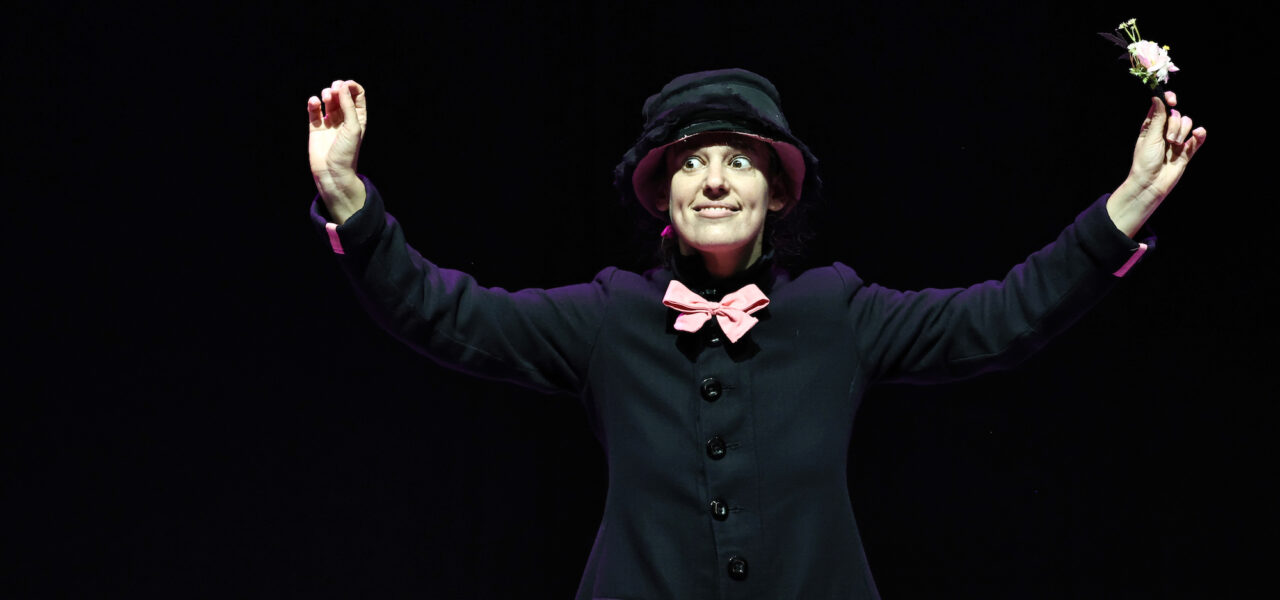
Popalinda in the Kingdom of Imagination is a dance-theater work for children, but first and foremost it is a work of the body. Adi Eytan as Popa and Shachar Dolinsky as Roberto, inspired by Mary Poppins and Bert (a wink also to the parents’ generation), create movement work that both children and adults can enjoy.Read more
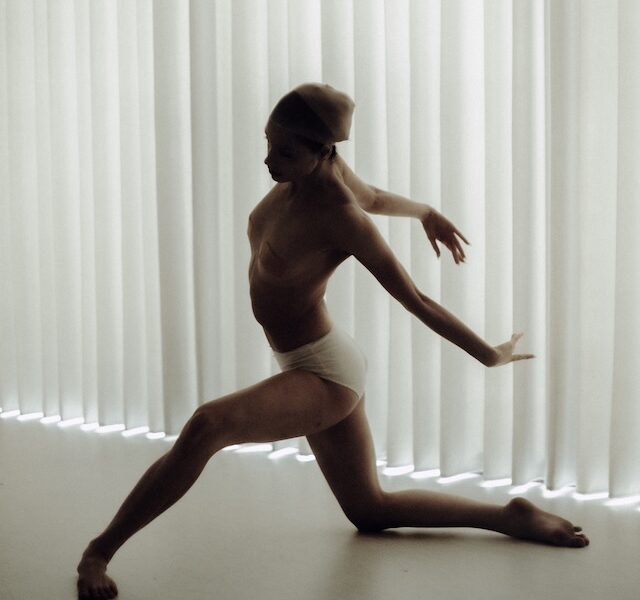
Each costume piece removed reveals not only Sirkis’ body but a transformation. A new character. A reference. A provocation. A version of how a body might be read.
She is not undressing.
She is multiplying.Read more

It is a physical theatre piece rich in imagery, with precise and flawlessly crafted scenography, and dramaturgy that sustains attention throughout. We encounter many characters, among them the problematic student in a fitness group who understands the exercise only once it is over, the sturdy weightlifter who surprises at the crucial moment, the samurai who stops time and crumbles bricks into particles, and the pole vaulter who manages to jump high, though it requires massive teamwork. The actors’ ability to precisely execute failure turns the performance into a continuous experience of laughter. Adults burst out laughing, children were giggling non-stop.Read more

Often it’s hard for her and Daniela to say goodbye after spending a full, fun Saturday together. At the end there’s always drama and tears; they don’t want to go home. They say they’re sisters. When they were younger, they used to say “sisterses.”
Daniela and Yaara are both only children. Alona is also an only child, and you feel her struggle as an only child facing the world, changing moods during the show, and the voice of the tree asking her to give up the leaf she considers as hers.
Next time, we mothers can remind them of that moment in the show. Not so there will be less drama, but maybe the memory of Alona parting from the leaf will help them see separation a bit differently.Read more
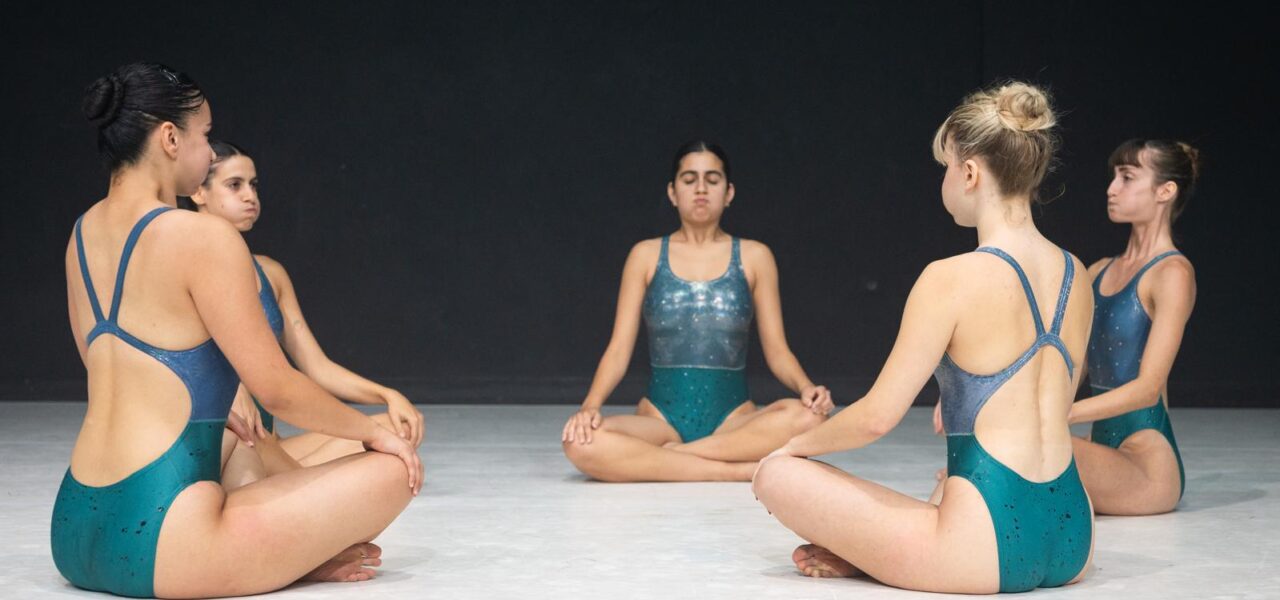
The greatness of a personal work, in my eyes, lies in its ability to touch even those who are far from its direct contexts. Podium does this wisely, and invited me to examine my relationship with rules, with the constant search for the firm hand and for excellence that are paired together in my imagination.Read more
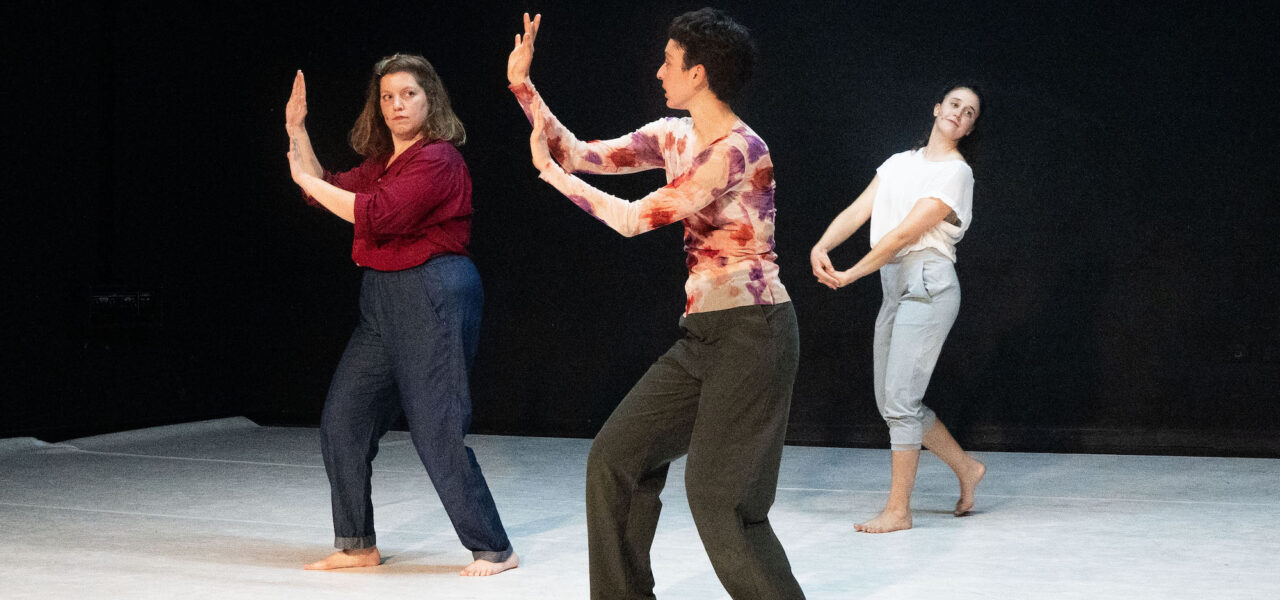
Throughout the work, the four performers repeatedly toy with the idea of transmuting thoughts into language; of expressing dance with words and vice versa; of making their inner and private dialects not only heard but understood by others — be it a dancer interpreting the choreographer’s score, a dancer reacting to a fellow dancer on stage or a dancer communicating her sensations and thoughts with the audience through words or movements.
Read more
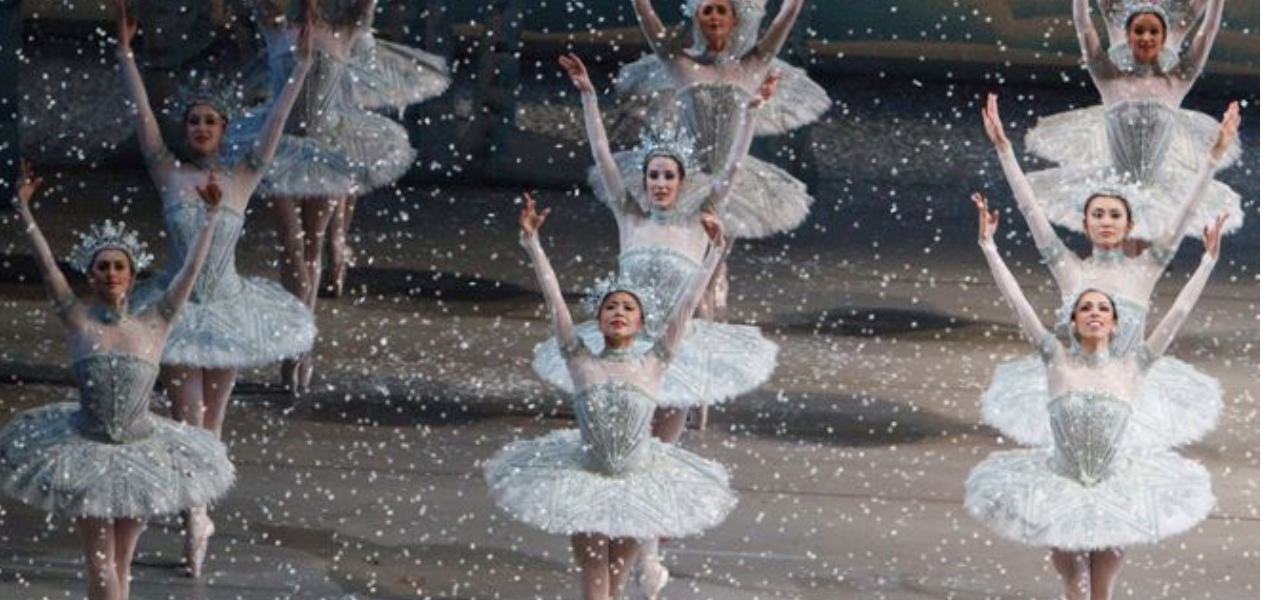
The casual, come-as-you-are approach may pry open elitist doors for audiences who would otherwise find the ballet too stuffy, but I wonder about the cost. When you can buy popcorn or cotton candy at intermission, does everything become one big circus? Have we excused ourselves from dressing up and behaving politely because it is easier not to? Just because it is hard for children to sit quietly through a show, does that mean they should not be required to? And when we let ourselves off these hooks, do we miss out on the magic of the experience or ruin it for others?Read more
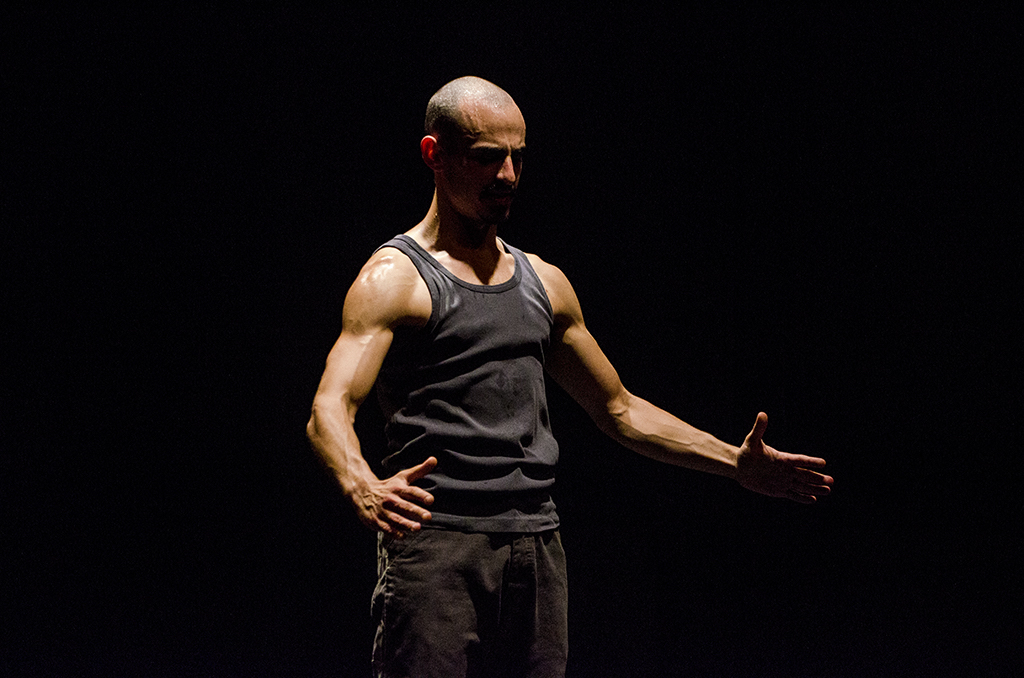
First Things by Michael Getman, performed with virtuosity by Ariel Gelbart, is a fascinating, deep, and multi-layered work. Fragments of textual and musical information meet a distilled choreography, and together they ask the most fundamental question: what is the human experience?Read more
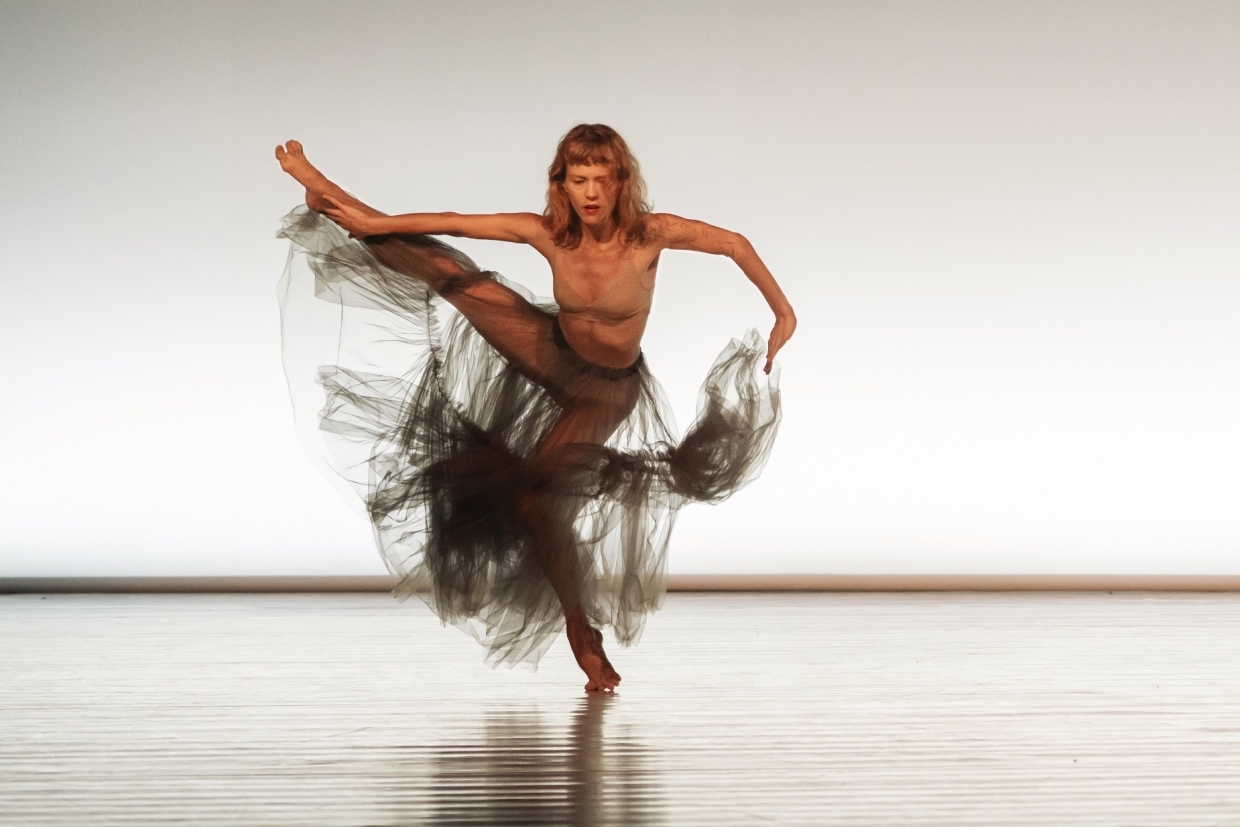
In a sense, this opening image encapsulates the work as a whole, with both its strengths and its shortcomings: NONA creates a highly precise and aesthetically refined world, within which an entire ensemble operates, yet in too many moments leans on a single standout soloist.Read more