
הגוף המוכפל – על שעתוק ושליטה ביצירה “מתח” של יעל וייס מאת ג׳ודי עדיני
*English follows
*צילום טל גלאון
המופע “מתח” מבוצע כטריו הכולל את יעל וייס כרקדנית וכוריאוגרפית, את נבו רביבו בתפקיד הצלם ומעצב ההקרנות, ואת עדן דולב בתפקיד מעצב התאורה. וייס נוכחת על הבמה לאורך המופע כולו, כשמרבית מהזמן היא נעה בעירום מלא. תנועתה מוכפלת בוידאו־פידבק ומוקרנת על הבמה, בשילוב כוריאוגרפיית תאורה. בשיתוף פעולה בין גוף מבצע למדיומים טכנולוגיים, וייס בוראת מופע שהוא בגדר שיר הלל – הן לגוף האנושי והן לטכנולוגיית האדם.
עם תחילת המופע נשמע כרוז ומודיע שהמופע מכיל עירום. ישנה בקשה מפורשת שלא לצלם. הבקשה הזו נדמית לטכנית, אולם היא מקבלת במופע זה משמעות רחבה יותר, שהרי מדובר במופע שמבוסס רובו ככולו על מבט המצלמה. ההנחייה הטכנית הזו כביכול, כמו אומרת – אם אתם מעוניינים לצפות במופע, עליכם לנכוח בו בגופכם. את הגוף שיוצג בפניכם לא תוכלו לתעד, לצלם, למסחר, לצפות בו בבית, לבחון מקרוב יותר.
וייס לבושה בשמלת פייטים, מסתירה את פניה. הצלם עוקב עם עדשה בתקריב גדול. ניתן להבחין במצלמה נוספת, ניצבת על חצובה במרכז השורה הקדמית. וייס פוסעת לכיוונה ונעמדת מול העדשה, אשר מתקרבת אל העין ואז אל השפתיים. כמה עוד ניתן להתקרב אליה? מדוע זולגת לה דמעה מהעין? נדמה שבנוכחותה היא כמו אומרת – אני אגלה לכם הכל, ולא תדעו עליי דבר.
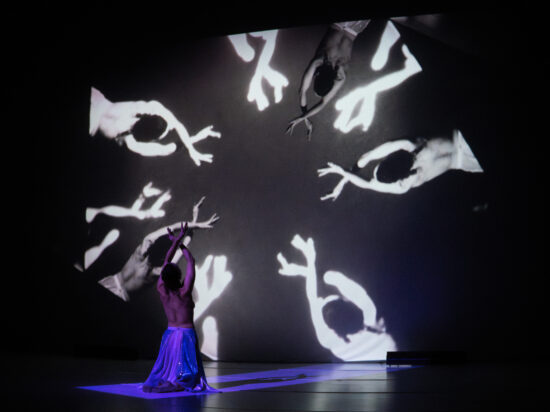 קטע נוסף מתחיל לצלילי “היפהפייה הנרדמת”, יצירה קאנונית שמעלה מיד בדמיון במה המאוכלסת בלהקת בלט גדולה. וייס נעה בתנועה מיומנת, מהוקצעת, בטונוס שריר גבוה. ניכר שתצורת המחול הקלאסי מוכרת היטב לגופה המלומד. אלא שכעת וייס נותרת הרקדנית היחידה על הבמה. במקום מחוך צמוד היא מותירה את פלג גופה העליון חשוף לגמרי. את חצאית הטוטו היא מחליפה בבד נשפך. דמותה מצולמת ומוקרנת פי כמה וכמה מגודלה. ההקרנה מוכפלת. על הבמה רוקדת אישה אחת, קטנת מימדים, בגופה הממשי, המהפנט, הזמני והחולף. מאחוריה מופיעה להקה שלמה של דמויות זהות. ההקרנה מבוצעת בדיליי וכך נוצר קאנון. במקום קור דה בלט או אנסמבל רקדנים משוכלל, מופיעה הרקדנית דרך עשרות שכפוליה. מנגנון ההצטברות המכני מייצר במה שופעת בתנועה.
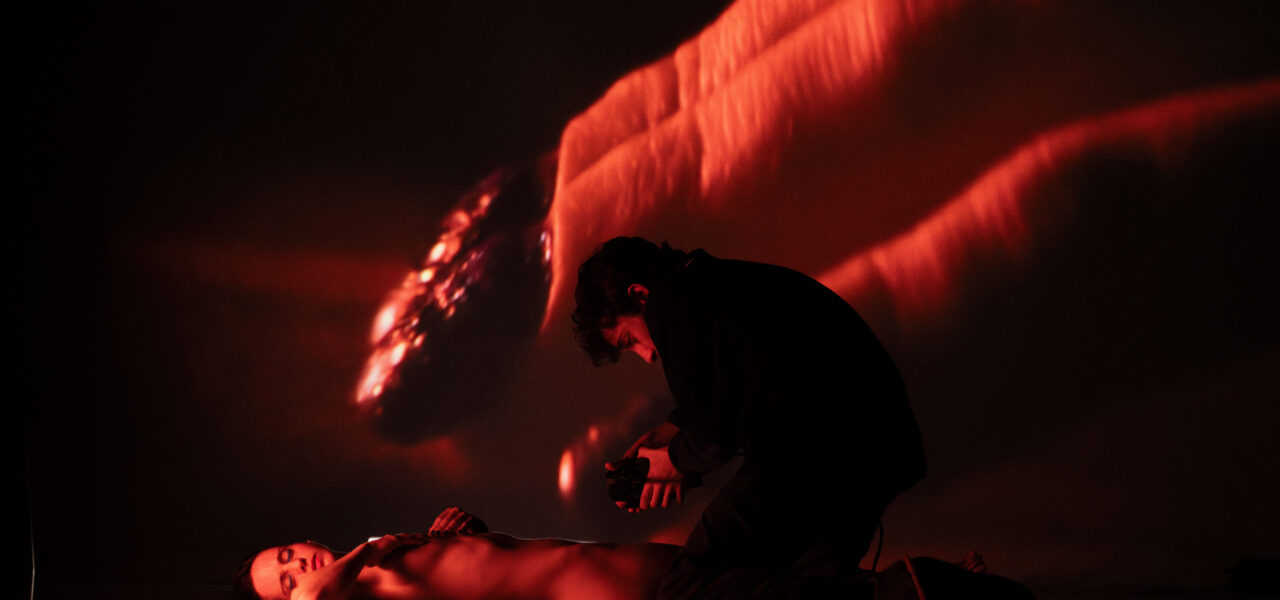
לקראת אמצע המופע, וייס שכובה על הבמה ללא ניע. הבמה מוארת בגווני אש, המצלמה עוקבת מקרוב אחר גופה. על המסך ניתן לראות את צלעות בית החזה שלה, את ציפורניה, את העיפרון הכחול שמעטר את עיניה. הצלם עוקב באיטיות עם עדשתו, והתצלום מוקרן על הקיר המרכזי.
הודות להקרנה על המסך הגדול, ניתן לראות עד כמה הגוף השוכב והסטטי כביכול מלא חיים – רעידות מזעריות, תנודות נשימה. וייס מדגימה כיצד הריקוד נמשך גם בעת הזו, ומעניקה לנו את האפשרות להביט מקרוב בגוף שנמצא, אולי, בקיפאון. קשה שלא לחשוב על דבריה של לורה מאלווי אודות המבט הגברי ומיסגור הדמויות הנשיות כאובייקט לתשוקה בלבד. וייס מייצרת לאורך המופע סיטואציות רבות בה הסקופופיליה – הנאה מצפייה, והפעילות המציצנית, עליהן כתבה מאלווי, באות לידי ביטוי.
מכאן קורית תנועה חדשה – המצלמה עוברת לידיהּ של וייס. תחלופת המצלמה כמעט נשכחת מהעין. מעשה זה מחזיר את החץ לצופה, כאשר הוא עשוי לתהות – עד כמה אני, כאחד מיושבי הקהל, נהנה להסתכל מקרוב? לאן הייתי אני מכוונת את המצלמה לו הייתה בידי, והאם אלך שולל אחר תנועת המצלמה, או אעז בשעת הצורך להסיט את המבט?
התאורה מתחלפת ונשמעת “הרפסודיה הבוהמית”, קווין. הקלטה מהופעה חיה, כפי הנראה באצטדיון ענק – הקהל הרחוק מריע ושואג לחברי הלהקה. וייס מכניסה למרכז הבמה מזרון זוגי, מנצנץ כולו. נדמה שהשמלה מתחילת המופע מכסה כעת את המזרון והפייטים מהבהבים ברחבי האולם. וייס מקיימת כוריאוגרפיית מיטה מרשימה שכוללת קפיצות, הקשתות עמוקות לאחור, רכינות קדימה. ברגע מסוים הריקוד מוכפל על ידי המצלמה וכך מגיע לשיא חדש. הפרטיטורה הכוריאוגרפית שוייס מייצרת נדמית לקיום יחסי מין אנושיים וחייתיים. מה שלרוב נעשה בזוג, וייס מקיימת לבדה, או בעצם – עם אינספור בבואותיה, הפנסים והאורות. וייס מנסה לעלות אל הנשגב האמנותי – דרך פעולה ספק פורנוגרפית, ומצליחה לעשות כן. הכפלת התנועה המוכרת מרוקנת אותה מהמשמעות התרבותית. ההקרנה שוטפת את הבמה ותובעת מהצופה מבט מהופנט.
יצירתה של וייס מעלה שאלות מהותיות באשר לאמנות המופע החי, ביניהן – עד כמה אפשר להתקרב לפרפורמרית? מה ניתן לדעת עליה? מי מכתיב את המבט? יותר מאשר הצופה מביט בגופה של וייס, הוא מביט בהשתקפותה המוכפלת או המוגדלת. הדימוי על המסך מושך את העין. כאשר הוא מופיע, יחסי הכוחות ברורים – וייס המצולמת גדולה וחזקה מוייס האמיתית. מתח זה מערער על תפיסת האותנטיות של הגוף ומציג את הסובייקט הבימתי כמי שמתקיים תמיד בתווך שבין הממשי למיוצג. וייס לא נחלצת מהאנונימיות שלה. אנו כקהל יכולות לאסוף מידע אודות ניסיונה מצפייה בחכמת גופה. אולי בכך נלמד על תחנות הדרך המחוליות בהן עברה, למשל. יתרה מכך ישאר בגדר סוד ותעלומה.
ומה באשר לשאר הגופים – ברגע שהמצלמה משכפלת ומעצימה את התנועה, האם נזדקק עוד לגופים מבצעים או שנוכל להעלימם מהבמה ולייצר שכפולים והמצאות נוספות שיספקו את דרישות הצופה? האפשרויות לשכפול וליצירת אפקטים משוכללים מתעדכנות ללא הרף, וסביר שימשיכו להתפתח בדרכים שקשה לנו לדמיין כיום. נוכחותם של אמצעים אלו אכן מאתגרת את ההבחנה שבין נוכחות גופנית חיה לשעתוק, ומעלים את החשש – האם הטכנולוגיה עשויה לייתר את הגוף החי על הבמה? ואולי את הגוף החי בכלל? אלא שוייס היא זו שמחוללת את המופע. גופה הוא זה שמוכפל ומוקרן. המצלמה הייתה צריכה לעקוב אחר הגוף הספציפי הזה – על ניסיונותיו, תשוקותיו ומכאוביו, על מנת לחולל את ערכו הייחודי, חד־פעמי, של המופע “מתח”.
יעל וייס הציגה את ׳מתח׳ ב2.9.2026 בתאטרון הבית.
The Multiplied Body – On Reproduction and Control in ‘Tension’ by Yael Weiss
By Judy Adini
Tension is performed as a trio featuring Yael Weiss as dancer and choreographer, Nevo Revivo as cameraman and projection designer, and Eden Dolev as lighting designer. Weiss is present onstage throughout the performance, moving fully nude for much of it. Her movement is multiplied through video feedback and projected onto the stage, alongside a choreography of light. Through the collaboration between the performing body and technological media, Weiss creates a work that is something of a hymn, to both the human body and human technology.
At the beginning of the performance, an announcement informs the audience that the work contains nudity. There is an explicit request not to take photographs. The request may seem technical, but in this performance it takes on a broader significance, given that the work is based almost entirely on the camera’s gaze. This ostensibly technical instruction seems to say: if you wish to watch the performance, you must be physically present. The body presented before you cannot be documented, photographed, commodified, watched at home, or examined more closely.
Weiss wears a sequined dress, concealing her face. The cameraman follows her through the lens in extreme close-up. Another camera can be seen mounted on a tripod in the middle of the front row. Weiss walks toward it and stands before the lens, which moves in toward her eye and then her lips. How much closer can we get to her? Why is a tear running from her eye? Her presence seems to say: I will reveal everything to you, and you will know nothing about me.
Another section begins to the music of Sleeping Beauty, a canonical work that immediately conjures an image of a stage populated by a large ballet company. Weiss moves with skill and precision, her muscles held in a high degree of tension. It is evident that the forms of classical dance are deeply familiar to her trained body. But now Weiss remains the only dancer onstage. In place of a fitted bodice, she leaves her upper body completely bare. She replaces the tutu with flowing fabric. Her image is filmed and projected at many times its actual size. The projection is multiplied. Onstage, a single, small woman dances in her real, mesmerizing, temporary and transient body. Behind her appears an entire company of identical figures. The projection is delayed, creating a canon. Instead of a corps de ballet or an elaborate ensemble of dancers, the dancer appears through dozens of reproductions of herself. This mechanical accumulation fills the stage with movement.
Around the middle of the performance, Weiss lies motionless onstage. The stage is illuminated in shades of fire as the camera closely follows her body. Onscreen, we can see the ribs of her chest, her fingernails, the blue pencil lining her eyes. The cameraman slowly traces her with his lens, and the image is projected onto the central wall.
Thanks to the large-scale projection, we can see just how full of life this seemingly static, reclining body is, minute tremors, the movement of breath. Weiss demonstrates how dance continues even here, allowing us to look closely at a body that is, perhaps, in a state of suspension. It is difficult not to think of Laura Mulvey’s writing on the male gaze and the framing of female figures as objects of desire. Throughout the performance, Weiss creates numerous situations in which scopophilia, the pleasure of looking, and the voyeuristic activity about which Mulvey wrote come into play.
From here, a new movement occurs: the camera passes into Weiss’s hands. The transfer is almost imperceptible. This gesture turns the gaze back toward the spectator, who may begin to wonder: how much do I, as a member of the audience, enjoy looking this closely? Where would I point the camera if it were in my hands? Will I allow myself to be led by the camera’s movement, or will I dare, when necessary, to look away?
The lighting changes and Queen’s “Bohemian Rhapsody” begins to play. It is a recording of a live performance, apparently in a vast stadium. The distant audience cheers and roars for the band. Weiss brings a glittering double mattress to the center of the stage. The dress from the beginning of the performance now seems to cover the mattress, its sequins flashing throughout the space. Weiss performs an impressive bed choreography that includes jumps, deep backward arches and forward bends. At a certain point, the dance is multiplied by the camera, reaching a new climax. The choreographic score Weiss creates evokes both human and animalistic sex. What is usually done by two, Weiss performs alone, or rather, with her countless reflections, the spotlights and the lights. Weiss attempts to reach the artistic sublime through an action that borders on the pornographic, and succeeds. The multiplication of the familiar movement empties it of its cultural meaning. The projection floods the stage, demanding the spectator’s mesmerized gaze.
Weiss’s work raises fundamental questions about live performance, among them: how close can we come to the performer? What can we know about her? Who dictates the gaze? More than the spectator looks at Weiss’s body, they look at its multiplied or enlarged reflection. The image on the screen draws the eye. When it appears, the power relations are clear: the filmed Weiss is larger and more powerful than the real Weiss. This tension destabilizes our perception of the body’s authenticity and presents the performing subject as existing continually in the space between the real and the represented. Weiss does not relinquish her anonymity. As an audience, we can gather information about her experience by observing the intelligence of her body. Perhaps, for example, we can discern something of the stages of her journey through dance. Beyond that, she remains a secret and a mystery.
And what of all the other bodies? Once the camera can multiply and amplify movement, will we still need performing bodies, or will we be able to make them disappear from the stage, producing further reproductions and inventions to satisfy the spectator’s demands? The possibilities for multiplication and the creation of sophisticated effects are constantly changing, and will likely continue to develop in ways that are difficult for us to imagine today. The presence of these technologies challenges the distinction between live bodily presence and reproduction, raising an unsettling question: might technology render the live body onstage unnecessary? Perhaps even the living body altogether?
And yet, it is Weiss who generates the performance. It is her body that is multiplied and projected. The camera had to follow this particular body, with its experiences, desires and pains, in order to generate the singular, unrepeatable value of Tension.
Yael Weiss presented ‘Tension’ at Habait Theatre on September 2, 2026.
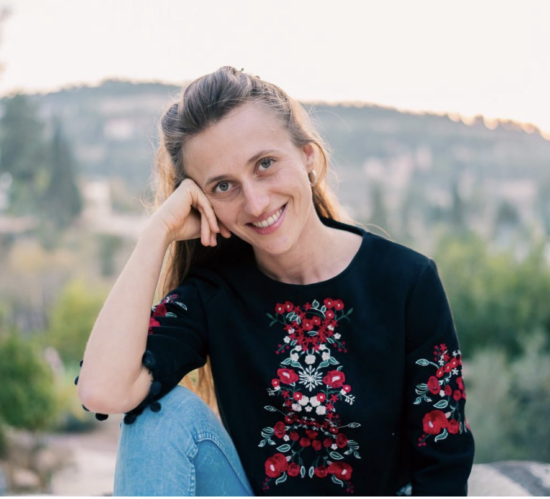 ג’ודי עדיני, סופרת, עורכת, מלווה תהליכי יצירה ומנחת סדנאות כתיבה. מורה ומתרגלת קונטקט אימפרוביזציה. בוגרת ביה”ס לתיאטרון חזותי. בוגרת BA בחוג לתיאטרון והתכנית הרב־תחומית במדעי הרוח באונ’ העברית. תלמידת MA בחוג לספרות כללית והשוואתית באונ’ העברית. מחברת הספר “בית גידול” (פרוזה) בהוצאת ‘תשע נשמות’. זוכת מקום ראשון בפרס ע”ש זולטן ארניי לכתיבה יוצרת 2026.
Judy Adini is a writer, editor, creative process mentor, and writing workshop facilitator. She teaches and practices contact improvisation. She is a graduate of the School of Visual Theatre and holds a BA in Theatre and the Multidisciplinary Program in the Humanities from the Hebrew University of Jerusalem. She is currently pursuing an MA in General and Comparative Literature at the Hebrew University of Jerusalem. She is the author of Habitat (prose), published by Nine Lives Press, and the 2026 first-place recipient of the Zoltan Arany Award for Creative Writing.