
התרשמות של יוליה פריידין מ”עשה זאת בעצמך”-מאת הלל קוגן ודניאל אגמי
*English follows
*Photos by Asya Skorik
בשנת 2011 כשהייתי תלמידה צעירה במכינה למחול בסמינר הקיבוצים, ותלמידה של כרמית בוריאן, הלכתי בפעם הראשונה לראות את הרמת מסך, את “תנועה מגונה” של הלל קוגן שבה כרמית הופיעה.
עד אז, לא ידעתי שאפשר לצחוק בהופעות מחול כל כך הרבה שהחיוך נשאר מרוח כל ההופעה.
הרגשתי שהגעתי לראות מחול והופעת סטנדאפ ביחד. הומור ומחול, זאת התרופה האולטימטיבית לגוף ולנפש.
שנים אחרי, המופע הזה השפיע על היצירה האישית שלי. מאז אני יודעת שבכל הופעה של הלל, אני הולכת לצחוק, וזה גם ידקור אותי בלב, כי אפגוש שם אמיתות על החיים, ואולי גם על עצמי.
הלל יודע לגעת דרך הומור, אירוניה וציניות, בנימים הקטנים של החיים, אלו שהם כמעט שקופים, אבל אם נתקרב אליהם ממש מקרוב, נראה עד כמה הם שבריריים וחשופים.
הסיפורים האישיים שנחשפים על הבמה, נוגעים באיזו אמת אבסולוטית של הקיום האנושי שכל אחת ואחד מאיתנו עסוק בה.
המופע “עשה זאת בעצמך” מחפש מהו המקור. השאלה כביכול הכי פשוטה שישאלו אותנו: מאיפה את.ה?
היא הכי מורכבת בעצם. מתי מתחילים את המקור הזה? האם זה מתחיל מהעיר שנולדנו בה? או האם שגדלנו בה בילדות? או העיר והמקום שאנחנו חיים בה עכשיו בהווה הנוכחי?
איך יודעים מהו המקור אם יש כמה מדינות שאנחנו חיות בה ויוצרות במקביל, כמו במקרה של דניאל.
מהיבשת שהגענו ממנה, הארץ, העיר, העדה, השפה? או הארץ שהגיעו ממנה האימהות והסבתות שלנו, והן העבירו לה את התרבות והשפה דרך הדנא שלנו.
ממה בעצם מורכב הדנא הזהותי הזה?
דניאל אגמי מציגה את עצמה מהמאקרו אל המיקרו.
כמו שמסתכלים בסרטים על כדור הארץ מהחלל, ולאט לאט, עושים זום אין למקום הגיאוגרפי שהיא נמצאת בו עכשיו.
היא מברכת אותנו לשלום בכמה שפות: עברית, אנגלית, צרפתית וערבית, ומציגה את עצמה בכל אחת מהן. הדקויות בין ההגייה, והמבטא השונה בכל שפה ניכר. כאן מתחילה “הבעיה”, של הגדרת הזהות הייחודית שלה.
היא ממקמת אותנו ובעיקר את עצמה. היכן היא נמצאת ומי היא.
היא ממקמת אותנו בעץ המשפחתי שלה, איפה הם ממוקמים בעולם, ואיך המשמעות של שם המשפחה שלה, אגמי, מתורגמת לאנגלית ונשמעת מצחיק: lake. ברגע הזה התחיל לטפטף ההומור הייחודי של הילל.
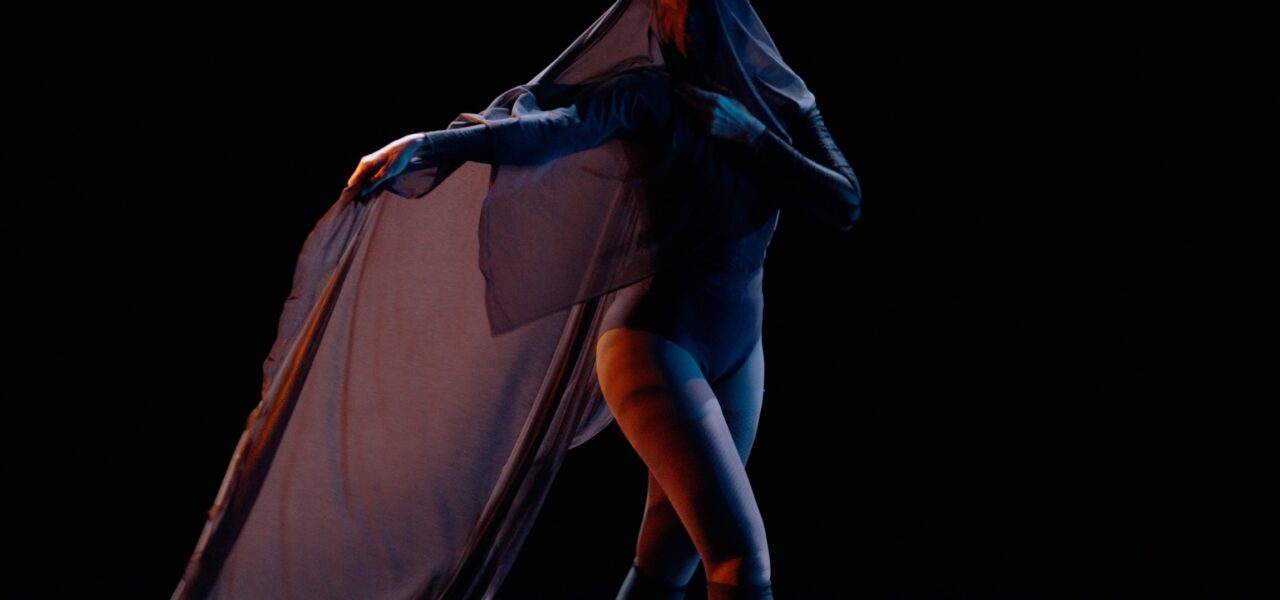
דניאל לבושה בבגד גוף שחור עם פסים שקופים וגרביון שחור. אחרי שהיא מסיימת להציג את עצמה, היא מתחילה לנוע. הנושא האימהות מעסיק אותה, או את הסביבה הקרובה שלה. בטח גם אליה, כמו לשאר הנשים חודרים לרחם ולשחלות עם השאלות: למה ומתי כבר ילדים? כמו שעושים לכל כך הרבה נשים, שהופכות לרחם ציבורי כשהן חיות בישראל.
לי המוכרת במכולת איחלה לידה קלה. הודעתי לה שאני בכלל לא בהריון.
מתחילה מוזיקה קצבית ודניאל רוקדת ריקודי בטן, שקשוקים, מסיבות, תנועות של מייקל ג’קסון. היא נכנסת לדמות ה-femme fatale. האישה המינית, המפתה, היצרית, השוקקת חיים.
היא מוציאה לעצמה שרפרף ויושבת עליו. האולם חשוך ויש עליה ספוט. היא נראית כמו בחדר חקירות של נמל תעופה שעצרו אותה על השגת גבול, או התחזות לזהות אחרת, בדויה. דרך האירוניה של הטקסט היא מנסה לפענח למי היא דומה, לאיזה מוצא היא שייכת. היא מספרת שכל אחד פונה אליה בשפה אחרת. לפעמים חושבים שהיא טורקייה, לפעמים מקולומביה, לפעמים שהיא תימנייה. היא מנסה לעשות סדר בביוגרפיה שלה ומה המקור שלה.
היא מחפשת ומציגה זהות, בונה כוריאוגרפיה דרך סדר שונה במשפט המסביר מאיפה היא, כמו לנסות לתמצת ביו בשביל הגשה כדי להסביר בכמה מילים או משפטים מי אנחנו- לפעמים זה מרגיש כמו משימה בלתי אפשרית. אני חושבת שריבוי הזהויות מאוד אופייני ליהודים שחיים בכל מיני מקומות בעולם, בייחוד ישראלים-יהודים. המושג של בית היא הגדרה מאוד נזילה ומורכבת להנגשה למי שהגיע ממקום אחד, גר במקום אחר ושמשפחתו חיה במקום שלישי. אנחנו כמו ייחורים. היכן ששותלים אותנו, אנחנו מתחילים להצמיח שם שורשים, להתמקם, וללבוש את הזהות המקומית עלינו, להתאים אותה לעולם.
אחת התמות ביצירה היא הביקורת של משפחתה של דניאל על הבחירות שלה, על החיים שלה, הזוגיות או דווקא החוסר זוגיות. אמה לוחצת על כל המקומות הרגישים, כמו שאמהות יודעות לעשות. הביקורת של אמה נוגעת בי עמוקות בגלל המקום החסר של אמא שלי בחיים שלי ושאלות שכבר לא תשאל אותי אף פעם.
דרך דיבור עצמי היא חושפת קולות שונים ומאבקים פנימיים שלה ושל אחרים על פוליטיקה, ואת הבחירה המושכלת של ישראלים למה כן כדאי לחיות בארץ וגם לגדל פה ילדים, למרות שיש מלחמה. זה גם מצחיק, גם עצוב וגם טראגי, וזה מתאר בדיוק את האירוניה של הקיום האנושי בארץ ואת המחשבות הפרטיות שלי, על התפקיד שאני עוטה כל פעם מחדש כשיש אזעקות ואני רצה למקלט. התפקיד הנכסף של :אמא בשעת מלחמה. יש סתירה כל כך גדולה ביכולת לחזור להתעסק בחיים היומיומיים שלנו, כאילו לפני רגע לא ניסו להשמיד אותנו עם טיל. הטקסט שהיא אומרת הוא גם דיאלוג בין יחסי אמא ובת לבין הקולות שלנו עם עצמנו, או שלנו מול דעות פוליטיות שונות של אנשים שחיים כאן בארץ.
ברגע שהיא מסיימת לדבר, היא מתחילה לרקוד. יש איזו היררכיה ברורה בין התנועה לדיבור. כל אחד מקבל במה משלו.
התאורה על הבמה מקרינה את הצל שלה על הקירות. הדמות שלה מכפילה את עצמה דרך הצל הגדול שמשתרע בכל צד של האולם. כל הקטע של הדיבור וכל הקטע של הריקוד עומדים כל אחד בפני עצמו. אני רואה תנועות של גוזל ציפור. המוסיקה נשמעת כמו קינה. אולי על מה שהיה ועל מה שכבר לא יהיה.
מה שאני מבינה מהעבודה, שהתשוקה שלה לזוז, לרקוד ולהיות על הבמה חזקה יותר מכל הקולות שבראש שלה, או הקולות של אמא שלה, או הקולות של הסביבה שלה, או של המורה שלה, שאמרה לה שהיא לא רקדנית. הבחירה שלה בריקוד היא הכוח שלה, והיא מתעלה מעל כל ההתחבטויות, ומעל כל השאלות האלה של זהות. לפניי שהפכתי לאמא, חשבתי שאני צריכה לבחור בין אימהות לבין התשוקה לריקוד, ודחיתי את האימהות, כי חשבתי שאח”כ, כבר לא אוכל להתמסר לתשוקה הזאת במלואה בגלל שהאימהות היא כל כך טוטאלית. כשראיתי את דניאל רוקדת, מתמסרת לגופה במלואה, נהנית ממנו, מקרינה ביטחון עצמי, ובעיקר שלמות עם הבחירה שלה.
לראות אותה זזה הזכיר לי את התשוקה הבלתי נדלית שהיתה לי כשהייתי יותר צעירה, ואני מתגעגעת להרגיש ככה. אני מניחה שעוצמת הטוטאליות פוחתת כשאת הופכת לאמא, אבל עדיין אפשרית ומקבלת צורה אחרת בגוף ששינה את צורתו ומהותו.
היא כל כך בטוחה בעצמה ובגוף שלה והיא מספרת לנו שאוהבת לאכול כל מה שלא בריא, מטוגן בשמן ופחמימות. היא זורקת את כל הסטריאוטיפים של מאכלים מזרחיים לאוויר, ומטיחה אותם אלינו בחזרה. היא מחליפה זהות כשהיא כורכת בד שחור שהופך לחצאית, ואז מסירה אותה. עכשיו היא נכנסת לנעליים של סבתא שלה, ששוכבת במיטה על ערש דווי, מכוסה בשמיכה בתנוחת מומיה, בבד הזה שמחליף תפקידים וזהויות לאורך העבודה.
הרגשתי שהעבודה הזאת היא על ניגודי אינטרסים בין הרצון והתשוקה להיות רקדנית ויוצרת, מול הצורך של העולם, אולי גם איזה צורך שעדיין לא לגמרי מוגדר לעצמה, להיות אמא. מצד אחד היא מממשת את עצמה דרך הגוף בתנועה, ביצירה, לראות עולם, ומצד שני, כמו שדניאל אמרה בשיחה אחריי המופע, היא תוהה מה היא תשאיר אחריה.
דניאל רקדנית פנומנלית, טוטאלית, מרגשת. ראיתי בתנועה שלה משהו אלוהי, מפעים, מהפנט, ובעיקר אותנטי. בסופו של דבר מתחת לכל רשימת המכולת של תכונות, עם שיוך של עדה ומקום גיאוגרפי, השיוך לשושלת נשים ספציפיים, יש אישה שבחרה לרקוד, כנגד כל הקולות שבפנים ובחוץ. היא רוקדת. הזכרון שלה נעה בתשוקה אינסופית, זה מה שישאר בזכרון שלי.
זה מה שהיא משאירה אחריה. שובל של ניצוץ אלוהי, כישרון, אמונה עצמית ואומץ.
הלל קוגן, דניאל אגמי Ate9 הציגו את ׳עשה זאת בעצמך׳ ב3.8.2026 כחלק מפסטיבל תל אביב דאנס של מרכז סוזן דלל.
Yulia Frydin’s impressions of Do It Yourself- a solo for Danielle Agami by Hillel Kogan
In 2011, when I was a young dance student in the preparatory program at Kibbutzim College and a student of Karmit Burian, I went to Curtain Up for the first time to see Hillel Kogan’s Indecent Movement, in which Karmit performed.
Until then, I didn’t know it was possible to laugh so much during a dance performance that the smile stayed plastered across your face the entire time.
I felt as though I had come to see both a dance performance and a stand up comedy show. Humor and dance are the ultimate medicine for body and soul.
Years later, that performance influenced my own creative work. Since then, I’ve known that whenever I go to see one of Hillel’s performances, I will laugh. But I also know it will pierce my heart because somewhere within it I will encounter truths about life and perhaps about myself.
Through humor, irony and cynicism, Hillel has a remarkable ability to touch the tiny details of life, the ones that are almost invisible. But if we look closely enough, we discover just how fragile and exposed they really are.
The personal stories that unfold on stage touch upon an almost universal truth about the human condition, something each and every one of us grapples with.
Do It Yourself searches for the idea of origin. It asks what seems like the simplest question anyone can ask us.
Where are you from?
In reality, it may be the most complicated question of all.
Where does our origin begin? Is it the city where we were born? The place where we grew up? The city we currently live in? How do we define our origin if we simultaneously live and create in several countries, as Danielle does?
Does it come from the continent we came from? The country, the city, our ethnicity, our language? Or perhaps from the countries our mothers and grandmothers came from, carrying their culture and language through our DNA?
What, in fact, makes up this DNA of identity?
Danielle Agami introduces herself by moving from the macro to the micro.
Like those cinematic shots of Earth from outer space that slowly zoom in until they arrive at the exact place where someone is standing.
She greets us in several languages, Hebrew, English, French and Arabic, and introduces herself in each one. The subtle differences in pronunciation and accent become immediately apparent. This is where the “problem” of defining her unique identity begins.
She situates us and above all herself. Where is she? Who is she?
She places us within her family tree, mapping where everyone belongs in the world. She even explains how her surname, Agami, translates into English as “Lake,” a moment where Hillel’s distinctive humor quietly begins to seep into the work.
Danielle is dressed in a black bodysuit with sheer stripes and black tights. Once she finishes introducing herself, she begins to move.
Motherhood is clearly something that occupies her mind, or at least the minds of those around her. Like so many women, people seem to feel entitled to invade her womb and ovaries with questions. Why don’t you have children yet? When are you going to have children?
This is what happens to so many women living in Israel, where their wombs somehow become public property.
The woman at my neighborhood grocery store once wished me an easy delivery.
I had to tell her I wasn’t pregnant.
Upbeat music begins and Danielle launches into belly dancing, shimmying, party dancing and flashes of Michael Jackson. She slips into the role of the femme fatale, the sensual, seductive woman brimming with life.
She brings out a stool and sits down. The theater goes dark except for a single spotlight. She looks as though she is being interrogated in an airport security room, detained for crossing a border or assuming a false identity. Through the irony of the text, she tries to figure out who she resembles and where she belongs. She tells us that strangers constantly address her in different languages. Some think she is Turkish, others Colombian, others Yemeni. She tries to untangle her own biography and locate her point of origin.
She searches for and performs identity, constructing choreography by continually rearranging the sentence that explains where she comes from. It reminds me of trying to condense a biography for a grant application, attempting to explain who we are in just a few sentences. Sometimes it feels like an impossible task.
I think this multiplicity of identities is particularly familiar to Jews living in different parts of the world, especially Israeli Jews. The idea of home is fluid and difficult to define for someone who was born in one place, grew up in another and whose family lives somewhere else entirely. We are like cuttings from a plant. Wherever we are planted, we begin to grow roots, settle in and gradually take on the identity of that place.
One of the themes in the work is the criticism Danielle receives from her family about her choices, her life, her relationships or rather the lack of them. Her mother presses on all the tender places, just as mothers know how to do. Her mother’s criticism affected me deeply because of the absence of my own mother and all the questions she will never ask me again.
Through a dialogue with herself, Danielle reveals conflicting voices inside her as well as the political tensions that shape everyday life in Israel. She speaks about the conscious decision Israelis make to continue living here and raising children despite the war. It is funny, heartbreaking and tragic all at once. It captures the irony of life in this country and echoes my own private thoughts about the role I find myself stepping into every time the sirens sound and I run to a shelter: the longed for role of a mother during wartime.
There is something profoundly contradictory about returning to everyday life as though, only moments earlier, someone had not tried to kill us with a missile.
Her text becomes a dialogue between mother and daughter, between our own internal voices and the political opinions surrounding us.
When she finishes speaking, she dances.
There is a clear hierarchy between speech and movement. Each is given its own space.
The lighting casts her shadow across the walls, multiplying her figure until it stretches across both sides of the theater. The spoken sections and the danced sections stand independently, each carrying its own emotional weight. I see movements that remind me of a fledgling bird. The music sounds like a lament, perhaps for what once was and for what will never be again.
What I ultimately understand from this work is that Danielle’s desire to move, to dance and to be on stage is stronger than all the voices inside her. Stronger than her mother’s voice, stronger than society’s expectations, stronger even than the teacher who once told her she was not a dancer. Dance becomes her greatest source of strength, allowing her to rise above questions of identity and self doubt.
Before I became a mother, I believed I would have to choose between motherhood and my passion for dance. I postponed having children because I thought that once I became a mother, I would never again be able to surrender completely to that passion. Motherhood seemed too total.
Watching Danielle dance, giving herself fully to her body, taking obvious pleasure in it and radiating confidence and peace with her choices, moved me profoundly. Watching her move reminded me of the boundless passion I had when I was younger, and I miss feeling that way. I suppose the intensity of that all consuming commitment changes once you become a mother, but it is still possible. It simply takes on a different form in a body that has changed its shape and its very nature.
She speaks unapologetically about loving unhealthy food, fried food and carbohydrates. She tosses every stereotype about Middle Eastern cuisine into the air only to throw it back at us. Wrapping a black piece of fabric around herself, she transforms it into a skirt before removing it once again. The cloth continually shifts identities throughout the performance.
I left feeling that this work explores the tension between the desire to be an artist and dancer and the world’s expectation, or perhaps a desire that Danielle herself has not yet fully defined, to become a mother.
On one hand she fulfills herself through movement, creation and travel. On the other, as Danielle said during the post performance discussion, she wonders what she will leave behind.
Danielle is a phenomenal performer. Total, fearless and deeply moving. There is something almost divine in the way she moves. It is mesmerizing, powerful and above all authentic.
Beneath every list of identities, every geographical label, every family lineage and every category, there is simply a woman who chose to dance despite every voice telling her otherwise.
She dances.
The memory of that body moving with such boundless passion is what will stay with me.
That is what she leaves behind.
A trail of something almost divine. Talent. Self belief. Courage.
Hillel Kogan and Danielle Agami/ Ate9 presented the Israeli premiere of ‘Do It Yourself’ on August 3, 2026 as part of the Suzanne Dellal Centre’s Tel Aviv Dance Festival.
יוליה פריידין היא אמנית רב־תחומית, כוריאוגרפית, פרפורמרית, כותבת ואמנית חזותית. יצירתה משלבת תנועה, טקסט, הומור והשתתפות קהל, ועוסקת בהגירה, אימהות, טקסיות וחיי היומיום.
Yulia Frydin is a multidisciplinary artist, choreographer, performer, writer, and visual artist. Her performances combine movement, text, humor, and audience participation while exploring migration, motherhood, ritual, and everyday life through a distinctly personal lens.