Who Leads and Who Follows? Ella Greenbaum on ‘Sex Dream’ by Olivia Court Mesa
*צילום אפרת מזור
*עברית בהמשך
Who leads and who follows? This question arises as I watch Sex Dream by Olivia Court Mesa, a Chilean-Israeli choreographer and dance artist, in collaboration with her partner, dancer Yochai Ginton.
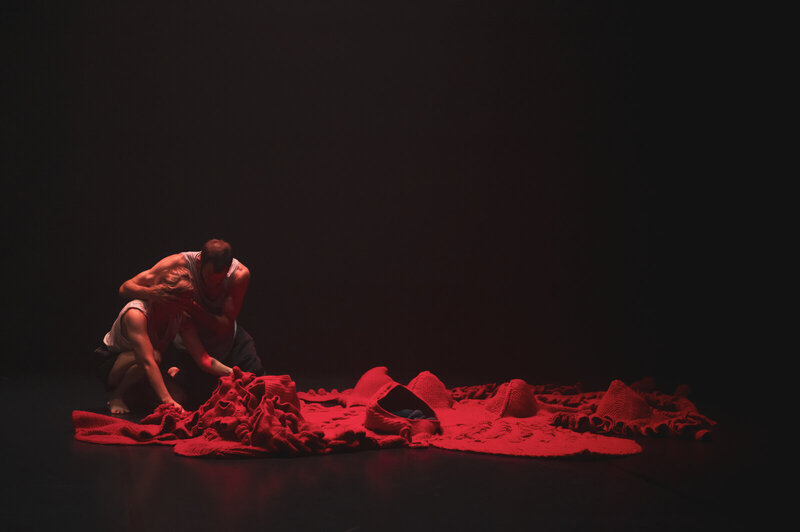
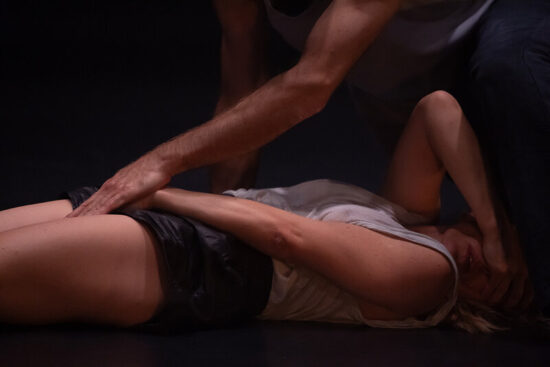
The work explores a space of fantasy, desire, and pleasure from a female perspective. Onstage, the couple dances alongside a red woolen blanket full of holes and protrusions, a lush, imaginative, and wondrous prop created by Valerie Shefa, from which additional headpieces later emerge. Did I say dances? They roll, experiment with different positions, lifts, and carries. Contact improvisation is based on physical touch, listening, weight sharing, and mutual support between partners. Here, the language takes an overtly sexual direction, with plenty of humor. At times, they seem to be experimenting and playing with contact, bringing a visual fantasy to life.
 Why am I so certain that this is a female perspective? Perhaps because I know the work was created by a woman, so I immediately put myself in her shoes and adopt her point of view. Or perhaps because Olivia’s voice is present, controlling the atmosphere and guiding both the performers and us into different states. At the beginning of the performance, she instructs us to enter a dream state. Later, her voice seems to guide us toward discovery, experimentation, and release, through giggles, moans, and heavy breathing. In another section, she assumes a prayer position and asks, find me pleasure, bring me pleasure, and more and more pleasure.
Olivia created the soundtrack and music herself, as I discovered in our conversation after the performance. It was assembled over the course of a week through a process of constructing and deconstructing existing musical passages and incorporating recordings from the beginning of their studio process, when they were still using a looper. She had a very clear sense of what the work needed musically.
In other words, she is the one in control, the guide, the dominant figure, the choreographer. Even when Yochai covers her eyes and leads her around the stage, I sense control on her part in the very act of surrendering to him. Who leads and who follows? The audience, too, is led, with eyes wide open, to follow what unfolds. Our surrender makes possible their surrender to us.
Olivia describes her work with Yochai as “an ongoing artistic dialogue.” According to her, “We didn’t create the choreography together, and he wasn’t the source of the ideas that entered the workspace, but he is absolutely a creative partner in the dialogue and experimentation.” She adds that he often “creates friction, raises objections, and makes me rethink things.” The two have worked together since 2012, and their dialogue, she says, has grown rich through many years of experience.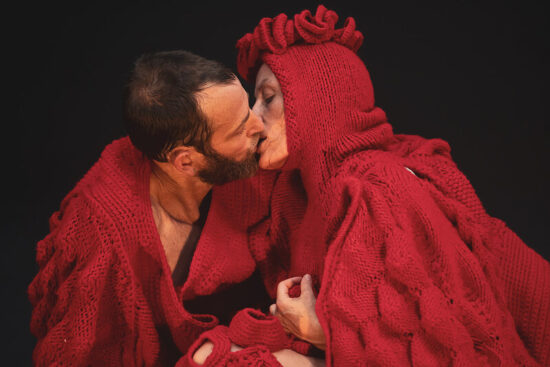
The design process with Valerie was also an exciting duet in its own right. Olivia describes an “open and attentive dialogue” between them, with the design emerging from mood boards they both assembled. “I drew the idea for the masks, and she brought them to life through many hours of knitting, dedication, and creativity.” Valerie was present at many rehearsals, knitting in the studio, “so the blanket was truly created as part of the process.”
What is this woman trying to examine and discover through the work? Is this simply another long-term couple testing their boundaries? Olivia explains that sexuality has interested her for the past decade, during which she has read numerous books and listened to podcasts on the subject. She and Yochai had often discussed the possibility of creating a work about it, and this is their next collaboration following i carry you hold from 2019. “I think I wanted to break some kind of cycle in this context. To gain additional angles and perspectives on how this thing can be rediscovered each time, and at different ages and stages of life,” she says.
According to Olivia, this may have been the longest research process she has undertaken for a work, and she entered the studio with a great deal of clarity. Originally titled make love not war, “as a general statement about the war,” the work gradually moved away from that subject as she delved “deeper into the body, the world of dreams and fantasies, the subconscious.”
I interpret this entirely as an expression of power, of allowing oneself to take up space. Olivia plays with images familiar from erotic films, scenes that, as we know, were created by men, and transforms them. In the very act of asking for pleasure, she claims the power for herself. Yochai is a leading player and certainly a worthy partner, but she is undoubtedly in control.
Olivia takes them, and the audience, on a dreamlike journey through an exploration of her pleasure and sexuality, his, and perhaps ours. She allows herself to reveal, to show, to wonder, to moan and sigh, to pant, to stretch into human and superhuman positions, to amuse and laugh at everything with profound seriousness. The audience shifts in their seats between discomfort, embarrassment, giggles, and held breath.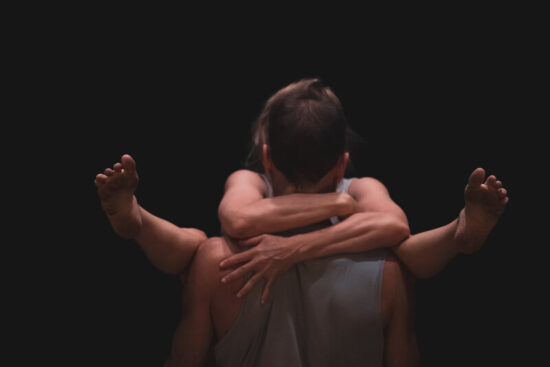
The couple’s movement language in previous works has always been fascinating and breathtaking, a contact language uniquely their own. Now, it seems to be reaching and touching new territories of discovery and transcendence. Beyond Olivia and Yochai’s distinctive movement language and connection, which have always moved me deeply, like a little girl watching a romantic scene in a Hollywood film, I left the performance with an uplifting sense of boldness.
I think that through Olivia’s discovery of the power of daring, we too, the audience in general and women in particular, may dare to explore and discover the female perspective, in sexuality and in life. How much power there is in a woman who gives herself permission. Permission to move between surrender and control, to lead one moment and be led the next, between softness and strength, between self-love, romantic love, and love more broadly. How much power there is in honesty, authenticity, and the courage to dive into the most intimate space, that of secrets and desires, in a way that is so sensitive, so deeply connected to the body, yet never pornographic.
I plunged into the pleasurable world of this work and wanted to wrap myself in that red blanket, too, and discover Wonderland.
Olivia Court Mesa presented ‘Sex Dream’ on November 4, 2026 at Habait Theater.
מי מוביל ומי מובל?
על Sex Dream מאת אוליביה קורט מסה
מי מוביל ומי מובל? השאלה הזו עולה בי במהלך הצפייה ביצירה Sex Dream מאת אוליביה קורט מסה, כוריאוגרפית ואמנית מחול צ’יליאנית ישראלית, בשיתוף עם בן זוגה, הרקדן יוחאי גינתון.
זוהי יצירה שבוחנת מרחב של פנטזיה, תשוקה ועונג, מנקודת מבט נשית. על הבמה בני הזוג רוקדים לצד שמיכת צמר אדומה מלאה חורים ובליטות, אביזר שופע, יצירתי ומופלא שיצרה ולרי שפע, ומתוכו יוצאים בהמשך אביזרי ראש נוספים. כתבתי רוקדים? הם מתגלגלים, מתנסים בתנוחות, הנפות והרמות שונות. ריקוד קונטקט מבוסס על יצירת מגע גופני, הקשבה, העברת משקל ותמיכה הדדית בין בני הזוג. כאן, השפה הולכת לכיוון המיני במופגן ובהרבה הומור. לעיתים הם יותר מתנסים ומשתעשעים בקונטקט ומממשים פנטזיה צורנית.
למה ברור לי כל כך שזו נקודת מבט נשית? אולי משום שאני יודעת שזו יצירה של אישה ולכן מיד שמה את עצמי בנעליה ומנכסת את נקודת המבט. ואולי כי קולה של אוליביה נוכח ושולט באווירה ומנחה אותם ואותנו להיכנס למצבים שונים. בתחילת המופע היא מנחה אותנו להיכנס למצב של חלום, ובהמשך קולה כמו מנחה אותנו לגלות, לנסות, להשתחרר, בצחקוקים, גניחות והתנשפויות. בקטע אחר היא נעמדת בתנוחת תפילה ומבקשת find me pleasure, bring me pleasure, ועוד ועוד פלז’ר.
את הפסקול והמוזיקה הכינה אוליביה בעצמה, כך גיליתי בשיחה שלנו לאחר המופע. הוא נבנה במשך שבוע, בתהליך של הרכבה ופירוק קטעי מוזיקה מוכנים ושימוש בהקלטות שלהם מתחילת העבודה בסטודיו, כשעוד השתמשו בלופר. היה לה מאוד ברור מה העבודה צריכה מהבחינה הזו.
כלומר, היא השולטת, היא המנחה, היא הדומיננטית, היא הכוריאוגרפית. גם כשיוחאי מכסה את עיניה ומוביל אותה ברחבי הבמה, בהתמסרות שלה אליו אני מרגישה שליטה מצידה. מי המוביל ומי המובל? גם הקהל מובל בעיניים פקוחות לעקוב אחר הנעשה, וההתמסרות שלנו מאפשרת את ההתמסרות שלהם אלינו.
אוליביה מספרת שהעבודה עם יוחאי היא “דיאלוג אמנותי תמידי”. לדבריה, “לא עשינו את הכוריאוגרפיה ביחד והוא לא המקור לרעיונות שהגיעו לחלל העבודה, אבל הוא לחלוטין שותף יצירתי לשיח ולהתנסות”. היא מוסיפה שהוא הרבה פעמים “מייצר חיכוך ומשיג השגות וגורם לי לחשוב מחדש על הדברים”. השניים עובדים יחד מאז 2012, והדיאלוג ביניהם, לדבריה, עשיר אחרי הרבה שנות ניסיון.
גם עיצוב האביזרים עם ולרי היה דואט מרגש בפני עצמו. אוליביה מספרת שהיה ביניהן “דיאלוג פתוח וקשוב”, ושהעיצוב נעשה מתוך איסוף לוחות השראה של שתיהן. “את הרעיון למסכות אני ציירתי והיא הגשימה אותן בשעות רבות של סריגה, מסירות ויצירתיות”. ולרי נכחה פעמים רבות בחזרות וסרגה בסטודיו, “כך שהשמיכה ממש נוצרה כחלק מהתהליך”.
מה האישה הזו מנסה לבדוק ולגלות דרך היצירה? האם מדובר בעוד זוג ותיק שבודק את הגבולות? אוליביה מספרת שהמיניות היא נושא שמעניין אותה בעשור האחרון, ושעליו קראה ספרים רבים והאזינה לפודקאסטים. היא ויוחאי דיברו פעמים רבות על האפשרות ליצור עבודה בנושא, וזו היצירה המשותפת שלהם אחרי i carry you hold משנת 2019. “חושבת שרציתי לשבור מעגל כלשהו בהקשר הזה. להשיג זוויות ונקודות מבט נוספות על האופן שבו ניתן לגלות את הדבר מחדש בכל פעם, וגם בגילאים שונים בחיים”, היא אומרת.
לדבריה, זה אולי תהליך המחקר הארוך ביותר שהיה לה ליצירה, והיא הגיעה לסטודיו עם הרבה בהירות. במקור נקראה העבודה make love not war, “כאמירה כללית על המלחמה”, אך בתהליך עזבה את הנושא וצללה “יותר לגוף, לעולם החלומות והפנטזיות, לתת מודע”.
אני מפרשת את זה לגמרי כעוצמה, במקום שמרשה לעצמו לקחת מקום. אוליביה משחקת עם דימויים שראינו בסרטים ארוטיים, סצנות שכידוע נוצרו על ידי גברים, ומשנה אותן. בעצם הבקשה שלה לעונג, היא לוקחת את הכוח לעצמה. יוחאי הוא שחקן ראשי וכמובן הפרטנר הראוי, אך היא ללא ספק שולטת.
אוליביה לוקחת אותם ואת הקהל למסע חלומי של מחקר העונג והמיניות שלה, שלו ואולי שלנו. היא מרשה לעצמה לחשוף, להראות, לתהות, לגנוח ולהיאנח, להתנשף, להימתח בתנוחות אנושיות ועל אנושיות, להצחיק ולצחוק על הכול ברצינות עמוקה. הקהל נע בכיסאו בין חוסר נוחות, מבוכה, צחקוק ועצירת נשימה.
השפה התנועתית של בני הזוג בעבודות קודמות תמיד הייתה מרתקת ומפעימה, שפת קונטקט הייחודית להם. נראה שכעת היא מגיעה ונוגעת במחוזות חדשים של גילוי ועילוי. מעבר לשפה התנועתית ולחיבור הייחודיים של אוליביה ויוחאי, שפה שתמיד מרגשת אותי עד מאוד, כמו ילדה שצופה בסצנה רומנטית בסרט הוליוודי, יצאתי מהמופע בתחושה מרוממת של תעוזה.
אני חושבת שעם הגילוי של אוליביה, על הכוח שיש בתעוזה, גם אנחנו, הקהל בכלל ונשים בפרט, נעז לחקור ולגלות את נקודת המבט הנשית, במיניות ובחיים. כמה כוח יש לה לאישה שמרשה. מרשה לעצמה לעבור בין התמסרות לשליטה, רגע להוביל, רגע להיות מובלת, בין רכות לכוח, בין אהבה עצמית לזוגית, לכללית. כמה כוח יש בכנות, באותנטיות, בתעוזה לצלול למרחב האינטימי ביותר, של הסודות והמאוויים, ובצורה כל כך רגישה, כל כך מחוברת לגוף אך לא פורנוגרפית.
צללתי לתוך המרחב המענג של היצירה הזו ורציתי גם להתכסות בשמיכה האדומה ולגלות את ארץ הפלאות.
אוליביה קורט מסה הציגה את Sex Dream ב4.11.2026 בתאטרון הבית.
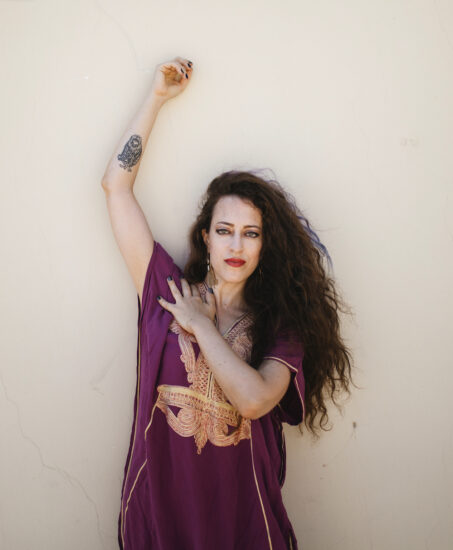
אלה גרינבאום היא כוריאוגרפית, פרפורמרית ואמנית רב־תחומית. עבודתה משלבת מחול מזרחי, מוזיקה, אמנות חזותית ופרפורמנס, ומחפשת דרכים חדשות לספר סיפורים דרך הגוף.
Ella Greenbaum is a choreographer, performer, and multidisciplinary artist whose work draws from Middle Eastern dance, visual art, music, and performance. She has collaborated with leading artists across Israel while developing an independent choreographic practice rooted in cultural dialogue and physical storytelling.