
In Parallel: The Same Ingredients by Ori Lenkinski
*עברית בהמשך
*Photos by Asya Skorik
Two years ago, I attended Never Ending Mourning by Nurit Dreamer and Shout Aloud by Yasmeen Godder on the same evening at the Israel Festival. The productions could hardly have been more different. Dreamer’s intimate meditation on grief shared little formal vocabulary with Godder’s expansive collaboration with singer Dikla. Yet I left Jerusalem with the peculiar sensation that I had somehow watched two versions of the same conversation.
Not literally, of course. The direction, choreography, music and design were all distinct. What lingered instead was a strange familiarity, as though both artists had been handed the same box of ingredients and invited to cook whatever they wished.
Like an episode of MasterChef.
Both chefs receive onions, short ribs and sumac. One serves a stew. Another makes dumplings. The dishes taste nothing alike, yet they reveal something about the ingredients they share.
At the time, I dismissed the feeling as coincidence.
Last week, however, I experienced it again.
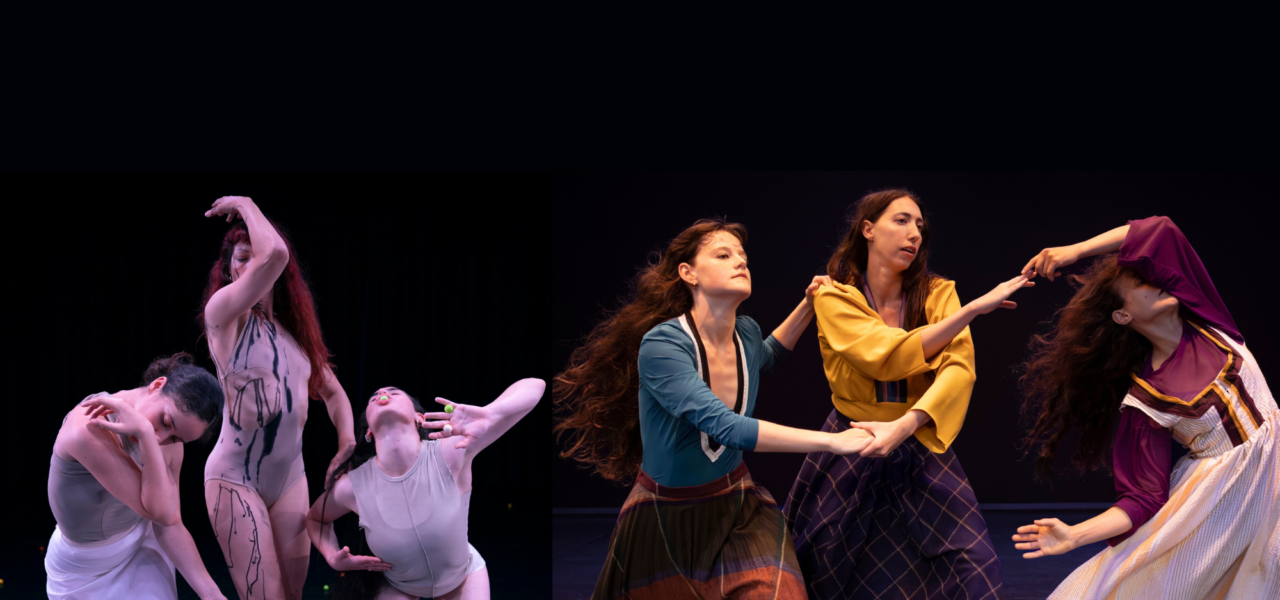
In the span of a couple of days I attended Ta’amim by Ilana Sarah Claire Bellahsen and Hardcore (Light Dance) by Tami Leibovits at the Suzanne Dellal Centre’s Tel Aviv Dance Festival.
It would be difficult to argue that these are similar works. Bellahsen draws from Butoh, ritual and the aesthetics of fashion photography, constructing a theatrical world that feels at once ancient and startlingly contemporary. Leibovits builds a universe somewhere between folk ritual and heavy metal concert, where tenderness and aggression continually exchange places. Their movement languages, dramaturgies and visual worlds belong unmistakably to their respective makers.
And yet, once again, I felt as though I was watching two artists cook with the same ingredients.
Perhaps had I encountered these performances months apart, in different cities or festivals, I would never have connected them. But presented within days of one another, both developed through residencies at the Suzanne Dellal Centre, their kinship became impossible for me to ignore.
This time, the ingredients were different: a trio of women, live musicians, voices that oscillated between song and cry and, perhaps most importantly, what it means to be making work as women in Israel in 2026.
The similarities did not stop there.
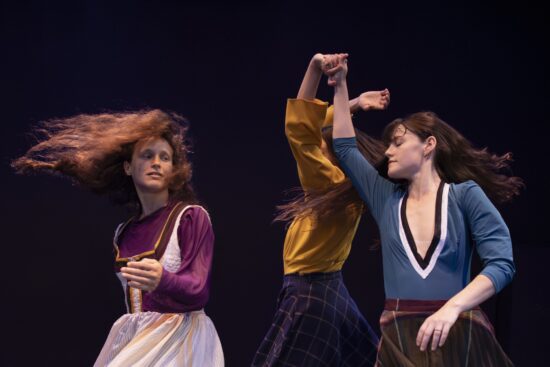
Hardcore [Light Dance] by Tami Leibovits
In Ta’amim, long hair becomes a choreographic event. Roni Milatin slowly dismantles an intricately pinned hairstyle until dark curls cascade down her back, joining Mila Levy, whose loose hair has already become an active participant in the choreography. Simultaneously, Bellahsen quietly performs the opposite gesture, methodically pinning her own dyed red hair into place.
In Hardcore (Light Dance), the curtain rises on three women standing almost motionless beneath neon light. As movement gradually emerges, Meshi Olinky, Inbar Buchbinder and Shira Ben Uriel retrieve hidden hair ties from within their sleeves and gather their hair into ponytails. Later, those ponytails are released. Hair flies across faces, obscuring identities as the choreography accelerates into something ecstatic.
These moments are visually unrelated. They carry different meanings within each work. Yet both artists transform hair from physical detail into choreographic material.
Voice.
In Ta’amim, although Bellahsen included live musician Yam Ashkenazi in her cast, after pinning her hair up, Bellahsen sang a wordless song. After forty minutes of amplified music, Bellahsen’s voice sounded naked. In some way, hearing her sing felt more provocative, more exposed than watching her traverse the stage in a barely-there nude leotard.
In Hardcore (Light Dance), having danced non-stop for nearly an hour, the three dancers pick up microphones in the corners of the stage. With Guy Gutman and Meital Ella playing on drums and electric guitar, they each produce a different sound. Here, too, the sound of the dancers’ voices is strangely more intimate after watching them dance.
In both works, the voice becomes another choreographic tool. Neither work asks the women to speak. Instead, they vocalize. Here, the voice works as an extension of the choreography, an intensification of the physicality. To me, this felt like a rejection of dance aesthetics that privilege only the visual, presenting women not simply as bodies to be watched, but as presences to be heard.
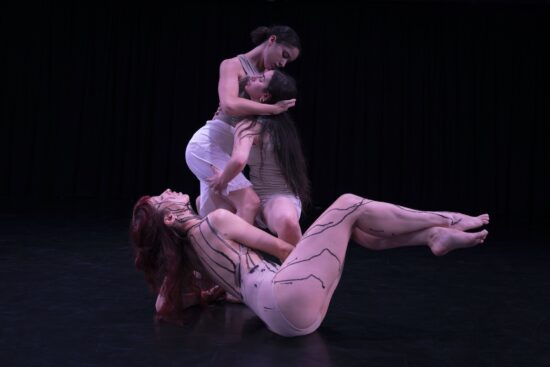
Ta’amim by Ilana Sarah Claire Bellahsen
Fresh air.
A final parallel, and perhaps the most magical effect of both evenings, was the choice to exit the stage from an unconventional point. In Ta’amim, the three dancers leave Ashkenazi with guitar in hand, coming together to exit Studio Zehava onto its balcony. A brilliant use of the idiosyncrasies of the studio, the final image evoked freedom.
In Hardcore (Light Dance), the three dancers escape the stage one by one through the side door at the front of the theater. We see them run down the fire stairs that lead to Amzaleg Street only to reemerge from backstage a couple of minutes later. This goes on in a loop for several minutes. Something about watching the dancers flitting down the stairs bursts the theater bubble, creating a visceral connection to the outside world, the world beyond the fourth wall, beyond the four walls of Inbal Theater and beyond the controlled confines of the performance.
Watching the pieces side by side, I found myself wondering whether both were, consciously or not, wrestling with similar questions about femininity, identity, ritual and transformation.
Both works are deeply interested in female collectivity. They ask how women look, dress, move, sound and gather. Rather than defining womanhood through individual psychology, both choreographers turn repeatedly toward the dynamics of the group. It seems that both artists are suggesting that the rhythms women create together are what carry them through their darkest moments.
Once I’d noticed these patterns, I stopped thinking about the works themselves and started thinking about the conditions in which they had been made.
How does this type of artistic convergence happen?
There is no reason to imagine Bellahsen and Leibovits were consciously influencing one another. Leibovits’ work continues an artistic trajectory she has been developing for years. Bellahsen’s ongoing investigation into food, ritual and femininity is equally well established. These works did not emerge from collaboration.
So where does the resemblance come from?
I have become increasingly skeptical of the romantic idea that artists create from nothing. Creation often feels less like invention than collection. Artists gather fragments, experiences, gestures, conversations, images and impressions. The artwork becomes not the invention of entirely new material but the particular way an artist curates what already surrounds them.
This is especially true in dance. Choreographers do not invent the human body. They inherit it. Every gesture, every embrace, every collapse, every act of reaching or recoiling has existed long before we arrived in the studio. Originality rarely comes from discovering a movement no one has ever performed before. It emerges from the way movements are assembled, from the intentions behind them, from the relationships they create, from the emotions and associations they accumulate. We compose with bodies that carry histories, habits and memories. We are not inventing a new language so much as arranging familiar words into new sentences.
If that is true, then perhaps artistic environments shape work more profoundly than we acknowledge.
Institutions rarely receive credit for artistic outcomes. Nor should they. Their role is not to shape artists into a common aesthetic. But perhaps they do something quieter. They create the conditions in which artists can pursue their vision.
Do artists working in the same environment share more than they recognize?
Does the place the work is made affect what the work becomes?
It’s not only the festival, it’s hallways, elevators and cafes. It’s passing conversations. It’s the same invitation to create. The same studios. The same city outside the studio windows. The same headlines waiting on every phone screen. Even artists who never step into one another’s rehearsals may still breathe remarkably similar air.
Perhaps Bellahsen and Leibovits were tuning into frequencies neither consciously emitted nor consciously received.
Or perhaps they were growing in the same garden, drawing nourishment from the same soil.
What fascinates me is not that two artists arrived at similar structures. It is that they remained unmistakably themselves while doing so.
We often imagine originality as the opposite of influence, as though the purest artist works in complete isolation. More and more, I find myself believing the opposite. Originality may not emerge despite shared environments but because of them.
Two artists. The same ingredients. Entirely different meals.
במקביל: אותם חומרי גלם
מאת אורי לנקינסקי
לפני שנתיים צפיתי באותו ערב בשתי עבודות בפסטיבל ישראל: בוקר שאינו נגמר מאת נורית דרימר ואהבה מוזיקה מאת יסמין גודר. קשה היה למצוא ביניהן דמיון. המדיטציה האינטימית של דרימר על אבל חלקה מעט מאוד שפה בימתית עם שיתוף הפעולה רחב היריעה של גודר עם הזמרת דיקלה. ובכל זאת, יצאתי מירושלים עם תחושה מוזרה, כאילו צפיתי בשתי גרסאות של אותה שיחה.
לא באופן מילולי, כמובן. הבימוי, הכוריאוגרפיה, המוזיקה והעיצוב היו שונים לחלוטין. ובכל זאת, נותרה בי תחושת משונה, כאילו שתי היוצרות קיבלו את אותה קופסת מצרכים והתבקשו להכין מנה משלהן.
כמו בפרק של מאסטר שף.
שני שפים מקבלים בצל, אסאדו וסומאק. אחד מבשל תבשיל, השנייה מכינה כיסונים. התוצאות שונות לחלוטין, ובכל זאת הן מספרות משהו על חומרי הגלם המשותפים שמהם נוצרו.
באותו זמן חשבתי שזה צירוף מקרים.
אבל בשבוע שעבר התחושה חזרה.
בהפרש של יומיים, צפיתי ב-טעמים של אילנה שרה קלייר בלסן וב-הארדקור [ריקוד אור] של תמי לייבוביץ במסגרת פסטיבל תל אביב דאנס במרכז סוזן דלל.
קשה לטעון שמדובר בעבודות דומות. בלסן שואבת מבוטו, מטקסיות ומאסתטיקה של צילום אופנה, ובונה עולם תיאטרלי שמרגיש בו זמנית קדום ועכשווי להפליא. לייבוביץ יוצרת יקום שנע בין פולחן עממי להופעת מטאל, שבו עדינות ותוקפנות מחליפות זו את זו ללא הרף. השפה התנועתית, הדרמטורגיה והעולם החזותי של כל אחת מהן שייכים באופן מובהק ליוצרת שלה.
ובכל זאת, שוב הרגשתי כאילו אני צופה בשתי יוצרות שמבשלות מאותם חומרי גלם.
ייתכן שאילו הייתי פוגשת את העבודות הללו בהפרש של חודשים, בערים שונות או בפסטיבלים אחרים, כלל לא הייתי מקשרת ביניהן. אבל כשהוצגו בהפרש של ימים ספורים, לאחר ששתיהן התפתחו במסגרת תוכניות הרזידנסי של מרכז סוזן דלל, היה לי קשה להתעלם מהתנודות הזהות שעלו מהן.
הפעם חומרי הגלם היו אחרים: שלישיית נשים, מוזיקאים חיים, קולות שנעים בין שירה לזעקה, ואולי יותר מכל, המשמעות של יצירה נשית בישראל של 2026.
והדמיון לא הסתיים שם.
הארדקור [ריקוד אור] מאת תמי ליבוביץ
שיער.
ב-טעמים, השיער הופך לאירוע כוריאוגרפי. רוני מילטין מפרקת באיטיות תסרוקת מוקפדת, עד שתלתלים כהים נשפכים על גבה ומצטרפים למילה לוי, ששערה הפזור כבר הפך לחלק פעיל מן הכוריאוגרפיה. באותו זמן ממש, בלסן מבצעת את הפעולה ההפוכה, ואוספת באיטיות את שערה האדום.
ב-הארדקור [ריקוד אור] המסך נפתח על שלוש נשים העומדות כמעט ללא תנועה תחת תאורת ניאון. ככל שהתנועה מתפתחת, משי אולינקי, ענבר בוכבינדר ושירה בן אוריאל שולפות גומיות שהוסתרו בשרווליהן ואוספות את שיערן לקוקו. בהמשך הקוקו משתחרר. השיער מתעופף על פניהן, מטשטש את זהותן, בעוד הכוריאוגרפיה הולכת ומאיצה אל עבר אקסטזה.
הרגעים הללו שונים לחלוטין מבחינה חזותית, ומשמעותם בתוך כל עבודה אחרת לגמרי. ובכל זאת, בשתי היצירות השיער חדל להיות פרט גופני והופך לחומר כוריאוגרפי.
קול.
ב-טעמים, אף שבלסן כללה את המוזיקאית ים אשכנזי כחלק מן הקאסט, לאחר שהיא אוספת את שערה היא פוצחת בשירה ללא מילים. אחרי ארבעים דקות של מוזיקה מוגברת, הקול שלה נשמע עירום. במובן מסוים, היה חשוף ופרובוקטיבי יותר לשמוע אותה שרה מאשר לראות אותה חוצה את הבמה בבגד הגוף הזעיר בגוון גוף.
ב-הארדקור [ריקוד אור], לאחר שכמעט שעה שלמה הן רוקדות ללא הפסקה, שלוש הרקדניות ניגשות למיקרופונים המוצבים בפינות הבמה. לצד גיא גוטמן ומיטל אלה, המנגנים בתופים ובגיטרה חשמלית, כל אחת מהן מפיקה צליל אחר. גם כאן, קולותיהן של הרקדניות נשמעים אינטימיים באופן מפתיע דווקא אחרי שצפינו בהן נעות זמן כה רב.
בשתי היצירות הקול הופך לכלי כוריאוגרפי נוסף. הנשים אינן מדברות אלא משמיעות קול. כאן הקול פועל כהמשך ישיר של הכוריאוגרפיה, כהעצמה של הפיזיות. עבורי, הייתה בכך מעין דחייה של תפיסת מחול המקדשת את המבט בלבד, והצעה לראות בנשים לא רק גופים שצופים בהם, אלא גם נוכחויות שיש להקשיב להן.
טעמים מאת אילנה שרה קלייר בלהסן
אוויר.
המקבילה האחרונה, ואולי הרגע הקסום ביותר בשתי העבודות, הייתה הבחירה לצאת מן הבמה בדרך לא שגרתית.
ב-טעמים שלוש הרקדניות משאירות את ים אשכנזי על הבמה, גיטרה בידה, ויוצאות יחד מסטודיו זהבה אל המרפסת. זהו שימוש מבריק במאפיינים הייחודיים של הסטודיו, והדימוי האחרון מותיר תחושה של חופש.
ב-הארדקור [ריקוד אור] שלוש הרקדניות בורחות מן הבמה אחת אחת דרך הדלת הצדדית שבחזית האולם. אנחנו רואים אותן יורדות במדרגות החירום אל רחוב אמזלג, רק כדי להופיע שוב מאחורי הקלעים כעבור דקות ספורות. המהלך הזה חוזר שוב ושוב במשך כמה דקות. יש משהו בצפייה ברקדניות המתרוצצות במדרגות שמפוצץ את בועת התיאטרון, ויוצר חיבור גופני כמעט אל העולם שבחוץ. אל העולם שמעבר לקיר הרביעי, מעבר לארבעת הקירות של תיאטרון ענבל, ומעבר למסגרת המבוקרת של המופע.
כשצפיתי בשתי העבודות זו לצד זו, מצאתי את עצמי תוהה האם שתיהן, במודע או שלא במודע, מתמודדות עם שאלות דומות של נשיות, זהות וטקס.
שתי היצירות מתעניינות מאוד בקולקטיב הנשי. הן שואלות כיצד נשים נראות, מתלבשות, נעות, נשמעות ומתכנסות. במקום להגדיר נשיות דרך פסיכולוגיה של דמות בודדת, שתי הכוריאוגרפיות שבות שוב ושוב אל הדינמיקה של הקבוצה. נדמה לי ששתיהן מציעות שהמקצבים שנשים יוצרות יחד הם אלה שמאפשרים להן לשאת את הרגעים החשוכים ביותר בחייהן.
מרגע שהתחלתי להבחין בדפוסים האלה, התחלתי לחשוב על התנאים שבהם היצירות נוצרו.
איך בכלל מתרחשת ההצלבה האמנותית הזאת?
אין סיבה להניח שבלהסן ולייבוביץ השפיעו זו על עבודתה של זו. עבודתה של לייבוביץ ממשיכה מסלול אמנותי שהיא מפתחת כבר שנים. גם העיסוק המתמשך של בלסן באוכל, בטקס ובנשיות מבוסס היטב ביצירתה. העבודות הללו לא נולדו מתוך שיתוף פעולה.
אז מאין מגיע הדמיון?
אני הולכת ונעשית ספקנית כלפי הרעיון הרומנטי שלפיו אמנים יוצרים יש מאין. יותר ויותר נדמה לי שיצירה היא פחות המצאה ויותר ליקוט. אמנים אוספים שברי חוויות, מחוות, שיחות, דימויים ורשמים. היצירה אינה המצאה של חומר חדש לחלוטין, אלא האופן שבו אמן מסוים אוצר מחדש את מה שכבר מקיף אותו.
במחול זה נוכח במיוחד. כוריאוגרפים אינם ממציאים את גוף האדם. הם יורשים אותו. כל מחווה, כל חיבוק, כל קריסה, כל הושטת יד או נסיגה התקיימו הרבה לפני שנכנסנו לסטודיו. מקוריות כמעט אף פעם אינה נובעת מגילוי של תנועה שאיש לא ביצע קודם לכן. היא נוצרת באופן שבו התנועות מורכבות זו לצד זו, בכוונות שמניעות אותן, ביחסים שהן יוצרות, וברגשות ובאסוציאציות שהן צוברות. אנחנו מלחינים באמצעות גופים הנושאים עמם היסטוריות, הרגלים וזיכרונות. איננו ממציאים שפה חדשה, אלא מסדרים מילים מוכרות למשפטים חדשים.
ואם כך, אולי לסביבה שבה נוצרת יצירה יש השפעה עמוקה הרבה יותר מכפי שאנחנו נוטים להכיר.
מוסדות אמנות כמעט שאינם זוכים לקרדיט על התוצאות האמנותיות שנוצרות בהם. ובצדק. תפקידם אינו לעצב את היוצרים לכדי אסתטיקה אחידה. הם יוצרים את התנאים שמאפשרים לאמנים להגשים את החזון שלהם.
האם אמנים העובדים באותה סביבה חולקים ביניהם יותר מכפי שהם עצמם מבינים?
זו לא רק המסגרת של הפסטיבל. אלה המסדרונות, המעליות ובתי הקפה. אלה השיחות האקראיות. אותה הזמנה ליצור. אותם חדרי חזרות. אותה עיר שנשקפת מחלונות הסטודיו. אותן כותרות שממתינות בכל פעם מחדש על מסך הטלפון. גם אמנים שמעולם לא נכנסו זה לחדר החזרות של זו עשויים, בסופו של דבר, לנשום אוויר דומה להפליא.
אולי בלסן ולייבוביץ קלטו תדרים שאף אחת מהן לא שידרה או קיבלה במודע.
ואולי היצירות שלהן פשוט צמחו באותו גן, ניזונות מאותה אדמה.
מה שמרתק אותי אינו העובדה ששתי יוצרות הגיעו למבנים דומים. מה שמרתק הוא שהן נותרו שונות לחלוטין זו מזו גם כשהן עשו זאת.
אנחנו נוטים לחשוב על מקוריות כהיפוכה של השפעה, כאילו האמן הטהור ביותר הוא זה שפועל בבידוד מוחלט. יותר ויותר אני מוצאת את עצמי מאמינה דווקא בהפך. ייתכן שמקוריות אינה נוצרת למרות הסביבה המשותפת, אלא דווקא בזכותה.
שתי יוצרות.
אותם חומרי גלם.
ארוחות שונות לחלוטין.
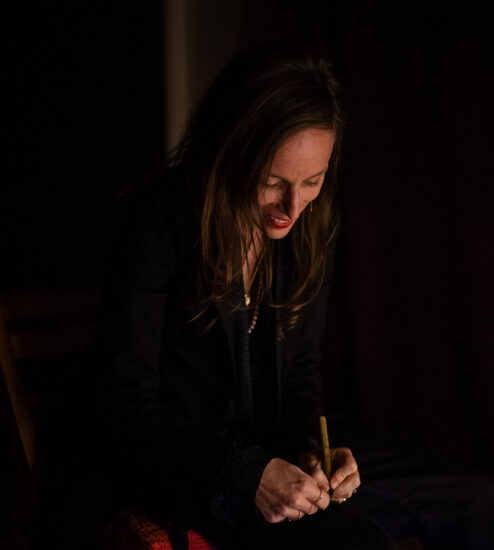 Ori Lenkinski is a choreographer, dramaturg, and arts journalist based in Tel Aviv. She is the founder and editor of Creative Writing and has written about dance and performance for publications including The Jerusalem Post, Dance Magazine, Haaretz, and The Huffington Post. Her choreographic work has been presented internationally across Europe, North America, and Asia.
אורי לנקינסקי היא כוריאוגרפית, דרמטורגית ועיתונאית, מייסדת ועורכת Creative Writing. היא כותבת על מחול ואמנויות הבמה מאז 2008, ופרסמה ב־The Jerusalem Post, Dance Magazine, Haaretz ובפרסומים בינלאומיים נוספים. יצירותיה הכוריאוגרפיות הוצגו בישראל, אירופה, צפון אמריקה ואסיה.