
Heather DeAtley’s Reflections on ‘Kamuyot’ by Ohad Naharin
*עברית בהמשך
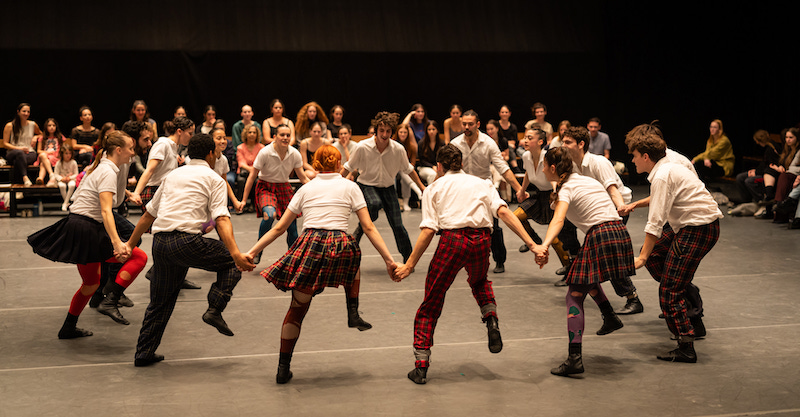
*Photo by Ascaf
Imagine a world where dancers are at the center. Not politicians. Not oligarchs or businessmen, not the power hungry but those who Martha Graham reverentially described as “athletes of God.”
Dancers-with their Kinesthetic wisdom, their capacity for listening and sensing, their innate ease in synchronizing heartbeats, holding and harmonizing rhythm occupying center stage. And imagine a world where these skills are modeled every day for our children. Every movement as a lesson in living in and of itself, a universe within one gesture. A language encoded and transmitted through mirror neurons. Without a word.
I have seen Kamuyot by Ohad Naharin half a dozen times or so now, two of which have been with my children. The first time, I took them to this cherished piece, my daughter was not even 3 and my son was shy of just starting to crawl. We went with friends and sat with our backs to the sea. I can still feel the breeze off the Mediterranean blowing through the windows. All of us were transfixed, spellbound. We danced enthusiastically at the end of the performance.
This was before war, before so many changes that turned our worlds upside down.
And still we dance.
Two days before Yom Kippur, I found myself sitting in the same studio with my kids again. They are nearly 5 and 7 now, proper and discerning little beings. My daughter sat on the floor for a good portion of the show, the vibrations of the movement and music humming through her sits bones. I thought of Helen Keller again, as I often do in performances and how she would lay her body on Martha Graham’s studio floor to feel the vibrations of the dancers’ movement.
My son didn’t want to dance at the end. He outright refused, in fact. How times have changed. How we have changed. Perhaps the choreography witnesses us as much as we witness it?
This was the first dance performance I walked into and felt “old.” The first time I saw the dancers as older versions of my children. And I felt such maternal love for them. What a journey this whole matrescence thing is. I love how it has led me to appreciate this art form and my love for it extending to entirely new depths.
But I digress. This work can ignite some sentimentality for me. Let’s return to the original idea, a world with dancers at the center.
This is how Kamuyot is staged. The audience sits in a circle surrounding the stage. The dancers sit amidst the audience at points in the piece, dissolving the 4th wall as they become “one of us.” They enter and exit, shifting places within the audience throughout the piece. Nothing is fixed. Everything is changing. But the connection stays the same. These dancers feel so young and yet they can hold the depth of this steady connection so well.
I’m reminded of an afternoon in the studio at Suzanne Dellal many years ago, when I was studying with Batsheva. We were learning a quiet, slow segment from Kamuyot referred to as Unison. The music is minimalist and driven more by synchronized breath than anything else. We had been missing the embodied sense of synchronicity amidst our respective groups. Three of our teachers, all former members of the company but never having danced together at the same time, got up and performed the segment effortlessly and in perfect harmony. It was like watching a murmuration of starlings at sunset.
The Batsheva ensemble dancers exhibited the same subtle capacity for connection and coming together in Unison. It is magical to observe such ease and effortlessness, listening expressed in perfect harmony.
With dancers at the center of our world, this deep level of felt sense would become the norm. Conflict and war would be abandoned as our levels of attunement and presence reached entirely new depths.
Towards the end of Kamuyot, a tall male dancer enters center stage. He walks like a giant, his bald head a beacon of his gentle but formidable power. He begins to pound his chest and other body parts. Each hit is more intense than the previous one. This action feels particularly poignant given the proximity to the holiest day of the Jewish holidays, Yom Kippur, a day of repentance. In the Vidui (confessional) prayers, those praying pound their chest as an invitation to own and release transgressions while realigning the heart. It felt as though he beat his chest for every person in that audience. I dare say, for every person in this country. I certainly felt it in my heart.
Kamuyot is like a homecoming for me. An invitation to keep coming home to myself, even amidst the heartbreak, uncertainty and so much more. I felt new levels of the depth of this piece and thus the depth of my homecoming. It is deep grief alchemized into joy.
Kamuyot has its origins in Naharin’s Mamootot. Created in 2003 in the wake of the death of Naharin’s first wife, Mari Kajiwara, Mamootot is a moving meditation on presence and the full spectrum of the human emotional experience. When dancers walk around the interior perimeter of the stage and extend a hand to audience members, that point of connection is all too reminiscent of the Sistine Chapel, but complete, without a sense of longing or yearning. We are witnessing a connection with the divine, through the presence of a simple holding of the hand, as if to say, “I reach my hand to you, you to me, and in that we can find harmony.” Each hand extended seemed to represent a reach across the veil, where the living connect with each other and ancestral lineage simultaneously. Each point of contact a merging of lineages meeting across time and space. Kamuyot weaves segments of Mamootot into an interactive performance accessible for children, including this powerful moment of audience and dancer connection.
I wish for dance to offer this type of homecoming for my kids, an invitation to come home to themselves over and over again. For OUR kids. And the generations to come. Again and again. Keep extending the hand. Reach for the known to discover the unknown.
May we gift our children a world with dance and dancers at the center. Where murmurations and listening guide us gently and with ease. And we remember how to move in Unison.
The Batsheva Ensemble presented ‘Kamuyot’ on September 18, 2026 at the Suzanne Dellal Centre.
מחשבות של ה׳תר דיאטלי על כמויות מאת אוהד נהרין
דמיינו עולם שבו רקדנים נמצאים במרכז. לא פוליטיקאים. לא אוליגרכים או אנשי עסקים, לא תאבי כוח, אלא אלה שמרתה גרהם תיארה, ביראת כבוד, כ״אתלטים של אלוהים״.
רקדנים, עם החוכמה הקינסתטית שלהם, היכולת שלהם להקשיב ולחוש, הקלות הטבעית שבה הם מסנכרנים פעימות לב, מחזיקים קצב ומתמזגים בתוכו, תופסים את מרכז הבמה. ודמיינו עולם שבו הכישורים האלה משמשים מודל לילדים שלנו, מדי יום. כל תנועה היא שיעור בחיים בפני עצמו, יקום שלם בתוך מחווה אחת. שפה שמוצפנת ומועברת דרך נוירוני מראה. בלי מילה.
ראיתי את כמויות של אוהד נהרין כחצי תריסר פעמים, פחות או יותר, ובשתיים מהן הייתי עם הילדים שלי. בפעם הראשונה שלקחתי אותם ליצירה האהובה הזאת, הבת שלי עוד לא הייתה בת שלוש והבן שלי היה רגע לפני שהתחיל לזחול. הגענו עם חברים וישבנו כשגבנו אל הים. אני עדיין יכולה להרגיש את הרוח מהים התיכון נכנסת דרך החלונות. כולנו היינו מרותקים, מהופנטים. בסוף המופע רקדנו בהתלהבות.
זה היה לפני המלחמה, לפני כל כך הרבה שינויים שהפכו את העולמות שלנו על פיהם.
ועדיין אנחנו רוקדים.
יומיים לפני יום כיפור מצאתי את עצמי שוב באותו סטודיו עם הילדים שלי. הם כבר כמעט בני חמש ושבע, יצורים קטנים של ממש, עם טעם ודעה משלהם. הבת שלי ישבה על הרצפה במשך חלק ניכר מהמופע, הרטט של התנועה והמוזיקה מהדהד דרך עצמות הישיבה שלה. שוב חשבתי על הלן קלר, כפי שקורה לי לא פעם במופעים, ועל האופן שבו הייתה נשכבת על רצפת הסטודיו של מרתה גרהם כדי להרגיש את התנודות של תנועת הרקדנים.
הבן שלי לא רצה לרקוד בסוף. למעשה, הוא סירב בתוקף. כמה שהזמנים השתנו. כמה שאנחנו השתנינו. אולי הכוריאוגרפיה עדה לנו לא פחות משאנחנו עדים לה?
זו הייתה הפעם הראשונה שנכנסתי למופע מחול והרגשתי ״זקנה״. הפעם הראשונה שבה ראיתי את הרקדנים כגרסאות מבוגרות יותר של הילדים שלי. והרגשתי כלפיהם אהבה אימהית עצומה. איזה מסע הוא כל הדבר הזה שנקרא אימהוּת מתהווה. אני אוהבת את האופן שבו הוא הוביל אותי להעריך את צורת האמנות הזאת, ואת האהבה שלי אליה, בעומקים חדשים לגמרי.
אבל אני סוטה מהנושא. היצירה הזאת מעוררת בי סנטימנטליות מסוימת. נחזור לרעיון המקורי, עולם שבו רקדנים נמצאים במרכז.
כך בדיוק בנויה כמויות. הקהל יושב במעגל סביב הבמה. ברגעים מסוימים ביצירה הרקדנים יושבים בתוך הקהל, ממוססים את הקיר הרביעי והופכים ל״אחד מאיתנו״. הם נכנסים ויוצאים, מחליפים מקומות בתוך הקהל לאורך היצירה. שום דבר אינו קבוע. הכול משתנה. אבל החיבור נשאר. הרקדנים האלה נראים כל כך צעירים, ובכל זאת הם יודעים להחזיק היטב את עומקו של החיבור היציב הזה.
אני נזכרת באחר צהריים אחד בסטודיו בסוזן דלל, לפני שנים רבות, כשלמדתי עם בת שבע. למדנו קטע שקט ואיטי מתוך כמויות שנקרא יוניסון. המוזיקה מינימליסטית ומונעת יותר מכל דבר אחר על ידי נשימה מסונכרנת. בקבוצות שלנו לא הצלחנו למצוא את התחושה הגופנית של הסנכרון. שלושה מהמורים שלנו, כולם רקדנים לשעבר בלהקה אך כאלה שמעולם לא רקדו בה באותה תקופה, קמו וביצעו את הקטע ללא מאמץ ובהרמוניה מושלמת.
זה היה כמו לצפות בלהקת זרזירים המציירת צורות בשמי השקיעה.
רקדני אנסמבל בת שבע הפגינו ביוניסון את אותה יכולת עדינה להתחבר ולהתאחד. יש משהו קסום בהתבוננות בקלות ובחוסר המאמץ האלה, הקשבה המתבטאת בהרמוניה מושלמת.
אילו רקדנים היו במרכז עולמנו, אולי הרמה העמוקה הזאת של תחושה גופנית הייתה הופכת לנורמה. סכסוכים ומלחמות היו ננטשים ככל שהיכולת שלנו להתכוונן זה לזה ולהיות נוכחים הייתה מגיעה לעומקים חדשים לגמרי.
לקראת סופה של כמויות, רקדן גבוה נכנס למרכז הבמה. הוא הולך כמו ענק, ראשו הקירח כמגדלור של כוח עדין אך אדיר. הוא מתחיל להכות על חזהו ועל חלקים אחרים בגופו. כל מכה עזה מקודמתה. הפעולה הזאת מרגישה נוקבת במיוחד לנוכח הקרבה ליום הקדוש ביותר בלוח השנה היהודי, יום כיפור, יום של תשובה. בווידוי, המתפללים מכים על החזה כהזמנה לקחת אחריות על חטאיהם, לשחרר אותם ולכוון מחדש את הלב. הרגשתי כאילו הוא מכה על חזהו עבור כל אדם בקהל הזה. אני מעזה לומר, עבור כל אדם במדינה הזאת. אני בהחלט הרגשתי את זה בלב.
כמויות היא עבורי מעין שיבה הביתה. הזמנה להמשיך ולחזור אל עצמי, גם בתוך שברון הלב, חוסר הוודאות וכל כך הרבה מעבר לכך. הפעם הרגשתי רבדים חדשים בעומקה של היצירה, ובהתאם גם בעומקה של השיבה שלי הביתה. זהו אבל עמוק שעובר אלכימיה והופך לשמחה.
שורשיה של כמויות נמצאים בממותות של נהרין. ממותות, שנוצרה ב 2003 בעקבות מותה של אשתו הראשונה של נהרין, מארי קאג׳יווארה, היא מדיטציה מרגשת על נוכחות ועל מלוא מנעד החוויה הרגשית האנושית. כשהרקדנים הולכים לאורך ההיקף הפנימי של הבמה ומושיטים יד לחברי הקהל, נקודת החיבור הזאת מזכירה עד מאוד את הקפלה הסיסטינית, אבל כאן החיבור שלם, ללא תחושת כמיהה או ערגה. אנחנו עדים לחיבור עם האלוהי דרך הפעולה הפשוטה של אחיזת יד, כאילו נאמר: ״אני מושיט את ידי אליך, אתה אליי, ובתוך זה אנחנו יכולים למצוא הרמוניה״.
כל יד שהושטתה נדמתה כיד הנשלחת מבעד למסך המפריד בין העולמות, מקום שבו החיים מתחברים זה לזה ובה בעת גם לשושלת שממנה באו. כל נקודת מגע היא מפגש בין שושלות, המתמזגות זו בזו מעבר לזמן ולמרחב. כמויות שוזרת קטעים מתוך ממותות לכדי מופע אינטראקטיבי ונגיש לילדים, ובהם גם הרגע העוצמתי הזה של חיבור בין הקהל לרקדנים.
אני מאחלת שהמחול יוכל להציע לילדים שלי שיבה כזאת הביתה, הזמנה לחזור אל עצמם שוב ושוב. לילדים שלנו. ולדורות שעוד יבואו. שוב ושוב. להמשיך להושיט יד. להגיע אל המוכר כדי לגלות את הלא נודע.
הלוואי שנעניק לילדים שלנו עולם שבו המחול והרקדנים נמצאים במרכז. עולם שבו להקות זרזירים והקשבה מנחות אותנו בעדינות ובקלות. ושבו נזכור איך לנוע ביוניסון.
אנסמבל בתשבע הציגה את ׳כמויות׳ מאת אוהד נהרין ב18.9.2026 במרכז סוזן דלל.
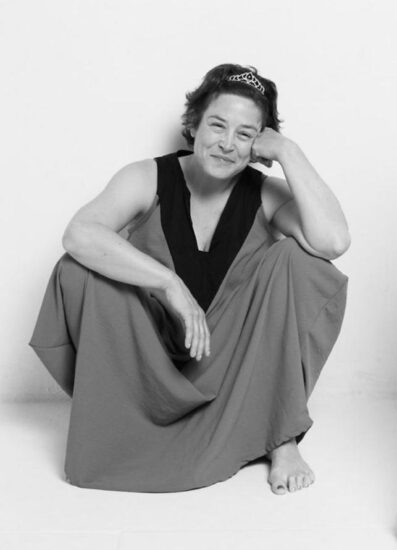
Heather DeAtley is a movement practitioner, writer, and former gymnast whose work bridges somatics, poetry, and performance. Drawing on the Ilan Lev Method, neuroscience, and embodied practice, she explores how movement shapes the way we experience ourselves and the world.
הת’ר דיאטלי היא מטפלת בתנועה, כותבת ומתעמלת לשעבר. עבודתה משלבת סומטיקה, שיטת אילן לב, שירה ופרפורמנס, ומתמקדת באופן שבו תנועה מעצבת את החוויה האנושית.