SPOTLIGHT #2: MATAN PREMINGER
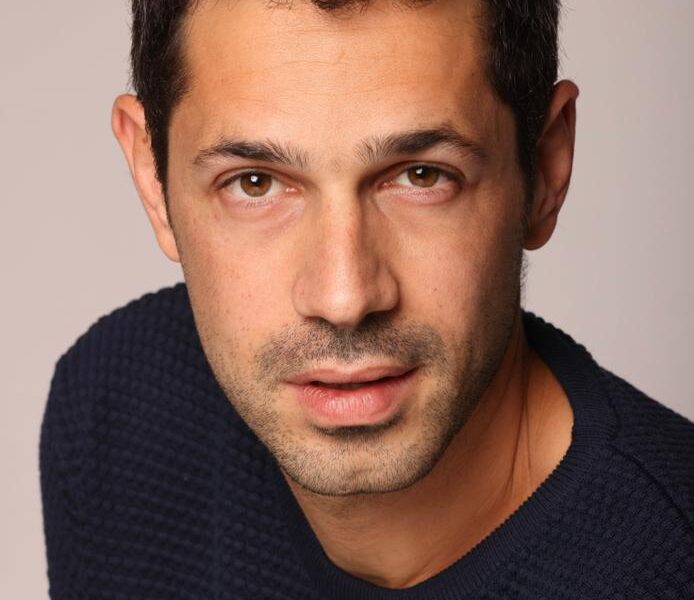
If you have ever seen a show at Tmuna Theater, chances are you have seen Matan Preminger’s work. As one of the most prominent lighting designers in the theater/dance/performance world, Matan has been illuminating stages for over a decade. Comfortable both behind the scenes and on stage, Preminger can be found most nights in the control booth of one of many theaters he works in, most often Tmuna. Beyond his role as an actor, lighting technician and designer, Preminger has created three staged works that brought the often-invisible world of lighting technicians and designers into the center of the stage.
How did you get started designing lights?
I studied theater at Tel Aviv University. There was a festival of creations made by students and they asked if anyone wanted to volunteer to help the lighting guy. I said sure. We got along really well, so I continued to assist him. I was a student, I needed money and didn’t want to wait tables so I kept working with lighting designers. After a while, I was asked to design two productions at the university. I don’t think I got anything for them, no money or anything, but I discovered that I loved it. I saw a lot of connections between lighting and acting. The combination of the two worked for me.
And then?
I was hired by Tmuna. I was a lighting technician and then started to design lights there. Tmuna is a place that a lot of artists pass through. I learned so much along the way. I am still learning.
You have a special relationship with Tmuna Theater. Why?
I work in a lot of different theaters around the country. Tmuna is the place that really allows me to create. Somehow, the possibilities there are broader than at the biggest, best funded theaters.
For example, with Antigone, which I perform in and also designed the lights for, we built the production together. Nava (Zukerman) really allows for that kind of creation. When there is a director, like her, and a space that allows me to work, I love it.
You have made several pieces that put lighting on stage. Tell us about them.
In 2017, I made ‘Working/Light’ together with my partner, Anna Baniel, and with Tal Cohn. We presented it in Intimadance at Tmuna. The idea came from working there. We would finish a show and I would get impatient waiting for the audience to leave so I would take the ladder out and start taking off filters and stuff. People would watch. It made me realize that what we’re doing is interesting.
Sometimes, the drama to get a show ready, those last minutes before the audience comes in, where everyone is scrambling to finish, are way more dramatic than the show itself.
I am interested in the gap between backstage and the stage. With that piece, I wanted to show the behind the scenes. I needed other people on stage with me so I invited lighting technicians, friends and colleagues, and they said yes. The context, being a dance festival, really helped.
In 2022, I made ‘Let There Be Darkness’ in the A Genre Festival, also with Anna Baniel. That piece came out of Covid. We were non-essential workers, which was a tough pill to swallow. Everyone was reconsidering their career choices but I realized that I didn’t want to do something else.
One day, while the theater was closed, the lighting guys all got together at Tmuna. I had this vision of all these lights, so we tried it out. I interviewed the other designers about what we do and that became the soundtrack.
And in 2023, Rotem Elroy and I made ‘Three Phases’, which is an homage to ‘Echad Mi Yodea’. That went up in Intimadance.
How many shows do you work on a month?
There are months where I am in the theater 25-30 days and some that are only 15.
What’s the difference between a lighting technician and a lighting designer?
A technician is there to get the lights working. They do all of the technical work plus running or restaging shows that are already designed. A designer creates something from nothing. I really value the time I spent as a technician. I learned so much from watching other designers working. As a designer, you can come with a whole plan but then you have to improvise. It’s important to be able to react quickly because you never know what kind of conditions you will have when working on a show.
What’s important to you in lighting design?
When I design lights, I’m trying to tell the story of the piece through light. I try to contribute with my eye and the fixtures, to lift the production. Good lighting tells a story.
I usually come into the piece towards the end and there is a lot of stress. I try to be as ready as possible and to communicate calm and confidence.
Is it dangerous?
I don’t think about that too often but yeah, it is. I’m so used to it. I haven’t ever had any ladder accidents but I’ve been electrocuted a bunch of times and that is very scary.
What do you love about what you do?
I love the adrenaline of watching a show I designed.
Do you have a favorite lighting fixture?
Thomas. It’s the simplest and the most beautiful.
Smoke machine yes or no?
Yes, of course.
ספוטלייט #2- מתן פרמינגר
אם אי פעם ראיתם מופע בתיאטרון תמונע, סביר להניח שכבר פגשתם את עבודתו של מתן פרמינגר. כאחד ממעצבי התאורה הבולטים בעולם התיאטרון, המחול והפרפורמנס, פרמינגר מאיר במות כבר למעלה מעשור. בין אם מאחורי הקלעים ובין אם על הבמה, אפשר למצוא אותו כמעט מדי ערב בקונטרול של אחד מהתיאטראות שבהם הוא עובד, לרוב בתמונע. לצד עבודתו כשחקן, תאורן ומעצב תאורה, יצר פרמינגר שלוש עבודות בימתיות שהעמידו את עולמם, שלרוב נשאר בלתי נראה, של תאורנים במרכז הבמה.
איך התחלת לעצב תאורה?
למדתי תיאטרון באוניברסיטת תל אביב. היה פסטיבל של עבודות סטודנטים ושאלו אם מישהו רוצה להתנדב ולעזור לתאורן. אמרתי כן. הסתדרנו ממש טוב, אז המשכתי לעבוד איתו. הייתי סטודנט, הייתי צריך כסף ולא רציתי למלצר, אז המשכתי לעבוד עם מעצבי תאורה. אחרי כמה זמן הוזמנתי לעצב תאורה לשתי הפקות באוניברסיטה. אני לא חושב שקיבלתי על זה משהו, לא כסף, אבל גיליתי שאני אוהב את זה. ראיתי הרבה חיבורים בין תאורה למשחק. השילוב ביניהם עבד בשבילי.
ומאז?
התחלתי לעבוד בתמונע. התחלתי כתאורן ואחר כך גם עיצבתי שם תאורה. תמונע הוא מקום שעוברים בו המון אמנים. למדתי כל כך הרבה. אני עדיין לומד.
יש לך מערכת יחסים מיוחדת עם תיאטרון תמונע. למה?
אני עובד בהרבה תיאטראות ברחבי הארץ. תמונע הוא המקום שבאמת מאפשר לי ליצור. איכשהו, האפשרויות שם רחבות יותר מאשר בתיאטראות הגדולים והמתוקצבים ביותר.
למשל, ב”אנטיגונה”, שבה אני גם משחק וגם עיצבתי את התאורה, בנינו את ההפקה יחד. נאוה (צוקרמן) באמת מאפשרת תהליך יצירה כזה. כשיש במאית כמוה ומרחב שמאפשר לי לעבוד, אני עף.
יצרת כמה עבודות ששמות את התאורה במרכז הבמה. ספר עליהן.
ב־2017 יצרתי את אור עבודה יחד עם בת הזוג שלי, אנה בניאל, ועם טל קון. הצגנו את העבודה במסגרת אינטימדאנס בתמונע. הרעיון הגיע מתוך העבודה שם. היינו מסיימים הצגה ואני כבר הייתי חסר סבלנות לחכות שהקהל ייצא, אז הייתי מוציא את הסולם ומתחיל להוריד פילטרים. אנשים היו עומדים ומסתכלים. זה גרם לי להבין שמה שאנחנו עושים הוא מעניין.
לפעמים, הדרמה לפני ההצגה, הדקות האחרונות לפני שהקהל נכנס, כשכולם רצים כדי להספיק לסיים, הרבה יותר דרמטית מההצגה עצמה.
מעניין אותי הפער בין מאחורי הקלעים לבמה. בעבודה הזאת רציתי לחשוף את מה שקורה מאחורי הקלעים. הייתי חייב עוד אנשים איתי על הבמה אז הזמנתי תאורנים, חברים וקולגות, והם הסכימו. גם הקונטקסט, העובדה שזה עלה במסגרת פסטיבל מחול, מאוד הרים.
ב־2022 יצרתי את והיה חושך במסגרת פסטיבל א ז’אנר גם עם אנה בניאל. העבודה הזאת נולדה מתוך תקופת הקורונה. הוגדרנו כעובדים לא חיוניים. כולם התחילו לחשוב מחדש על הקריירה שלהם, אבל אני הבנתי שאני לא רוצה לעשות משהו אחר.
יום אחד, כשהתאטרון היה סגור, התאורנים נפגשו בתמונע. הייתה לי תמונה בראש של גופי תאורה, אז ניסינו אותה. ראיינתי את התאורנים על העבודה שלנו, והראיונות הפכו לפסקול של היצירה.
וב־2023 יצרתי יחד עם רותם אלרואי את תלת פאזא, כמחווה ל”אחד מי יודע”. העבודה הוצגה באינטימדאנס.
על כמה מופעים אתה עובד בחודש?
יש חודשים שבהם אני בתיאטרון 25–30 ימים, ויש כאלה שרק 15.
מה ההבדל בין תאורן למעצב תאורה?
תאורן דואג שכל מערכת התאורה תעבוד. הוא אחראי על כל העבודה הטכנית וגם על הרצת מופעים או שחזור מופעים שכבר עוצבו. מעצב תאורה יוצר מאפס. אני מאוד מעריך את השנים שבהן הייתי תאורן. למדתי כל כך הרבה רק מלראות מעצבים אחרים עובדים. כמעצב אתה יכול להגיע עם תוכנית מסודרת, אבל בסוף צריך לדעת לאלתר. חשוב לדעת להגיב מהר, כי אף פעם אי אפשר לדעת באילו תנאים תעבוד.
מה חשוב לך בעיצוב תאורה?
כשאני מעצב תאורה, אני מנסה לספר את הסיפור של היצירה באמצעות התאורה. אני מנסה לתרום את נקודת המבט שלי ואת הפנסים כדי להרים את היצירה. תאורה טובה מספרת סיפור.
בדרך כלל אני נכנס לתהליך בשלב מאוחר, כשכבר יש הרבה לחץ. אני משתדל להגיע כמה שיותר מוכן ולשדר רוגע וביטחון.
זה מסוכן?
אני לא חושב על זה יותר מדי, אבל כן. אני כל כך רגיל לזה. אף פעם לא הייתה לי תאונה כמו נפילה מסולם אבל התחשמלתי לא מעט פעמים, וזה מאוד מפחיד.
מה אתה אוהב בעבודה שלך?
אני אוהב את האדרנלין של לצפות במופע שאני עיצבתי.
יש לך גוף תאורה אהוב?
תומס. הוא הכי פשוט והכי יפה.
מכונת עשן, כן או לא?
כן, בטח.