רם לוי צדק | Ram Loevy Was Right | رام ليڤي كان على حق
הקולנוע איננו רק סדרת תמונות הרצות זו אחר זו בקצב מסחרר,
הספרות איננה רק מדיה אסתטית,
דומני שאסור להן לעמוד מן הצד.
Cinema is not merely a sequence of images running one after another at a dizzying pace. Literature is not merely an aesthetic medium.
I believe they must not stand on the sidelines.
السينما ليست مجرد سلسلة من الصور تتراكض الواحدة تلو الأخرى بإيقاع مذهلُ، والأدب ليس مجرد وسيلة تعبير جمالية،
أعتقد أنه لا يجب عليهما الوقوف على الحياد.
رام ليڤي | רם לוי | Ram Loevy

1940-2025
We have a way, in this part of the world, of eventually returning to the people who tried to warn us. The artists, thinkers and dissidents who challenged the dominant narratives long before the consequences of those narratives became impossible to ignore. The people who insisted on asking dangerous questions while everyone else was still busy insisting everything was fine. There is grief inside that recognition. Reverence too. And yes, maybe some shame. But there is also something strangely hopeful in it: proof that even in the hardest periods of this place, there were always people stubborn enough to insist on another way of seeing. People who refused to surrender their moral imagination. We say: Ram Loevy was right.
When Ram Loevy passed away earlier this year and Docaviv let us know they would be mounting a retrospective of his work, we knew Albi needed to be part of it somehow. In partnership with Creative Writing, the beautiful initiative created by my sister Ori Lenkinski that encourages artists to develop critical and deeply personal written responses to art, we invited the artists of Albi’s Faros Fellowship and our staff team, to spend time with Loevy’s films. To sit with them long enough that they could begin speaking back.
Each chose a different doorway into Loevy’s work and with Ori, they developed responses in their chosen language and form: essays, fragments, poems, visual meditations, arguments with ghosts, moments of fury, moments of tenderness and even moments of humor. What emerged was conversation across generations of artists trying to understand what it means to remain morally awake in a society increasingly trained toward numbness.
Ram Loevy understood something fundamental: the camera is a moral instrument. Again and again, his films returned to the unbearable simplicity of people. A laborer. A grieving mother. A Palestinian teenager. A tired bureaucrat. A football player. A passerby. He insisted on looking directly at lives that Israeli society often preferred to remain peripheral or invisible. He understood that once societies become incapable of seeing one another, violence ceases to feel like violence. It simply becomes the air we breathe.
-Libby Lenkinski, Founder and President of Albi

Untitled, Addam Yekutieli
THE LAND IS A BODY BEING DISMEMBERED
HOLDING THE WEIGHT OF ORIGINAL SINS THAT’VE MUTATED THROUGHOUT GENERATIONS
EACH ITERATION REFINING ITS APPARATUS AROUND THOSE STILL LIVINGRead more
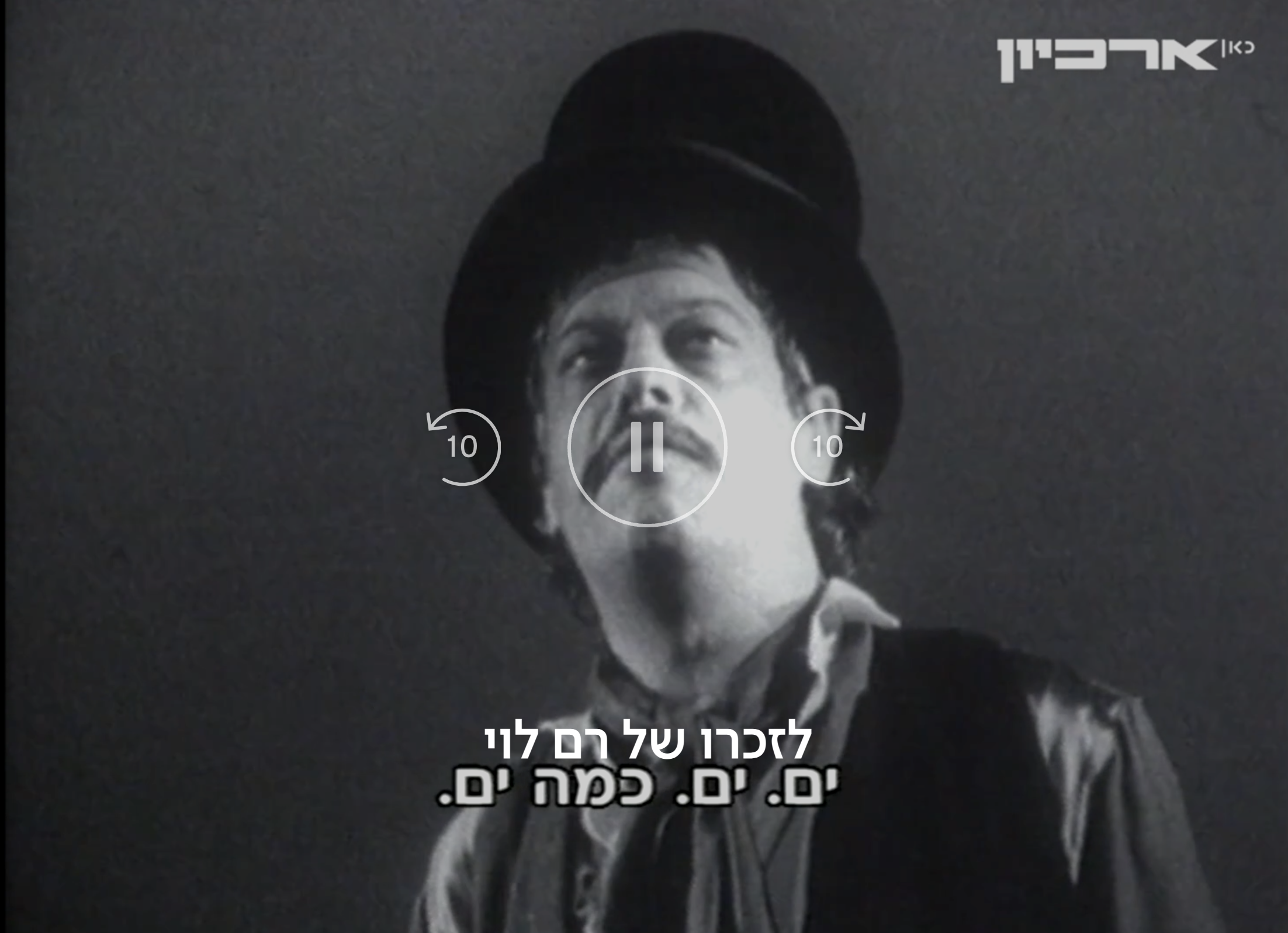
The Sea Receded On dramaturgs, weddings, Jaffa, and one small stutter that swallowed an entire city by Ala Dakka
Even cities need dramaturgy, and of all the cities in the world, I believe Jaffa has the first claim to receiving devoted dramaturgical care. Among all the commentators, thinkers, journalists, influencers, documentary filmmakers, project entrepreneurs, investors, green investors and their opponents, there should be at least one dramaturg, for God’s sake.Read more
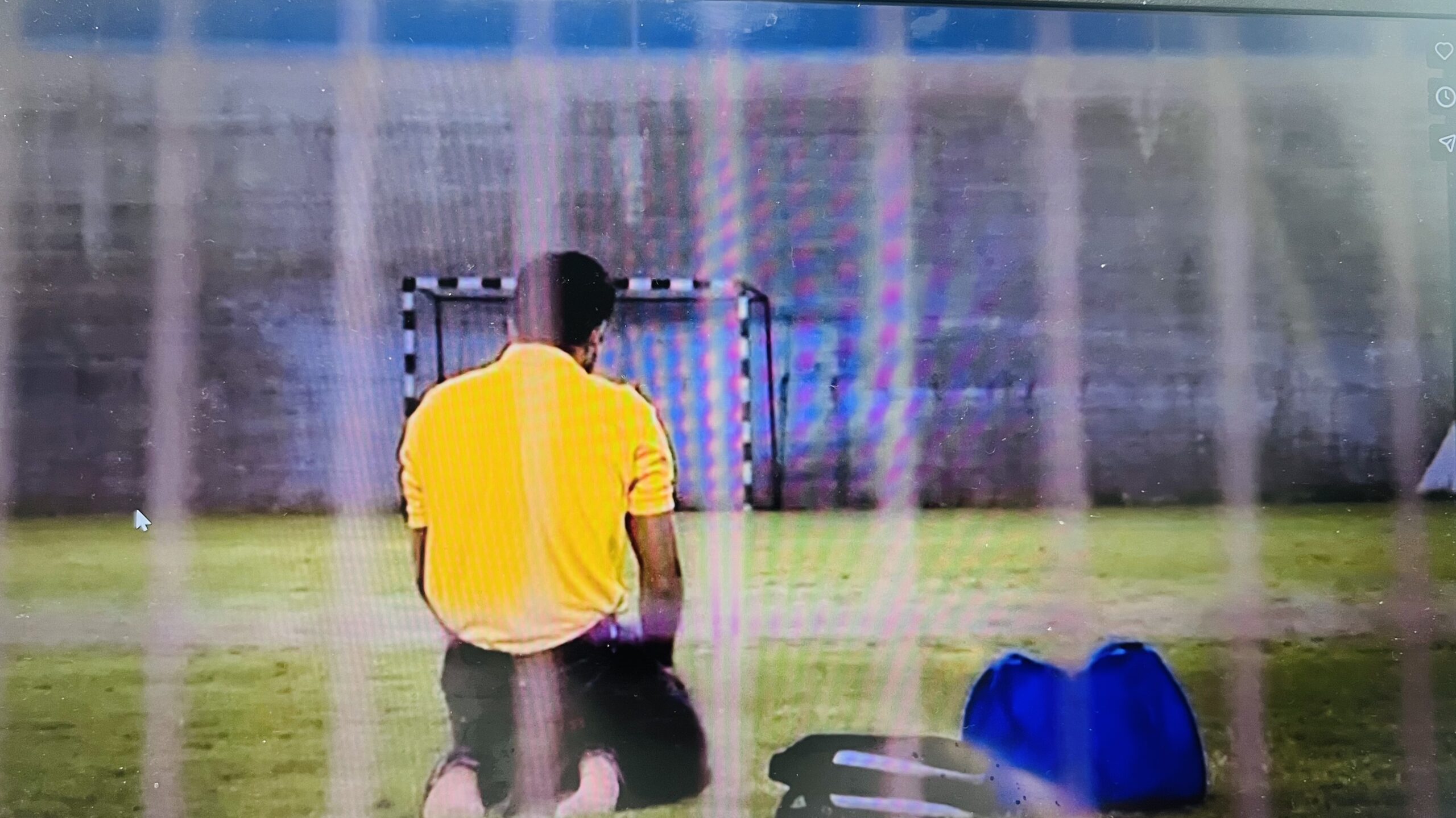
Someday, when Israel becomes a democratic state… by Keren Michael
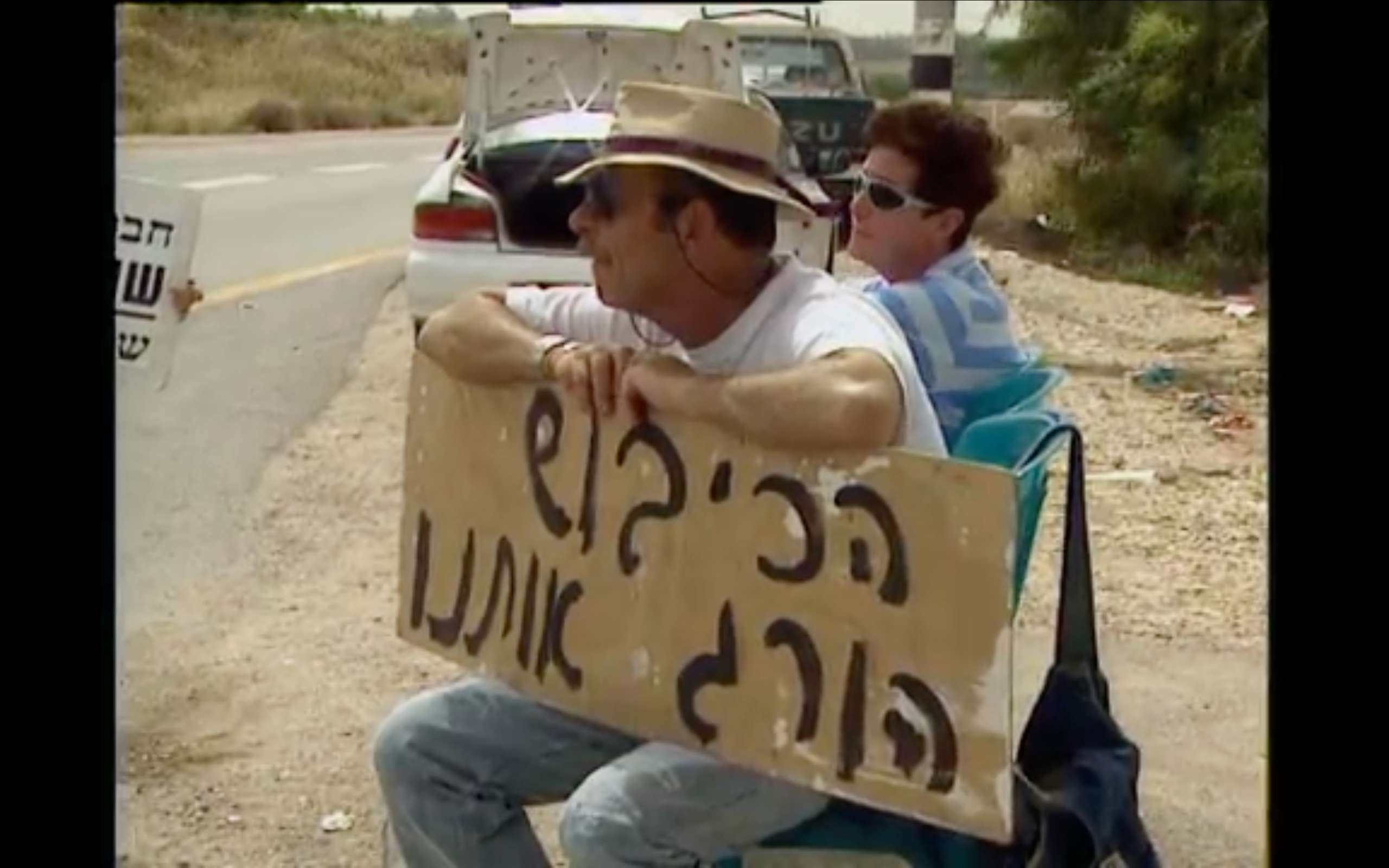
Rewatching Ram Loevy’s “Sakhnin, My Life” brought back three moments I experienced alongside Arab Israeli creators and made me understand something that I spent years allowing myself not to fully feel.Read more
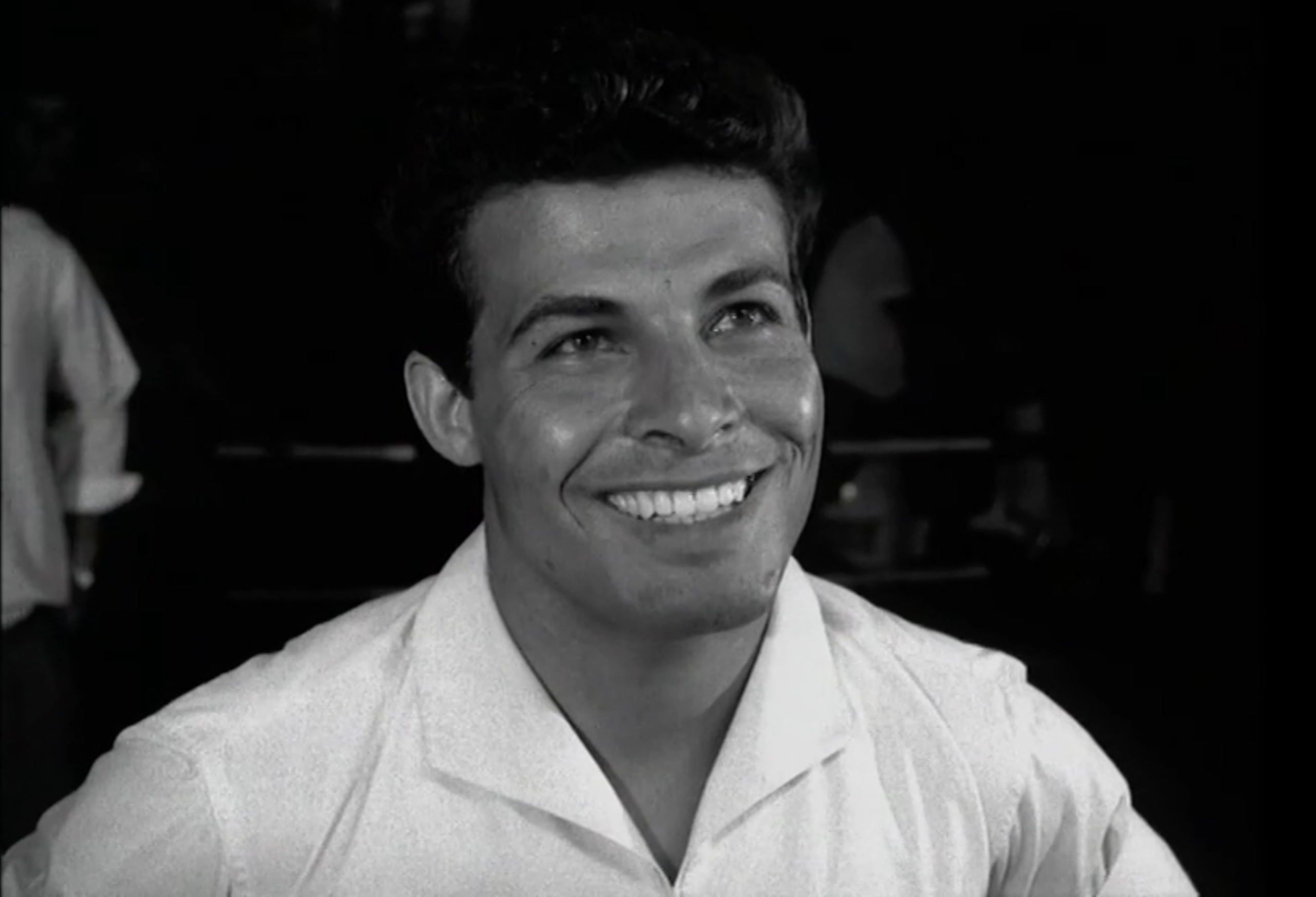
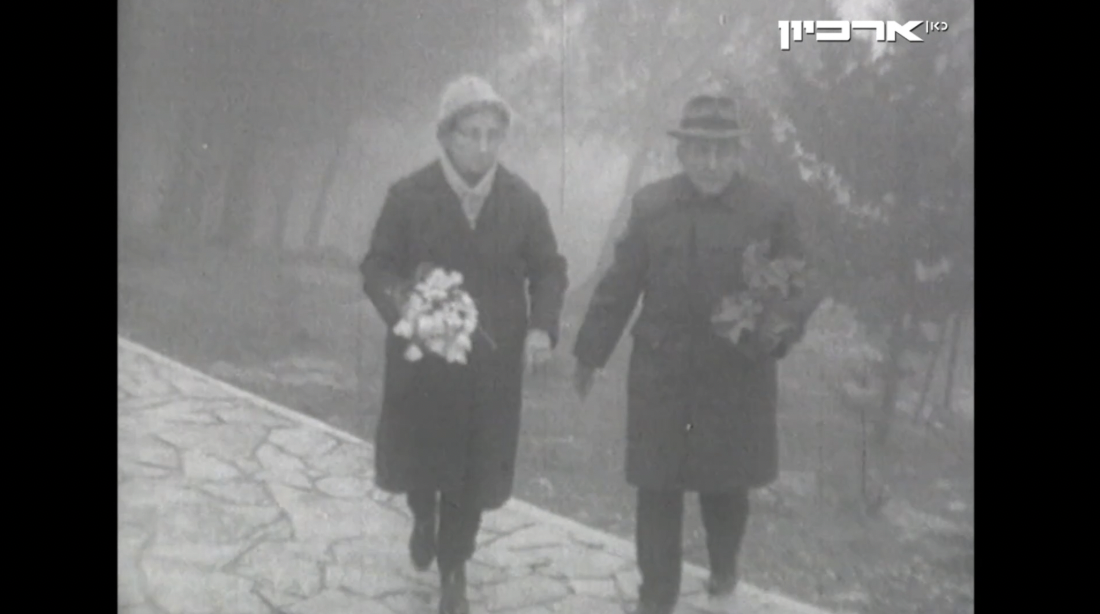
Ahmad, My Friend by Yossi Zabari
To your credit, Ahmad Habibi,
you figured it out way back then.
By ’67, you already knew that between the river and the sea, the best thing to be –
is Jewish.
And democratic.
But Jewish first.
Not Jewish – no democracy.Read more
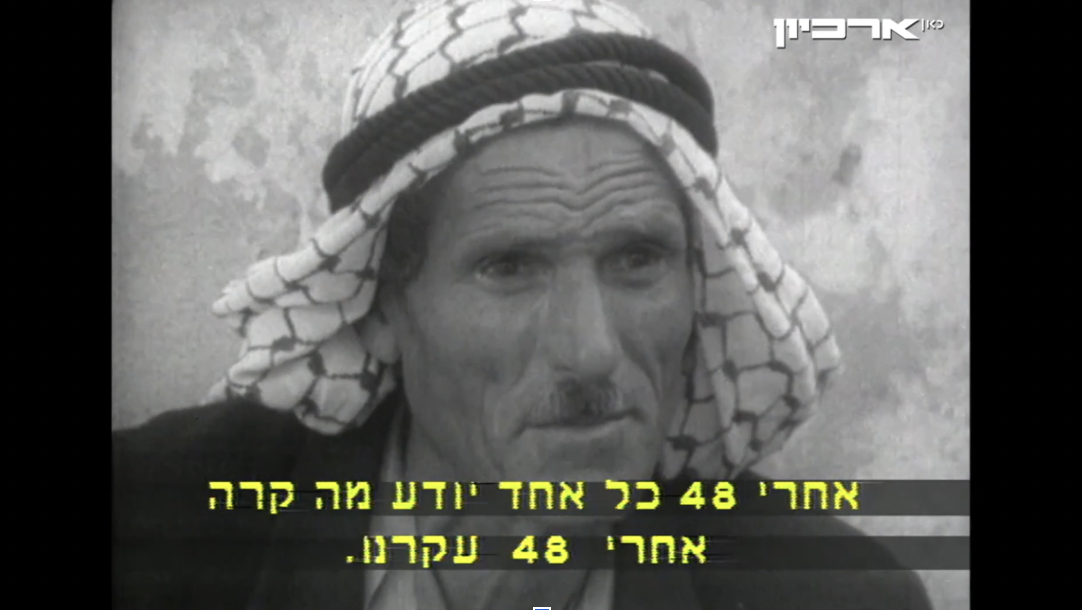
The Barricades Within the Heart by Jalal Masarwa
Throughout the work, if we peel away the aesthetic shell and strip away the period style, what remains is the exposed core: the words. When one listens to the voices of the characters, to sentences saturated with sorrow and ancient pain, a chilling phenomenon occurs: historical distance dissolves. Every sound, every cry, every accusation spoken in 1969 could just as easily be spoken today, word for word, in 2026.Read more
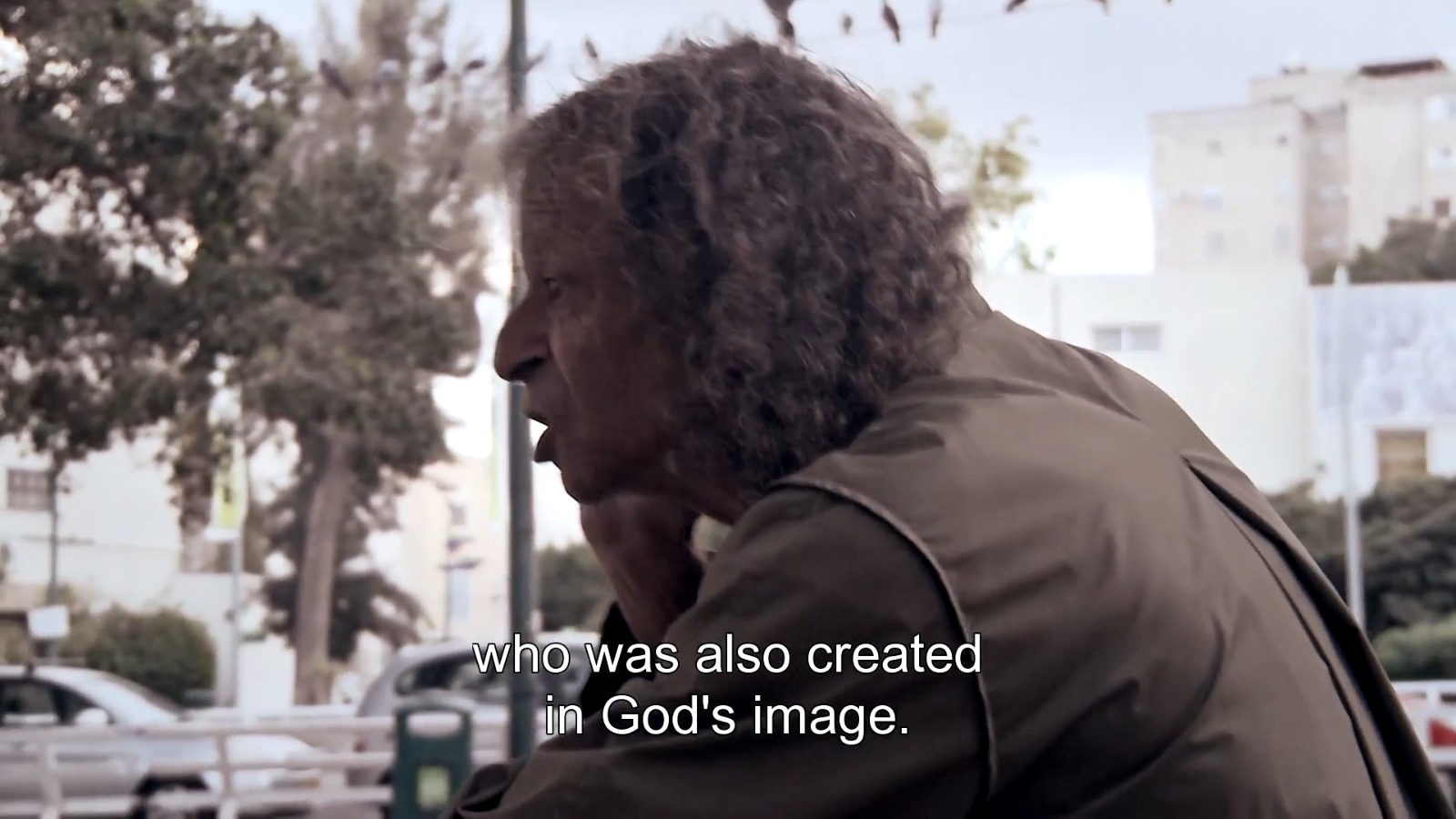
Let’s Assume, for a Moment, That God Exists By Carmen Elmakiyes Amos
This is also the film’s deepest cinematic argument. The camera, even when it claims objectivity, always chooses. Always arranges. Always decides what enters the frame and what remains outside it. And if that is so, what is the difference between documentary and fiction?Read more