
המזיענים’ של תיאטרון דוואי: הומור מרפא כל מחלה מאת ג׳ני בירגר’
*English follows
*צילום אריק שרגא
לפני שישה שבועות בדיוק, ביום הראשון של המלחמה האחרונה (ברצף, לא מתחייבת שהיא האחרונה באופן כללי), הטיל האיראני הגיע עד אלינו וההדף שלו ניכר עד היום. מאותו רגע הפכנו למפונות, שם תואר מפוקפק למדי. מצד אחד יש בו משהו פואטי ורומנטי, כזה שמאפשר נסיעות בחינם (טרם ניסינו), לבקש הנחות בחנויות (תודה!), ואפילו לזכות בהזמנות תרבותיות. מצד שני, הוא מסמן בבירור את מידת הפגיעה, ומסתבר שזה מועדון אקסקלוסיבי למדי, עם מעט חברות וחברים לצרה.
לכן, כשראיתי את ההודעה המשמחת של תיאטרון דוואי על המופע החדש שלהם “המזיענים”, שמחה התפשטה בגופי. אחרי שבדקתי שמדובר במופע לכל המשפחה, אך כזה שלא מחייב להביא ילדים אמיתיים לאולם, ומספק בילדים פנימיים של עצמנו, הזמנתי כרטיסים. הרעיון ללכת לראות מופע בשבת בצהריים הרגיש כל כך לא שגרתי, שהחלטנו ללכת על זה.
המלון שאליו התפנינו נמצא מעט דרומה מביתנו, וקיצר משמעותית את הדרך לתיאטרון. כאמור, יש גם יתרונות בסטטוס המפוקפק. הסתבכנו קצת בדרך, כי זו לא השכונה שלנו, אבל הגענו. שמחתי לראות בקהל גם מבוגרים, ולא רק ילדים, גם אם לרובם היו כנראה ילדים ממשיים. כשנכנסנו לאולם, התרגשתי כאילו אני צופה במופע הראשון בחיי. במידה מסוימת זה נכון, כי החיים הנוכחיים מרגישים תלושים מכל מה שהיה קודם. במובן הזה, זהו אכן מופע ראשון לחיים החדשים בתקופה משונה בשם “הפסקת אש”. החלל הקטן גרם לי לתהות איך אפשר לקיים בו מופע, אך מהר מאוד גיליתי כמה הרבה ניתן להכניס לחלל מצומצם כשיש יצירתיות, חוכמה ורצון – ולתיאטרון דוואי יש את כל אלה בשפע. הרפרטואר שלהם מגוון ומתאים לטווח רחב של גילאים, וכולל הצגות יחיד, טריו וקוורטט, כמו ההצגה שראינו היום עם השחקנים ויטלי אזרין, לושה גבריאלוב, פיודור מקרוב וקסיאן ריבקין.
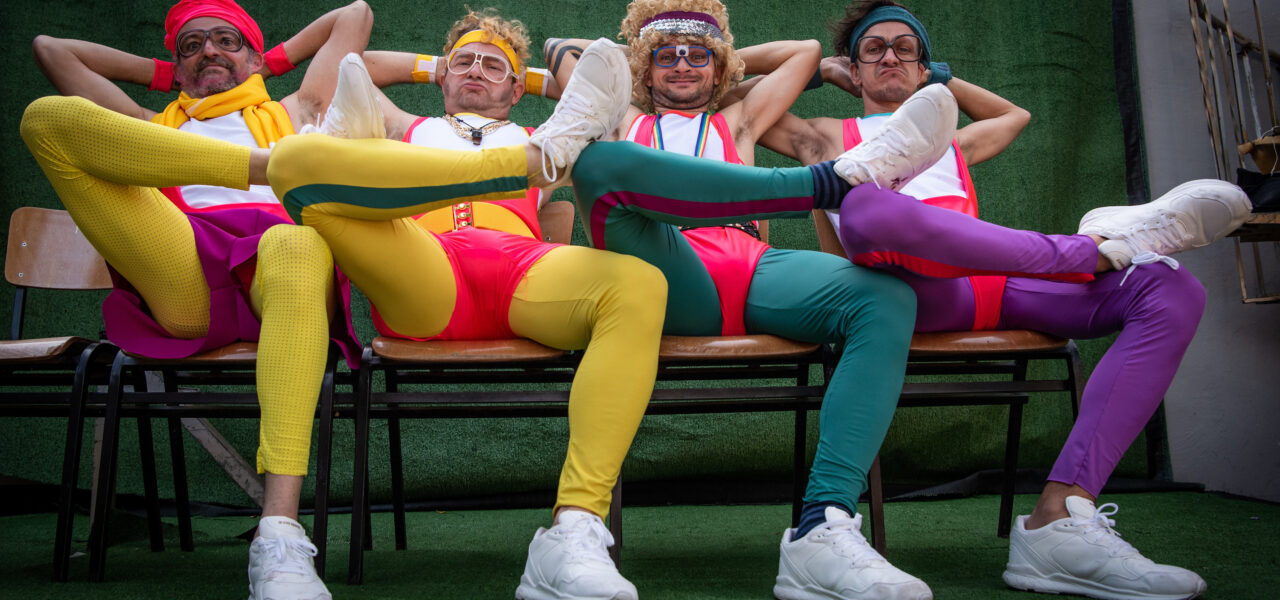
הסיפור פשוט: ארבעה ספורטאים כושלים מגיעים להדגים את יכולותיהם המרשימות בכל מה שאינו הספורט עצמו. ההכנות שלהם מרשימות, אך הביצוע מצליח רק חלקית, בדרך עקומה, או נכשל באופן מפואר. זהו תיאטרון פיזי עשיר בדימויים, עם תפאורה מדויקת ועשויה ללא רבב, ודרמטורגיה שמחזיקה את הקשב לאורך היצירה. אנו פוגשים דמויות רבות, ביניהן התלמיד הבעייתי בקבוצת כושר שמבין את התרגיל רק כשהוא נגמר, מרים המשקולות החסון שמפתיע ברגע האמת, הסמוראי שעוצר את הזמן ומפורר לבנים לחלקיקים, ואת קופץ המוט שמצליח לקפוץ לגובה אך זה דורש עבודת צוות. היכולת של השחקנים לדייק את הכישלון הופכת את ההצגה לחוויה רצופה בצחוק. מבוגרים התפקעו, ילדים נקרעו מצחוק, ורק בני הנוער נותרו מעט (ממש) מרוחקים. “הם עושים בכאילו”, אמרה אחת הבנות המאופרות-מדי מאחוריי. גם אם כן, חשבתי לעצמי, הכאילו שלהם הוא כמו טיפת מים בבצורת.
כדי לא לחשוף יותר מדי פרטים על מופע הנשען על הפתעות, ציפיות שאינן מתממשות ויצירתיות יוצאת דופן, אני מעדיפה להתעכב דווקא על מה שקרה לאחר מכן. כששרירי הבטן והסרעפת נרגעו מעט ממרתון הצחוק, נזכרתי ב“שם הוורד” של אומברטו אקו. ברומן זה, אחת התעלומות נסובה סביב ספרו האבוד של אריסטו על הקומדיה, המציג את ההומור ככוח אנושי חיוני, כזה המסוגל לחשוף אמת ואף לאתגר סמכות דתית. הנזירים מנסים להשמיד את הספר, מחשש שצחוק יערער את יסודות האמונה.
שיחקתי עם המילים humor ו human ושמתי לב לדמיון ביניהן. ואכן, גיליתי ששתיהן קשורות לשורש הלטיני humus. לא לבלבל עם המאכל המקומי בח’, אלא הומוס בה’ שמתייחס לקרקע פוריה ומדושנת ממנה צומחים החיים. האדם, כמו בעברית, קשור לאדמה בקשר עמוק. המילה humor התפתחה בהמשך מתפיסה קדומה של “נוזלי הגוף”, שנחשבו לאחראים על מצבי הרוח. עם הזמן נותר הקשר בין הומור לבין שמחה וצחוק. האדם וההומור כרוכים זה בזה, בין אם נרצה ובין אם לא.
כשיצאנו מהמופע, הבנו עד כמה היינו זקוקות לו. ששת השבועות האחרונים גזלו מאיתנו שינה, משאבים כלכליים ונפשיים, ובעיקר את היכולת לצחוק. חיינו בדריכות מתמדת, וכמו אותם נזירים, חששנו שאם נצחק הכול יתמוטט. אך למעשה ההפך הוא הנכון. הצחוק אפשר לנו להביט מחדש במה שמסביבינו. הדמויות הליצניות, לבושות בגדי ספורט משנות השמונים ורואות את עצמן כעל-אנושיות, הזכירו לנו עד כמה האבסורד שבחוץ דומה, רק בלבוש אחר. הפער בין הכוונה לביצוע הדהד את המציאות, אך דרך ההומור הוא התרכך והתרחק מעט מהלב.
בעת מלחמה, הפסקת אש, או פשוט חיים, ההומור הוא עורק חי, המזרים דם בערוץ נסתר של הלב. ערוץ שנחסם זמן רב מדי, ונפתח מחדש בזכות הצגה עשויה היטב, מצחיקה ומדויקת. מומלץ להגיע עם ילדים, אמיתיים או מדומיינים. זה אולי הדבר השפוי ביותר לעשות כרגע.
*
תאטרון דוואי הציב את ׳המזיענים׳ ב11.4.2026
“The Sweaters” by Davai: Humor Heals Every Illness
Exactly six weeks ago, on the first day of the latest war (in the sequence, not committing that it will be the last overall), an Iranian missile reached us and its blast is still felt to this day. From that moment on, we became “evacuees” which is a rather dubious title. On the one hand, there is something poetic and romantic about it, something that allows for free travel (didn’t try yet), asking for discounts in shops (thank you!), and even receiving cultural invitations. On the other hand, it clearly marks the extent of the damage, and it turns out to be quite an exclusive club, with few companions in misfortune.
So when I saw the joyful announcement from Davai Theatre Group about their new show, “The Sweaters,” a wave of happiness spread through my body. After checking that it was a family-friendly performance, yet one that does not require bringing actual children into the hall, I booked tickets for the two inner-children that we are. The idea of going to see a show on a Saturday afternoon felt so mad that we decided to go for it.
The hotel to which we were evacuated is located slightly south of our home, significantly shortening the journey to the theatre. Like I said, there are also advantages to this questionable status. We got a bit lost on the way, as it is not our neighborhood, but we arrived. I was glad to see adults in the audience as well, not just children, even if most of them probably had real children with them.
When we entered the hall, I felt as though I were watching the first performance of my life. In a way, this is true, because our current life feels detached from everything that came before. In that sense, this is indeed a first performance in this new and strange period called “ceasefire.” The small space made me wonder how a performance could take place in it, but I quickly discovered how much can be contained within a limited space when there is creativity, intelligence, and will, and Davai Theatre has all of these in abundance. Their repertoire is diverse and suitable for a wide range of ages, and includes solo, trio, and quartet performances, like the one we saw today with actors Vitaly Azrin, Loscha Gabrielov, Fyodor Makarov, and Kasyan Ribkin.
The story is simple: four unsuccessful athletes arrive to demonstrate their impressive abilities in everything but sports. Their preparations are impressive, but the execution is only partially successful, sometimes taking a crooked pathway or failing spectacularly. It is a physical theatre piece rich in imagery, with precise and flawlessly crafted scenography, and dramaturgy that sustains attention throughout. We encounter many characters, among them the problematic student in a fitness group who understands the exercise only once it is over, the sturdy weightlifter who surprises at the crucial moment, the samurai who stops time and crumbles bricks into particles, and the pole vaulter who manages to jump high, though it requires massive teamwork. The actors’ ability to precisely execute failure turns the performance into a continuous experience of laughter. Adults burst out laughing, children were giggling non-stop, and only the teenagers remained slightly (very slightly) distant. “They’re pretending,” said one overly made-up girl behind me. Even if so, I thought to myself, their make-believe is like a drop of water in a drought.
In order not to reveal too many details about a performance that relies on surprises, unmet expectations, and exceptional creativity, I prefer to dwell on what happened afterward. Once the abdominal and diaphragmatic muscles had calmed somewhat from the marathon of laughter, I was reminded of “The Name of the Rose” by Umberto Eco. In this novel, one of the mysteries revolves around Aristotle’s lost book on comedy, which presents humor as an essential human force, one capable of revealing truth and even challenging religious authority. The monks attempt to destroy the book, fearing that laughter might undermine the foundations of faith.
I played with the words humor and human and noticed their resemblance. Indeed, I discovered that both are connected to the Latin root humus. Not to be confused with the local food spelled with a different letter, but humus with an h, referring to the fertile, rich soil from which life grows. The human, as in Hebrew, is deeply connected to the earth. The word humor later developed from an ancient conception of “bodily fluids,” which were thought to be responsible for moods. Over time, the connection between humor and joy and laughter remained. The human and humor are intertwined, whether we like it or not.
When we left the performance, we realized how much we had needed it. The past six weeks had taken from us sleep, economic and emotional resources, and above all the ability to laugh. We had been living in constant alertness, and like those monks, we feared that if we laughed, everything would collapse. But in fact, the opposite is true. The laughter allowed us to look again at what surrounds us. The clownish characters, dressed in 80s’ sportswear and seeing themselves as superhuman, reminded us how much the absurdity outside is similar, only dressed differently. The gap between intention and execution echoed reality, but through humor it softened and moved slightly away from the heart.
In times of war, ceasefire, or simply life, humor is a living artery, pumping blood through a hidden channel of the heart. A channel that had been blocked for far too long, and was reopened thanks to a well-made, funny, and precise performance. I highly recommend you to come and see it, with real or imagined children, as it might be the sanest thing to do right now.
Davai presented The Sweaters on April 11, 2026.
 ג’ני בירגר
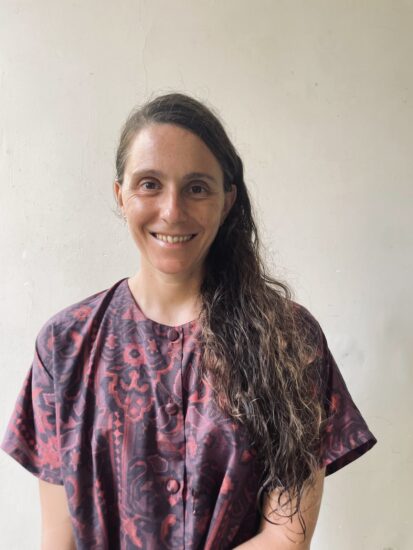
נולדה ב-1984 בקייב, אוקראינה, כיום חיה ופועלת בתל אביב.
יוצרת וחוקרת גוף רב-תחומית, פרפורמרית ומורה. יצירות הוידיאו-דאנס שלה הוקרנו במבחר פסטיבלים בארץ ובעולם (ביניהם Cinedans, Cyprus Film Festival, Burgundy Video Dance Festival, בית הנסן). בעלת קשת רחבה של הכשרה פיזית ואקדמית, ומחפשת ליצור חיבורים וקשרים חדשים בין גופי ידע שמדברים מטבעם בשפות שונות. בשנים האחרונות חוקרת את הממשק בין תנועה ומילים; דרכים ליצור חומר כוריאוגרפי בזמן אמת; תנועה בתוך מים ומחולות ממערב אפריקה. מלמדת שנים רבות בפרויקט “קהילה בתנועה” המקיימת שיעורי מחול עבור א.נשים החיים עם מחלת הפרקינסון (סטודיו יסמין גודר), כמו גם יוגה ופילאטיס באופן פרטי.
Jenny Birger
Born in 1984 in Kyiv, Ukraine, currently lives and works in Tel Aviv.
A multidisciplinary artist and researcher, performer, and teacher. Her video-dance works have been screened at selected festivals in Israel and abroad (including Cinedans, Cyprus Film Festival, Burgundy Video Dance Festival, Hansen House). She holds a wide range of physical and academic training and seeks to create new connections and links between bodies of knowledge that naturally speak different languages.
In recent years, she has been researching the interface between movement and words; ways of creating choreographic material in real time; movement in water; and dances from West Africa. She has been teaching for many years in the project Movement Communities, which holds dance classes for people living with Parkinson’s disease (Yasmeen Godder Studio), as well as teaching yoga and Pilates privately.