
Ella Greenbaum’s Reflections on 1|2|3 MIX- Program 1
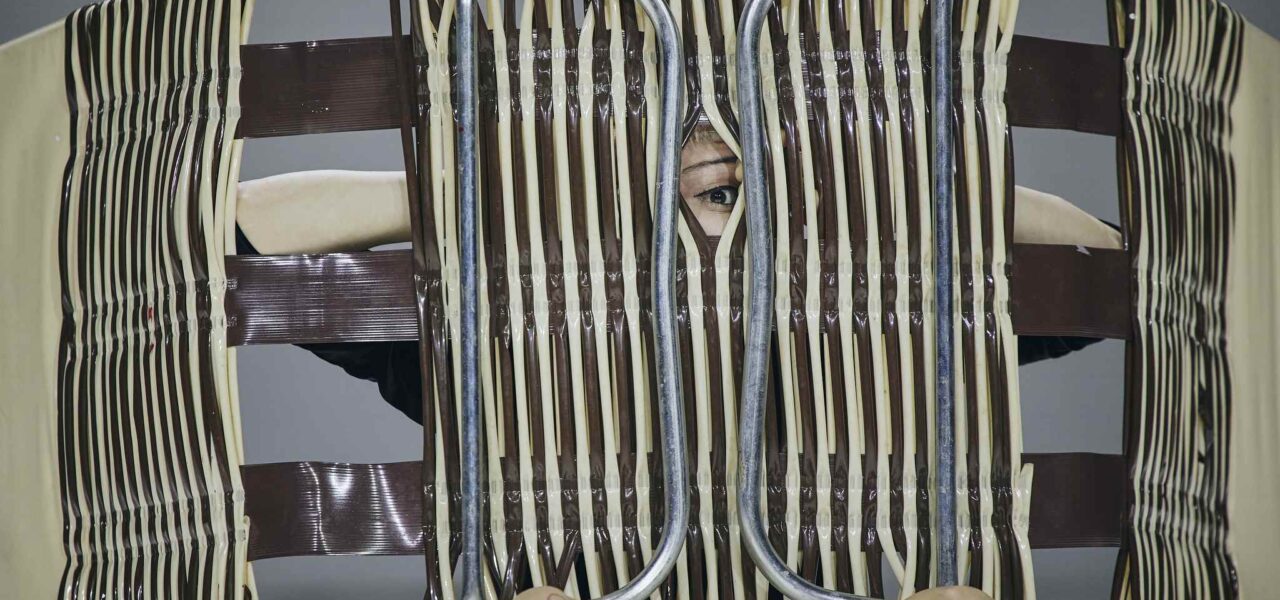
*Photo by Jan Rusek
*English Follows
מחשבות על 1I2I3 MIX- תכנית א מאת אלה גרינבום
ערב יצירות נבחרות מתוך שלושת המהדורות האחרונות של תוכנית 3|2|1 – הבמה ליוצרים צעירים של מרכז סוזן דלל.
מתוך התכניה: “התוכנית משמשת כחממה לדור הבא של כוריאוגרפיות.ים ישראליות.ים, מטפחת קולות חדשים המשקפים את הרב-גוניות של הנוף והזהות הישראליים. התוכנית מלווה את המשתתפות.ים במסע האמנותי שלהן.ם, מספקת להן.ם את הזמן והמרחב הדרושים לפיתוח טכניקות כוריאוגרפיות, חידוד קולן.ם האמנותי וחקירת הנטיות היצירתיות שלהן.ם. יתרה מכך, הפלטפורמה מספקת… הזדמנויות ליצור עבור בתי ספר למחול ולהקות צעירות בארץ ובחו”ל ועוד.״
היש יותר טוב מזה? חלומם הגדול של כל רקדן ורקדנית, של כל יוצר ויוצרת!
יש חגיגיות ואגדתיות במתחם של מרכז סוזן דלל, כבר מההגעה לרחבה או לבאר של תיאטרון ענבל, כמו ארמון של נסיכות, לשהות שם ולו לרגע מרגיש כמו בועה נפרדת מהעיר. אז בשילוב של כל התמיכה הנ”ל, כל נסיכה משתדרגת מיד למלכה.
ובכן, הלכתי להציץ בדור הבא של נסיכויות המחול.
צפיתי במקבץ הראשון (היו שתי תכניות אחת אחרי השניה באותו ערב) עם היוצרים.ות: הילה נחשונוב, אבשלום לטוכה, רון כהן, אופיר קונש ואורחת אמריקאית – צ’רלי סנטגדו. בניגוד לשאר המשתתפים הנבחרים, סנטגדו לא פיתחה את הסולו שלה כחלק מ1I2I3, אלא נצפתה על ידי מנהלת האומנותית של מרכז סוזן דלל נעמי פרלוב והוזמנה לארץ להצטרף לחגיגות. בעצם, סנטגדו היא אחת משני אורחים בינלאומיים המופיעים בתל אביב דאנס השנה, פסטיבל שבעבר הציג מבחר רב של יצירות מחו״ל.
הקסם של אולם דלל (סוזן דלל האולם הגדול) עבד עליי מיד. כבר בשנייה הראשונה של המופע הפותח “nohow”, נראה פריים סוריאליסטי ומרתק: הרקדנית והיוצרת צ’רלי סנטגדו במרכז הבמה שוכבת על מיטה מתקפלת, מעין מיטת שיזוף של פעם, מוקפת בעיגול תאורה. לאורך המופע היא עושה שימוש מעניין בחפץ הזה, רגע אחד הוא מעקה, רגע כנפיים, רגע גדר הגנה קטנה מאחוריה היא מסתתרת.
ניכר בעבודה סינכרון מושלם בינה לבין החפץ. היא גם עוזבת אותו בשלב מסויים ונעה בלעדיו. טקסט של סמואל בקט המוקלט בקולה מלווה אותה וזה מוסיף לתיאטרליות הסוריאליסטית ולסינכרון, להלימה בין הפעולה, החפץ והטקסט. לא זיהיתי מהיכן הוא לקוח ולא היה מידע נוסף אודותיו בתכנייה. התקבל אצלי הרושם שהוא שלה לגמרי. המופע הסתיים במשפט Breathe that void. נשמנו, היא, אני והקהל אל הריק.
האם המופע היה מרשים אותי באותה מידה במקום אחר, קטן יותר? חלל פרינג’י או סטודיו? משערת שכן, יש בה וירטואוזיות. אבל הקסם של הבמה הגדולה של סוזן דלל הרים ליצירה גבוה.
היצירה השניה, “בעיית שלושת הגופים”, מאת אבשלום לטוכה מבוצע יחד עם אופיר קוניש ורוני כהן.
בכלל לא הרגשתי את הבעייתיות, דווקא להיפך! שלושת הרקדנים לבושים באותה תלבושת המאחדת אותם. הם מתקשרים בשפה תנועתית אנרגטית מדויקת וברורה להם, עוברים מעל, מתחת ובתוך המשולש שלהם, מתגלים ומתגלגלים כמציירים לולאות אינסופיות בינם לבין עצמם, כמתאגרפים ללא האגרוף, כמו שיחה קולחת בלתי פוסקת, יוצרים צורות בחלל.
זהו שיח דינמי, אנרגטי, ללא מילים, שנראה כי נאמר בו המון ויחד עם זאת, הם מאוד קשובים אחד לשני, לשלישית. התנועה כל הזמן מתחדשת, כמו מתווספות עוד ועוד מחשבות ורגשות ואי אפשר להסיט את המבט לרגע שלא לפספס איזו “מילה” ממה שנוצר בעזרת הגוף. האינטנסיביות של השיח הלכה והתגברה עד שבסוף העבודה הרגשתי צורך לעצום עיניים לרגע, להתנתק מהתנועה כדי לעבד אותן.
בדיוק אז השיח נגמר בבת אחת, הם לקחו אותו למקום אחר, פינו את הבמה והיא נשארה ריקה, מושמע שיר של קרוסבי סטילס ונאש Helplessly Hoping על במה ריקה ומוארת.
ב”אנוש” מאת ובביצוע על ידי רון כהן, פס תאורה קסום האיר שביל אורכי על הבמה. הוא הולך בו, כולו כפוף, בגופיית סבא ומכנסיים מחוייטים שחורים, לצלילי מוזיקת פופ פרסית. אני מחבבת את הסבא הזה. הוא מוכר לי מאירועים משפחתיים, של כל העדות. אני כבר יודעת שהוא בא לספר סיפור. פתאום הוא משתנה והופך בבת אחת לשאר הדמויות במשפחה. רגע אחד הוא הנער המתבגר, אולי הדוד השיכור, רגע אחר אולי זה הפעוט בן השנתיים שמנסה להשתלב. הם כולם קיימים בגוף הזה שהולך וחוזר על פס האור, אולי זו דרך, מסע של החיים ושל משפחה בגוף אחד. המחקר של רון של השפה התנועתית שכנראה מוכרת לו מהבית מורגש כאן. נראה שניסה למצוא את המחול המודרני בשילוב “המחול האנושי” ולתת אמירה אישית לכל אחד. הערכתי את ההומור והאומץ בעבודה ואת היכולת להביא שפה תנועתית אחרת, פראית, ראשונית, כביכול “לא מלומדת” לתוך גוף מלומד. הייתי רוצה לצפות ביצירה הזאת באורך מלא. יש תחושה שהמסע הזה ארוך יותר ממה שנוצר כאן.
ב “ארבע”, מאת אופיר קונש בביצועו עם מאיה נבות, דווקא יש זוג. שניהם לובשים שחור ונעים ביחד ללא מוזיקה. גם כאן מורגשת התקשורת ביניהם. שיח ללא מילים. גוף מדבר. לא הבנתי את השיחה וכנראה גם לא ניסיתי להבין. מצאתי את עצמי משחררת את הניסיון לתמלל ולהבין כל צד בראש, התמסרתי לזרימה בין שני הגופים. הם קצת הזכירו בשפתם את התקשורת של המופע השני, כעת, בזוג, התקשורת היתה יותר איטית, קשובה ועדינה.
היצירה האחרונה בערב היתה “המנדרין המופלא” של הילה נחשונוב, בביצועה יחד עם מיקה שיינפלד ושירה גלינקה. הטריו נוצר על מוזיקת בלט באותו שם, מאת המלחין ההונגרי בלה בארטוק. מוסיקה אינטנסיבית לסיפור של פיתוי, רצח ואהבה.
שלושת הרקדניות, עוצמתיות ביותר, מהלכות בצעדים נחושים יחד ואחת כנגד השניה כפועלות עסוקות. הן משרות אווירה של סרט נע, מהפכה תעשייתית, האדם כמכונה. מה יקרה אם אחת תצא מהשורה? האם יתפרקו? אולי לרגע, אך מיד יחזרו לסידרן במשמעת מופתית. האם הן הגברים השודדים מהסיפור או אולי שלושתן הן הנערה הפתיינית? אולי גם וגם?
הערב מסתיים במחיאות כפיים סוערות
כראוי לנסיכות ומלכות.
אני הולכת הביתה כסינדרלה אחרי הנשף, הקסמים והאורות המלכותיים של ההיכל עדיין איתי.
1I2I3 MIX- תכנית א הוצג ב11.8 באולם דלל במסגרת פסטיבל תל אביב דאנס של מרכז סוזן דלל.
Ella Greenbaum’s Reflections on 1|2|3 MIX- Program 1
By Ella Greenbaum
An evening of selected works from the last three editions of the 1|2|3 program, the Suzanne Dellal Centre’s platform for new and emerging choreographers.
From the program notes:
“The program serves as an incubator for the next generation of Israeli choreographers, nurturing new voices that reflect the diversity of the Israeli landscape and identity. It accompanies participants on their artistic journey, providing them with the time and space needed to develop choreographic techniques, refine their artistic voice, and explore their creative inclinations. Moreover, the platform offers opportunities in Israel and abroad.”
Is there anything better than that? The great dream of every dancer, of every creator!
There’s something fairy tale-like about the Suzanne Dellal Centre, just arriving at the courtyard or the well next to Inbal Dance Theater feels like stepping into a princess’s palace. Being there, even for a moment, feels like a bubble separate from the city. And with all the support of 1|2|3, every princess immediately levels up to a queen.
So I went to take a peek at the next generation of dance royalty.
I watched the first set of works (there were two programs presented in succession that evening) by the creators: Hila Nachshonov, Avshalom Latucha, Ron Cohen, Ophir Kunesch, and American guest Charly Santagado.
Unlike the other selected participants, Santagado did not develop her solo as part of 1|2|3. She was spotted by Naomi Perlov, Artistic Director of the Suzanne Dellal Centre, and invited to Israel to join the celebrations. In fact, Santagado is one of two international guests performing at Tel Aviv Dance Festival this year, an event that usually presents many international works.
The magic of the Dellal Hall (Suzanne Dellal’s largest theater) entranced me immediately.
From the very first second of the opening piece, Nohow, the stage revealed a surreal and captivating image: dancer and creator Charly Santagado lay at the center on a folding bed, a kind of old fashioned lawnchair, surrounded by a circle of light. Throughout the performance, she used this object in fascinating ways: at one moment it was a railing, then wings, then a small protective fence behind which she hid.
There was perfect synchronicity between her and the object. At some point, she abandoned it and danced on her own. A text by Samuel Beckett, recorded in her own voice, accompanied her, adding to the surreal theatricality and to the alignment between movement, object, and text. I didn’t recognize the text’s origin, and no further information was provided in the program. It left the impression that it was entirely hers. The performance ended with the phrase: Breathe that void. We breathed, she, the audience, and I, into the emptiness.
Would the piece have impressed me as much in a smaller venue, like a fringe space or studio? I think so. She has a rare kind of virtuosity. But the magic of the big Suzanne Dellal stage elevated the work immensely.
The second piece, The Three-Body Problem, by Avshalom Latucha, was performed together with Ophir Kunesch and Roni Cohen.
To me, there was no “problem”, actually quite the opposite.
The three dancers wore identical costumes, unifying them. They communicated in a precise, energetic movement language unique to them, moving over, under, and through their triangle, revealing and revolving as if painting endless loops between them, like boxers without boxing, like an unending flowing conversation, creating shapes in space.
It was a dynamic, wordless dialogue, rich with meaning, and simultaneously full of attentiveness to each other. The movement constantly renewed itself, like a stream of evolving thoughts and emotions. You couldn’t look away for a moment without missing a “word” formed by the body. The intensity of this dialogue grew and grew, until at the end I felt the need to close my eyes for a moment, to detach from the motion and process it.
And just then, the dialogue ended abruptly. They shifted the mood, cleared the stage, and it was left empty, with Crosby Stills & Nash’s Helplessly Hoping playing on a lit, vacant stage.
In Anush, created and performed by Ron Cohen, a magical lighting strip illuminated a path down the center of the stage. He walked on it, hunched over, wearing a sleeveless undershirt and black tailored pants, to the sound of Persian pop music. I liked this “grandpa.” He felt familiar, from family events of all cultures. I already knew he had come to tell a story.
Suddenly he changed, morphing into the other family characters. One moment he was a teenager, the drunk uncle, then perhaps a two year old trying to fit in. All of them existed in this one body, walking back and forth along the light path, perhaps symbolizing life’s journey or the path of a family within one body.
Ron’s exploration of a movement language likely rooted in his home was deeply felt here. It seemed he sought to blend modern dance with “human dance” and to give each character a personal statement. I appreciated the humor and bravery in the piece and the ability to bring a different, raw, untamed, seemingly “untrained” movement language into a trained body.
I would love to see this work in full length. It feels like the journey he began here is longer than what was shown.
In Arba (Four), by Ophir Kunesch, performed with Maya Navot, we see a duet.
Both wear black and move together in silence.
Again, the communication between them is felt. A wordless dialogue. Bodies speaking. I didn’t understand the “conversation,” and I didn’t try to. I found myself letting go of the need to interpret each step. I surrendered to the flow between the two bodies. Their movement language somewhat recalled the second performance, but here, as a duet, the interaction was slower, more attentive, and delicate.
The final piece of the evening was The Miraculous Mandarin by Hila Nachshonov, performed with Mika Sheinfeld and Shira Galinka.
This trio was set to the intense ballet music of the same name by Hungarian composer Béla Bartók, a score that tells a tale of seduction, murder, and love.
The three dancers, incredibly powerful, moved with determined steps together and against each other, like busy workers. They exuded the atmosphere of an assembly line, of the industrial revolution, humans as machines.
What would happen if one broke out of formation? Would it all collapse? Maybe for a moment, but they quickly returned to disciplined precision. Are they the male robbers from the original story? Or are all three the seductive girl? Perhaps both?
The evening ended with thunderous applause as befits princesses and queens.
I left the theater like Cinderella after the ball, the magic and royal lights of the palace still lingering within me.
1|2|3 Mix- Program 1 was presented on August 11, 2025 in the Dellal Hall as part of the Suzanne Dellal Centre’s Tel Aviv Dance Festival.
אלה גרינבום- כותבת 
אלה גרינבום היא כוריאוגרפית ואמנית רב תחומית הפועלת בתל אביב-יפו. אלה למדה בתיכון הגימנסיה העברית במסלול תולדות האמנות וציור. בשנים 2001-2005 למדה בבצלאל אקדמיה לאמנות ועיצוב ירושלים, במחלקה לאנימציה. סרט הגמר שלה ״Wonderwoman״, זכה בציון לשבח בפסטיבל הבינלאומי לסרטי נשים ברחובות, והוצג בתערוכת אמניות עצמאיות בבית אנה טיכו בירושלים. עם סיום לימודיה בבצלאל החלה להשתלם במחול מזרחי והשתתפה במיצגים שונים כרקדנית, זמרת ושחקנית, בניהם: ״ערס פואטיקה״ – ערבי שירה שייסדה המשוררת עדי קיסר בתל אביב, ״אישה ללא בית” מאת ראידה אדון במוזיאון תל אביב לאמנות, “הנאשם הראשון” מאת סהר עזימי במוזיאון ישראל, וכן במופעים של להקות המוזיקה ״מידנייט פיקוקס״, ״וואצ’ומה בנד״, יוסי פיין ובן אילון, מקהלת אלשייך ומקהלת ראנה. משנת 2009 חברה בלהקת המחול של הכוריאוגרפית אורלי פורטל, איתה היא מופיעה באופן קבוע ביצירות שונות. גרינבוים התמחתה במחול מזרחי בסמינר הקיבוצים ובבי”ס ערבסק ירושלים, במוזיקה ותורת המקאם בבי”ס מוסררה וכן היא מדריכת פילאטיס מוסמכת מטעם Pilates Sports Center – PSC. אלה הצטרפה לעמותת הכוריאוגרפים בשנת 2022 ומשתתפת בשלל פרויקטים של העמותה כולל ׳חיים בתנועה׳.
בין היצירות שלה ׳בנות הים שרות׳, ׳כוכבת המזרח׳ ו׳דרך הלב׳, ׳פעמוני רוח׳, ׳דלת לחדר׳, ו׳לילתי- הלילה שלי׳.
Ella Greenbaum is a choreographer and multi-disciplinary artist working in Tel Aviv. Ella studied in the Hebrew Gymnasium High School’s program for art history. From 2001-2005, she studied at Bezalel Academy of Art and Design in Jerusalem in the animation department. Her final film “Wonderwoman” won the Audience Choice Award at the International Women’s Film Festival in Rehovot and was presented in exhibitions in the Anno Ticho Museum in Jerusalem. Upon finishing her studies, Ella began studying eastern dance, performing as a dancer, singer and actress is various installations, among them ‘Ars Poetica’- poetry evenings in Tel Aviv established by Adi Keisar, ‘Homeless Woman’ by Raida Adon at the Tel Aviv Museum of Art, ‘First Ladies’ by Sahar Azimi and the Israel Museum as well as with the music groups ‘Midnight Peacocks’, ‘Watchoma Band’, Yossi Fein and Ben Eylon, El Sheikh Choir and Rana Choir. In 2009, Ella joined Orly Portal Dance Company with whom she performed regularly. Ella specialized in eastern dances at the Kibbutzim College and at the Arabesque School in Jerusalem and studied music at the Musrara School for New Music Studies. She received certification from the Pilates Sport Center. Ella joined the Israel Choreographers’ Association in 2022. She has been part of the Creative Writing team since 2024