לשמור על האש מאת אלה גרינבום | בתגובה למפגש בין פלמנקו למחול אפריקאי בפסטיבל הפלמנקו הניסיוני
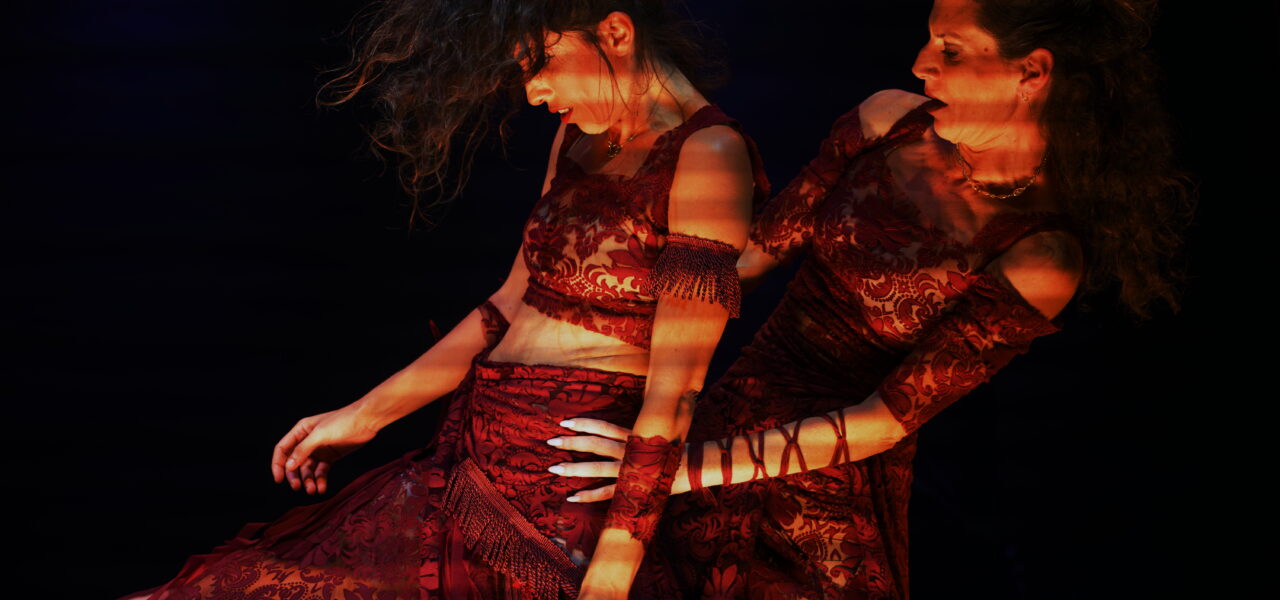
*צילום אילן פורת
*English follows
שישי בצהריים. זהו היום השני של פסטיבל Fex, פסטיבל פלמנקו אקספרימנטלי שמתרחש בתיאטרון הבית ביפו (בנוסף במרכז תרבות מנדל ומרכז תרבות תאו הרצליה), בניהול הרקדנית והכוריאוגרפית אדוה ירמיהו.
הפסטיבל מוקדש לפלמנקו פתוח, עכשווי וניסיוני ומשלב בין ריקוד, שירה ומוזיקה לבין תחומי אמנות נוספים.
בחלל הכניסה מופיעה גאיה ליברמן קונטיני עם יצירה שלה בשיתוף יותם גת – Hueco. (פער, חור, בספרדית). היצירה היא פרשנות חדשה למחזה הטראגי ירמה (עקרה) מאת פדריקו גרסיה לורקה בתרגום לעברית, על לידה, הורות ואובדן. גאיה לבושה בלבן רוקדת ריקוד של עצב, תשוקה וכאב. היא לוקחת אותנו עמוק לתוך הקושי, דרך טפיפות נעלי העקב, דרך תנועות חדות והנפת צעיף חוטים לבן החותכים את האוויר. המופע מסתיים בדם שניגר על הרצפה הלבנה, עליה ציירה רישומי כפר בתחילתו.
במעבר חד מובילות אותנו סדרניות התיאטרון לאולם. הבמה מלאה בכלי נגינה, קלידים, מגוון כלי הקשה, תופים ונבל אפריקאיים. מיכל ברט ויעל שרוני מתחילות את המופע בדואט שמשלב בין שתי תרבויות, פלמנקו ומערב אפריקה. לבושות בשמלות ופיסות בדים בצבע בורדו ארגמני. הן ממלאות את הבמה בתנועות ומקצבים סוחפים, מבליטות כל אחת את הייחודיות של תורת הגוף והתרבות אליה התמסרו כל חייהן, באהבה רבה.
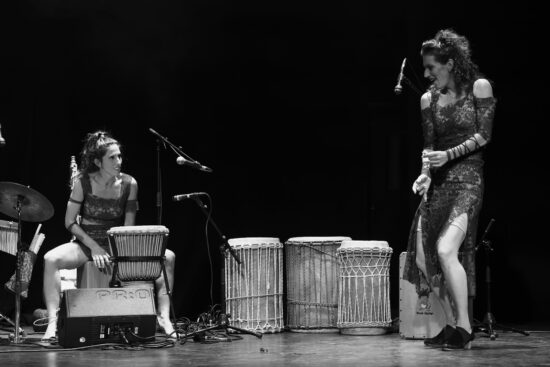 זהו דיאלוג של עוצמה ואש דומות ושונות. כל תנועה מסמלת ומראה תרבות, שפה ומפעל חיים ולעיתים השפות מתמזגות כאחיות. הקהל מריע בקריאות “אולה”.
“בשבילי לשמור על האש זה לשמור על הפעימה, על החיות, על השמחה ועל החיבור בין אנשים.” כך מספרת יעל. שנים רבות היא מלמדת מחול אפריקאי ומדמה את השיעורים לשמירה על אש משותפת. אש שנוצרת בלבבות של אנשים, בקצב, בתנועה ובמפגש ביניהם.
“חשוב לי לשמור על האש הזאת, בלי קשר לגודל הלהבה. לפעמים מגיעים שני אנשים ולפעמים עשרים. לפעמים הלהבה גדולה וסוערת ולפעמים היא קטנה ועדינה אבל כל עוד היא בוערת, יש חיים, יש תנועה ויש חיבור.”
“האש היא תחושה שנמצאת בתוך הבטן”, מוסיפה מיכל. “היא מקור לחיים, למוטיבציה, לתנועה ולחיבור. היא אחת המהויות הבסיסיות וההכרחיות בחיי האמנותיים והרגשיים. היא חום, חיות ואור ומשתנה כל הזמן – בעוצמה שלה, בנוכחות ובנראות, אבל בו בזמן נשארת ההוויה הבסיסית שלה. לשמור עליה עבורי זה להמשיך להזין אותה, לאפשר לה להזין אותי, ולהמשיך להפרות את עצמי מתוכה, דרך יצירה, השתנות ועוצמה. “
החיבור בין יעל ומיכל מתבקש וכמו מובן מאליו. שתיהן התמסרו במשך שנים ללמידת תרבות אחרת, שלא נולדו אליה. שתי השפות התנועתיות נולדו מתוך החיבור למוסיקה, לקצב ולאדמה. כעת, לאחר שנים של התמסרות למסורת, יש להן רצון לבטא את הסגנון הייחודי שלהן בתוך השפות. החיבור בין השפות הוא חדשני בפני עצמו ובתוכו עדיין בולטות המסורות התנועתיות, כל אחת עם השורשיות והמובהקות שלה.
“כל חיי ניגנתי ורקדתי, מספרת יעל, אבל במשך שנים היו אלה שני שבילים נפרדים. בנעוריי במהלך לימודי התיפוף פגשתי לראשונה את הד’גמבה ונחשפתי למוסיקה האפריקאית. גיליתי בה את הכוח והאנרגיה של נגינה בקבוצה ושהמוסיקה, הקצב והתנועה אינם נפרדים זה מזה, אלא מתקיימים כשפה אחת חיה ונושמת.”
מיכל למדה במגמת מחול בבית ספר לאמנויות. “כשהייתי בת 16 במקרה ראיתי מופע פלמנקו. חוויתי חוויה גופנית, חושית ורגשית חזקה מאוד, כמעט מיסטית. כבר באותו ערב, הודעתי לאמא שלי שלמחרת אני מתחילה ללמוד פלמנקו. וכך היה. נכנסתי לעולם מוזיקלי, תנועתי וקצבי ונשאבתי לתוכו ברעב ובתשוקה שרק הולכים ומתגברים עם השנים.”
השפות זולגות אחת לתוך השניה וההבדלים לעיתים נמסים לתוך הקצב. תנועות פלמנקו על מקצב אפריקאי ותנועות אפריקאיות על מקצבי פלמנקו, זהו חידוש של ממש ויכול להתפרש כשבירת המסורת, או כקריאת תיגר עליה. אני מעדיפה להתמקד בחידוש ובהנאה שיוצרת האש החדשה.
“המאסטרים והמורים שלי תמיד הדגישו שהמטרה היא לא לחקות את התרבות שלהם אחד לאחד, אלא לקחת ממנה השראה, להפנים אותה ולצקת לתוכה את העולם האישי ואת השפה הייחודית שלנו;” מספרת יעל.
“שילובים בין עולמות ומדיומים שונים מרתקים אותי”, מוסיפה מיכל.
“בעיניי, הפלמנקו הוא מנוע, השראה וכלי מוזיקלי, תנועתי וקצבי, שלתוכו אפשר לצקת משמעויות חדשות. החיפוש אחר קול אישי הוא בלב העשייה האמנותית והחינוכית שלי.”
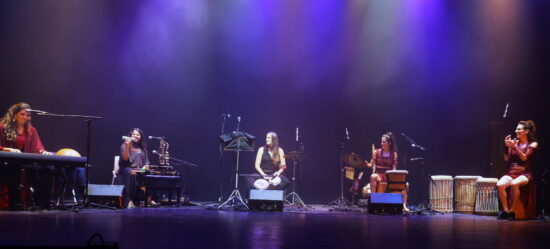 הכל מתחיל מהחיבור של מוסיקה-תנועה-חיים ואכן לאחר כמה ריקודים מצטרפות לבמה האנסמבל המוסיקלי הנשי- “קומתי” של הזמרות ומוסיקאיות שיר לב ממן, קרן לוגסי יעקב ועידית דביר. האנסמבל הוקם לפני המופע, בלי קשר אליו, אך ליוצרות היה ברור שהן מעוניינות לארח אותו ולהתארח בו כעת.
ואכן, יעל ומיכל מחליפות בו תפקידים מספר פעמים, מנגנות על מספר כלים ושרות בטבעיות, שולטות במנגינות ובמקצבים ממש כמו שהן רוקדות, כי הרי אין הפרדה בין ריקוד לנגינה כאן. שוב החלל מתמלא קצב עוצמתי, של אש התשוקה שגם עוטפת, מכילה ורכה בו זמנית, בקסם, בהקשבה והרמוניה בין כולן, כאילו ניגנו ביחד מלידה, באותו הכפר.
בשיח האמניות של אחרי המופע, בהובלת ד”ר עידית סוסליק, חוקרת ומרצה על מחול, הן מדברות על החיבור ביניהן, על הקצב והחיבור לקרקע ולאדמה שיש בשתי השפות, על אנרגיה שנובעת מתוך הבטן, שמאפשרת חופש יצירתי ותנועתי ואותנטיות. זוהי יצירה שנוצרה באהבה ומתוך אהבה, השראה והקשבה שיש ביניהן.
אני יוצאת מתיאטרון הבית בלב מלא צבעי ארגמן כמו יין אדום משובח ונתקלת בהמון גברי שיצא ממשחק כדורגל באצטדיון בלומפילד, לבושים כחול וצהוב. החדות הזאת לא מפריעה לי ואני מרשה לעצמי להתעלם מהם ולהיבלע בשקיעה בשמי הפסטל לשבת ארגמנית, מכילה, עוטפת ורכה ובליבי להבה שלא תיכבה לעולם.
מיכל ברט ויעל שרוני הציגו את Iya Ina ב6.11.2026 בפסטיבל FEX.
Keeping the Fire Alive by Ella Greenbaum | A Response to the Meeting of Flamenco and West African Dance at FEX Festival
Friday afternoon. It is the second day of FEX, an experimental flamenco festival taking place at Habait Theater in Jaffa (as well as at the Mandel Cultural Center and TAO Herziliya), under the artistic direction of dancer and choreographer Adva Yermiyahu.
The festival is dedicated to open, contemporary, and experimental flamenco, bringing together dance, singing, and music with other artistic disciplines.
In the entrance hall, Gaia Liberman Contini performs Hueco (Spanish for gap or hole), a work she created in collaboration with Yotam Gat. The piece offers a new interpretation of Federico García Lorca’s tragic play Yerma (Barren), translated into Hebrew, exploring birth, parenthood, and loss. Dressed in white, Gaia performs a dance of sorrow, passion, and pain. She draws us deep into the struggle through the tapping of her heeled shoes, sharp movements, and the sweeping of a white fringed shawl that cuts through the air. The performance ends with blood spilling onto the white floor, where she had drawn images of a village at the beginning.
In an abrupt transition, the theater ushers lead us into the auditorium. The stage is filled with musical instruments: keyboards, various percussion instruments, drums, and African harps. Michal Bratt and Yael Sharoni begin the performance with a duet that brings together two cultures, flamenco and West African dance. Dressed in gowns and pieces of fabric in deep burgundy and crimson, they fill the stage with exhilarating movements and rhythms, each highlighting the distinctiveness of the movement tradition and culture to which she has devoted her life, with tremendous love.
It is a dialogue of power and fire, both similar and different. Every movement embodies and reveals a culture, a language, and a life’s work, and at times the two languages merge like sisters. The audience cheers with cries of “Olé!”
“For me, keeping the fire alive means preserving the pulse, the vitality, the joy, and the connection between people,” Yael explains. She has taught African dance for many years and likens her classes to tending a shared fire, a fire kindled in people’s hearts through rhythm, movement, and their encounters with one another.
“It is important to me to keep that fire alive, regardless of the size of the flame. Sometimes two people come, and sometimes twenty. Sometimes the flame is large and fierce, and sometimes it is small and delicate. But as long as it burns, there is life, there is movement, and there is connection.”
“Fire is a feeling that lives in the belly,” Michal adds. “It is a source of life, motivation, movement, and connection. It is one of the fundamental and essential elements of my artistic and emotional life. It is warmth, vitality, and light, constantly changing in its intensity, presence, and visibility, while its underlying essence remains the same. For me, keeping the fire alive means continuing to nourish it, allowing it to nourish me in return, and continuing to grow creatively from within it, through creation, transformation, and strength.”
The connection between Yael and Michal feels natural, almost inevitable. Both have devoted years to studying cultures into which they were not born. Both movement languages emerged from a connection to music, rhythm, and the earth. Now, after years of dedication to tradition, they want to express their individual styles within those languages. The meeting of the two forms is innovative in itself, yet each movement tradition remains distinct, with its own roots and unmistakable identity.
“All my life I played music and danced,” Yael explains, “but for many years these were two separate paths. As a teenager, while studying percussion, I first encountered the djembe and was introduced to African music. I discovered the power and energy of playing music in a group, and that music, rhythm, and movement are not separate from one another but exist as a single, living, breathing language.”
Michal studied dance at an arts school. “When I was 16, I happened to see a flamenco performance. I had an intense physical, sensory, and emotional experience, almost a mystical one. That very evening, I told my mother that the next day I was going to start studying flamenco. And that’s exactly what happened. I entered a world of music, movement, and rhythm and was drawn into it with a hunger and passion that have only grown stronger over the years.”
The languages flow into one another, and their differences sometimes dissolve into the rhythm. Flamenco movements performed to African rhythms and African movements performed to flamenco rhythms constitute a genuine innovation, one that might be interpreted as breaking with tradition or challenging it. I prefer to focus on the innovation and the pleasure generated by this new fire.
“My masters and teachers always emphasized that the goal was not to imitate their culture exactly, but to draw inspiration from it, internalize it, and infuse it with our personal worlds and our own unique language,” Yael explains.
“Combinations of different worlds and mediums fascinate me,” Michal adds.
“To me, flamenco is a driving force, a source of inspiration, and a musical, movement-based, and rhythmic tool into which new meanings can be poured. The search for a personal voice is at the heart of my artistic and educational practice.”
Everything begins with the connection between music, movement, and life. Indeed, after several dances, the all-female musical ensemble Kumati joins them onstage, featuring singers and musicians Shir Levy Mamon, Keren Lugasi Yaakov, and Idit Dvir. The ensemble was formed before the performance, independently of it, but the creators knew they wanted to invite the group into their work and, in turn, become part of its musical world.
And indeed, Yael and Michal switch roles several times, playing various instruments and singing with complete naturalness. They command the melodies and rhythms just as they command their dancing, because here there is no separation between dance and music. Once again, the space fills with powerful rhythm, with the fire of passion that is simultaneously embracing, nurturing, and gentle. There is magic in the attentiveness and harmony among all the women, as though they had been playing together since birth, in the same village.
In the post-performance artist talk, moderated by Dr. Idit Suslik, a dance researcher and lecturer, they discuss their connection, the rhythm and grounding in the earth shared by both movement languages, and an energy that emerges from deep within the belly, allowing creative and physical freedom and authenticity. This is a work created with love and out of love, inspiration, and mutual attentiveness.
I leave Habait Theater with my heart full of crimson hues, like a fine red wine, and encounter a crowd of men emerging from a football match at Bloomfield Stadium, dressed in blue and yellow. The sharp contrast does not disturb me. I allow myself to ignore them and disappear into the sunset, into the pastel skies of a crimson Sabbath, embracing, enveloping, and soft, with a flame in my heart that will never go out.
Michal Bratt and Yael Sharoni presented ‘Iya Ina’ on November 6, 2026 at part of FEX Festival.
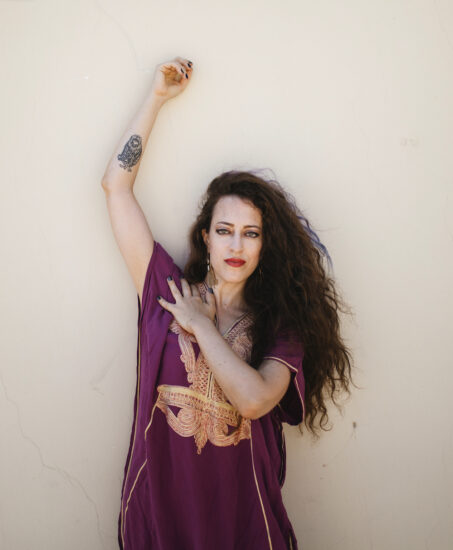
אלה גרינבאום היא כוריאוגרפית, פרפורמרית ואמנית רב־תחומית. עבודתה משלבת מחול מזרחי, מוזיקה, אמנות חזותית ופרפורמנס, ומחפשת דרכים חדשות לספר סיפורים דרך הגוף.
Ella Greenbaum is a choreographer, performer, and multidisciplinary artist whose work draws from Middle Eastern dance, visual art, music, and performance. She has collaborated with leading artists across Israel while developing an independent choreographic practice rooted in cultural dialogue and physical storytelling.