
לאן? | שרון ולבסקי על סרטו של אסף מכנס
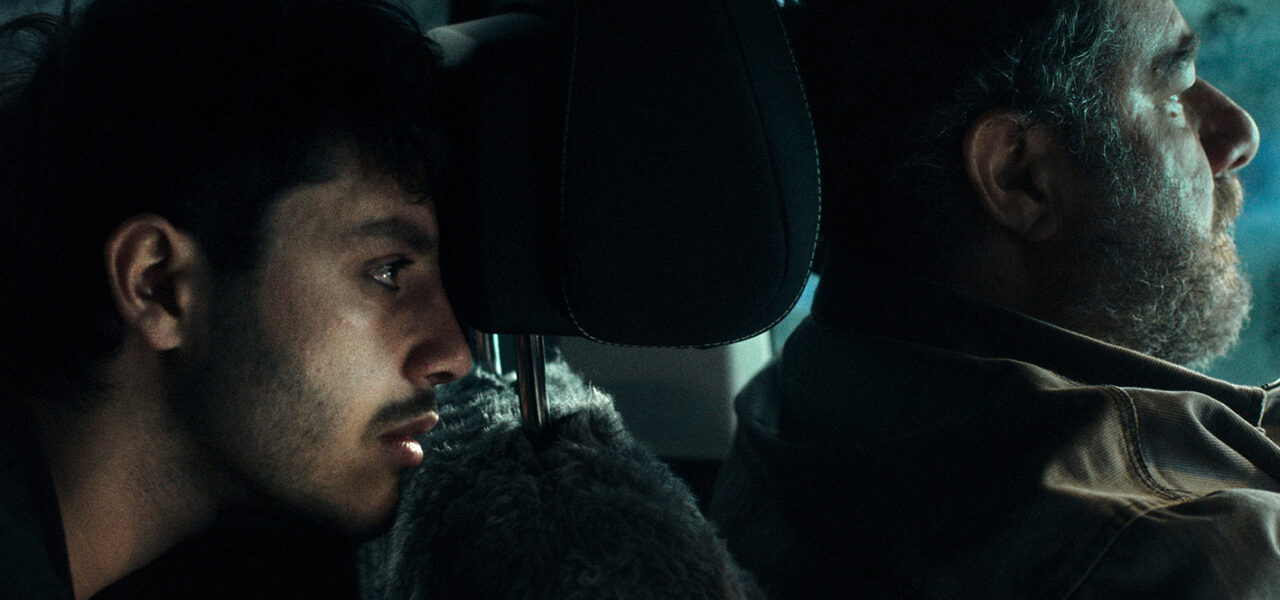
*תמונה באדיבות קולנוע לב
*English follows
לפעמים לא נעים להודות עד כמה אני אוהבת קולנוע ישראלי.
לא נעים לי להודות שאני לא יודעת הרבה על אלמודובר או על טרנטינו. לא נעים להודות מכמה שאני מתחרמנת מקולנוע ישראלי בו בזמן שיש מי שפוטרים אותו כנישה נחותה. כל-כך לא נעים לי להודות שאני הרבה פעמים מוצאת את עצמי הולכת להקרנות לבד. הולכת לבד לפסטיבלים, גם סרטי סטודנטים, רק תביאו. מתגנבת לאולם חרישית. לפעמים גם אחרי שהצעתי לכל חבריי לבוא ואף אחד לא נענה, אבל רגליי לוקחות אותי בכל זאת ואני הולכת. וזהו, עכשיו אני כבר מספיק בטוחה לצאת עם זה – עם כמה שאני אוהבת קולנוע ישראלי. מספיק כדי לצאת לבד.
אז היה עוד ערב כזה, שם הסרט: “לאן”, כבר אהבתי.
מה יותר נכון ויפה וסבוך מהמילה “לאן”. מה ישראלי בעיני? לאן.
המילה לאן, תמיד שייכת, תמיד רלוונטית. תמיד נכונה. חייבים לנסוע, אבל לאן? בטח שנחזור, אבל לאן? וגם…בסדר, ננסה, מי יודע לאן נגיע. ידידי אסף קוגלר מספר שברחוב פיירברג בתל אביב יש שתי סמטאות – לאן א’, לאן ב’ – לקוחות מן הנובלה של פיירברג “לאן” שטרם קראתי. גם אני, נצר לשושלת “לאן” ארוכה, דורות שעברו מכאן לשם; מעיראק לאיראן, להודו, לאמריקה, ואנגליה, מווארשה לארץ ציון.
אז החלטתי לצאת מהבית וללכת לאן, שכבר קנה אותי רק עם השם. אני מתיישבת על אחד הכיסאות באולם של בית רדיקל, לא מכירה אף אחד אבל כבר בשניה הראשונה שהאור נכבה ועל המסך מופיע “לאן” באותיות גדולות. אני נרגעת ו… מרגישה בבית.
הלאן של כותר הסרט כתוב בעברית ובערבית יחד. איכשהו זה נראה לי די דומה. כמו תמונת מראה של אותו הדבר. הפונט מוצא חן בעיני, הלמד זולג לאלף ונשפך לנון הסופית. צורה יפה יש ללאן הזה בשתי השפות. אני אנסה לא לספיילר יותר מדי, הסרט יצא לאקרנים ב 19.11 ואתם כבר תחליטו לעצמכם, מעניין לאן יקח אתכם. אני בהחלט התרפקתי.
ראשית התרפקתי על דמותו של אמיר; צעיר ישראלי, שנוסע. לאן? לברלין, ברור. לא יוצא לי מהראש פרצופו האבוד והמוכר. לרגעים הזכיר לי את אחי הגדול, או אולי כל אח רנדומלי, ישראלי צעיר, השואל את עצמו “לאן” וחייב לזוז, מפה, לשם. גם אם עכשיו אנחנו כאן ה”לאן” אצלנו הוא תמיד גם כתובת, מצב קיומי.
בכל פעם שהפרצוף האבוד הזה פגש בפרצוף הבוגר של חסן רציתי לצאת מהאולם ולבכות קצת. מטען כבד של רגש צרוף שם בפגישה הזו. אבא ובן, פלסטיני וישראלי. כל מציאות חיינו הישראלית-פלסטינית נמצאת שם בין שני הפרצופים האלו. חסן – נהג מונית פלסטיני בן 55 שחי בברלין – פוגש באמיר, צעיר ישראלי, השורה הזו לבדה הספיקה כדי להוציא אותי בתשע בלילה לראות סרט לבד.
ונשאלת השאלה למה. אולי כישראלית אולי כדור שלישי ל־, נולדתי מכורה, נרקומנית של ‘פוליטיקת זהויות’, צורכת אותה עוד מהרחם, לא יכולה בלי.
לגור במדינה זרה תמיד סיקרן אותי, אבל גם לא משך מדי, ידעתי שמתחת לכל האומשפלאצים והמזרקות והיוניקלוז, השקט והיעילות, יושבת גם מנה גדושה של בדידות. והנה במפגש בין שני הפרצופים האלו של חסן ואמיר בארץ זרה יש חיבור פשוט, רגע של יחד שאפשר לנוח בו, להישען, אז נשענתי. על החיבור הזה נשען הסרט.
הצפייה נינוחה, בהחלט אפשר להישען, בלי שיאים או דרמות, משהו שמזכיר את קצב החיים עצמם. העלילה שטה על פני רצף זמן של כמה שנים ובין לבין מופיעה שקופית שמבהירה איפה אנחנו על ציר הזמן – באיזה חודש אנחנו ובאיזה שנה. תהיתי אם זה בכלל משנה, הרי היחסים האלו, החיבור הזה הוא לנצח. כל מפגש שהיה לי אי פעם עם פלסטיני, ולו הרנדומלי ביותר, נשא עמו מטען כבד וצורם יחד עם איזו תחושה ברורה של קרבה משפחתית. גם נעים, גם לא נעים באותה נשימה. אלפי שיחות נעשו ועוד ייעשו בין שתי הזהויות האלו.
אני בוחנת את הטענה ומשייטת בין מפגשים ושיחות כאלו שעולים בזיכרוני. אני נזכרת באבינתן אור, שסיפר בראיון ל״עובדה״ איך השובה שלו אמר לו לקראת השחרור: ״כשתחזור הביתה, תגיד שלום לאמא, לאבא. תיפגש עם חברים, יומיים, שלושה, ארבעה, שבוע, קח תיק, תארוז, וסע לאירופה״. ובשובה אחר, שהופיע ביומו האחרון בעזה והכניס לכיסו ציור מקופל. הוא צייר את אבינתן ישן, בימיו הראשונים בשבי.
בעצם, רק לפני כמה שבועות ישבתי לא רחוק מהכיסא הזה פה בבית רדיקל וצפיתי בהקרנה של טקס המשפחות השכולות לציון שלוש שנים לשבעה באוקטובר. בסרט הזה זה לא העיקר, השבעה באוקטובר הוא עוד תחנה על רצף הזמן, כמו נכנס לתסריט מכורח המציאות. הדמויות בסך הכל נקלעו לסיטואציה, עברו במקרה, הן מסיפור אחר. סיפור על חיפוש אחר אהבה. לא סתם הצפייה ממגנטת, את זה כולנו מכירים.
“זה סרט מאוד לא פוליטי” זרקה אחת התגובות בשיחה שאחרי עם היוצר. נכון. ואולי זה מה שממגנט בו, סתם סיפור קטן, נסיעה במונית. אהבות, אילו-אים, אכזבות, געגוע The common needs of cute human beings.
רוב הסרט מצולם בתוך מונית, הסצנות די חשוכות, נראה דל אמצעים, מעביר איזו תחושה של המידל איסט – אבל בברלין. דיאלוגים קצרים שפורטים היטב על מיתרי הלב ויורדים לתהום הנשמה.
החיבור הזה בין אמיר וחסן הוא שובה לב. חיבור של נשמות אבודות. שני מתבגרים, כל אחד בגילו. אותו חיבור שאין שני לו ועדיין גם לא ממש יכול להתממש. מיקרוקוסמוס של המציאות הישראלית-פלסטינית. דומים-קרובים, ועם זאת הכי רחוקים – הכי בבעיה. בסוף הסרט חסן פונה לאמיר ואומר לו “אמיר, אני מחבב אותך”. שתיקה. “וזה בעיה”. עוד שתיקה. “זה בעיה בשבילי”. הרווח בין שלושת המשפטים האלו, הרווח הזה הוא עולם ומלואו, כאילו כל הסרט חי ברווח ביניהם. שם, ברווח הזה, אפשר פשוט להיות, להשתחרר מהזהות.
בסצנה האחרונה תופס את אוזניי במיוחד אלמנט מוזיקלי, מין שירה־זעקה בווליום גבוה, כמו זעקה חרישית. הרבה עובר שם וללא הרבה מילים. חסן פוגש לראשונה את בן זוגה הנוכחי של בתו. המצלמה לא זזה ממנו, ועיניו לא זזות מזוג האוהבים הצעירים שמולו. זו אחת הפעמים הבודדות שהמצלמה לא מצלמת אותו כל כך מקרוב והמרחק כמו מאפשר לנו בפשטות להתבונן עליו ככה, כמו שהוא. עדשת המצלמה מתרחקת, הסיפור ממשיך איתנו או בלעדינו, וברקע ממשיכה כמו זעקה פנימית חזקה שלא יוצאת בקול.
אני כל כך אוהבת קולנוע ישראלי. האמת שכבר כשהייתי קטנה רציתי ללכת למגמת קולנוע אבל אבא לא הסכים. בעיה. הלכתי לביולוגיה. שנים שאני נמשכת לקולנוע ישראלי בסתר ליבי, רוצה ללמוד את זה, לעשות את זה, לצרוך את זה, אבל זה מין חיבור כזה שלא יכול להתממש. ונשאלת השאלה למה, מה כל כך מושך אותי בז’אנר הבלתי אפשרי (כלכלית) הזה. פיסות מציאות יפות ומכוערות מוקרנות על מסך גדול בתוך אולם חשוך. אפשר להישען ולהתבונן על קלוז אפים שלא תמיד מחמיאים אבל יש בהם הרים של אנושיות, והאנושיות היא תמיד מחמיאה ונוגעת. אולי בכלל האפשרות ליצור משהו שנשאר. וקולנוע ישראלי? אולי האובססיה ההיא מהרחם לפוליטיקת זהויות, אולי ההתרפקות לרגע על אמנות שלא צועקת את המציאות, אלא רק לוחשת אותה, לחישה קרובה כזו יכולה לפרוט חזק על מיתר הלב.
הסרט מסתיים ולא מעט אנשים נשארים לשיחה עם הבמאי והיוצר. הרבה שאלות נזרקות לאוויר ואסף עונה בכנות ובפשטות. הוא מרבה לדבר על היחסים שנרקמו בינו לבין השחקן שמשחק את חסן. אני יושבת על קצה הכיסא ומקשיבה בשקיקה לשאלות שנשאלות ולתשובות. אחד מהשואלים, בדיוק שב מברלין אחרי תשע שנים, על הדרך מתגלגלת ביניהם איזו שיחה על סאבלט שאולי חלקו. אחרי ההקרנה יש איזו עדינות באולם, נדמה שכולנו מאותו הכפר. הסרט נוגע בכל אותן נשמות עייפות שפלרטטו עם הגירה. בכל אותן נשמות אבודות שנמצאות איפשהו על הקו בחיפוש אחר אהבה. לא ציפיתי ש”לאן” ייקח אותי לשם. הסרט שאסף יצר יחד עם כל שותפיו המוכשרים מצליח לגעת בנושא רגיש ונפיץ, בעדינות גדולה.
“עוד מאה שנים יהיו פה יהודים, עוד מאה שנים יהיו פה ערבים. מה נבחר לעשות במאה שנים האלה. האם אתה רוצה שהילד שלי יהרוג את הילד שלך, והנכד שלך יהרוג את הילד שלי, או שנשכיל למצוא פתרון כדי שנוכל לחיות פה… כי ככה או ככה נהיה פה ביחד״ (אבינתן אור, מתוך ראיון ל״עובדה״, על דבריו לשובה שלו).
המילים האלו נשארות איתי גם כשאסף מסיע אותי לארץ אחרת, גם בפגישה מקרית במונית בברלין. לשם מגיעים גיבורי הסרט לא בגלל איזו עייפות פוליטית, לא בגלל מלחמה שלא נגמרת. הם פשוט נוסעים אחרי האהבה.
לפעמים אני תוהה אם הייתי יכולה בכלל בלי זה. בלי הצלחת הסבוכה הישראלית שנולדתי לתוכה, בלי כל הרבין והמלחמות והטילים ועזה והשואה והכל… מי הייתי.
Where To? | Sharon Valevski on Assaf Machnes’ Film
Sometimes it’s embarrassing to admit just how much I love Israeli cinema.
It’s embarrassing to admit that I don’t know much about Almodóvar or Tarantino. It’s embarrassing to admit how turned on I get by Israeli cinema, while some people dismiss it as an inferior niche. So embarrassing that I often find myself going to screenings alone. I go alone to festivals, even student films, just bring them on. I sneak quietly into the auditorium. Sometimes I’ve invited all my friends and no one has taken me up on it, but my feet take me there anyway, and I go. And that’s it. I’m finally confident enough to come out with it, with just how much I love Israeli cinema. Enough to go alone.
So there was another evening like that. The name of the film: Where To? I loved it already.
What could be more fitting, beautiful, and complicated than the words “where to”? What is Israeli to me? Where to.
The words “where to” always belong, are always relevant. Always right. We have to leave, but where to? Of course we’ll come back, but where to? And also… okay, we’ll try, who knows where we’ll end up. My friend Assaf tells me that on Feierberg Street in Tel Aviv there are two alleyways: Where To A and Where To B, named after Feierberg’s novella Where To?, which I haven’t yet read. I, too, am descended from a long lineage of “where to,” generations who moved from here to there; from Iraq to Iran, to India, to America and England, from Warsaw to the Land of Zion.
So I decided to leave the house and go to Where To?, which had already won me over with its title alone. I sit down in one of the seats at Radical House, not knowing anyone, but the moment the lights go out and Where To? appears on the screen in large letters, I relax and… feel at home.
The film’s title is written in Hebrew and Arabic together. Somehow, they look quite similar to me. Like mirror images of the same thing. I like the font, the lamed flows into the aleph and spills into the final nun. This “where to” has a beautiful shape in both languages. I’ll try not to give too much away. The film was released on November 19, and you can decide for yourselves. I wonder where it will take you. I certainly found myself basking in it.
First, I basked in the character of Amir, a young Israeli who travels. Where to? Berlin, obviously. I can’t get his lost, familiar face out of my head. At moments he reminded me of my older brother, or perhaps any random brother, a young Israeli asking himself “where to,” compelled to move, from here to there. Even if we’re here right now, for us, “where to” is always also an address, an existential condition.
Every time that lost face met Hassan’s mature face, I wanted to leave the auditorium and cry a little. There is such a heavy charge of raw emotion in that encounter. Father and son, Palestinian and Israeli. The entire Israeli-Palestinian reality of our lives is there between those two faces. Hassan, a 55-year-old Palestinian taxi driver living in Berlin, meets Amir, a young Israeli. That sentence alone was enough to get me out of the house at nine at night to see a film alone.
And the question is why. Perhaps as an Israeli, perhaps as a third-generation descendant of… I was born addicted, a junkie for “identity politics,” consuming it since the womb, unable to do without it.
Living in a foreign country always intrigued me, but never appealed to me all that much. I knew that beneath all the Umschlagplatzes and fountains and Uniqlos, the quiet and the efficiency, there was also a hefty dose of loneliness. And here, in the encounter between these two faces, Hassan’s and Amir’s, in a foreign country, there is a simple connection, a moment of togetherness in which you can rest, lean on something. So I leaned. The film rests on that connection.
Watching the film is a relaxed experience. You really can lean back, without climaxes or drama, something reminiscent of the rhythm of life itself. The story drifts across a span of several years, and every so often a title card appears to tell us where we are on the timeline, which month and which year. I wondered whether it even mattered. After all, this relationship, this connection, is forever. Every encounter I’ve ever had with a Palestinian, however random, has carried a heavy, jarring weight alongside an unmistakable sense of familial closeness. Pleasant and unpleasant in the same breath. Thousands of conversations have taken place, and thousands more will take place, between these two identities.
I examine this assertion and drift among encounters and conversations that surface in my memory. I remember Avinatan Or, who recounted in an interview on Fact how his captor told him, as his release approached: “When you get home, say hello to your mother, your father. Meet up with friends, two days, three, four, a week, take a bag, pack, and go to Europe.” And another captor, who appeared on his last day in Gaza and slipped a folded drawing into his pocket. He had drawn Avinatan sleeping during his first days in captivity.
In fact, just a few weeks ago I was sitting not far from this very seat at Radical House, watching a screening of the bereaved families’ memorial ceremony marking three years since October 7. In this film, that isn’t the main point. October 7 is another stop along the timeline, as though it entered the screenplay by force of reality. The characters simply found themselves in the situation, happened to be passing through. They belong to another story. A story about searching for love. No wonder watching it is so magnetic. This is something we all know.
“This is a very apolitical film,” someone remarked during the conversation with the filmmaker afterward. True. And perhaps that’s what makes it so magnetic. Just a small story, a taxi ride. Loves, what-ifs, disappointments, longing. The common needs of cute human beings.
Most of the film is shot inside a taxi, the scenes are rather dark, it appears to have been made with limited resources, conveying a certain feeling of the Middle East, but in Berlin. Short dialogues that strike the heartstrings and descend into the depths of the soul.
The connection between Amir and Hassan is captivating. A connection between lost souls. Two people coming of age, each at his own age. That incomparable connection that still cannot quite be realized. A microcosm of Israeli-Palestinian reality. Similar, close, and yet the furthest apart, in the deepest trouble. At the end of the film, Hassan turns to Amir and says, “Amir, I like you.” Silence. “And that’s a problem.” Another silence. “It’s a problem for me.” The space between those three sentences, that space contains an entire world, as though the whole film lives in the space between them. There, in that space, one can simply exist, be free of identity.
In the final scene, a musical element particularly catches my ear, a kind of singing-scream at high volume, like a silent cry. So much is conveyed there without many words. Hassan meets his daughter’s current partner for the first time. The camera doesn’t move away from him, and his eyes don’t move from the young couple in love before him. It’s one of the few times the camera doesn’t film him quite so closely, and the distance seems to allow us to look at him simply, just as he is. The camera lens pulls away, the story continues with or without us, and in the background something persists, like a powerful internal scream that makes no sound.
I love Israeli cinema so much. The truth is that even when I was young, I wanted to study film in high school, but my father wouldn’t allow it. A problem. I went into biology. For years I’ve been secretly drawn to Israeli cinema, wanting to study it, make it, consume it, but it’s a kind of connection that cannot be realized. And the question is why. What draws me so strongly to this (financially) impossible genre? Beautiful and ugly fragments of reality projected onto a large screen in a dark auditorium. You can lean back and look at close-ups that aren’t always flattering but contain mountains of humanity, and humanity is always flattering and moving. Perhaps it’s simply the possibility of creating something that remains. And Israeli cinema? Perhaps it’s that obsession with identity politics I’ve had since the womb, perhaps it’s the chance to bask, for a moment, in art that doesn’t shout reality but merely whispers it. Such an intimate whisper can strike a powerful chord in the heart.
The film ends, and quite a few people stay for a conversation with the director and creator. Many questions are thrown into the air, and Assaf answers with honesty and simplicity. He talks at length about the relationship that developed between him and the actor who plays Hassan. I sit on the edge of my seat, eagerly listening to the questions and answers. One of the people asking questions has just returned from Berlin after nine years, and along the way a conversation develops between them about a sublet they may have shared. After the screening, there is a certain tenderness in the auditorium. It feels as though we all come from the same village. The film touches all those weary souls who have flirted with emigration. All those lost souls somewhere along the way, searching for love. I didn’t expect Where To? to take me there. The film Assaf created together with all his talented collaborators manages to touch on a sensitive and explosive subject with great tenderness.
“A hundred years from now, there will be Jews here. A hundred years from now, there will be Arabs here. What will we choose to do in those hundred years? Do you want my child to kill your child, and your grandchild to kill my child, or will we have the wisdom to find a solution so that we can live here… because one way or another, we’ll be here together.” (Avinatan Or, from an interview on Fact, recounting what he said to his captor.)
These words stay with me even as Assaf drives me to another country, even in a chance encounter in a taxi in Berlin. The film’s protagonists arrive there not out of some political exhaustion, not because of a war that never ends. They are simply traveling in pursuit of love.
Sometimes I wonder whether I could even live without it. Without the complicated Israeli stew I was born into, without all the Rabin and the wars and the missiles and Gaza and the Holocaust and everything… Who would I be?
 שרון ולבסקי היא כוריאוגרפית, רקדנית ויוצרת פרפורמנס. מורה מוסמכת לפלדנקרייז ולהיפ־הופ, מטפלת בשיטת אילן לב. בעלת תואר ראשון בפסיכולוגיה וחינוך מאוניברסיטת בן־גוריון. בעבודותיה היא חוקרת את המפגש בין גוף, שפה וזהות.