
SPOTLIGHT #4: EFRAT MAZOR
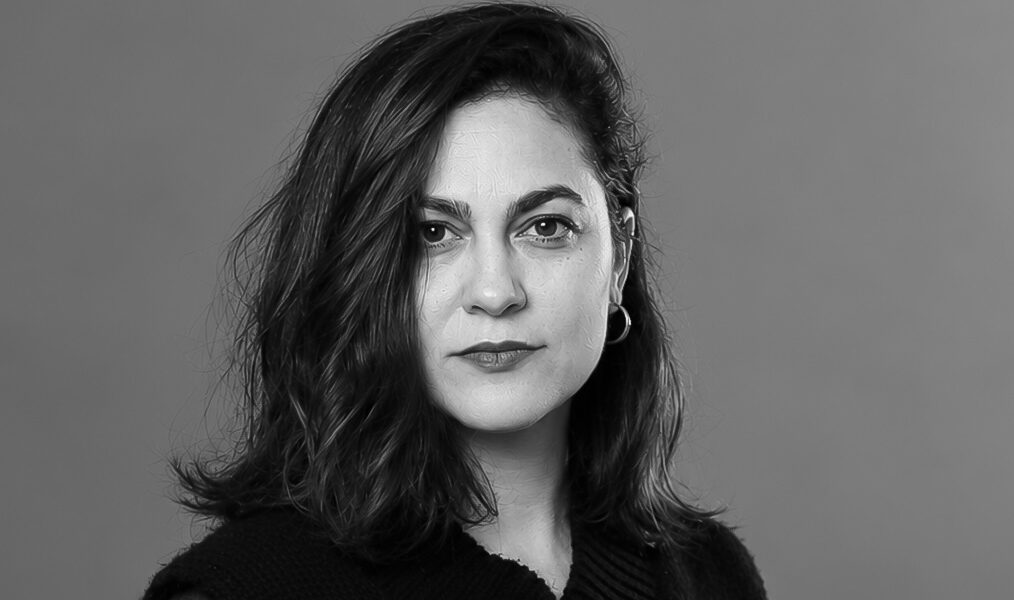
*צילום לי ממרן
*עברית בהמשך
In a good month, Efrat Mazor photographs around 20 dance performances. Over the years, she has amassed an archive of hundreds of thousands of images, an extraordinary visual record of dance in Israel. A former dancer, Mazor brings an embodied understanding of movement to her work, alongside a keen eye for moments that might otherwise disappear. Her presence in the theater is so discreet that audiences may not even notice her, yet she is one of the field’s most attentive observers, carrying with her a body of knowledge that encompasses the development of Israeli dance over the past decade and beyond.
What do you do?
I am a photographer, an observer, and a documentarian. I document what I see in a subjective way, through my own eyes, while trying to remain faithful to reality.
How did you get into this field?
My brother loves nature photography. Fifteen years ago, I held his camera in my hands and something shifted inside me. I felt that I had to get a camera and see what I could do with it. I had just completed my studies in dance education at Kibbutzim College, and after many years of teaching dance, I realized I didn’t want to continue.
At the time, I had no professional aspirations in photography. I wanted to observe the world around me and express myself. Eventually, I enrolled in a photography fundamentals course. By the end of the course, I discovered how exciting it was for me.
A friend asked if I wanted to photograph her premiere, and I said, “Why not? I come from dance. It’s my home.” At that performance, I met Gadi Dagon, who offered to be my mentor, even though neither of us really knew what that meant. For months, I accompanied him to festivals and performances. I would take photographs, send Gadi the images, and he would give me feedback.
It resonated with me so deeply that I felt I had found my place, much more than I ever had as a dancer, teacher, or rehearsal director.
It brought together an old love and a new passion.
Has that changed for you over the years?
It’s always in motion. The way I look, observe, and see things is constantly changing. But my appreciation for artists and dancers only continues to grow, especially now. Within a political reality marked by division and social polarization, the field of art allows us to look at reality from different angles, encounter other perspectives, and hold the complexity of the world we live in.
What’s important to you when photographing dance?
First and foremost, it’s important for me to arrive with fresh, kind, nonjudgmental eyes. To pay attention to what’s happening around me, to find beauty and aesthetics, but not only beauty. Sometimes, something that jars the eye or feels out of balance can become an excellent photograph.
I want to be involved in what’s happening, to connect and to feel. And for that to happen, I have to put my ego aside.
When I’m photographing, I feel all my senses becoming sharper. I’m attuned to the breathing, the effort, the tension, and everything happening onstage. The deeper I go into the act of photographing, the stronger my ability to identify with the work becomes. I feel that I’m not just observing it from the outside, but that I’m able to enter into it, and sometimes even undergo a kind of transformation myself through the experience.
Dancers have to let go of everything outside the work and surrender themselves to it. In a certain sense, I experience something similar.
What challenges you?
I approach my work with a sense of reverence. When I’m invited to photograph, I feel a responsibility. I’m there for someone else, and I’m very aware of that. The idea is that people shouldn’t feel my presence while I’m photographing, that I should blend into the space. But for that to happen, the energy I bring with me is very important.
I try to arrive with as much openness as possible, ready to see and feel. Even if I don’t particularly connect with or understand a work, I can always find something that interests me and focus on it.
That’s the first part, the photography itself.
Then there’s the second part, which is processing the material. I come away from every performance with an enormous amount of material. The challenge is to narrow it down and create a story.
Video offers a linear path. Still photography is something else. The process of sorting through the material has meaning. The photographs need to tell the story of the work, but at the same time, they should distill something from it and offer another perspective on what happened. Selecting the images is a curatorial process in itself. From everything I’ve photographed, I try to choose the most precise images, those that manage to express something essential about the work.
Another challenge is the dialogue with the artists. Often, when they see the photographs for the first time, they have their own expectations about how the work should look, and it’s not always easy to meet those expectations. I often get responses from choreographers who say they saw something in the photographs that they didn’t know had happened. I always wonder what they saw. What does the camera reveal that they couldn’t see before?
Is there anything you can’t photograph?
The raw material of photography is light, so I can’t photograph in complete darkness. When lighting conditions are difficult, the question I ask myself is, “How can I photograph this?” When I was starting out, certain conditions would make me anxious, like performances without theatrical lighting or outdoor performances in full sunlight. Today, I have more confidence that I’ll find a way. Sometimes, those challenges are even fun.
What do you love about it?
I learned fairly early on that a photographer has to make a lot of decisions while shooting, especially in dance, where movement is constantly changing. When I’m photographing, I have to make decisions in a split second and not second-guess myself. As someone who tends to deliberate, the camera forces me to trust my intuition.
I love those moments when everything comes together… the movement, the presence, the light, and the aesthetics of the stage, and the possibility of capturing and preserving those peak moments in a single frame.
ספוטלייט #4: אפרת מזור
בחודש טוב, אפרת מזור מצלמת כ-20 מופעי מחול. לאורך השנים צברה ארכיון של מאות אלפי תמונות, תיעוד חזותי יוצא דופן של המחול בישראל. כרקדנית לשעבר, מזור מביאה לעבודתה הבנה גופנית של תנועה, לצד עין חדה לרגעים שאחרת היו נעלמים. נוכחותה בתיאטרון כה שקטה עד שהקהל עשוי כלל לא להבחין בה, ובכל זאת היא אחת המתבוננות הקשובות ביותר בתחום, הנושאת עמה גוף ידע שמכיל בתוכו את ההתפתחות של המחול הישראלי בעשור האחרון ואף יותר.
מה את עושה?
אני צלמת, מתבוננת ומתעדת. אני מתעדת את מה שאני רואה באופן שהוא סובייקטיבי, דרך העיניים שלי, תוך ניסיון להישאר נאמנה למציאות.
איך הגעת לעסוק בתחום הזה?
אח שלי אוהב צילום טבע. לפני חמש עשרה שנה החזקתי את המצלמה שלו בידיים ומשהו בי זז. הרגשתי שאני חייבת להשיג מצלמה ולראות מה אני יכולה לעשות איתה. בדיוק סיימתי את הלימודים שלי בהוראת מחול בסמינר הקיבוצים, ואחרי שנים רבות של הוראת מחול הבנתי שאני לא רוצה להמשיך.
באותו זמן לא היו לי שאיפות מקצועיות בתחום הצילום. רציתי להתבונן בעולם שסביבי ולבטא את עצמי. בסופו של דבר נרשמתי לקורס יסודות הצילום. בסוף הקורס גיליתי כמה הדבר הזה מרגש אותי.
חברה שאלה אותי אם אני רוצה לצלם את הבכורה שלה ואמרתי, ״למה לא? אני באה ממחול, זה הבית שלי.״ באותו מופע פגשתי את גדי דגון,והוא הציע להיות המנטור שלי, למרות שאף אחד מאיתנו לא ממש ידע מה זה אומר. במשך חודשים התלוויתי אליו לפסטיבלים ולמופעים. הייתי מצלמת, שולחת לגדי את החומרים והוא היה נותן לי משוב.
זה התחבר לי בצורה כל כך חזקה, שהרגשתי שמצאתי את המקום שלי, הרבה יותר ממה שאי פעם הרגשתי כרקדנית, כמורה או כמנהלת חזרות.
זה חיבר אהבה ישנה עם תשוקה חדשה.
האם זה השתנה עבורך לאורך השנים?
זה תמיד נמצא בתנועה. תמיד משתנה האופן שבו אני מסתכלת, מתבוננת, רואה דברים. אבל ההערכה שלי ליוצרים ולרקדנים רק הולכת וגדלה, במיוחד עכשיו. בתוך מציאות פוליטית של שסע וקיטוב חברתי, שדה האמנות מאפשר לנו להתבונן במציאות מזוויות שונות, להיחשף לנקודות מבט אחרות ולהחזיק במורכבות של העולם שבו אנחנו חיים.
מה חשוב לך כשאת מצלמת מחול?
קודם כל, חשוב לי להגיע עם עיניים נקיות, טובות, לא שיפוטיות. לשים לב למה שקורה סביבי למצוא יופי ואסתטיקה, אבל לא רק יופי. לפעמים דווקא משהו שמפריע לעין או יוצא מאיזון יכול להפוך לצילום מצוין.
אני מחפשת להיות מעורבת במה שקורה, להתחבר ולהרגיש. ובשביל שזה יקרה אני חייבת לשים את האגו שלי בצד.
כשאני מצלמת, אני מרגישה שכל החושים שלי מתחדדים. אני קשובה לנשימה, למאמץ, למתח ולמה שמתרחש על הבמה, וככל שאני מעמיקה לתוך הצילום, גם היכולת שלי להזדהות עם היצירה מתעצמת. אני מרגישה שאני לא רק מתבוננת בה מבחוץ, אלא מצליחה להיכנס לתוכה, ולפעמים אפילו לעבור דרכה איזושהי טרנספורמציה בעצמי.
רקדנים נדרשים לשחרר את כל מה שמחוץ ליצירה ולהתמסר אליה. במובן מסויים אני חווה משהו דומה .
מה מאתגר אותך?
אני ניגשת לעבודה בחרדת קודש. כשמזמינים אותי לצלם, אני מרגישה אחריות. אני שם בשביל מישהו אחר ואני מאוד מודעת לזה. הרעיון הוא שלא ירגישו אותי כשאני מצלמת, שאיטמע בחלל. אבל כדי שזה יקרה, האנרגיה שאני מביאה איתי מאוד חשובה.
אני מנסה להגיע עם פתיחות מקסימלית לראות ולהרגיש, גם אם אני פחות מתחברת או לא מבינה את היצירה, אני תמיד יכולה למצוא משהו להתעניין בו ולהניח עליו את הפוקוס.
זה החלק הראשון, הצילום עצמו.
ואז יש את החלק השני, שהוא עיבוד החומרים. אני יוצאת מכל מופע עם המון חומר. האתגר הוא לצמצם אותו וליצור סיפור.
וידאו מציע מסלול ליניארי. צילום סטילס הוא דבר אחר. לתהליך של מיון החומרים יש משמעות. התמונות צריכות אמנם לספר את הסיפור של היצירה, אבל בו בזמן גם לזקק משהו ממנה ולהציע זווית הסתכלות נוספת על מה שקרה. בחירת הדימויים היא תהליך אוצרותי בפני עצמו. מתוך כל מה שצילמתי, אני מבקשת לבחור את הדימויים המדויקים, אלה שמצליחים לבטא משהו מהותי מתוך היצירה.
אתגר נוסף הוא הדיאלוג עם האמנים. הרבה פעמים, כשהם רואים את התמונות בפעם הראשונה, ש להם ציפיות משלהם לגבי איך היצירה צריכה להיראות, ולא תמיד קל לעמוד בציפיות האלה. אני מקבלת הרבה תגובות מכוריאוגרפים שאומרים שהם ראו בתמונות משהו שלא ידעו שקרה. אני תמיד תוהה מה הם ראו. מה המצלמה מראה שהם לא יכלו לראות קודם?
יש משהו שאת לא יכולה לצלם?
חומר הגלם של צילום הוא אור, לכן אני לא יכולה לצלם בחושך מוחלט. כשתנאי התאורה קשים השאלה שאני שואלת את עצמי היא ״איך אני יכולה לצלם את זה?״ כשהייתי בתחילת הדרך, תנאים מסוימים היו מלחיצים אותי, למשל מופעים בלי תאורה או מופעי חוץ , בשמש מלאה. היום יש לי יותר ביטחון שאמצא את הדרך. לפעמים האתגרים האלה אפילו כיפיים.
מה את אוהבת בזה?
למדתי די מוקדם שצלם צריך לקבל הרבה החלטות בזמן הצילום, במיוחד במחול, שבו התנועה משתנה ללא הרף. כשאני מצלמת, אני צריכה לקבל החלטות בשבריר שנייה ולא לפקפק בעצמי. בתור מישהי שאוהבת להתלבט, המצלמה מכריחה אותי לסמוך על האינטואיציה שלי.
אני אוהבת את הרגעים שבהם הכול מתחבר… התנועה, הנוכחות, האור והאסתטיקה של הבמה, ואת האפשרות לתפוס ולהנציח את רגעי השיא האלה בפריים אחד.