
In Constant Motion: Dancing Around the Absenceֿ By Joy Bernard
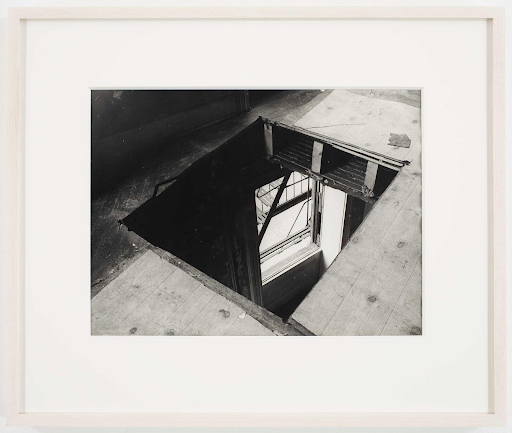
*Bronx Floor (1972), part of the Bronx Floor series by Gordon Matta-Clark.
*עברית בהמשך
Over the past three years, I have become unmoored. A particularly painful breakup, compounded by the outbreak of war, rendered the concept of “home” temporary, elusive, and open to negotiation. Shortly after October 7, I left my last Tel Aviv apartment and embarked on a somewhat self-induced exile from my former life. I moved back and forth between Tel Aviv and Jerusalem, living in dozens of sublets along the way.
Some of those apartments I remember vividly; others I can barely recall. Some were pleasant, others less so. In some I stayed for weeks on end, in others just a few nights. There were places where, for brief moments, I felt that I could let my guard down and adapt to my surroundings, and others where I never quite got used to the position of the light switch.
In one of the sublets I had passed through, there was a loose floor tile right at the entryway. Slightly wobbly, it would tilt underfoot if stepped on at the wrong angle. The first time I entered, I didn’t notice that it was cracked; I twisted my ankle on it and nearly fell. For the first few months, I was careful every time I walked over the threshold and past that rebellious tile. Eventually, I just started skipping over it. I didn’t make a conscious decision to do so; my body simply adapted to the obstacle. It learned on its own where to place my foot and how to maintain balance.
Recently, I found myself reflecting back on that loose tile in a place where I least expected to recall it. During my years of nomadism, I began training to become a Feldenkrais therapist and movement educator.
Last month, during a training session, I watched my teacher work with a man who had suffered severe injuries and lost an eye. She asked him to turn his head from side to side, giving him a foundational Feldenkrais prompt: to let the movement of his eyes lead the head. Through attention and repetition, the goal is to help the nervous system map new connections between the eyes, head, and body and reorganize the movement until it is rendered effortless. He softly corrected her: “No, eye, singular.” She replied just as tenderly: “Your body still remembers the other eye.” She asked him to imagine that his missing eye was leading his gaze, and with it, the movement. He took a breath and tried. Suddenly, his head moved with much more freedom; his range of motion expanded.
That moment brought me back straight to the loose tile. Over time, I learned to step around it until my body did so automatically. Here, too, I witnessed how we all learn to reorganize our existence around what has been lost. As I watched my teacher guide the man into a standing position, eventually releasing her gentle hold on him and allowing him to roam freely throughout the studio, I wondered: Can we learn something beyond mere adaptation? Can we choose not to dodge the void, but to remain with it long enough until we discover a new way of moving through it?
Lately, I finally moved into my own apartment, where I intend to stay for the foreseeable future. Just as this apartment began to feel like home, I found myself pondering every home I had left, and wondering what of them remained inside me.
I recalled my first meeting with my former partner, when I told him about my favorite artwork: a photograph from Gordon Matta-Clark’s Bronx Floors series. During the 1970s, Matta-Clark entered abandoned or condemned apartment buildings in the Bronx, cutting out physical sections of floors, ceilings, and walls. He displayed these cutouts in galleries as sculptures, alongside photographs of the buildings and the voids he had created. He made no attempt to repair the structures or conceal their decay; instead, he brought the absence itself into focus. A cut through a floor revealed the story beneath, the ceiling of the unit below, the hidden layers of a structure built to divide spaces and lives. Suddenly, the floor, the most taken-for-granted surface of a home, became an object of deep reflection.
When I described the series to him back then, he showed me a photo he had taken of the floor in the apartment he was leaving at the time. I was speaking about an artist cutting away a floor to expose a void, and he was sharing a photograph of a real floor, a place he loved and was preparing to leave. Very little needed to be said. We recognized in each other a shared impulse to look closely at what others walk past: the space left behind after a departure, the quiet marks a place retains after its occupants are gone. We both understood that the places we inhabit are never just physical spaces; they are defined by what occurred within them, what we leave behind, and what we carry forward.
It struck me then that my years of wandering were an attempt to live in constant motion, as though moving restlessly could somehow help me hold onto the sense of home I had found with him and then lost.
It took time to connect what I have long known as a dancer with what I saw my teacher convey to the man who had lost his eye: certain losses cannot be repaired. But to be truly present, we must make way for new motions while trusting that the memory of what was once there is still stored somewhere deep within us, informing how we move today. Love was not erased because the physical partnership had ended; it simply changed form. It became part of my internal geography, altering the way I navigate through the world.
A while ago, I printed a small copy of Matta-Clark’s photograph and taped it to my refrigerator door. Now, whenever I reach for milk for my coffee or pull something out to eat, I see it. It reminds me of the home I had, what was lost, and how I learned to dance around the absence. It reminds me that I am constructed of both the solid floor and the hole carved into it.
בתנועה מתמדת: רוקדת סביב ההיעדר מאת ג׳וי ברנרד
במהלך שלוש השנים האחרונות איבדתי את אחיזתי בקרקע. פרידה כואבת במיוחד, שנעשתה אף יותר עוצמתית עם פרוץ המלחמה, הפכה את המילה ״בית״ למושג זמני, חמקמקי, ומוטל בספק. זמן קצר לאחר ה-7 באוקטובר עזבתי את הדירה האחרונה שלי בתל אביב ויצאתי לגלות מחיי הקודמים. נדדתי הלוך ושוב בין תל אביב לירושלים, ובדרך התגוררתי בעשרות סאבלטים לתקופות קצרות.
את חלק מהדירות הזמניות בהן שהיתי אני זוכרת היטב; אחרות אני בקושי מצליחה להעלות בדעתי. חלקן היו נעימות, אחרות פחות. בחלקן נשארתי שבועות ארוכים, ובאחרות רק כמה לילות. היו מקומות שבהם, לרגעים קצרים, הרגשתי שאני יכולה להרפות מהשריון הבלתי נראה שעטיתי סביב ולהסתגל לסביבה המאומצת שלי, והיו כאלה שבהם מעולם לא הצלחתי להתרגל למיקום של מתג האור.
באחד מהסאבלטים שבהם התגוררתי הייתה מרצפת רופפת ממש בכניסה. היא התנדנדה קלות, וכשדרכתי עליה בזווית הלא נכונה היא נטתה תחת כובד משקלי. בפעם הראשונה שנכנסתי לדירה לא הבחנתי שהיא סדוקה; סובבתי עליה את הקרסול וכמעט נפלתי. בחודשים הראשונים נזהרתי בכל פעם שחציתי את מפתן הדלת ופסעתי על פני המרצפת הסוררת. בסופו של דבר פשוט התחלתי לדלג מעליה. לא קיבלתי החלטה מודעת לעשות זאת; הגוף שלי פשוט הסתגל למכשול. הוא למד בכוחות עצמו היכן להניח את כף הרגל ואיך לשמור על שיווי המשקל.
לאחרונה מצאתי את עצמי מהרהרת באותה מרצפת רופפת, דווקא במקום שבו הכי פחות ציפיתי להיזכר בה. במהלך שנות הנדודים שלי התחלתי ללמוד להיות מטפלת בפלדנקרייז ומורה לתנועה בשיטה. בחודש שעבר, במהלך אחד המפגשים בהכשרה, צפיתי במורה שלי עובדת עם גבר שנפצע פציעות קשות ואיבד עין אחת. היא ביקשה ממנו לסובב את ראשו מצד לצד, דרך אחת מההנחיות הבסיסיות ביותר בשיטת פלדנקרייז: לאפשר לתנועת העיניים להוביל את הראש. באמצעות קשב וחזרה, המטרה היא לסייע למערכת העצבים למפות קשרים חדשים בין העיניים, הראש והגוף, ולארגן מחדש את התנועה עד שתהפוך לחסרת מאמץ. הוא תיקן אותה בעדינות: ״לא, עין. ביחיד״. היא השיבה לו ברכות לא פחותה: ״הגוף שלך עדיין זוכר את העין השנייה״. היא ביקשה ממנו לדמיין שהעין החסרה היא שמובילה את מבטו, ובעקבותיו גם את התנועה. הוא לקח נשימה עמוקה וניסה. לפתע ראשו נע בחופשיות רבה יותר; טווח התנועה שלו התרחב.
הרגע הזה החזיר אותי מיד אל המרצפת הרופפת. עם הזמן למדתי לעקוף אותה, עד שהגוף שלי עשה זאת באופן אוטומטי. גם כאן הייתי עדה לאופן שבו כולנו לומדים לארגן מחדש את קיומנו סביב מה שאבד. כשצפיתי במורה שלי מסייעת לאיש להגיע לעמידה, ובהדרגה מרפה מאחיזתה העדינה ומאפשרת לו לנוע בחופשיות ברחבי הסטודיו, תהיתי: האם אנחנו יכולים ללמוד משהו מעבר להסתגלות גרידא? האם אנחנו יכולים לבחור שלא לחמוק מהחלל שנפער בנו, אלא להישאר איתו די זמן, עד שנגלה דרך חדשה לנוע בתוכו?
לאחרונה סוף סוף עברתי לדירה משלי, שבה אני מתכוונת להישאר בעתיד הנראה לעין. דווקא כשהדירה הזאת התחילה להרגיש כמו בית, מצאתי את עצמי מהרהרת בכל הבתים שעזבתי. תהיתי מה מהם נותר בתוכי. לפתע נזכרתי בפגישה הראשונה שלי עם בן זוגי לשעבר, שבה סיפרתי לו על יצירת האמנות האהובה עלי: תצלום מתוך הסדרה Bronx Floors של האמן גורדון מאטה־קלארק. בשנות השבעים נכנס מאטה־קלארק לבנייני דירות נטושים או כאלה שעמדו בפני הריסה ברובע הברונקס בניו יורק, וחתך מתוכם חלקים פיזיים של רצפות, תקרות וקירות. את החלקים שחתך הציג בגלריות כפסלים, לצד תצלומים של הבניינים ושל החללים הריקים שיצר.
מאטה-קלארק לא ניסה לתקן את המבנים או להסתיר את סימני ההתפוררות שלהם; במקום זאת, הוא הפנה את המבט אל ההיעדר עצמו. חיתוך ברצפה חשף את הסיפור שמאחוריה, את תקרת הדירה שמתחת, את השכבות הנסתרות של הרצפה שנבנתה כדי להפריד בין חללים שונים ובין חיים שונים. לפתע הפכה הרצפה, המשטח המובן מאליו ביותר בבית, למושא להתבוננות מעמיקה.
כשסיפרתי לבן זוגי לשעבר על סדרת העבודות הללו, הוא הראה לי תצלום שצילם ימים ספורים לפני המפגש שלנו. זו הייתה תמונה של רצפת הדירה שאותה עמד לעזוב באותה תקופה. אני דיברתי על אמן שחותך רצפה כדי לחשוף חלל ריק, ואילו הוא שיתף אותי בתצלום של רצפה ממשית, של מקום שאהב והיה צריך להיפרד ממנו. לא נזקקנו להרבה מילים. באותו רגע זיהינו זה בזו דחף משותף להתבונן מקרוב במה שאחרים חולפים על פניו: בחלל שנותר אחרי עזיבה, בסימנים השקטים שמקום נושא עימו גם אחרי שדייריו כבר לא נמצאים בו. שנינו הבנו שהמקומות שאנחנו חיים בהם לעולם אינם רק מרחבים פיזיים; הם מוגדרים על ידי מה שהתרחש בתוכם, על ידי מה שאנחנו משאירים מאחור ועל ידי מה שאנחנו נושאים איתנו הלאה.
רק כשצף בי זיכרון השיחה הזו, הכתה בי ההבנה ששנות הנדודים שלי היו ניסיון לחיות בתנועה מתמדת, כאילו התנועה חסרת המנוח תוכל איכשהו לעזור לי להיאחז בתחושת הבית שמצאתי איתו, ואז איבדתי. לקח לי זמן לחבר בין מה שאני יודעת כבר שנים כרקדנית לבין מה שראיתי את המורה שלי מלמדת את האיש שאיבד את עינו: יש אובדנים שאי אפשר לתקן. אבל כדי להיות נוכחים באמת, עלינו לפנות מקום לתנועות חדשות, ובו בזמן לבטוח בכך שהזיכרון של מה שהיה שם פעם עדיין שמור עמוק בתוכנו, ומשפיע על האופן שבו אנחנו נעים היום. האהבה לא נעלמה עם סיומה של הזוגיות; היא פשוט שינתה צורה. היא הפכה לחלק מהגיאוגרפיה הפנימית שלי, ושינתה את האופן שבו אני מנווטת את דרכי בעולם.
לפני זמן מה הדפסתי עותק קטן של התצלום של מאטה־קלארק והדבקתי אותו על דלת המקרר שלי. עכשיו, בכל פעם שאני מושיטה יד כדי לשלוף חלב עבור הקפה שלי או מוציאה משהו לאכול, אני רואה את התמונה הזאת. היא מזכירה לי את הבית שהיה לי, את מה שאבד, ואת הדרך שבה למדתי לרקוד סביב ההיעדר. היא מזכירה לי שאני מורכבת גם מהרצפה המוצקה וגם מהחור שנפער בה.
ג’וי ברנרד היא אמנית רב־תחומית, כוריאוגרפית, פרפורמרית וכותבת. עבודתה נעה בין מחול, קולנוע, תיאטרון ואמנות חזותית, וכתיבתה מתפרסמת בעיתונות ובמגזיני תרבות בישראל ובעולם. ב־Creative Writing היא כותבת בעברית ובאנגלית.
Joy Bernard is a multidisciplinary artist, choreographer, performer, and writer whose work spans dance, film, theater, and visual art. Her writing has appeared in Haaretz, Portfolio, The Jerusalem Post, Flash Art, and other Israeli and international publications. At Creative Writing, Joy writes in both Hebrew and English.