
לִפְנֵי הַהֲבָנָה | כרמן אלמקייס עמוס
*English follows
“עוד לפני שלמדנו להגדיר מי אנחנו, עוד לפני ששאלנו מה קיים בעולם, כבר היינו אשמים באחריות למי שמולנו.” (עמנואל לוינס, הומניזם של האדם האחר)
זו המהפכה החריפה של הפילוסוף עמנואל לוינס, שהפך את הסדר של הפילוסופיה המערבית, המוסר אינו הסכם חברתי שנולד מתוך הבנה, אלא ציווי פראי, ראשוני, שנכפה עלינו ברגע שבו אנו מביטים בפניו של האחר.
עוד לפני המדע, הלוגיקה או הקיום עצמו, נמצא המבט. המפגש האנושי האמיתי אינו זירה של הבנה, אלא זירה של פגיעות. הפנים של האחר, חשופות, עירומות, חסרות הגנה, אינן מבקשות הגדרה או קטלוג. הן זועקות אלינו את הציווי המוחלט ‘לא תרצח’, אל תמחק אותי, ואל תהפוך אותי לדומה לך. הניסיון להסביר את האחר או להגדיר אותו לפי הצרכים שלנו הוא סוג של אלימות מושגית, יש לכבד את השונות המוחלטת שלו. האחריות כלפי הזולת אינה הסכם חברתי או בחירה, היא עצם המהות של היותנו בני אדם. אנו בני ערובה של המוסר, והסבל של מי שמולנו מחייב אותנו לפעול.
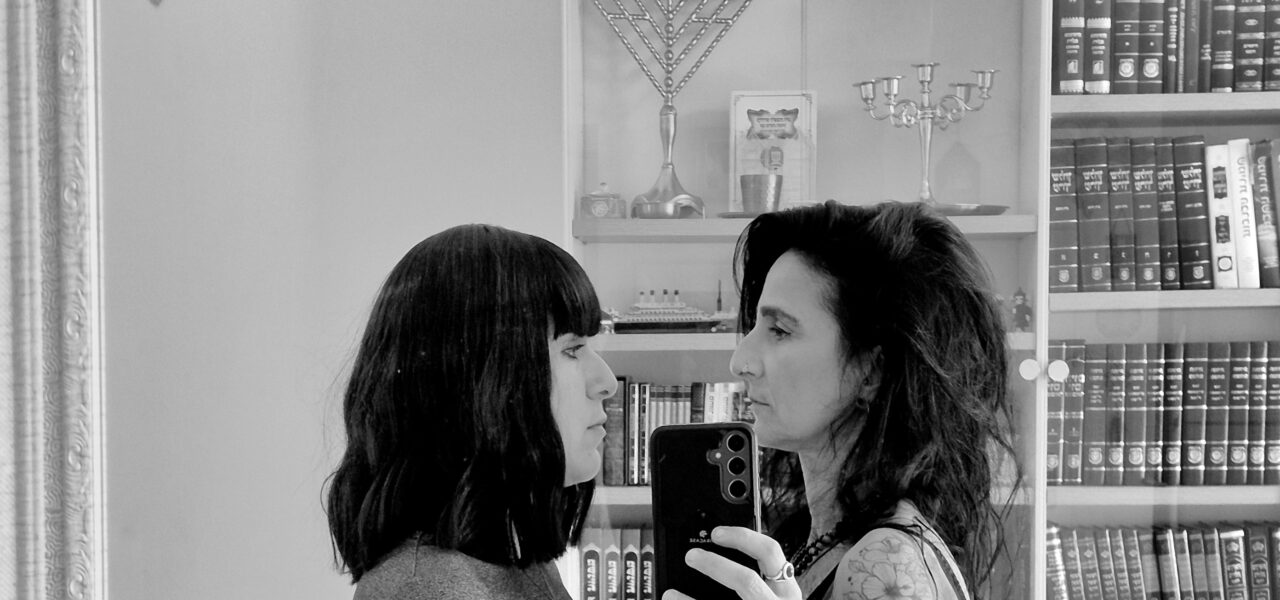
האלבום “האחר” של ברי סחרוף, שנולד מתוך אותה תהייה בדיוק, מציין כעת 25 שנה לצאתו. חצי היובל הזה שלח אותי אל האחר הקרוב ביותר אליי, ודווקא משום כך,הקשה ביותר לתפיסה, אחותי הקטנה, מורן.
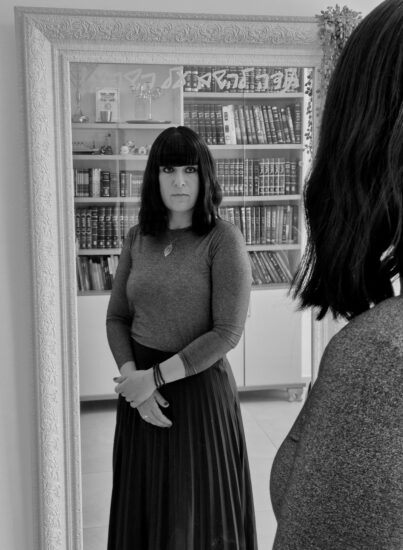
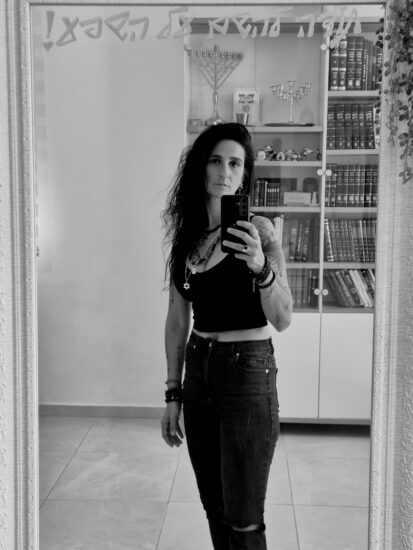
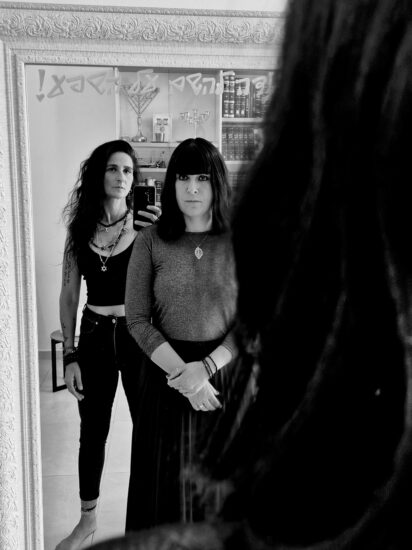
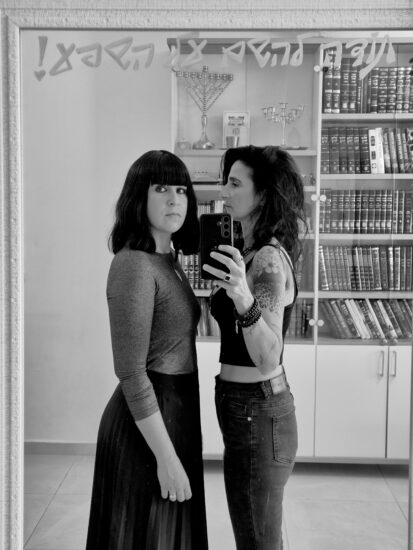
גדלנו באותו הבית, תחת אותם זיכרונות ילדות, אך כיום החיים שלנו רחוקים זה מזה כמעט בכל ציר אפשרי. היא חרדית (חב”דניקית), אני מסורתית. בעבודה זו, המפגש המורכב בינינו מתרחש מול מראה. המראה היא, לכאורה, האנטי-תזה של האחר, בה אנו רגילים לחפש רק את עצמנו. אך כשאנו ניצבות מולה יחד, המראה נסדקת. היא מאלצת אותנו להביט לא רק בהשתקפות של עצמנו, אלא בהשתקפות של האחר בתוכנו.
במפגש פנים אל פנים, המצלמה בעבודה זו היא מסך הטלפון הנייד, המראה המודרנית של ימינו, הכלי היומיומי שדרכו אנו מביטים בעולם, מתעדים את הקרובים אלינו, ומקטלגים את האחר. המכשיר והמראה של שתינו הופכים מזירות של שיקוף עצמי לזירות של פגיעה או של חסד. האם ברגע הלחיצה על ההדק אני מנכסת את אחותי מורן אל עולמי, או שמא אני נכנעת לשונות המוחלטת שלה, ומקבלת על עצמי את האחריות האינסופית להיות לה לבת ערובה?
פְרַגְמֶנְטִים מִתּוֹךְ שִׂיחָה
כרמן: מה חשבת כשסיפרתי לך על הפרויקט?
מורן: שהמציאות שונה ממה שמציגים בתקשורת ואפשר לחיות בשלום וכבוד גם כשאנחנו שונים.
כרמן: איך נראה יום רגיל אצלך?
מורן: תפילות, ברכות, טיפול בכל ענייני הבית, קצת עבודה במה שאני אוהבת, טיפול באמא ואבא.
כרמן: מה הדבר הכי יפה בחיים שלך, ומה הכי קשה?
מורן: הכי יפה זה המשפחה שלי, הכי קשה זה שאלוקים לא נתן לי משפחה גדולה יותר.
כרמן: מה אנשים מבחוץ לא מבינים לגביכן?
מורן: אנשים לא מבינים שהדבר הכי חשוב בעולם זה הבית שאת מקימה והמשפחה שלך. יותר מכסף וקריירה.
כרמן: מה היית רוצה שאבין ואני לא מבינה?
מורן: הייתי רוצה שתביני שלמרות שאני לא מסכימה עם דרך החיים שלך, זה לא אומר שאני לא אוהבת אותך.
כרמן: מה את חושבת שאני רואה כשאני מסתכלת עלייך?
מורן: אני חושבת שאת רואה חיים אדוקים מדי, שקשה לך להתחבר אליהם.
כרמן: מה את רואה כשאת מסתכלת עליי?
מורן: אני רואה חיים חופשיים מדי, שקשה לי להתחבר אליהם.
כרמן: מה בחיים שלי את לא מבינה?
מורן:“אני לא יכולה להגיד שאני לא מבינה משהו, כי אני מבינה שלכל אחת יש את הדרך שלה לעבור.”
כרמן: יש משהו בי שמדאיג אותך או מפחיד אותך?
מורן: “לא עולה לי משהו. אולי דאגה אישית שלי שתתחתני ותקימי בית יהודי, כי זאת הדרך שאני מאמינה בה.”
כרמן: מתי הרגשת הכי קרובה אליי בשנים האחרונות?
מורן: “כשליוויתי אותך לניתוחים.”
כרמן: מתי הרגשת שאנחנו רחוקות?
מורן: “כשהתווכחנו על שירת נשים,שקשה לך להבין את זה בגלל שמבחינתך זה נגד זכויות נשים ואצלי לא, זה בדיוק ההיפך.
כרמן: על מה אנחנו לא מדברות?
מורן: “אני חושבת שכבר דיברנו על הכל, אבל אולי הרגשתי שקשה לך קצת לדבר איתי על כל מה שעברת בילדות.”
BEFORE UNDERSTANDING | CARMEN ELMAKIYES AMOS
“Even before we learned to define who we are, even before we asked what exists in the world, we were already guilty of responsibility toward the person before us.”
(Emmanuel Levinas, Humanism of the Other)
This is the radical revolution proposed by the philosopher Emmanuel Levinas, who overturned the order of Western philosophy. Ethics is not a social contract born of understanding, but a primal, uncompromising command imposed upon us the moment we look into the face of the Other.
Before science, logic, or even existence itself, there is the gaze. A genuine human encounter is not a site of understanding, but a site of vulnerability. The face of the Other, exposed, naked, defenseless, does not ask to be defined or categorized. It cries out to us with the absolute commandment, “Thou shalt not kill.” Do not erase me. Do not make me into someone like you. The attempt to explain the Other or define them according to our own needs is a form of conceptual violence. We must respect their absolute difference. Responsibility toward the Other is neither a social contract nor a choice; it is the very essence of being human. We are hostages to morality, and the suffering of the person before us obliges us to act.
Barry Sakharof’s album The Other, born of precisely this same questioning, now marks its 25th anniversary. This quarter-century milestone led me to the Other closest to me, and for that very reason, the most difficult to comprehend: my younger sister, Moran.
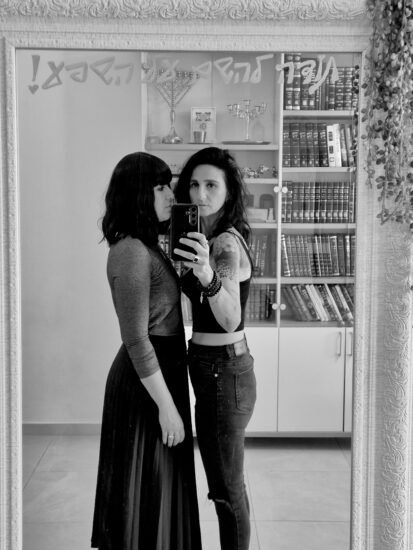
We grew up in the same home, sharing the same childhood memories, yet today our lives are far apart along almost every conceivable axis. She is ultra-Orthodox (a follower of Chabad), while I am traditional. In this work, the complex encounter between us takes place in front of a mirror. The mirror is, ostensibly, the antithesis of the Other, a place where we are accustomed to searching only for ourselves. But when we stand before it together, the mirror begins to crack. It forces us to look not only at our own reflection, but at the reflection of the Other within ourselves.
In this face-to-face encounter, the camera in this work is the screen of a mobile phone, the modern-day mirror, the everyday device through which we look at the world, document those closest to us, and categorize the Other. Our devices and our mirrors are transformed from sites of self-reflection into sites of harm or grace. At the moment I press the shutter, am I appropriating my sister Moran into my own world, or am I surrendering to her absolute difference, accepting the infinite responsibility of becoming her hostage?
FRAGMENTS FROM A CONVERSATION
Carmen: What did you think when I told you about the project?
Moran: “That reality is different from how it’s portrayed in the media, and that we can live in peace and mutual respect even when we’re different.”
Carmen: What does an ordinary day look like for you?
Moran: “Prayers, blessings, taking care of everything around the house, doing a little work that I love, and looking after Mom and Dad.”
Carmen: What’s the most beautiful thing about your life, and what’s the hardest?
Moran: “The most beautiful thing is my family. The hardest thing is that God didn’t give me a bigger family.”
Carmen: What don’t people on the outside understand about women like you?
Moran: “People don’t understand that the most important thing in the world is the home you build and your family. More important than money or a career.”
Carmen: What would you like me to understand that I don’t?
Moran: “I’d like you to understand that even though I don’t agree with your way of life, that doesn’t mean I don’t love you.”
Carmen: What do you think I see when I look at you?
Moran: “I think you see a life that’s too religious, one that you find difficult to relate to.”
Carmen: What do you see when you look at me?
Moran: “I see a life that’s too free, one that I find difficult to relate to.”
Carmen: What is it about my life that you don’t understand?
Moran: “I can’t say there’s anything I don’t understand, because I understand that everyone has their own path to follow.”
Carmen: Is there anything about me that worries or frightens you?
Moran: “Nothing comes to mind. Maybe it’s just my own personal concern that you’ll get married and build a Jewish home, because that’s the path I believe in.”
Carmen: When have you felt closest to me in recent years?
Moran: “When I accompanied you to your surgeries.”
Carmen: When have you felt that we were distant from one another?
Moran: “When we argued about women singing. It’s hard for you to understand because, from your perspective, it’s against women’s rights, whereas for me, it’s exactly the opposite.”
Carmen: What don’t we talk about?
Moran: “I think we’ve already talked about everything, but maybe I felt that it was a little difficult for you to talk to me about everything you went through as a child.”
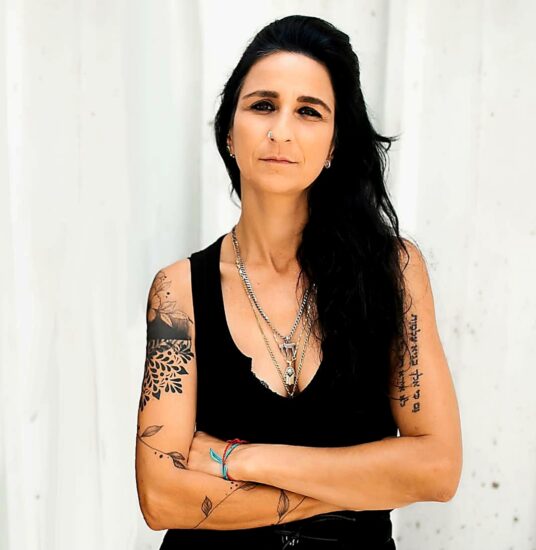 כרמן אלמקייס עמוס, צלמת ואמנית, אקטיביסטית פמיניסטית. עבודותיה מתמקדות ביצירת שינוי חברתי דרך אמנות וצילום. נבחרה ברשימת 50 הנשים המשפיעות של מגזין פורבס. חברה בקבוצת האמנים של קרן Albi הבינלאומית, מייסדת תנועות שטח חברתיות “שוברות קירות” ותנועת “לא נחמדים-לא נחמדות”. מייסדת פרויקט עדי”ה לתיעוד ובניית ארכיון עדויות של נפגעי גזזת. מובילה ולוקחת חלק בעשרות מאבקים חברתיים.
Carmen Elmakiyes Amos is a photographer, artist, and feminist activist. Her work focuses on creating social change through art and photography. She was named one of the 50 most influential women by Forbes magazine. She is a member of the artist collective of the international Albi Foundation and the founder of the grassroots social movements “Breaking Walls” and “Not Nice.” She also founded the Adi’ah Project, dedicated to documenting and building an archive of testimonies from victims of ringworm radiation treatments. She has led and participated in dozens of social justice struggles.