
CREATIVE WRITING × EPOS: Jenny Birger’s Response to ‘Germaine Acogny – The Essence of Dance’
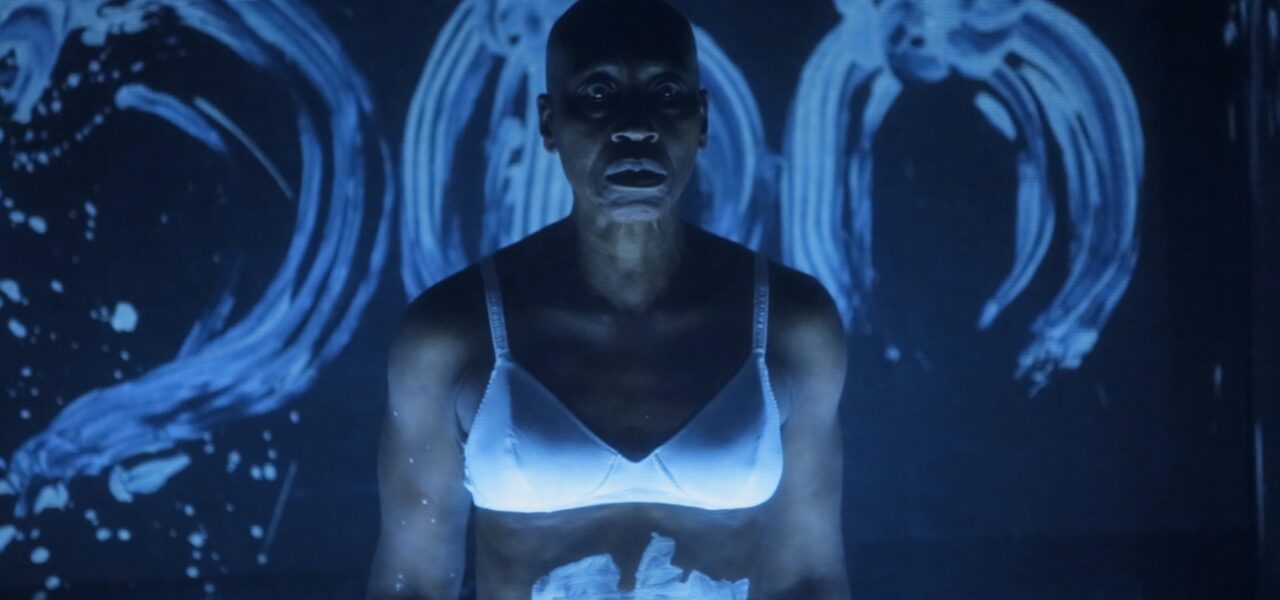
*Photos courtesy of CALA Filmproduktion. In photo- Germaine Acogny in Mon Elue Noir
*English follows
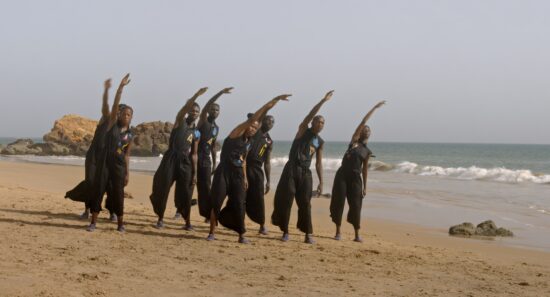
מי שמגיע לסרט בתקווה לקבל סקירה היסטורית מסודרת של הרקדנית, הכוריאוגרפית והמורה ז’רמיין אקוגני, לא יקבל את מבוקשו. הסרט נע בחופשיות בין הווה לעבר, בין יצירות שלה לעבודות של כוריאוגרפים אחרים, בין חומרי ארכיון, רגעים מחייה הפרטיים ובית הספר הנודע שהקימה עם בן זוגה הלמוט ווגט Ecole des Sables (בית הספר של החולות). ויש משהו נכון עקרונית בערבוב הזה. אקוגני בעצמה פעלה כל חייה מתוך ערבוב, מפגש ותרגום בין עולמות. היא חיברה בין מסורות המחול של מערב אפריקה לבין הידע שספגה מתוך המפגש עם המחול המערבי, ומתוך החיבור הזה יצרה שפה משלה. גם הפסקול עושה לעיתים דבר דומה: מוזיקה קלאסית מערבית מלווה רקדנים בבית הספר המתאמנים על חומר תנועתי, והתמונה והצליל אינם “שייכים” לכאורה לאותו עולם, אבל דווקא משום כך המפגש ביניהם יפה.
אלא שכאן נמצא מבחינתי גם הקושי הגדול של הסרט. הערבוב אינו תמיד הופך לעריכה שיש לה היגיון פנימי. לפעמים נדמה שהסרט פשוט מחזיק בידיו אוצר עצום של חומרים, דמות יוצאת דופן, ארכיון, היסטוריה, פוליטיקה, גוף, משפחה, הוראה, יצירה, מסורת, ואינו יודע לגמרי מה לעשות איתם. הוא קופץ בין תקופות ונושאים, מציג דמויות ועבודות שלא תמיד מקבלות מספיק הקשר (כשצפיתי בו בבית נאלצתי ברגע מסוים לעצור את הצפייה ולחפש מיהו הכוריאוגרף שעל המסך כי לא ניתן לו קרדיט), וממשיך הלאה לפני שהספקנו להתעכב.
וזה חבל במיוחד משום שכאשר אקוגני עצמה נמצאת על המסך, לא חסר דבר. יש בה בהירות יוצאת דופן. בגוף שלה, בדיבור שלה ובאופן שבו היא מלמדת ניכרת תפיסת עולם שלמה. החיוך הנדיב שלה, כמו ה”שמש” של בית החזה, מחזיק בתוכו אישה איתנה, אמיצה ורבת יכולות. יכולותיה הפיזיות לא מתעלות על יכולותיה הוורבליות, והייתי רק רוצה שהסרט יבטח בה יותר, שייתן לה ולגוף שלה זמן, ושלא ימהר כל כך לעבור לדבר הבא.
אחד הנושאים המרתקים שעוברים כחוט השני בסרט הוא מעמד המחול והאופן שבו הוא נתפס על ידי השלטון הסנגלי. באופן שהיה כמעט מפתיע עבורי, הכבוד שאקוגני והמחול זוכים לו במדינתה מעורר השראה. הנשיא הראשון של סנגל, לאופולד סדאר סנגור, ראה באמנות ובמחול חלק מהותי בבניית הזהות של המדינה הצעירה, ואקוגני הפכה במובן מסוים גם לשגרירה של תפיסה תרבותית זו. מצאתי את עצמי צופה בזה בהשתאות וגם בקצת קנאה. אני מחפשת סביבי תפיסה כזאת של מחול, של אמנות ושל תפקידם בחברה, ולא ממש מוצאת. אולי אחרי הבחירות.
ובתוך כל העושר הזה עולה בעיניי השאלה המעניינת ביותר שהסרט מציע: מהי בכלל מסורת חיה? האם כדי לשמר מסורת צריך לשמור עליה כפי שהייתה, או דווקא לאפשר לה להשתנות? אקוגני אינה משמרת את המחול האפריקאי בתוך ויטרינה. היא לוקחת ממנו עקרונות, מעבירה אותם דרך הגוף שלה, דרך מפגשים עם תרבויות ושפות תנועה אחרות, ומעבירה אותם הלאה לדורות חדשים של רקדנים.
המחול, כמו הגוף, מתקיים בתוך הזמן ולכן משתנה ללא ברירה. השאלה היא לא אם הוא ישתנה, אלא כיצד. מה אנחנו בוחרים לקחת איתנו? מה אנחנו משאירים מאחור? ומה נולד במפגש בין מה שקיבלנו לבין העולם שבו אנחנו חיים עכשיו?
אלה שאלות גדולות ומרתקות, והסרט מלא בחומרים שפותחים אותן. דווקא משום כך יצאתי ממנו בתחושה כפולה. שמחתי מאוד שפגשתי את ז’רמיין אקוגני, את ההיסטוריה שלה, את הגוף שלה ואת המחשבה שלה על מחול. רציתי עוד ועוד מכל אלה. אבל כסרט, הרגשתי שהוא אינו מצליח לתת לעושר הזה צורה מספיק ברורה. אולי זה הדבר שהכי נשאר איתי: אישה שבנתה במשך חיים שלמים שפה כל כך מובחנת, בתוך סרט שעדיין מחפש את השפה שלו.
הסרט ‘ז’רמיין אקוגני – מהות הריקוד’ בבימויה של גרטה-מארי בקר יוקרן במסגרת פסטיבל אפוס השנתי ב־18 בספטמבר.
African Step- The Essence of Dance by Jenny Birger
Anyone who comes to the film hoping for an orderly historical overview of the dancer, choreographer and teacher Germaine Acogny will not get what they came for. The film moves freely between present and past, between her works and those of other choreographers, between archival materials, moments from her private life and the renowned school she founded with her partner Helmut Vogt, École des Sables (School of the Sands). And there is something fundamentally right about this mixing. Acogny herself has spent her life working through mixture, encounter and translation between worlds. She brought together the dance traditions of West Africa with the knowledge she absorbed through her encounters with Western dance, and from this meeting created a language of her own. At times, the soundtrack does something similar: Western classical music accompanies dancers at the school practicing movement material, and the image and sound do not ostensibly “belong” to the same world. Yet it is precisely for this reason that the encounter between them is beautiful.
But this is also where, for me, the film’s greatest difficulty lies. The mixing does not always become an edit with its own internal logic. At times, it feels as though the film simply has an enormous treasure trove of material in its hands, an extraordinary figure, an archive, history, politics, body, family, teaching, creation, tradition, and does not entirely know what to do with it. It jumps between periods and subjects, introducing people and works that are not always given enough context. Watching the film at home, at one point I had to pause and look up the choreographer on screen because he had not been credited. The film then moves on before we have had time to linger.
This is especially unfortunate because when Acogny herself is on screen, nothing is missing. There is an extraordinary clarity to her. In her body, her speech and the way she teaches, an entire worldview is evident. Her generous smile, like the “sun” of her chest, contains within it a resilient, courageous and immensely capable woman. Her physical abilities do not surpass her verbal ones, and I found myself wishing only that the film would trust her more, that it would give her and her body time, and not rush so quickly toward the next thing.
One of the fascinating themes running through the film is the status of dance and the way it has been regarded by the Senegalese government. In a way that was almost surprising to me, the respect afforded to Acogny and to dance in her country is inspiring. Senegal’s first president, Léopold Sédar Senghor, saw art and dance as an essential part of building the identity of the young nation, and Acogny became, in a sense, an ambassador for this cultural vision. I found myself watching with amazement and also with a little envy. I look around me for such a view of dance, of art and of their role in society, and I don’t really find it. Maybe after the elections.
And within all this richness emerges what I see as the most interesting question the film proposes: what, exactly, is a living tradition? In order to preserve a tradition, must we keep it as it was, or must we instead allow it to change? Acogny does not preserve African dance inside a glass case. She takes principles from it, passes them through her own body and through encounters with other cultures and movement languages, and passes them on to new generations of dancers.
Dance, like the body, exists within time and therefore inevitably changes. The question is not whether it will change, but how. What do we choose to take with us? What do we leave behind? And what is born in the encounter between what we have received and the world we live in now?
These are large and fascinating questions, and the film is full of material that opens them up. It is precisely for this reason that I came away from it with mixed feelings. I was very glad to have encountered Germaine Acogny, her history, her body and her thinking about dance. I wanted more and more of all of these things. But as a film, I felt it did not manage to give all this richness a sufficiently clear form. Perhaps that is what stayed with me most: a woman who spent an entire lifetime building such a distinctive language, within a film that is still searching for a language of its own.
‘Germaine Acogny – The Essence of Dance’ directed by Greta-Marie Becker will be screened as part of the annual Epos International Art Film Festival on September 18.
ג’ני בירגר
ילידת אוקראינה, היא אמנית רב־תחומית, פרפורמרית ומורה, המתגוררת בתל אביב. יצירתה עוסקת במפגש שבין תנועה, שפה ויצירה כוריאוגרפית בזמן אמת. היא מלמדת בתוכנית “קהילה בתנועה” לאנשים החיים עם פרקינסון, וכן יוגה ופילאטיס באופן פרטי.
Jenny Birger
Born in Ukraine and based in Tel Aviv, Jenny Birger is a multidisciplinary artist, performer, and teacher. Her work explores movement, language, and real-time choreographic creation. She teaches in the Movement Communities program for people living with Parkinson’s disease, as well as yoga and Pilates.