
SPOTLIGHT #1- DANIEL PAKES
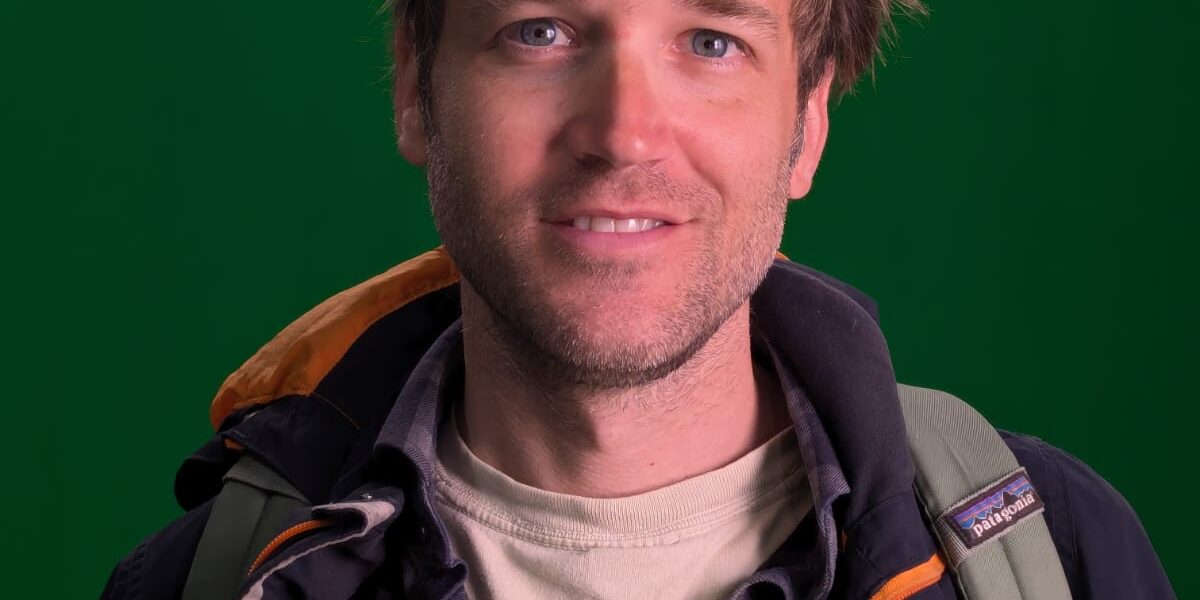
Nearly every night of the week, dance videographer Daniel Pakes can be found in a theater somewhere in Israel, positioned behind the lens of one of his many cameras. With a background in physical theater and performance, Pakes has developed a filming language deeply attuned to choreography, stage dynamics and the ephemeral nature of live art.
How did you arrive at filming?
I was a very energetic kid. I was always moving. In the army, I served as a photographer and video editor. Afterwards, I studied physical theater in Barcelona. I started off as a performer. I worked with Clipa Theater, Efrat Rubin, Daphna Horenczyk, Aharona Israel and others. But the stage was always foreign to me. I had this feeling that it wasn’t my place. I always wanted to study film so I enrolled at Minshar and things came together.
What was the first piece you filmed?
It was a shared evening of Sigal Bergman and Yuval Goldstein. I probably didn’t film it very well but it couldn’t have been that bad because we still work together.
Do you have opinions about the works you film?
Of course but I try not to come with them. I stay focused on the event itself. I focus on the lighting or the movement. If I see something without a camera, I can like it or not but with a camera…
What’s important to you when filming a work?
Filming is documentation. I am aware that there is no substitute for the live performance. I know that by filming a piece, I am killing it. In theater, they don’t film in the same way. Dance doesn’t have a script that can be sent onwards. It has to be documented for the work to live.
I try to be very practical. I am not trying to make the documentation too cool or too beautiful. I want it to be authentic.
Because I used to perform and because my partner is a dancer and choreographer, I understand how important the energy I arrive with is. I come an hour before the show with all of my equipment and I know that I am entering a sacred space. I try to be respectful, focused and not to get stressed or stress anyone else out.
When I create a teaser for a new show with a choreographer or director or when I make dance films, there is more artistic freedom and I can go wild.
What is it like living with another artist?
Maayan and I have created together in the past. It isn’t easy for us to work together. We need to have clear roles. I’m directing and she’s performing. Or she’s the choreographer and I’m filming.
What challenges you?
Today, lots of shows aren’t in a traditional stage setting. There are performances in 360 degrees or ones that start in the audience or shows on rooftops, outside, galleries, in total darkness, in hotel rooms… I have to consider the experience of the audience and try not to disturb them.
Is there anything you can’t film?
Yes! Pieces that are in total darkness. Lighting is always an issue for me. I once filmed a piece that was only lit by lighters. That was tough. I can always document something. The question is what is lost in the process and how can I keep the piece alive.
Is what you do art?
Is it art? It involves a combination of technique, sensitivity and craft.
ספוטלייט #1- דניאל פייקס
כמעט בכל ערב בשבוע אפשר למצוא את צלם המחול דניאל פייקס באולם תיאטרון כלשהו ברחבי ישראל, ניצב מאחורי העדשה של אחת ממצלמותיו הרבות. עם רקע בתיאטרון פיזי ופרפורמנס, פייקס פיתח שפת צילום שמכווננת באופן עמוק לכוריאוגרפיה, לדינמיקות בימתיות ולטבעה החמקמק של אמנות חיה.
איך הגעת לצילום?
הייתי ילד מאוד אנרגטי. כל הזמן הייתי בתנועה. בצבא שירתתי כצלם צבאי. אחר כך למדתי תיאטרון פיזי בברצלונה. בכלל התחלתי כפרפורמר. עבדתי עם תאטרון קליפה, אפרת רובין, דפנה הורנצ׳יק, אהרונה ישראל ועוד. אבל הבמה תמיד הייתה קצת זרה לי. הייתה לי תחושה שזה לא בדיוק המקום שלי. תמיד רציתי ללמוד קולנוע אז נרשמתי למנשר, ושם הדברים התחברו.
מה הייתה היצירה הראשונה שצילמת?
זה היה ערב משותף של סיגל ברגמן ויובל גולדשטיין. כנראה שלא צילמתי אותה מדהים, אבל זה לא היה כזה נורא כי אנחנו עדיין עובדים יחד.
יש לך דעות על היצירות שאתה מצלם?
ברור. אבל אני משתדל לא להגיע איתן. אני נשאר מרוכז באירוע עצמו. בתאורה, בתנועה. אם אני רואה משהו בלי מצלמה, אני יכול לאהוב אותו או לא, אבל עם מצלמה…
מה חשוב לך כשאתה מצלם עבודה?
צילום הוא תיעוד. אני יודע שאין תחליף להופעה חיה. אני יודע שברגע שאני מצלם יצירה, אני גם הורג אותה. בתיאטרון לא מצלמים באותו אופן. למחול אין טקסט שאפשר להעביר הלאה. אם לא מתעדים אותו, העבודה פשוט נעלמת.
אני משתדל להיות מאוד פרקטי. אני לא מנסה להפוך את התיעוד למגניב מדי או יפה מדי. חשוב לי שהוא יישאר אותנטי.
בגלל שפעם הופעתי, ובגלל שבת הזוג שלי היא רקדנית וכוריאוגרפית, אני מבין כמה האנרגיה שאני מגיע איתה חשובה. אני מגיע שעה לפני המופע עם כל הציוד שלי ויודע שאני נכנס למרחב קדוש. אני משתדל להיות מכבד, מרוכז, ולא להילחץ או להלחיץ אחרים.
כשאני יוצר עם כוריאוגרף או במאי טריילר ליצירה חדשה או איזשהו סרט מחול אז יש יותר חופש אמנותי ואפשר להתפרע.
איך זה לחיות עם עוד אמנית?
מעיין ואני יצרנו יחד בעבר. לא פשוט לנו לעבוד יחד. אנחנו צריכים חלוקת תפקידים מאוד ברורה. אני מביים והיא מופיעה, או שהיא הכוריאוגרפית ואני מצלם.
מה מאתגר אותך?
היום הרבה יצירות הן כבר לא קורות על במה פרונטלית. יש מופעים ב־360 מעלות, עבודות שמתחילות בתוך הקהל, מופעים על גגות, בחוץ, בגלריות, בחושך מוחלט, בחדרי מלון… אני צריך לחשוב גם על החוויה של הקהל ולנסות לא להפריע לה.
יש משהו שאי אפשר לצלם?
כן. יצירות שמרחשות בחושך מוחלט. תאורה זה תמיד עניין. פעם צילמתי יצירה שהוארה רק עם מציתים. זה היה קשוח. בסוף תמיד אפשר לתעד משהו. השאלה היא מה הולך לאיבוד בדרך ואיך אפשר להשאיר את היצירה חיה?
מה שאתה עושה הוא אמנות?
אמנות? זה שילוב של טכניקה, רגישות ומלאכה.